
eid traditions: 18 Joyful Customs That Bring Families Together

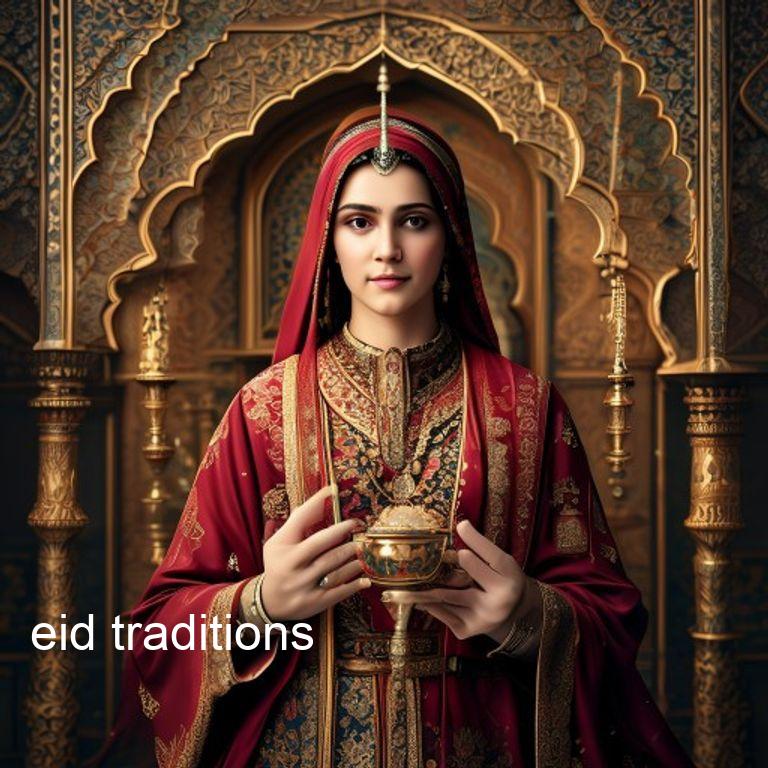
Table of Contents
- The Heart of the Celebration: Spiritual Foundations
- Festive Rituals: Bringing Families Closer
- Cultural Diversity in Eid Celebrations
- 12. More Ways to Celebrate: Modern and Ancient Customs
- The Benefits of Maintaining Eid Traditions
- Common Mistakes to Avoid During Eid
- Challenges in Modern Celebrations
- Conclusion
- Frequently Asked Questions (FAQ)
Eid Traditions: 18 Joyful Customs That Bring Families Together
As the crescent moon marks the end of the spiritual journey of Ramadan, a sense of profound joy permeates homes across the globe. Eid is not just a date on the lunar calendar; it is a symphony of shared laughter, fragrant spices, and deep spiritual connection. While the religious significance of the holiday is paramount, the cultural tapestry woven through various eid traditions is what truly transforms these days into an unforgettable experience for families.
In an increasingly digital world, the customs surrounding Eid serve as a vital anchor, grounding individuals in their faith and connecting them to their heritage. Whether it is the rhythmic calls to prayer at dawn or the communal feast shared under the moonlight, these practices create lasting memories. This guide explores 18 beautiful customs that define the essence of Eid, celebrating the unity and diversity found within the Muslim community.
To understand the broader context of these celebrations, you can explore the historical and religious depth of Eid al-Fitr on Wikipedia. Additionally, if you are interested in how these practices shape global communities, check out our deep dives into cultural heritage.
The Heart of the Celebration: Spiritual Foundations
Before the festivities begin, there is a period of intense spiritual preparation. Understanding the spiritual core helps us appreciate why the later customs are so meaningful. The transition from the fasting of Ramadan to the joy of Eid is a transition from discipline to gratitude.
1. The Eid Prayer (Salat al-Eid)
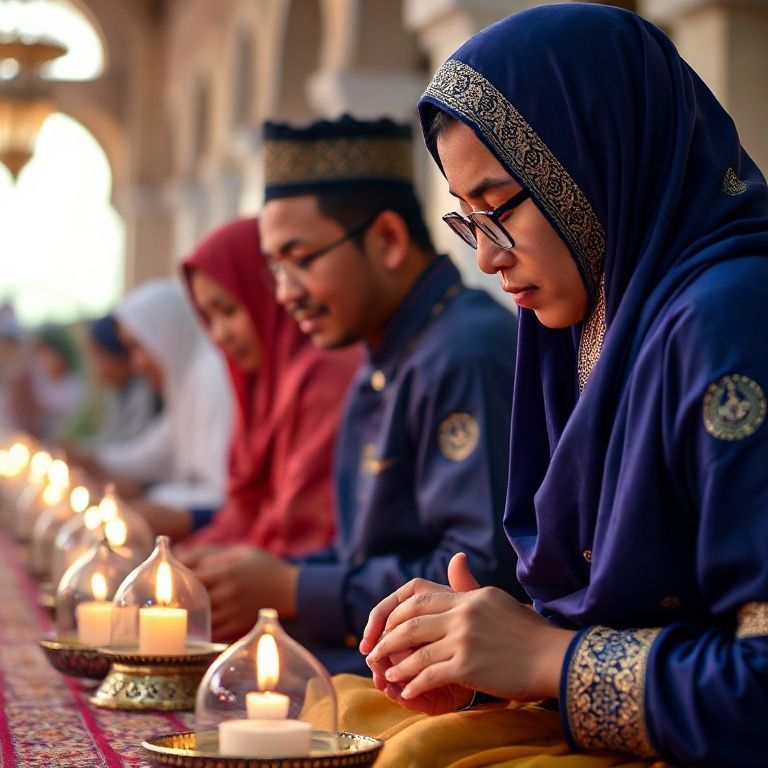
The most significant way to mark the beginning of the celebration is through the communal Eid prayer. Performed in large open spaces called Musallas or in mosques, this prayer signifies equality. Men, women, and children stand side-by-side, erasing social and economic hierarchies before the Creator. The rhythmic movements of the congregation create a powerful sense of unity that sets the tone for the rest of the day.
2. The Act of Zakat al-Fitr
Before the prayers commence, a specific form of charity called Zakat al-Fitr must be given. This is a crucial eid custom designed to ensure that even the most vulnerable members of the community can celebrate with dignity. By providing food or financial aid to the poor, the community ensures that the joy of Eid is truly universal, not limited to those with abundance.
3. Spiritual Reflection and Gratitude
The days leading up to Eid often involve increased dhikr (remembrance of God) and personal reflection. It is a time to ask for forgiveness, reconcile broken relationships, and express gratitude for the strength received during the holy month of fasting.
Festive Rituals: Bringing Families Closer
Once the spiritual obligations are met, the focus shifts toward social cohesion and familial joy. The following traditions are the “glue” that holds families together during this joyous period.
| Tradition Category | Core Objective | Key Elements |
|---|---|---|
| Social Connection | Strengthening ties | Visiting elders, communal feasts |
| Generosity | Spreading happiness | Eidi (gifts), charity, new clothes |
| Cultural Expression | Preserving heritage | Traditional attire, regional cuisines |
4. Dressing Up: The Symbolism of New Clothes
One of the most exciting parts for children—and many adults—is wearing new clothes. This is more than just fashion; it is a symbolic gesture of starting a new chapter and honoring the sanctity of the day. Whether it is a vibrant silk sari, a crisp white thobe, or an embroidered abaya, looking one’s best is a way to show respect for the occasion.
5. The Tradition of Eidi (Gift Giving)
“Eidi” refers to the gifts, often in the form of money, given to children and younger family members. This tradition fosters a sense of excitement and teaches children the value of community and generosity. It is a moment of pure joy where children feel seen and cherished by their elders.
6. Visiting Relatives (Silat al-Rahim)
The concept of “Silat al-Rahim,” or maintaining ties of kinship, is central to Eid. Families spend the day moving from house to house, visiting grandparents, aunts, uncles, and cousins. This ensures that family bonds are refreshed and that the younger generation understands their extended family tree.
7. The Grand Eid Feast
No celebration is complete without food. Every culture has its unique festive menu. From the savory Biryanis of South Asia to the sweet Maamoul of the Levant, the dining table becomes the center of the universe during Eid. These meals are rarely eaten alone; they are communal events that facilitate conversation and connection.
Cultural Diversity in Eid Celebrations
While the religious foundation remains consistent, the eid traditions vary beautifully across different continents. This diversity is a testament to how faith adapts to and enriches local cultures.
8. Middle Eastern Hospitality
In many Arab households, hospitality is taken to an art form. Guests are greeted with Arabic coffee (Gahwa) and dates. The scent of Oud often fills the air, creating a sensory experience that is quintessentially Middle Eastern.
9. South Asian Vibrancy
In countries like Pakistan, India, and Bangladesh, Eid is a spectacle of color. Mehendi (henna) designs on hands, the intense aromas of Sheer Khurma, and the gathering of large extended families in courtyard settings are common sights.
10. Southeast Asian Festivity
In Indonesia and Malaysia, Eid al-Fitr (known as Hari Raya Puasa) involves “Mudik,” a massive tradition where people travel back to their hometowns to seek forgiveness from parents and elders. It is one of the largest annual human migrations in the world.
11. African Rhythms and Resilience
In many African nations, Eid is accompanied by traditional music and communal dances. The emphasis is often on the rhythm of the community, celebrating the collective strength and the joy of the harvest/season.
12. More Ways to Celebrate: Modern and Ancient Customs
Beyond the major pillars, smaller customs add layers of meaning to the celebration:
- 12. Communal Prayer in Public Parks: Creating a sense of shared space and belonging.
- 13. The Use of Fragrances: Using Bakhoor or Attar to sanctify the home.
- 14. Preparing Traditional Sweets in Advance: Making sweets like Maamoul or Knafeh becomes a family activity itself.
- 15. Photo Sessions: Modern families use the occasion to take formal portraits, documenting the growth of their lineage.
- 16. Open Houses: Inviting neighbors, including non-Muslims, to bridge communal divides.
- 17. Giving to Orphans: A specific focus on the marginalized to ensure the joy is shared.
- 18. Storytelling: Elders sharing stories of how Eid was celebrated in previous generations.
The Benefits of Maintaining Eid Traditions
Why do these customs persist despite the rapid pace of modern life? The benefits are multi-dimensional:
- Psychological Well-being: Rituals provide a sense of predictability and comfort in an uncertain world.
- Cultural Identity: For diaspora communities, eid customs are a vital link to their roots and identity.
- Social Cohesion: These traditions break down social barriers and foster community resilience.
- Moral Development: Through Zakat and Eidi, children learn the value of empathy and generosity.
Expert Tips for a Meaningful Eid
By a Cultural Historian and Community Leader:
“To make Eid truly meaningful, focus on the ‘why’ behind the ‘what.’ Instead of just giving gifts, explain to your children the importance of sharing. Use this time to mend relationships that may have frayed during the year. The magic of Eid isn’t in the grandeur of the party, but in the sincerity of the connection.”
Common Mistakes to Avoid During Eid
While the goal is joy, sometimes the pressure of the holiday can lead to stress. Avoid these common pitfalls:
- Over-scheduling: Trying to visit too many people in one day can lead to exhaustion rather than enjoyment.
- Excessive Materialism: While dressing up is part of the tradition, let it not overshadow the spiritual essence of the holiday.
- Neglecting the Spirit of Charity: It is easy to get caught up in spending on new clothes and forget the primary duty of Zakat al-Fitr.
- Comparison Trap: Social media can create a false sense that others are having a “perfect” Eid. Remember, the essence is personal and communal, not performative.
Challenges in Modern Celebrations
In a globalized era, maintaining these traditions faces modern challenges. Urbanization often separates families, making the “visiting relatives” aspect harder to manage. Additionally, the digital age can sometimes lead to “digital presence” replacing “physical presence.” It is essential to strike a balance—using technology to connect with distant family, but prioritizing face-to-face interaction for those nearby.
Conclusion
The eid traditions are far more than just repetitive actions; they are the heartbeat of a global community. From the solemnity of the morning prayer to the chaotic joy of a family feast, these customs provide a framework for gratitude, generosity, and connection. By participating in these rituals, we do not just celebrate a holiday; we reaffirm our values and our commitment to one another. As we move forward in an ever-changing world, let us cherish these moments that turn a simple day into a timeless celebration of faith and family.
Frequently Asked Questions (FAQ)
A: Eid al-Fitr celebrates the breaking of the Ramadan fast, while Eid al-Adha commemorates Prophet Ibrahim’s willingness to sacrifice his son as an act of obedience to God.
A: This tradition, known as Eidi, is a way to share the joy of the occasion and teach children about the importance of generosity and receiving blessings.
A: While it is a highly recommended sunnah (tradition) to wear one’s best clothes, it is not a strictly mandatory requirement for the validity of the prayer. It is a customary way to honor the day.
A: It varies wildly by culture! Common examples include Biryani, Sheer Khurma, Maamoul, dates, and various types of savory meat dishes.

Responses