
ramadan traditions: 25 Inspiring Practices That Strengthen Faith

Table of Contents
- The Spiritual Foundation: Why Ramadan Traditions Matter
- 25 Inspiring Ramadan Traditions and Practices
- Comparative Overview of Ramadan Observances
- The Benefits of Engaging in Ramadan Traditions
- Challenges Faced During the Holy Month
- Expert Tips for a Meaningful Ramadan
- Common Mistakes to Avoid
- Conclusion
Ramadan Traditions: 25 Inspiring Practices That Strengthen Faith and Community
For over 1.9 billion people globally, the arrival of the ninth month of the Islamic lunar calendar is not just a change in date, but a profound shift in spiritual energy. Ramadan is a time of introspection, discipline, and profound connection to the Divine. While the core obligation of fasting is universal, the beautiful tapestry of ramadan traditions varies significantly from the bustling streets of Cairo to the quiet suburbs of London or Jakarta.
Understanding these customs offers a window into the diverse ways faith is lived and celebrated. Whether it is the shared laughter over an Iftar meal or the silent, tearful devotion during Tahajjud prayers, these practices serve as a mechanism to recharge the soul. In this guide, we explore 25 inspiring practices that transform this month from a test of endurance into a season of spiritual rebirth.
To understand the broader context of how these cultural expressions fit into global heritage, you can explore various cultural perspectives here. For a technical historical overview of the month, visit Wikipedia.
The Spiritual Foundation: Why Ramadan Traditions Matter
At its core, Ramadan is about “Taqwa”—the conscious awareness of God. The rituals observed during this month are not merely cultural remnants; they are intentional psychological and spiritual tools designed to cultivate patience, gratitude, and empathy. By engaging in specific ramadan customs, practitioners move from the physical realm of hunger and thirst into a metaphysical realm of heightened consciousness.
Statistics suggest that during Ramadan, charitable giving (Zakat and Sadaqah) increases significantly, often by as much as 20-30% in many Muslim-majority countries, highlighting the social impact of these traditions.
25 Inspiring Ramadan Traditions and Practices
To navigate this sacred month, it helps to categorize these traditions into spiritual, social, and physical dimensions. Below is a comprehensive breakdown of how believers enrich their experience.
I. Spiritual & Devotional Practices
- Sawm (Fasting): The cornerstone of the month, abstaining from food, drink, and negative impulses from dawn to sunset.
- Taraweeh Prayers: Special nightly prayers performed in congregation, often involving long recitations of the Quran.
- Quran Recitation (Khilwah): Many aim to read the entire Quran at least once during the month.
- Tahajjud: The practice of waking up in the last third of the night for voluntary, intense prayer and supplication.
- Dhikr (Remembrance): Constant, repetitive remembrance of God through the tongue to maintain spiritual presence.
- Istighfar: Seeking forgiveness, which helps cleanse the heart of past mistakes.
- Qiyam-ul-Layl: Long standing in prayer, creating a deep sense of intimacy with the Creator.
- Dua (Supplication): Personal, heartfelt conversations with God, especially during the “Golden Hours” before dawn.
II. Communal and Social Customs
The social aspect of Ramadan is what many cherish most. It turns a solitary act of fasting into a massive community event.
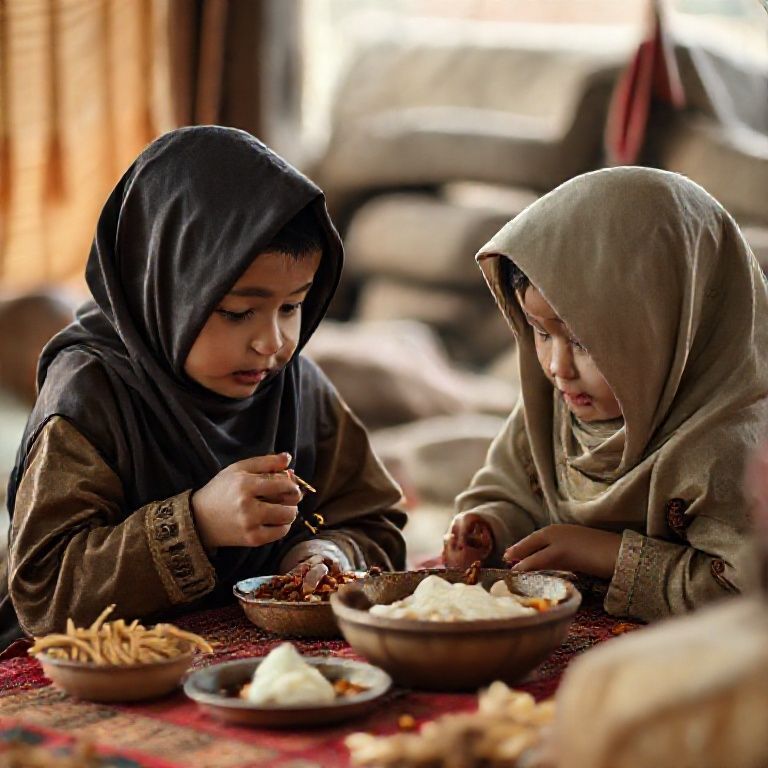
- Iftar Gatherings: Breaking the fast together, often with extended family and neighbors, fostering social cohesion.
- Suhoor (Pre-dawn Meal): A communal or family meal eaten before the morning prayer to prepare for the day.
- Eid al-Fitr Preparation: The bustling activities in markets to prepare for the celebration marking the end of the fast.
- Community Soup Kitchens: Many mosques organize large-scale food distributions for the less fortunate.
- The “Ramadan Lanterns” (Fanous): A tradition particularly vibrant in Egypt, used to decorate streets and homes.
- Gift Giving: Exchanging small tokens of appreciation with family and friends.
- Visiting Relatives: Reconnecting with elders and distant kin to mend relationships and strengthen family ties.
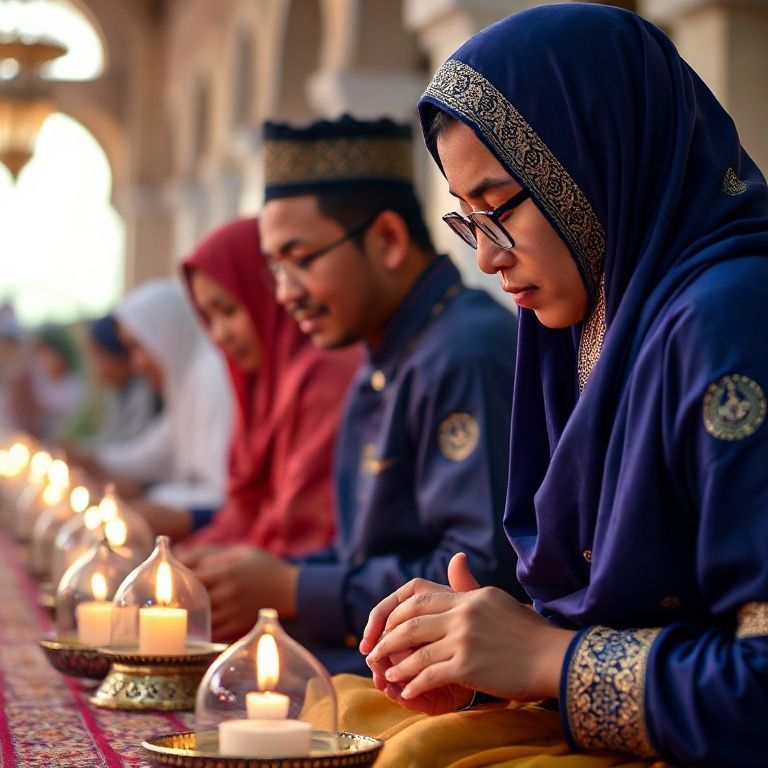
- Mass Congregational Prayers: The mosque becomes a community hub, where people from all walks of life stand shoulder-to-shoulder.
III. Charity and Ethical Practices
Ramadan is a period of radical empathy. The following practices focus on the “human” element of the faith:
- Zakat al-Fitr: A mandatory charity given before the Eid prayer to ensure even the poorest can celebrate.
- Sadaqah (Voluntary Charity): Going beyond the obligatory to help others.
- Fast of the Tongue: Avoiding gossip, lying, and harsh speech—a “spiritual fast.”
- Conflict Resolution: Using the month as a deadline to settle debts and forgive enemies.
- Mentorship: Older community members guiding youth in the rituals of the month.
- Hospitality (Karam): Opening homes to travelers and guests, regardless of their background.
- Self-Reflection (Muhasaba): A daily audit of one’s actions and intentions.
Note: While these traditions are widely observed, the specific way they are executed depends heavily on local geography and history.
Comparative Overview of Ramadan Observances
Because ramadan traditions vary by region, the table below highlights how common elements might look different across the globe.
| Aspect | Middle East (e.g., Egypt/Levant) | Southeast Asia (e.g., Indonesia/Malaysia) | South Asia (e.g., Pakistan/India) |
|---|---|---|---|
| Iconic Symbol | Fanous (Lanterns) | Bedug (Large drums) | Special communal gatherings |
| Food Focus | Dates, soups, and hearty stews | Kolak, Takjil, and rice dishes | Samosas, Pakoras, and heavy sweets |
| Social Focus | Street festivities and markets | Mudik (Returning to hometowns) | Family gathering for Iftar |
The Benefits of Engaging in Ramadan Traditions
Why do millions continue these practices year after year? The benefits extend beyond the spiritual into the psychological and physical realms.
1. Spiritual Rejuvenation
The primary benefit is the “reset” button. After a year of worldly distractions, the discipline of Ramadan allows an individual to re-align their life with their core values and purpose.
2. Psychological Mindfulness
The intentionality required during Ramadan—watching what you eat, what you say, and how you treat others—is a form of extreme mindfulness. This practice can lead to better emotional regulation and impulse control in daily life.
3. Social Cohesion
The shared experience of hunger and the shared joy of breaking the fast create a powerful sense of belonging. It bridges the gap between the wealthy and the poor, as both are equally bound by the same rules of fasting.
4. Physical Discipline
Intermittent fasting, which is the biological basis of Sawm, has been widely studied for its benefits in metabolic health, cellular autophagy, and brain health.
Challenges Faced During the Holy Month
Despite the beauty, the month presents significant challenges that practitioners must navigate:
- Physical Fatigue: Managing work or school schedules while fasting requires immense discipline and can lead to energy dips.
- Spiritual Slump: The “mid-month blues” can occur where the initial excitement fades and the fatigue sets in.
- Social Pressure: In non-Muslim majority societies, explaining dietary restrictions or the need for sleep can be mentally taxing.
- The “Overindulgence” Trap: A common struggle is the tendency to overeat during Iftar, which negates the physical discipline of the fast.
Expert Tips for a Meaningful Ramadan
Drawing from the experiences of scholars and community leaders, here are ways to maximize the benefits of the month:
- Plan Your Meals: Focus on complex carbohydrates and high-fiber foods for Suhoor to ensure sustained energy throughout the day.
- Small, Consistent Goals: Instead of trying to read 10 pages of Quran a day and failing, aim for 2 pages and be consistent. Consistency is more beloved by God than intensity.
- Prioritize Sleep: Try to sleep immediately after Isha prayers to maximize your time for Tahajjud or rest before Suhoor.
- Digital Detox: Use the month to limit social media usage. If you are fasting from food, you should also “fast” from the negativity of the digital world.
Common Mistakes to Avoid
To ensure your ramadan traditions remain a source of light rather than stress, avoid these pitfalls:
- Focusing Only on Food: If your Ramadan consists only of deciding what to eat at Iftar, you have missed the spiritual essence.
- Extreme Exhaustion: While devotion is key, neglecting your health or sleep to an extent that impairs your ability to function is not the goal.
- Judgementalism: It is easy to judge others who may not be fasting or who are fasting “imperfectly.” Ramadan is a time for mercy, not judgment.
- 나Ignoring the “Quiet” Charity: Charity isn’t just about money; it is about a smile, a kind word, or helping a neighbor.
Conclusion
Ramadan is much more than a period of abstinence; it is a masterclass in self-discipline, compassion, and spiritual connection. Through various ramadan traditions, believers find a way to navigate the complexities of modern life by returning to the fundamentals of human empathy and divine devotion. Whether through the rhythmic call of the Taraweeh prayers or the quiet warmth of a shared meal, these practices weave a thread of continuity that connects generations and continents.
By approaching the month with intention, balance, and an open heart, one can transform these ancient ramadan customs into a powerful catalyst for personal and communal growth.
Frequently Asked Questions (FAQ)
Q: Is it okay to take a nap during the day during Ramadan?
A: Yes, many people find that a short “power nap” can help manage fatigue, provided it doesn’t interfere with prayer times or religious obligations.
Q: How can I stay motivated to fast?
A: Focus on the “why” rather than the “how.” Remind yourself of the spiritual rewards and the intention (niyyah) you set at the beginning of the month.
Q: What is the significance of the date of Ramadan?
A: Ramadan follows the lunar calendar, meaning it shifts approximately 10-11 days earlier each year in the solar calendar. This ensures it rotates through all seasons and climatic conditions.
Q: What should I eat for Suhoor to maintain energy?
A: Focus on slow-release energy foods like oats, eggs, avocados, whole grains, and plenty of water to stay hydrated.





Responses