
winter solstice traditions: 18 Ancient Rituals That Still Matter Today

Table of Contents
- The Science and Symbolism of the Longest Night
- 18 Ancient and Modern Winter Solstice Traditions
- Comparison of Solstice Celebrations
- The Benefits of Observing Winter Solstice Traditions
- Challenges of Modern Solstice Observance
- Expert Tips for Celebrating Today
- Common Mistakes to Avoid
- Conclusion
- Frequently Asked Questions (FAQ)
Winter Solstice Traditions: 18 Ancient Rituals That Still Matter Today
As the days grow shorter and the frost settles deep into the earth, a profound stillness descends upon the world. This is the season of the shortest day and the longest night—the Winter Solstice. While modern life often moves at a breakneck speed, mediated by glowing screens and frantic schedules, there is an ancient rhythm to our existence that we cannot escape. For millennia, humanity has looked to the stars and the turning of the seasons to find meaning, grounding themselves in the cyclical nature of light and dark.
The Winter Solstice is more than just an astronomical event; it is a cosmic pivot point. Whether you refer to it as Yule, Midwinter, or simply the longest night, the concept remains universal. Exploring winter solstice traditions allows us to reconnect with our ancestors and find a sense of continuity in an ever-changing world. In this comprehensive guide, we will journey through history to uncover 18 ancient rituals that continue to resonate in our modern lives.
By understanding these astronomical phenomena and the cultural responses to them, we gain insight into the very fabric of human spirituality and community. Before we dive into the specific rituals, it is worth noting that these customs often overlap with various cultural movements and religious festivals across the globe.
The Science and Symbolism of the Longest Night
Before exploring the customs, it is essential to understand the “why” behind these ceremonies. The Winter Solstice occurs when a hemisphere’s tilt toward the sun is at its minimum. For those in the Northern Hemisphere, this means the sun is at its lowest declination, resulting in the least amount of solar radiation.
Historically, this was a period of existential dread. For agrarian societies, the survival of the community depended entirely on the return of the sun. If the light did not return, crops would not grow, and the community would perish. Consequently, winter solstice customs were often designed to “call back” the sun or to celebrate the promise of its eventual return. This period represents a liminal space—a threshold between the death of the old year and the birth of the new.
18 Ancient and Modern Winter Solstice Traditions
1. The Lighting of the Yule Log
Perhaps the most recognizable tradition in Northern European cultures is the lighting of the Yule Log. Traditionally, a large piece of wood was burned in the hearth for the entire twelve days of Christmas. It symbolized the return of light and the warmth necessary for life to endure through the winter.
2. Evergreens and the Promise of Life
In many ancient traditions, bringing evergreen branches—such as holly, ivy, or pine—into the home was a way to honor the persistence of life. Even in the dead of winter, these plants remain vibrant, serving as a powerful symbol of hope and resilience against the cold.
3. Candlelight and the Return of the Sun
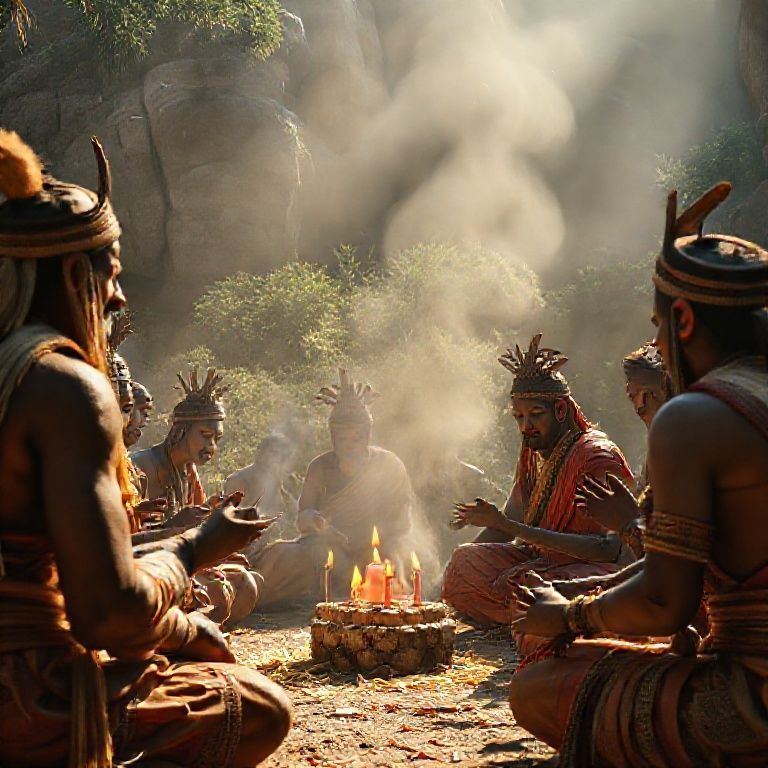
Because the solstice marks the turning point where days begin to lengthen, light is the central theme of most celebrations. Using candles to mark the dark hours was a ritualistic way to “encourage” the sun to return and to provide comfort to the household during the long nights.
4. The Midwinter Feast
Feasting has always been a cornerstone of human celebration. During the solstice, communities would gather to consume calorie-dense foods—meats, root vegetables, and spiced ales—to prepare for the physical challenges of the coming winter and to celebrate the bounty of the previous harvest.
5. Animal Sacrifices and Offerings
In ancient Germanic and Norse traditions, sacrifices were sometimes made to the gods to ensure a favorable spring. While modern interpretations are far more symbolic, the concept of “offering something of value” to the universe remains a common theme.
6. Communal Bonfires
Large, outdoor fires were used to drive away evil spirits and to mimic the sun’s energy. These bonfires served as community hubs, bringing people together in shared warmth and shared purpose.
7. The Reversal of Roles (The Lord of Misrule)
Many traditions involved a period of “ordered chaos.” During festivals like Saturnalia or Yule, social hierarchies were often temporarily flipped. This served as a psychological release, allowing people to vent social tensions through ritualized play and humor.
8. Gift Giving and Reciprocity
The exchange of gifts during the solstice period was not merely about material goods. It was about maintaining social cohesion and honoring the bonds between family, friends, and neighbors.
9. Divination and Looking Forward
The solstice is a threshold, making it a potent time for divination. Ancient peoples would use various methods to predict the success of the coming year’s harvest, seeking guidance from the “wisdom” of the season.10. Water Rituals and Purification
In some cultures, winter solstice involved ritual bathing or the use of sacred waters to cleanse the soul for the upcoming year. This symbolizes the washing away of the “old self” to make room for the new light.
11. Fasting and Reflection
While some celebrated with feasts, others used the darkest time of the year for introspective fasting. This period of silence and stillness allowed for deep spiritual work and preparation for the rebirth of the year.
12. Singing and Chanting
Sound has a powerful resonant quality. Communal singing and rhythmic chanting were used to raise the energy of a group and to create a sense of unity during long, dark ceremonies.
13. The Celebration of Light Festivals (Diwali/Hanukkah parallels)
While distinct, many cultures have festivals centered on light during the darkest periods. These rituals emphasize the triumph of light over darkness and knowledge over ignorance.
14. Tree Decorating
The evolution of the Christmas tree can be traced back to various winter solstice traditions where trees were decorated to represent the World Tree (Yggdrasil) or the eternal life of nature.
15. Observing the Solstice Sunrise
For many, the most profound way to experience the solstice is to witness the exact moment the sun reaches its lowest point and begins its ascent. This is a moment of profound connection to the cosmic cycle.
16. Storytelling and Oral Traditions
Winter is the season of staying indoors. This made it the perfect time for elders to pass down myths, legends, and family histories, ensuring that the wisdom of the past survives the winter chill.
17. Symbolic Rebirth and New Beginnings
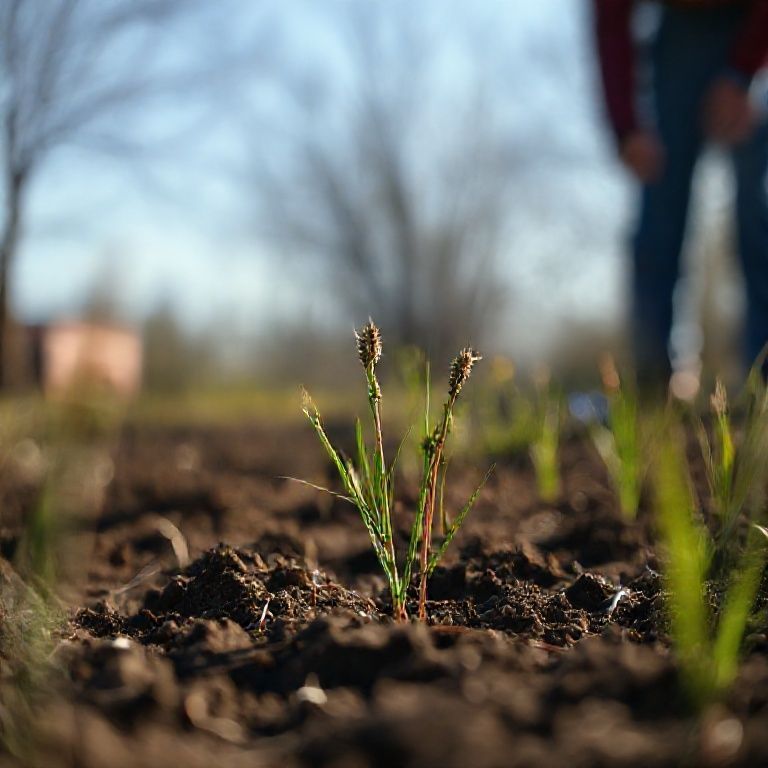
Many rituals focus on “planting seeds” (literally or metaphorically) to represent the intentions one wishes to see flourish in the coming spring.
18. Communal Dancing
Dance is a universal human language. Dancing during the solstice was a way to physically manifest joy and to honor the vital force of life that persists even in the coldest months.
Comparison of Solstice Celebrations
The following table compares how different cultures have approached the solstice through various themes.
| Tradition/Culture | Primary Symbolism | Core Activity |
|---|---|---|
| Norse/Germanic | Light, Rebirth, Warmth | Yule Log, Feasting |
| Roman (Saturnalia) | Social Inversion, Joy | Feasting, Gift-giving |
| Modern Pagans | Nature, Cycles, Rebirth | Ritual Circles, Nature Walks |
| Christianity | The Birth of Light/Christ | Christmas, Advent |
| General Folk Traditions | Community, Continuity | Evergreens, Candles |
The Benefits of Observing Winter Solstice Traditions
Engaging with winter solstice traditions in a modern context offers several psychological and social benefits:
- Psychological Grounding: Rituals provide a sense of structure and predictability during times of change.
- Community Connection: Shared celebrations foster social bonds and combat the isolation often felt during winter.
- Mindfulness: These traditions encourage us to slow down and observe the natural world.
- Sense of Continuity: Connecting with ancient customs reminds us that we are part of a much larger human story.
Challenges of Modern Solstice Observance
While the benefits are plentiful, observing these customs today comes with specific challenges:
- Commercialization: The transformation of spiritual or seasonal rituals into consumerist events can strip them of their original meaning.
- Time Constraints: The fast-paced nature of modern life makes it difficult to dedicate the time required for meaningful ritual.
- Cultural Appropriation vs. Appreciation: Navigating the fine line between honoring an ancient culture and appropriating it requires care and research.
Expert Tips for Celebrating Today
As a practitioner of mindful living, I recommend the following approaches to honoring the solstice:
- Keep it Simple: You don’t need an elaborate feast. A single candle and a quiet moment of reflection are enough.
- Focus on Intentions: Instead of just “celebrating,” use the solstice to set intentions for the coming spring.
- Connect with Nature: Even a short walk in the crisp winter air can help you feel the seasonal shift.
- Prioritize Rest: Remember that the solstice is a time of stillness. Use it as an excuse to prioritize sleep and recovery.
Common Mistakes to Avoid
To ensure your experience is meaningful rather than performative, avoid these pitfalls:
- Forcing “Joy”: The solstice is a quiet time. Don’t feel pressured to have a massive party if you actually need rest.
- Over-consumption: Avoid letting the seasonal celebrations become purely about buying things. Focus on the meaning.
- Ignoring the “Dark” Side: Many people focus only on the “return of light.” Don’t forget to honor the darkness and the necessity of rest/winter.
Conclusion
The winter solstice traditions we observe today are the echoes of voices that have spoken for thousands of years. Whether it is through the flicker of a candle, the scent of pine, or the warmth of a shared meal, these winter solstice customs allow us to pause and acknowledge the magnificent, cyclical dance of the universe. By embracing these rituals, we don’t just observe the change in seasons; we acknowledge our own capacity for renewal, resilience, and the enduring power of light.
Frequently Asked Questions (FAQ)
When exactly is the Winter Solstice?
The date varies slightly each year due to the leap year cycle, but it typically falls on December 21 or 22 in the Northern Hemisphere.
Is the Winter Solstice a religious holiday?
It is not a single religious holiday, but rather an astronomical event that is celebrated by various religions and spiritual paths in different ways (e.g., Yule, Saturnalia, or Christian Christmas).
Can I celebrate the solstice without being religious?
Absolutely. Many people celebrate the solstice as a secular event to honor nature, the seasons, and the cycle of life/death/rebirth.
What is the difference between Yule and the Winter Solstice?
The Winter Solstice is the astronomical event (the shortest day), while Yule is the cultural/religious celebration traditionally associated with it.





Responses