
wedding traditions around the world: 25 Amazing Customs That Will Surprise You

Table of Contents
- The Deep Cultural Significance of Marriage Rituals
- Fascinating Wedding Traditions: Asia
- Enchanting Traditions: Europe and the Mediterranean
- Vibrant Rites: Africa and the Middle East
- Unique Customs: The Americas and Oceania
- Additional Global Highlights
- Summary Comparison of Wedding Elements
- Benefits of Incorporating Diverse Traditions
- Challenges of Multicultural Weddings
- Expert Tips for a Seamless Multicultural Wedding
- Common Mistakes to Avoid
- Conclusion
- Frequently Asked Questions (FAQ)
Wedding Traditions Around the World: 25 Amazing Customs That Will Surprise You
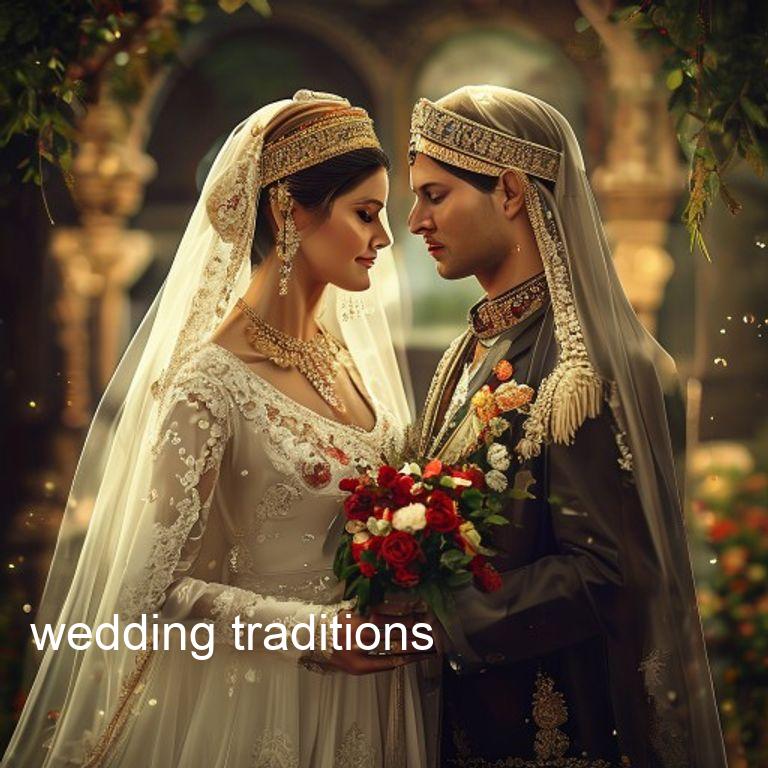
Love is a universal language, but the way we express it is beautifully, wildly, and profoundly diverse. While modern weddings often gravitate toward white dresses, tiered cakes, and champagne toasts, these are merely the tip of a much larger cultural iceberg. For centuries, humanity has used marriage rituals to bind families, appease deities, and mark the transition into a new stage of life.
Exploring wedding traditions around the world is like embarking on a global tour of human emotion. From the fiery ceremonies of India to the quiet, soulful tea rituals in China, every custom tells a story of heritage and identity. Whether you are planning a multicultural wedding or are simply a curious traveler, understanding these customs offers a window into the soul of different civilizations.
In this comprehensive guide, we will dive deep into 25 extraordinary customs, categorized by region, to uncover how different cultures celebrate the union of two souls. We will also examine the cultural significance behind these acts and provide expert insights on navigating multicultural celebrations.
The Deep Cultural Significance of Marriage Rituals
Before we dive into the list, it is essential to understand why these rituals persist. According to sociological studies, weddings serve as “rites of passage.” They aren’t just parties; they are social contracts that signify the merging of two lineages. In many traditional societies, marriage is viewed as a communal event rather than a private agreement between two individuals.
When we look at world wedding traditions, we see recurring themes: protection from evil spirits, the symbolism of fire or water, and the importance of family blessings. Even as globalization makes weddings look more similar, these core elements remain the heartbeat of the ceremony.
If you are interested in exploring how these celebrations impact societal structures, you can find more deep dives into cultural studies in our culture section.
Fascinating Wedding Traditions: Asia
Asia offers some of the most vibrant and visually stunning wedding ceremonies in existence. These rituals are often steeped in thousands of years of religious and philosophical tradition.
1. The Henna Night (Mehendi) – India and Middle East
In many Indian and Middle Eastern weddings, the bride undergoes a “Henna Night.” Intricate patterns of henna are applied to the bride’s hands and feet. It is believed to bring good luck and symbolizes the strength of the bond between the couple. In some traditions, the complexity of the design is said to predict how much the husband will love his wife!
2. The Tea Ceremony – China
In Chinese culture, the tea ceremony is a pivotal moment. It is a formal way for the couple to show respect to their parents and elders. By serving tea to their elders, the couple signifies their gratitude and their commitment to caring for their new family members.
3. The Red Saree – India
While Westerners often opt for white, Indian brides traditionally wear red. In Hindu culture, red symbolizes prosperity, fertility, and passion. It is a color that celebrates the new beginning of the bride’s life.
4. Red Envelopes (Hongbao) – China
Instead of traditional gift registries, Chinese guests often give “Hongbao”—red envelopes filled with cash. The color red is thought to ward off evil spirits and bring luck to the newlyweds.
5. The Joss Stick Ceremony – Vietnam
In Vietnamese weddings, ancestors are honored. The couple performs rituals involving incense (joss sticks) to inform their ancestors of the upcoming union, ensuring the spirits bless the marriage.
Enchanting Traditions: Europe and the Mediterranean
European traditions often blend ancient pagan customs with religious solemnity, resulting in a rich tapestry of celebration.
6. Breaking the Glass – Jewish Traditions
At the end of a Jewish wedding ceremony, the groom breaks a glass with his foot. This ritual is a reminder of the destruction of the Temple in Jerusalem, signifying that even in moments of great joy, there is sadness in the world and a need for repair (Tikkun Olam).
For a broader overview of various cultural celebrations, you can consult the detailed archives on wedding customs by culture on Wikipedia.
7. Throwing Rice – Various European Cultures
The act of throwing rice (or wheat) over the bride and groom is an ancient fertility ritual. It represents the hope that the couple will be blessed with many children and a bountiful life.
8. The “Lace” Tradition – France
Historically, French weddings placed heavy emphasis on the “trousseau”—a collection of linens and clothes prepared by the bride before marriage, signifying her readiness to manage a household.
9. The Cutting of the Cake – United Kingdom
While now a global phenomenon, the tiered wedding cake has roots in British traditions. Once, small cakes were broken over the bride’s head to ensure fertility, a practice that evolved into the elegant slicing ceremonies we see today.
10. Polterabend – Germany
In a quirky German tradition called Polterabend, guests break porcelain dishes outside the couple’s home. The couple must sweep up the shards together. This symbolizes their ability to work together to overcome life’s messes.
Vibrant Rites: Africa and the Middle East
African wedding traditions are incredibly diverse, reflecting the continent’s vast linguistic and ethnic variety.
11. Jumping the Broom – African American Traditions
Rooted in West African traditions, jumping over a broom symbolizes the couple crossing from their old lives into their new life together as a married unit.
12. The Dowry and Bride Price – Various African Nations
In many African cultures, such as the Zulu or Yoruba, the exchange of gifts (bride price) between families is essential. This is not a “purchase” of a bride, but a symbolic gesture to strengthen the bond between the two families.
13. Henna for the Bride – North Africa
Similar to India, North African weddings (like those in Morocco) feature intensive henna ceremonies. The patterns often tell a story of the bride’s transition into womanhood.
14. Gold Jewelry – Middle Eastern Traditions
In many Middle Eastern cultures, the groom provides the bride with gold (Mahr). This serves as a financial security measure for the wife, ensuring she has personal assets regardless of the marriage’s outcome.
15. The Zaffe – Lebanon and Egypt
The Zaffe is a grand musical procession. Drummers and dancers lead the couple into the reception, creating an energetic and joyous atmosphere that signals the start of the celebration.
Unique Customs: The Americas and Oceania
From the mountains of Mexico to the islands of Polynesia, the Americas and Oceania offer unique perspectives on matrimony.
16. Las Arras (The Wedding Coins) – Mexico/Latin America
The groom gives the bride 13 gold coins (arras). These represent the commitment to provide for the household and the shared wealth of the future family.
17. Handfasting – Celtic/Scottish Traditions
This ancient ritual involves binding the hands of the couple together with ribbons or cords. This is the origin of the phrase “tying the knot.”
18. The Mariachi Band – Mexico
No Mexican wedding is complete without the vibrant sounds of a Mariachi band, which brings a sense of community and celebration to the festivities.
19. Māori Wedding Rituals – New Zealand
Māori weddings often involve a “Pōwhiri,” a formal welcoming ceremony that integrates the two families and signifies the respect between them.
20. The Haka – Pacific Islands
While often associated with rugby, the Haka is also used in weddings in some Pacific cultures to demonstrate strength, unity, and the warrior spirit of the families joining together.
Additional Global Highlights
To round out our exploration of wedding traditions around the world, let’s look at a few more specific customs:
- 21. Feet Washing (Various Christian/Middle Eastern traditions): Symbolizing humility and service to one another.
- 22. Garland Exchange (South Asia): The exchange of flower garlands signifies acceptance of one another.
- 23. The Sash (Eastern Europe): In some Slavic traditions, a sash is used to bind the couple during the ceremony.
- 24. Umbrella Rituals (East Asia): An elder might hold a red umbrella over the bride to protect her from evil spirits during her walk.
25. The Seven Blessings (Jewish tradition): Seven prayers recited over the couple under the Chuppah.
Summary Comparison of Wedding Elements
| Region | Common Symbolism | Key Custom Example |
|---|---|---|
| Asia | Prosperity & Respect | Tea Ceremony (China) |
| Europe | Luck & Continuity | Breaking Glass (Jewish) |
| Middle East | Family Unity & Security | Zaffe (Procession) |
| Africa | Lineage & Community | Bride Price / Dowry |
| Americas | Protection & Tradition | Las Arras (Coins) |
Benefits of Incorporating Diverse Traditions
Why should modern couples consider looking into world wedding traditions for their own big day? There are several significant benefits:
- Emotional Depth: Traditional rituals often carry more weight and historical meaning than modern, purely aesthetic elements.
- Family Inclusion: Many cultural customs are designed specifically to bring families together, fostering unity.
- Uniqueness: Incorporating a specific custom makes your wedding stand out and feel deeply personal.
- Cultural Preservation: Celebrating these traditions ensures that your heritage is passed down to the next generation.
Challenges of Multicultural Weddings
While beautiful, planning a wedding that combines different world wedding traditions can present challenges:
- Scheduling Conflicts: Some traditions occur at specific times of the day or night (e.g., Hindu weddings often follow astrological timings).
- Logistical Complexity: Coordinating different catering needs, attire, and ceremony styles can be overwhelming.
- Conflicting Rituals: Occasionally, two traditions may have contradictory symbolic meanings or requirements.
Expert Tips for a Seamless Multicultural Wedding
As an expert in cultural celebrations, I recommend the following to ensure your day is harmonious:
- Communication is Key: Talk to both families early in the planning process to understand what rituals are non-negotiable.
- Prioritize the “Why”: If a tradition feels difficult to implement, focus on the *meaning* behind it rather than the exact technical execution.
- Hire a Culturally Competent Planner: A professional who understands the nuances of different religions and ethnicities can prevent many headaches.
- Inform Your Guests: If you are performing a ritual that may seem unusual to your guests (like breaking glass or jumping broom), include a small note in the program explaining its significance.
Common Mistakes to Avoid
Even with the best intentions, mistakes can happen when navigating diverse customs:
- Cultural Appropriation vs. Appreciation: Avoid using sacred religious symbols as “decor” without understanding their spiritual weight.
- Overwhelming the Schedule: Trying to fit too many rituals into one ceremony can make the event feel rushed and lose its sanctity.
- Ignoring the Guests: Ensure that while you celebrate your heritage, you also make your guests feel included and comfortable.
Conclusion
Wedding traditions around the world serve as a beautiful reminder that despite our differences, we all share the same fundamental hopes: love, companionship, and the desire for a prosperous future. Whether through the pouring of tea, the breaking of glass, or the dancing of the Zaffe, these rituals transform a simple contract into a sacred milestone.
By understanding and respecting these diverse customs, we don’t just celebrate a union of two people—we celebrate the rich, colorful tapestry of human existence.
Frequently Asked Questions (FAQ)
Is it okay to mix traditions from different cultures?
Absolutely! Many modern couples choose to blend traditions to represent their unique heritage. The key is to do so with respect and intention.
How do I explain complex traditions to my guests?
The best way is through a printed ceremony program. A short sentence explaining the “meaning” of a ritual can turn confusion into a moment of shared connection.
What are some easy ways to incorporate culture into a modern wedding?
You don’t have to change the whole ceremony. You can incorporate cultural elements through food, music, colors in the decor, or small ceremonial details like a henna application or specific jewelry.



Responses