
wedding traditions: 30 Beautiful Customs Every Couple Should Know

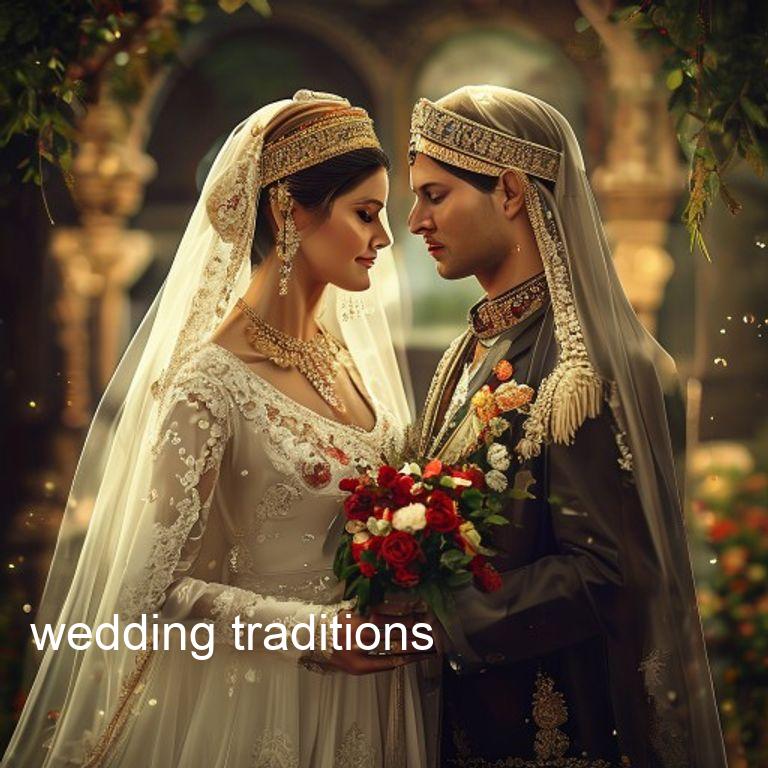
Table of Contents
- Why Wedding Traditions Still Matter in a Modern World
- 30 Beautiful Wedding Traditions from Around the Globe
- Comparative Overview of Global Wedding Rituals
- The Benefits and Challenges of Integrating Traditions
- Expert Tips for Planning a Meaningful Ceremony
- Common Mistakes to Avoid
- Frequently Asked Questions (FAQ)
- Conclusion
Wedding Traditions: 30 Beautiful Customs Every Couple Should Know
Marriage is one of life’s most profound milestones, a sacred bridge between two individuals and two families. While the modern ceremony might involve a destination beach or a minimalist courthouse setting, the essence of a wedding remains rooted in history. From ancient rituals meant to ward off evil spirits to contemporary toasts that celebrate new beginnings, wedding traditions serve as the heartbeat of the celebration.
When we look at the evolution of marriage, we see a tapestry of wedding practices that have survived centuries. These customs are more than just “fun things to do”; they are symbolic gestures that represent commitment, community, and continuity. Whether you are planning your own ceremony or simply a lover of cultural anthropology, understanding these practices adds a layer of depth to the festivities.
In this comprehensive guide, we dive deep into 30 stunning wedding customs from around the globe. By exploring these, you might find a beautiful way to honor your heritage or discover a meaningful new ritual to incorporate into your big day.
Why Wedding Traditions Still Matter in a Modern World
In an era of digital invites and personalized ceremonies, you might wonder: do traditional rituals still hold weight? The answer is a resounding yes. According to recent sociological studies, couples who incorporate meaningful rituals report a higher sense of communal support and emotional grounding during their transition into married life.
Incorporating specific customs provides several benefits for the modern couple:
- Connection to Heritage: It honors your ancestors and the lineage that led to your union.
- Emotional Weight: Rituals act as “anchors,” providing a sense of gravity to the promises being made.
- Community Engagement: Many customs involve the guests, making them feel like active participants rather than mere spectators.
- Storytelling: Every custom has a narrative, making your wedding a living storybook of human connection.
30 Beautiful Wedding Traditions from Around the Globe
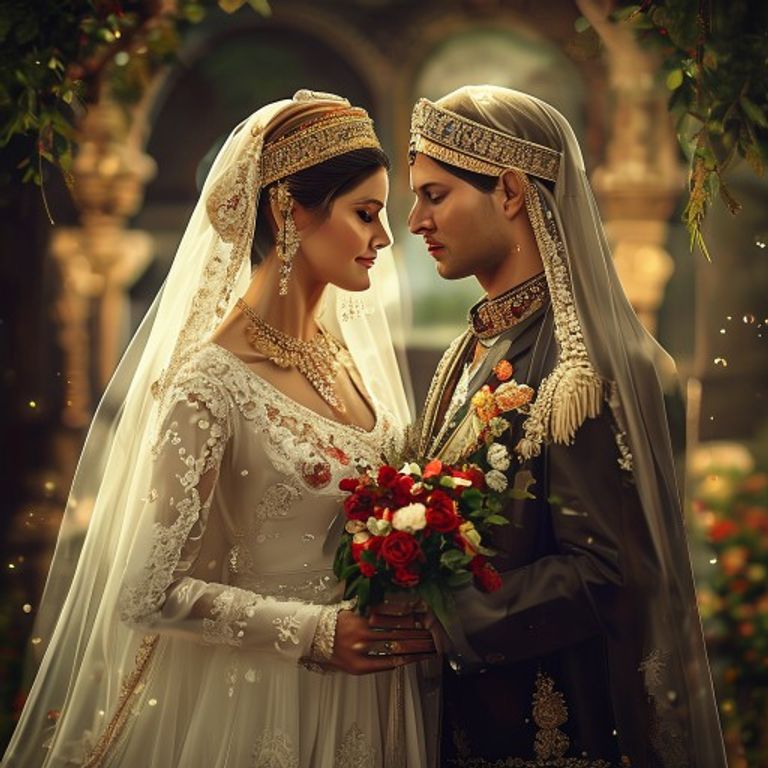
To better understand the diversity of human connection, we have categorized these 30 customs into cultural themes. This ensures a broad overview of how different civilizations approach the concept of union.
Western and European Customs
Western weddings are often the blueprint for modern celebrations in North America and Europe, but even within these “standard” ceremonies, there is immense variety.
- The White Dress: Popularized by Queen Victoria in 1840, the white dress symbolized purity and, historically, the ability of the bride to afford a dress that wouldn’t be worn again.
- Something Old, Something New, Something Borrowed, Something Blue: A Victorian-era rhyme designed to bring good luck to the bride.
- The Ring Exchange: The circular shape represents eternity—no beginning and no end.
- Bridal Bouquet: Originally, herbs and spices were used to ward off bad luck and mask odors.
- The First Dance: Symbolizes the couple’s first steps taken together as a unified team.
- The Wedding Cake: Historically, breaking bread over the bride’s head symbolized fertility.
- Giving Away the Bride: Historically a symbol of protection, now often viewed as a gesture of family support.
- The Toast: A communal ritual of well-wishes that binds the guests to the couple.
Asian Wedding Customs
Asian cultures often place a massive emphasis on family hierarchy and the spiritual union of two lineages rather than just two individuals. For more insights into cultural nuances, visit our culture section.
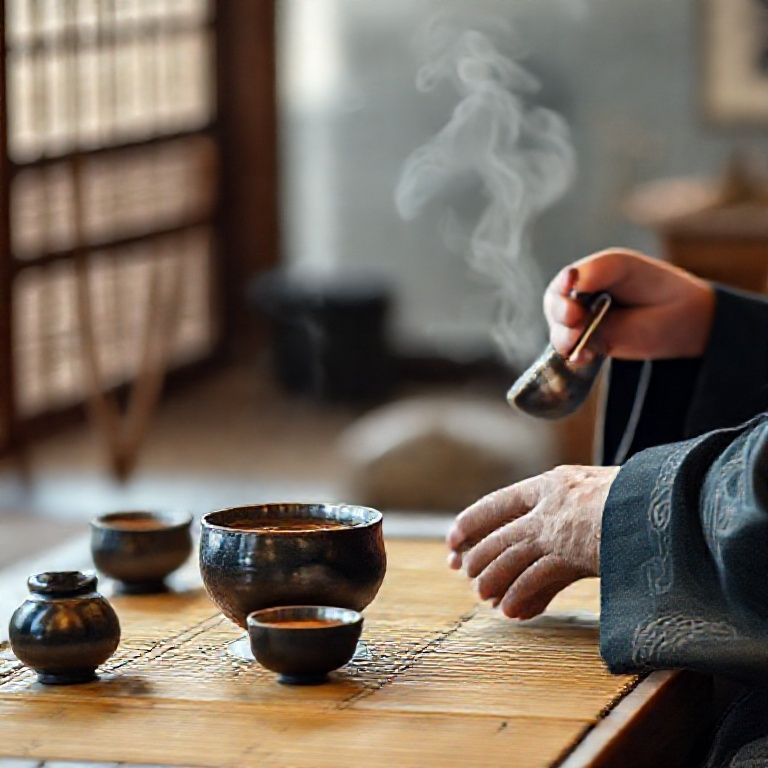
- The Tea Ceremony (Chinese): A vital ritual where the couple serves tea to elders to show respect and gratitude.
- Red Symbolism (China): Red is the color of luck, joy, and prosperity in Chinese weddings.
- Henna/Mehendi (India): Intricate patterns applied to the hands and feet, symbolizing joy and spiritual awakening.
- Saptapadi (Hinduism): The “seven steps” around a sacred fire, each step representing a specific vow (food, strength, prosperity, etc.).
- The Mandap: A four-pillared canopy that represents the universe and the home the couple will build.
- Joota Chupai (India): A playful tradition where the bride’s sisters hide the groom’s shoes for a “ransom.”
- Red Bridal Sari (India): Represents fertility, passion, and the transition to womanhood.
- Korean Paebaek: A ceremony where the couple performs traditional bows to their parents.
- Korean Dates (Jokdurim): Symbolizes the joining of two families through shared food and ceremonies.
African and Middle Eastern Customs
These traditions often focus on the strength of the community and the merging of two distinct tribes or families.
- Lebe (Ethiopia): Elaborate traditional clothing and incense used to bless the union.
- Bridal Dowry/Lobola (Southern Africa):
A significant negotiation involving gifts or livestock to symbolize the joining of two families.
- The Zaffa (Middle East): A musical procession that announces the couple’s arrival with drums and trumpets.
- Henna Night (North Africa/Middle East): A pre-wedding celebration for the bride to relax and receive henna.
- The Nikah (Islamic Tradition): A formal contract between the bride and groom that outlines the rights of both parties.
- Money Dance (Philippines/Latin America): Guests pin money on the couple to help them start their new life.
Indigenous and Other Global Traditions
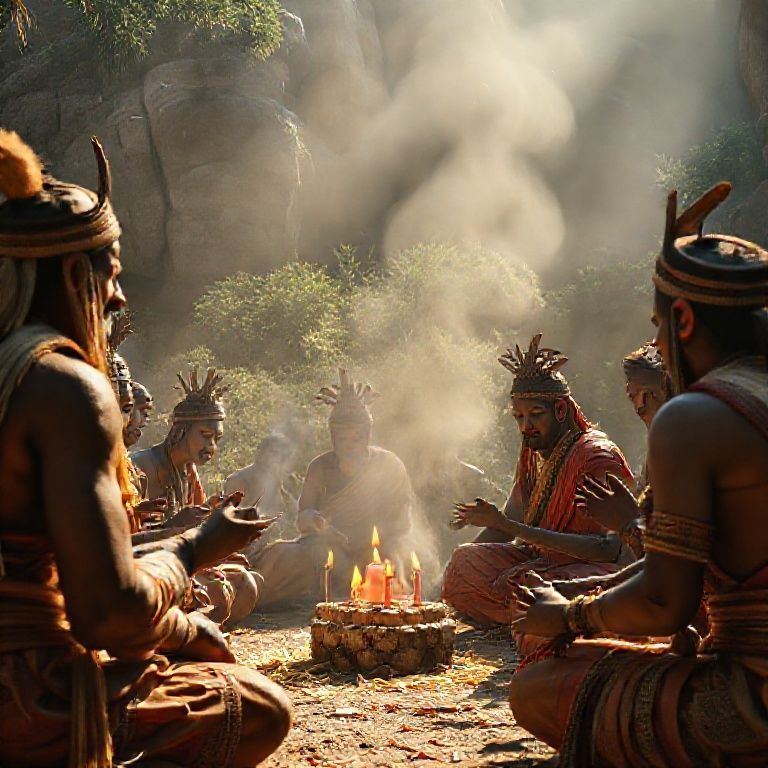
- Handfasting (Celtic/Pagan): The literal “tying of the knot,” where hands are bound with ribbons.
- Unity Candle (Modern Christian): Two individual candles are used to light one single center candle, symbolizing two lives becoming one.
- Jumping the Broom (African American): A tradition representing the couple’s transition into a new home and family.
- Sand Ceremony (Contemporary): Each partner pours different colored sand into a single vessel.
- The Knot (General): Symbolic of the unbreakable bond of marriage.
- Lasso Ceremony (Mexican/Latin): A large rosary or cord is placed over the couple to symbolize protection.
Comparative Overview of Global Wedding Rituals
To help you compare the themes found in these wedding customs, we have created a summary table below.
| Tradition Category | Primary Focus | Key Symbolic Element | Cultural Context |
|---|---|---|---|
| Western | Individual Union/Romance | White Dress / Rings | European/North American |
| South Asian | Spiritual/Familial Bond | Sacred Fire / Henna | Hindu/Sikh Traditions |
| East Asian | Respect for Elders | Tea Ceremony | Chinese/Korean Traditions |
| Middle Eastern | Community Announcement | Music (Zaffa) / Contract | |
| Indigenous/Folk | Unity & Protection | Handfasting / Sand | Celtic/African American |
The Benefits and Challenges of Integrating Traditions
When deciding whether to include specific wedding traditions, couples should weigh the emotional rewards against the logistical complexities.
The Benefits
The primary benefit is the sense of meaning. A wedding without any ritual can sometimes feel like a mere party rather than a rite of passage. Traditions provide a framework for the emotions being felt. Furthermore, for multicultural couples, blending traditions is a powerful way to celebrate both identities, showing that two worlds can coexist harmoniously.
The Challenges
Integration isn’t always seamless. Common challenges include:
- Cultural Appropriation vs. Appreciation: Carefully navigating how to honor a culture that is not your own without it feeling performative.
- Complexity and Timing: Some traditions, like the Saptapadi or a Tea Ceremony, require specific timing and religious leaders, which can complicate a tight wedding schedule.
- Family Expectations: Older generations may have very specific views on how a ceremony “should” look, which can lead to friction during planning.
Expert Tips for Planning a Meaningful Ceremony
As a specialist in cultural events and ceremonies, I suggest the following strategies for couples looking to incorporate traditions:
- Research Deeply: Don’t just copy a ritual you saw on Pinterest. Understand the *why* behind the action. If you don’t know the meaning, the ritual loses its power.
- Consult Elders: If you are honoring your heritage, speak with your parents or grandparents. They can provide nuances that books cannot.
- Keep it Seamless: If you are blending two cultures, try to find a “middle ground” ritual or weave them together so the ceremony feels cohesive rather than disjointed.
- Prioritize Flow: Ensure that the chosen customs don’t make the ceremony feel rushed. Allow time for the gravity of the moment to sink in.
Common Mistakes to Avoid
Even with the best intentions, couples often fall into these traps:
- Overloading the Ceremony: Trying to include too many traditions can result in a ceremony that feels like a checklist rather than a heartfelt union. Pick 1-3 meaningful rituals and do them well.
- Ignoring the Logistics: Forgetting that some traditions require specific items (like colored sand, specific incense, or ceremonial wine) can cause significant stress on the day.
- Performing for Others: Don’t include a tradition just because you feel “obligated.” If it doesn’t resonate with your personal values or faith, it will feel hollow.
Frequently Asked Questions (FAQ)
Can I mix different religious traditions?
Yes! Many modern couples choose to blend traditions. However, it is vital to consult with religious leaders from both backgrounds to ensure that the combination respects the sanctity of both faiths.
Is it “cultural appropriation” to use a tradition from another culture?
It depends on the execution. Using a ritual to honor a partner’s heritage with respect and understanding is appreciation. Using it as a “prop” for aesthetics without understanding its sacred meaning is often viewed as appropriation.
How do I decide which traditions to include?
Start by asking: “Which of these rituals truly speaks to our journey as a couple?” Focus on the traditions that reflect your values, your history, and your vision for the future.
How long do traditional rituals add to a wedding?
Depending on the complexity, a single ritual can add anywhere from 5 to 20 minutes to a ceremony. It is important to account for this in your overall timeline.
Conclusion
At the end of the day, wedding traditions are tools to help us express the inexpressible. They allow us to signal to our families, our friends, and ourselves that our lives are changing in a monumental way. Whether you choose the ancient elegance of a Hindu Mandap, the heartfelt simplicity of a Sand Ceremony, or the classic beauty of a white wedding, the most important element is the intention behind the act.
As you embark on your journey of planning, remember that your wedding is a reflection of your unique love story. Use these customs not as rigid rules, but as a palette of colors to paint a masterpiece that is uniquely yours. Whether traditional or modern, may your celebration be a beautiful testament to the commitment you are making today.


Responses