
 Custome Account type
 Technology and Agriculture: 15 Amazing Innovations Feeding the Future

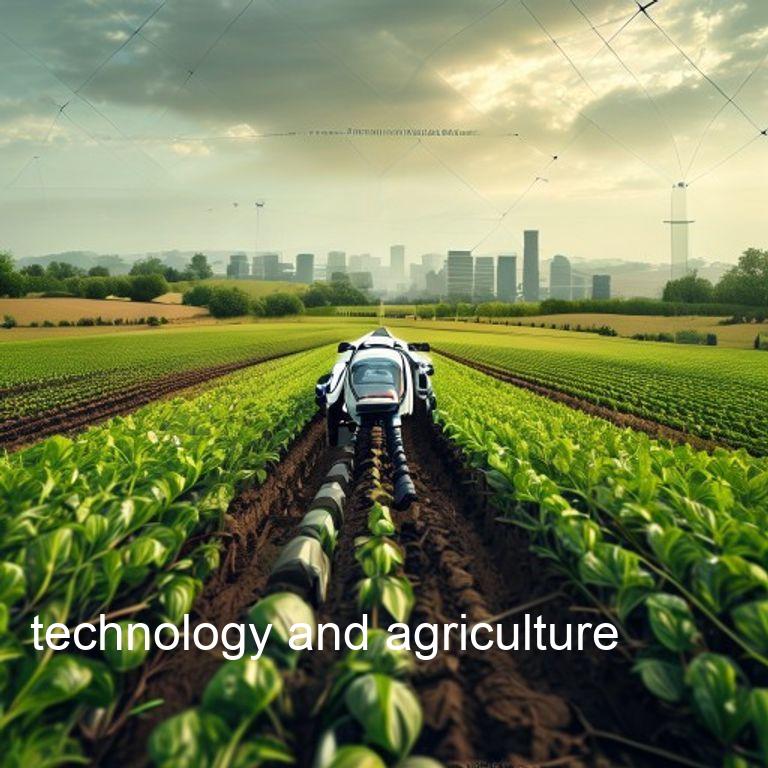
Table of Contents
- The Digital Revolution in the Field: Why Agri Technology Matters
- 15 Innovations Transforming the Agricultural Landscape
- Comparative Overview of Key Technologies
- Benefits of Integrating Technology and Agriculture
- Challenges Facing the Agri-Tech Revolution
- Expert Tips for Adopting New Agricultural Tech
- Common Mistakes to Avoid
- Conclusion: The Future is Growing
- Frequently Asked Questions (FAQ)
Technology and Agriculture: 15 Amazing Innovations Feeding the Future
By the year 2050, the global population is projected to reach nearly 10 billion people. To meet this growing demand, the agricultural sector faces a Herculean task: we must produce more food with less land, less water, and significantly fewer chemical inputs. This is where the intersection of technology and agriculture becomes the most critical frontier of the 21st century.
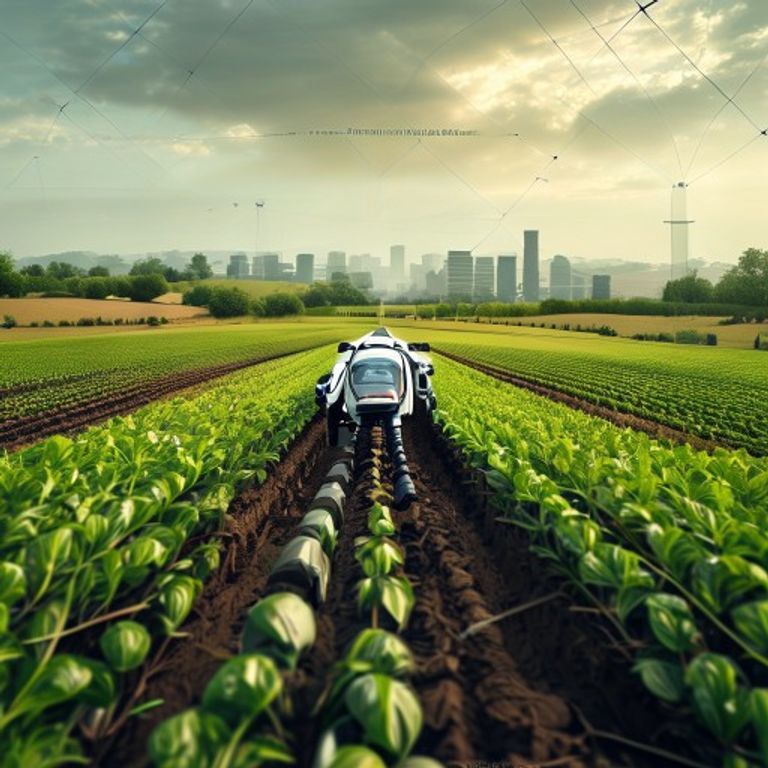
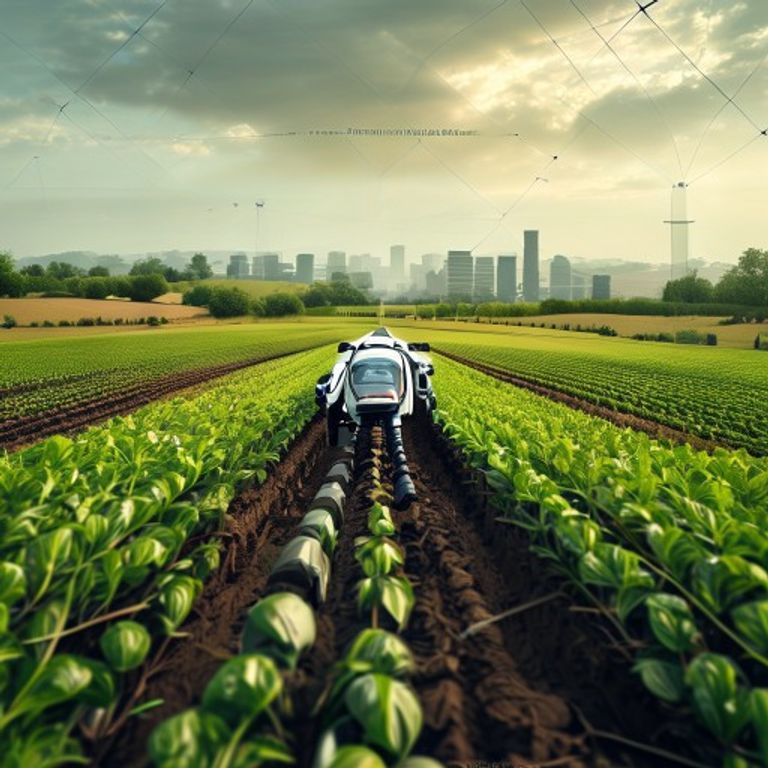
For decades, farming was a game of intuition, weather patterns, and manual labor. While traditional wisdom remains valuable, the sheer scale of modern food demands requires a data-driven approach. The rise of agri technology is transforming the farm from a place of guesswork into a precision-managed ecosystem. From autonomous tractors to satellite-monitored soil health, the digital revolution is ensuring that we can feed the world without destroying the planet.
In this comprehensive guide, we explore 15 groundbreaking innovations that are redefining how we grow, harvest, and distribute food. Whether you are a farmer looking to modernize or a tech enthusiast curious about sustainability, these advancements represent the blueprint for future food security.
The Digital Revolution in the Field: Why Agri Technology Matters
The integration of technology into the food production chain is not just about making things “easier”; it is about efficiency and survival. Traditional farming often relies on “blanket applications”—applying the same amount of water or fertilizer to an entire field regardless of local variations. This leads to waste, runoff, and environmental degradation.
Modern agri technology enables “precision agriculture.” Instead of treating a 100-acre field as a single unit, farmers can now treat every individual plant as a unique data point. This granular approach reduces costs, maximizes yields, and protects local watersheds from nitrogen runoff. As we dive into the specific innovations, keep in mind that the overarching goal is to balance human necessity with ecological stewardship.
15 Innovations Transforming the Agricultural Landscape
1. Precision Agriculture and IoT Sensors
Internet of Things (IoT) sensors are the “nervous system” of the modern farm. These small, inexpensive devices are placed in the soil to monitor moisture, temperature, and nutrient levels in real-time. When combined with precision agriculture techniques, farmers receive alerts on their smartphones telling them exactly when to irrigate, preventing both drought stress and water waste.
2. Autonomous Tractors and Robotics
Labor shortages are a global crisis in the farming industry. Autonomous tractors, powered by GPS and AI, can plow, sow, and harvest crops with centimeter-level accuracy. These machines can work 24/7 without fatigue, ensuring that planting windows are never missed due to labor unavailability.
3. Drones (UAVs) for Crop Monitoring
Drones have moved from being hobbyist toys to essential agricultural tools. Equipped with multispectral cameras, drones can fly over vast acreage to identify “stress zones.” They can detect pest infestations, fungal outbreaks, or dehydration long before the human eye can see them, allowing for localized intervention.
4. Artificial Intelligence (AI) and Machine Learning
AI acts as the brain behind the data. By analyzing years of historical weather patterns, soil data, and yield reports, machine learning algorithms can predict future harvests and suggest the optimal time for planting. AI is also being used in computer vision to identify weeds and spray them specifically, leaving the crops untouched.
5. Vertical Farming and Hydroponics
As urban populations grow, we are running out of arable land near cities. Vertical farming allows us to grow food in stacked layers in controlled indoor environments. Using hydroponics (water-based) or aeroponics (air-based), these systems use up to 95% less water than traditional farming and are completely immune to weather fluctuations.
6. CRISPR and Gene Editing
Genetics is at the heart of food security. Unlike traditional GMOs, CRISPR technology allows scientists to make precise changes to a plant’s DNA to enhance specific traits—such as drought resistance, heat tolerance, or increased vitamin content—without introducing foreign DNA. This is crucial for adapting crops to a changing climate.
7. Satellite Imagery and Remote Sensing
While drones look at individual plants, satellites look at the big picture. High-resolution satellite data helps governments and large-scale producers monitor crop health across entire continents. This data is vital for global food price stability and predicting potential famines before they occur.
8. Automated Harvesting Robots
Harvesting delicate crops like strawberries or citrus fruits has always been a manual, labor-intensive process. New robotic arms equipped with soft-touch grippers and AI vision can identify ripe fruit and pick them gently, significantly reducing post-harvest spoilage.
9. Blockchain for Food Traceability
Ever wonder where your lettuce came from? Blockchain creates an immutable digital ledger of a product’s journey. From the seed to the supermarket shelf, every step is recorded. This is vital for food safety; if a salmonella outbreak occurs, blockchain can trace the contaminated batch back to a specific farm in seconds rather than weeks.
10. Smart Irrigation Systems
Water scarcity is one of the biggest challenges in technology and agriculture. Smart irrigation systems integrate weather forecasts with soil moisture data to automate watering schedules. These systems ensure that crops get exactly what they need, when they need it, preventing the massive wastage common in flood irrigation.
11. Agrivoltaics (Solar + Farming)
Agrivoltaics is the practice of installing solar panels above crops. The panels provide shade for certain plants, reducing evaporation, while the plants help cool the panels through transpiration, making the solar cells more efficient. It’s a win-win for energy and food production.
12. Biopesticides and Biological Controls
Moving away from harsh chemical synthetics, biotechnology is developing biopesticides derived from natural organisms. These are more targeted, meaning they kill the specific pest without harming beneficial insects like bees or damaging the soil microbiome.
13. Controlled Environment Agriculture (CEA)
Beyond vertical farming, CEA encompasses any method where the environment is strictly controlled to optimize plant growth. This includes greenhouses with automated CO2 dosing and LED lighting spectrums tailored to specific crop needs, maximizing growth rates and nutritional density.
14. Big Data Analytics in Supply Chain Management
Agriculture doesn’t end at the harvest. Big data helps optimize the logistics of getting food from the farm to the table. By predicting demand and optimizing shipping routes, technology reduces food waste during transport—a massive contributor to the global carbon footprint.
15. Nanotechnology in Fertilizers
Nano-fertilizers are designed to release nutrients at a much slower, more controlled rate. This prevents the “burst” effect where too much fertilizer is applied at once, much of which is washed away by rain. Nano-tech ensures the nutrients reach the plant roots directly and efficiently.
Comparative Overview of Key Technologies
| Technology | Primary Benefit | Target User | Impact Level |
|---|---|---|---|
| IoT & Sensors | Resource Efficiency | Small to Large Farms | High |
| AI/Machine Learning | Predictive Analytics | Agribusiness/Gov | Very High |
| Drones/UAVs | Rapid Inspection | Large Scale Farms | Medium-High |
| Vertical Farming | Urban Land Optimization | Urban Entrepreneurs | High (Niche) |
| Blockchain | Food Safety/Traceability | Retailers/Distributors | Medium |
Benefits of Integrating Technology and Agriculture
The shift toward high-tech farming offers benefits that transcend simple profit margins. When we look at the big picture, the advantages can be categorized into three main pillars:
- Economic Viability: By reducing the need for manual labor and minimizing wasted inputs (water, seeds, fertilizer), farmers can significantly increase their profit margins and protect themselves against volatile market prices.
- Environmental Sustainability: As mentioned, precision tools allow for less chemical runoff, less water wastage, and better soil preservation. This is essential for meeting global climate goals and protecting biodiversity.
- Food Security: By increasing crop yields and reducing post-harvest losses, technology ensures a more stable and predictable food supply, which is vital for stabilizing global food prices and preventing shortages.
Challenges Facing the Agri-Tech Revolution
Despite the overwhelming benefits, the path to a fully digital agricultural sector is not without obstacles. For many, the transition feels daunting or even impossible.
1. High Initial Capital Expenditure: The upfront cost of autonomous tractors, drone fleets, and IoT sensor networks is substantial. For many smallholder farmers, especially in developing nations, this “digital divide” is a major barrier to entry.
2. Data Privacy and Ownership: As farms become data-driven, questions arise: Who owns the soil data? Does the tractor manufacturer or the farmer own the data generated by the machine? These legal and ethical questions are still being debated.
3. Technical Literacy and Training: Moving from a hoe to a tablet requires a different skill set. There is an urgent need for educational programs to train the next generation of “digital farmers” who are as comfortable with coding as they are with crop rotation.
4. Connectivity Issues: Most advanced agri technology requires a stable internet connection. However, many of the world’s most productive agricultural lands are in remote areas with little to no 4G or 5G coverage.
Expert Tips for Adopting New Agricultural Tech
If you are a producer looking to modernize, do not feel pressured to buy everything at once. Here is how the pros do it:
- Start with “Low-Hanging Fruit”: Begin with technologies that have a high ROI and low complexity, such as soil moisture sensors or simple weather-based irrigation controllers.
- Focus on Interoperability: Before buying a new piece of equipment, ensure it can “talk” to your existing software. You don’t want a farm full of data silos that can’t share information.
- Prioritize Scalability: Invest in modular systems. You might start with one drone, but ensure your data management system can handle a fleet of ten.
- Collaborate and Share Data: Join local cooperatives that share data. Aggregated data from multiple farms is often more useful for training AI models than data from a single plot.
Common Mistakes to Avoid
Avoiding these pitfalls can save you thousands of dollars in wasted investment:
- Over-Automation: Don’t automate a process that isn’t broken. Sometimes, manual observation is still more cost-effective than a sensor if the scale is small.
- Ignoring Soil Health: Technology is a tool to enhance biology, not replace it. Over-reliance on sensors can lead to neglecting the long-term organic health of the soil in favor of immediate nutrient spikes.
- Neglecting Cybersecurity: As farms become part of the “Internet of Things,” they become targets for hacking. Protecting your farm’s digital infrastructure is just as important as protecting your physical silos.
- Data Overload: Collecting data is useless if you don’t have the tools or the knowledge to interpret it. Don’t collect data just for the sake of having it; collect data that leads to actionable decisions.
Conclusion: The Future is Growing
The marriage of technology and agriculture is no longer a futuristic concept; it is a current necessity. While the challenges of cost, connectivity, and complexity are real, the potential rewards—a more stable, sustainable, and abundant food system—are too great to ignore. By embracing agri technology, we are not just making farming more efficient; we are ensuring that we can feed the future without compromising the planet we inhabit.
For more insights into how digital shifts are impacting various sectors, check out our latest updates on technology news. To learn more about global digital initiatives, visit the FAO Digital Agriculture portal.
Frequently Asked Questions (FAQ)
1. Will technology replace farmers?
No. Technology is a tool designed to augment human capability, not replace it. While it may reduce the need for manual labor for repetitive tasks, it creates a new need for highly skilled professionals who can manage complex digital-biological systems.
2. How can small-scale farmers benefit from agri technology?
Even without massive budgets, small farmers can benefit from low-cost innovations like mobile-based weather apps, SMS-based market pricing, and simple soil testing kits. Scaling up technology doesn’t always mean spending millions.
3. Is vertical farming sustainable for everyone?
Vertical farming is highly sustainable for urban areas where land is scarce and food transport costs are high. However, due to the energy requirements for lighting, its sustainability depends heavily on the use of renewable energy sources.
4. What is the most important innovation in agriculture today?
There is no single “most important” innovation, as they are all interconnected. However, AI and data analytics are arguably the most transformative because they allow all other technologies (drones, sensors, robots) to work together coherently.
5. How does technology help combat climate change in farming?
Technology helps by reducing the need for chemical fertilizers (reducing nitrous oxide emissions), optimizing water usage, and enabling precision planting that helps crops survive extreme weather events caused by climate change.








Responses