
hanukkah traditions: 15 Meaningful Customs That Light Up the Holiday

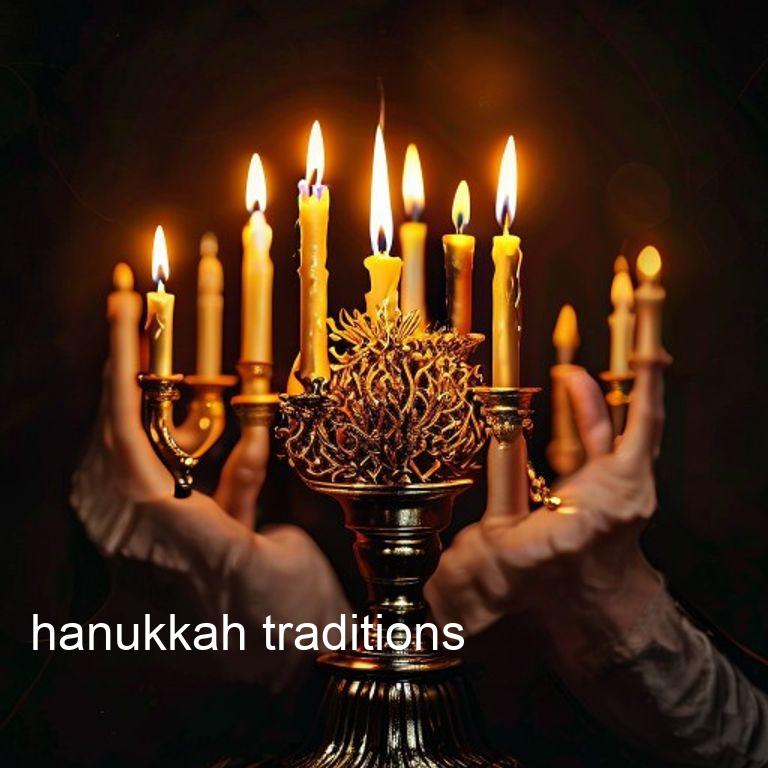
Table of Contents
Hanukkah Traditions: 15 Meaningful Customs That Light Up the Holiday
As the winter chill settles in and the nights grow longer, a unique warmth begins to radiate through Jewish communities worldwide. This isn’t just the warmth of a heater, but the glow of eight flickering candles defying the darkness. Hanukkah, the Festival of Lights, is a season deeply rooted in history, resilience, and the miracle of survival. Whether you are celebrating with family or learning about the holiday for the first time, understanding the various hanukkah traditions can enrich the experience significantly.
Hanukkah is more than just a winter celebration; it is a profound commemoration of the Maccabean Revolt and the subsequent rededication of the Second Temple in Jerusalem. While the historical context is vital, the modern celebration is defined by community, delicious fried foods, and light. In this comprehensive guide, we will explore 15 meaningful customs that transform this eight-day festival into a timeless celebration of faith and identity.
Before we dive into the specifics, it is helpful to understand the historical context. For a deeper look at the historical roots of this period, you can visit the Wikipedia entry on Hanukkah.
The Heart of the Celebration: Core Hanukkah Traditions
At its core, Hanukkah is defined by the triumph of light over darkness and freedom over oppression. While different families may emphasize different aspects of the holiday, several central rituals remain universal across various Jewish denominations.
1. Lighting the Chanukiah (Menorah)
The most iconic of all hanukkah customs is the lighting of the Hanukkiah, a nine-branched candelabra. It is important to distinguish this from the standard eight-branched menorah used in the Temple. The Chanukiah features eight candles to represent the eight days of the miracle, plus a ninth candle, the Shamash (helper), used to light the others.
Traditionally, the candles are lit in order from newest to oldest (left to right) to signify the passing of time, and the light is placed in a window to “publicize the miracle” to the world.
2. The Miracle of the Oil
The central theme of the holiday stems from the miracle in the Temple. According to the Talmud, when the Maccabees reclaimed the Temple, they found only enough consecrated oil to light the Menorah for a single day. Miraculously, the oil lasted for eight full days—the exact amount of time needed to rededicate the Temple. This concept of “small beginnings leading to great miracles” is a recurring theme in holiday discussions.
3. Playing Dreidel
No Hanukkah celebration is complete without the spinning of the dreidel, a four-sided wooden top. Each side of the dreidel features a Hebrew letter: Nun (miracle), Gimel (abundance), Hei (great), and Shin (Shaddai/Almighty). In many households, playing dreidel is a family affair involving chocolate coins (gelt) or even small amounts of money.
4. Devouring Traditional Foods
Food is a sensory cornerstone of the holiday. Because the miracle involved oil, it is customary to eat foods fried in oil to commemorate the event. This leads to a festive spread of delicacies that bring comfort during the cold winter months.
| Food Item | Description | Significance |
|---|---|---|
| Latkes | Potato pancakes fried in oil. | Commemorates the miracle of the oil. |
| Sufganiyot | Deep-fried jelly donuts. | Symbolizes richness and the oil miracle. |
| Gelt | Chocolate coins wrapped in gold foil. | Represents abundance and reward. |
| Rugelach | Flaky pastry with various fillings. | A traditional sweet treat for guests. |
Expanding the Celebration: 11 More Meaningful Customs
Beyond the core rituals, hanukkah traditions encompass a wide array of social and spiritual practices that strengthen community bonds. If you are looking to explore more about diverse festivities, you can check out cultural celebrations here.
5. Hanukkah Parties and Community Gatherings
Hanukkah is a social holiday. It is common for families to host “Hanukkah Parties” where neighbors and friends are invited to play games, eat together, and celebrate the season of light. These gatherings help combat the winter blues and foster community cohesion.
6. The Gift-Giving Tradition
While not a religious requirement, gift-giving has become a widespread custom. Unlike the large-scale exchanges seen in other winter holidays, Hanukkah gifts are often smaller, focused on family, or given to children to celebrate the joy of the season.
7. Singing Hanukkah Songs
Music plays a vital role in religious life. Songs like “Hanukkah, Oh Hanukkah” are staples in schools and homes, bringing a sense of joy and shared identity through melody.
8. Reading the Books of Maccabees
For those who wish to deepen their connection to the history, reading the story of the Maccabean Revolt from the Books of Maccabees provides profound insight into the struggle for religious freedom.
9. Hanukkah Lights in Windows
As mentioned earlier, placing the Menorah near a window is a ritualized way of sharing the light. It serves as a public declaration of Jewish identity and a celebration of the miracle.
10. Charity (Tzedakah)
Many people use the holiday as a time to increase their Tzedakah (charity). Giving to those in need is a way to reflect on the themes of gratitude and the abundance provided by the miracle of the oil.
11. Decorating the Home
While less formal than religious rituals, many families decorate their homes with blue and white accents, Hanukkah-themed wreaths, or festive table settings to create a warm atmosphere.
12. Creating Hanukkah Menus
The act of cooking itself is a tradition. Preparing traditional foods like homemade latkes requires time and effort, making the meal an act of devotion and cultural preservation.
13. Educational Activities for Children
Many parents use the eight nights to teach their children about Jewish history through storytelling, crafts, and interactive games, ensuring that the hanukkah customs are passed down to the next generation.
14. Lighting the Menorah Together
The actual act of lighting the candles is often a communal or family event. The elders of the family often lead the ceremony, passing the flame from the Shamash to each candle, symbolizing the continuity of tradition.
15. Reflecting on Modern Meaning
In a modern context, many use Hanukkah to reflect on personal “miracles”—the small joys and unexpected successes that occur in everyday life despite challenges.
Benefits of Observing Hanukkah Traditions
Observing these rituals offers more than just festive fun; there are profound psychological and social benefits:
- Strengthening Family Bonds: The routine of lighting candles and playing games provides dedicated time for family connection.
- Cultural Identity: Engaging in hanukkah customs helps younger generations connect with their heritage and history.
- Resilience Building: The story of the Maccabees teaches the importance of standing firm in one’s beliefs, even against overwhelming odds.
- Community Cohesion: Large community celebrations foster a sense of belonging and support among neighbors.
Common Challenges and Mistakes
Celebrating a religious holiday in a modern, fast-paced world comes with its own set of hurdles. Here are some common pitfalls to avoid:
- Over-Commercialization: It is easy to get caught up in the pressure of expensive gifts. Remember that the essence of Hanukkah is spiritual and communal, not material.
- Neglecting the Meaning: Focusing solely on the “party” aspect while forgetting the historical and religious significance can strip the holiday of its depth.
- Misunderstanding the Rituals: For those joining the celebration as guests, it is important to respect the specific ways families observe the traditions, such as the order of candle lighting.
Expert Tips for a Meaningful Celebration
As someone who has studied cultural observances extensively, I recommend the following to ensure a smooth and joyous holiday:
- Plan Your Menu Early: If you are making latkes from scratch, remember that grating potatoes is time-consuming! Prep your ingredients the day before.
- Safety First: When lighting the Chanukiah, always ensure you are in a well-ventilated area and keep flammable materials away from the candles.
- Embrace the “Small” Moments: Don’t feel pressured to host a massive event. A quiet night of playing dreidel and eating donuts can be just as meaningful.
- Balance Tradition and Modernity: Feel free to find modern ways to celebrate, such as watching a Hanukkah-themed movie or trying a new recipe, while still respecting the core hanukkah customs.
Frequently Asked Questions (FAQ)
How many candles are on a Hanukkah menorah?
A traditional Hanukiah has eight candles to represent the eight nights, plus a ninth candle called the Shamash used to light the others.
Is Hanukkah a religious holiday?
Yes, Hanukkah is a religious holiday that commemorates the rededication of the Second Temple in Jerusalem and the miracle of the oil.
What are the traditional foods for Hanukkah?
The most traditional foods are those fried in oil, such as latkes (potato pancakes) and sufganiyot (jelly donuts).
How long is Hanukkah celebrated?
Hanukkah is an eight-day festival.
What does the word ‘Hanukkah’ mean?
The word ‘Hanukkah’ means ‘dedication’ in Hebrew.
Conclusion
Hanukkah is a beautiful tapestry of history, faith, and light. Through its diverse hanukkah traditions, the holiday reminds us that even the smallest amount of light can overcome the deepest darkness. Whether it is through the shared joy of a dreidel game, the delicious scent of frying latkes, or the solemnity of lighting the Menorah, the customs of Hanukkah serve to illuminate the spirit of resilience and hope.
By understanding these traditions, we do more than just observe a holiday; we participate in a story of survival that has been told for thousands of years. May your Hanukkah be filled with light, laughter, and lasting memories.

Responses