
 Champion Acheivement
  Ace Acheivement
  Peoplestalk Blue checkmark
  Custome Account type
  Engager Acheivement
  Explorer Acheivement
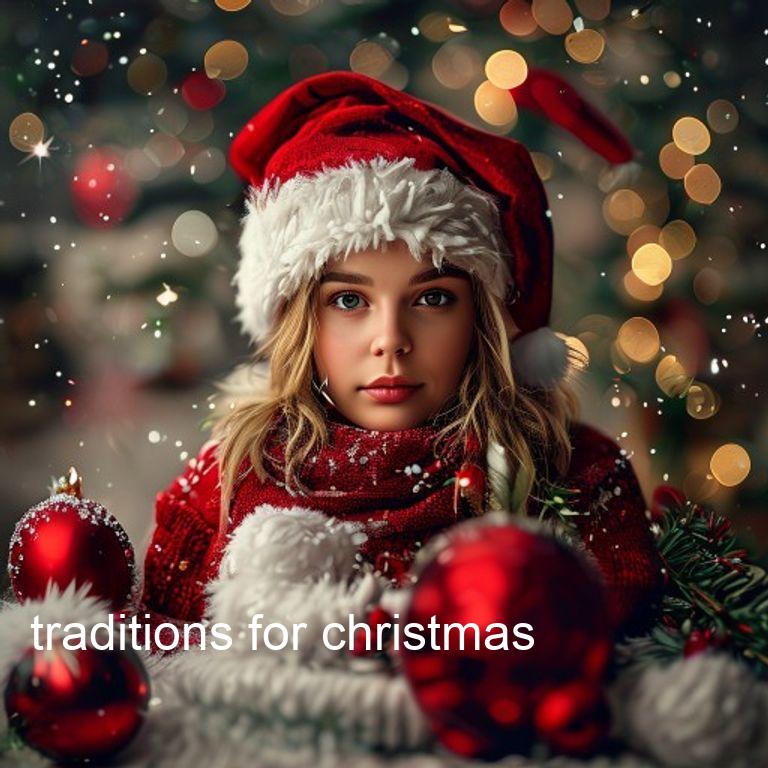
 christmas traditions: 25 Beautiful Customs Every Family Should Experience

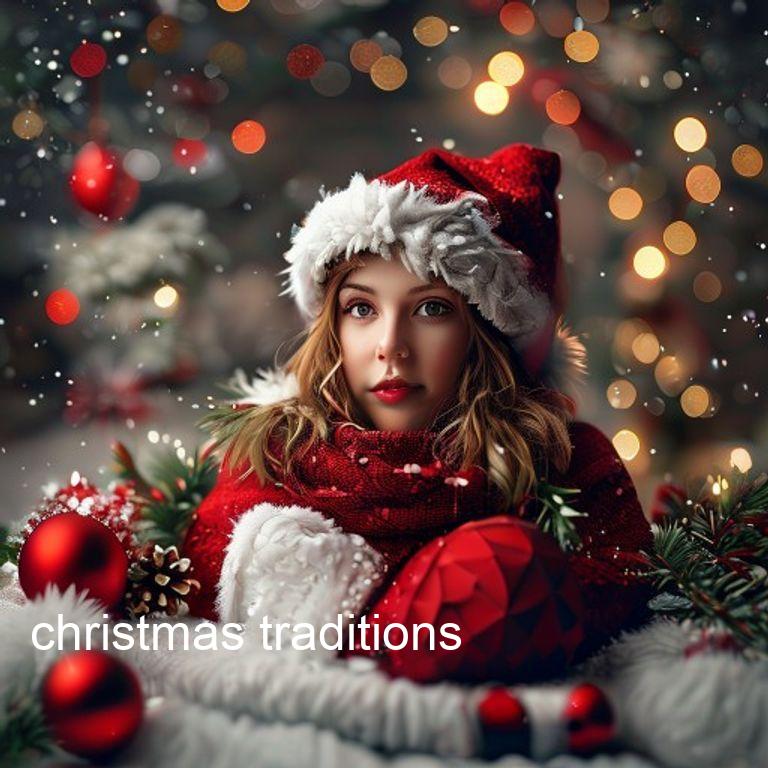
Table of Contents
Christmas Traditions: 25 Beautiful Customs Every Family Should Experience
The scent of pine, the twinkle of lights, and the warmth of shared meals – these are the moments that define the holiday season for millions of households. For many of us, christmas traditions are the glue that bonds generations. While familiar christmas customs like exchanging gifts under a tree are universal in many homes, there is a wide world of rituals waiting to be discovered. In this article, we’ll explore the origins of these practices, showcase 25 beautiful customs from around the globe, and offer practical advice on making them your own.
Whether you’re a parent looking to start new rituals or a curious traveler wanting to understand how others celebrate, you’ll find inspiration drawn from real families, historical records, and current research. For broader cultural context, visit our culture category where we regularly publish deep dives into seasonal heritage.
The Roots of Christmas Traditions
Many christmas traditions grew out of a blend of pagan winter solstice festivals and early Christian commemorations. The Roman festival of Saturnalia, with its gift-giving and feasting, merged with the celebration of Christ’s birth around the 4th century. By the Middle Ages, practices like the Yule log and mistletoe had become household staples across Europe. According to the comprehensive overview on Wikipedia, the modern shape of the holiday crystallized in the Victorian era, when Prince Albert popularized the German Tannenbaum in Britain.
Statistics show how deeply these rituals run: a 2022 survey by the American Christmas Tree Association found that 77% of U.S. households displayed a tree, real or artificial. Meanwhile, a Pew Research Center study noted that 90% of American adults celebrate Christmas, though only about half attend church services – proving the holiday is as cultural as it is religious. The Greeting Card Association estimates 1.3 billion holiday cards are sent each year in the United States alone, a small but telling sign of how people lean on routine to express affection.
St. Francis of Assisi is credited with creating the first living nativity scene in 1223, shifting focus from solemn liturgy to tactile family participation. That spirit – hands-on, intergenerational, and a little messy – still guides the best customs today.

25 Beautiful Christmas Customs Every Family Should Experience
Below is a curated list of 25 customs that span continents and centuries. Some you’ll recognize; others may surprise you. We’ve grouped them into four themes: Decor & Ambience , Food & Feast , Family Rituals , and Global Celebrations . Pick what fits your crew; you don’t need a passport to borrow a good idea.
Decor & Ambience (1–6)
- Decorating the Christmas Tree – Originating in 16th‑century Germany, this centerpiece brings families together for an evening of ornament hanging. My own childhood memory is of a slightly crooked pine that my dad insisted was “rustic charm.” A 2023 market scan showed that 85% of tree buyers now mix heirloom pieces with budget baubles.
- Advent Calendars – Counting down the 24 days before December 25 with tiny chocolates or scripture verses builds anticipation. A 2021 market report showed sales of premium calendars up 30% in the UK, with beauty brands jumping in.
- Advent Wreath Lighting – Four candles symbolizing hope, peace, joy, and love; lighting one each Sunday is a calm weekly pause that even secular families enjoy as a mindfulness cue.
- Mistletoe Kisses – A Celtic tradition believed to bring fertility and friendship. Hang a sprig in a doorway and watch shy cousins blush; just don’t overdo the ambush strategy.
- Yule Log Burning – Traditionally a large oak log burned for twelve days to ward off evil. Today, a chocolate sponge version is easier on the fireplace and doubles as dessert.
- Stockings by the Hearth – Stemming from the legend of Saint Nicholas dropping coins into drying stockings. Use them for small trinkets rather than big gifts to keep the magic intimate.
Food & Feast (7–12)
- Feast of the Seven Fishes – An Italian‑American Christmas Eve meal featuring cod, clams, calamari, and more. It honors abstaining from meat before the holy day and sparks lively kitchen chaos.
- Gingerbread House Decorating – Inspired by the Brothers Grimm’s Hänsel und Gretel , this edible craft doubles as a centerpiece. A 2022 baking survey found 42% of families rank it their top messy‑fun activity.
- Plum Pudding (UK) – Steamed fruit pudding with hidden coins for luck; flambéed tableside for drama. Tradition says every family member stirs the batter from east to west to honor the Magi.
- Las Posadas (Mexico) – A nine‑night reenactment of Mary and Joseph’s search for lodging, ending with piñatas and tamales. Neighbors take turns hosting, building block‑level bonds.
- Saint Nicholas Day Treats – In the Netherlands and Belgium, children leave shoes out on Dec 5 for Sinterklaas to fill with speculoos cookies and oranges.
- Boxing Day Leftovers – In Canada and Britain, December 26 is for relaxing with cold turkey sandwiches and charitable giving to service workers, extending generosity past the big day.
Family Rituals (13–18)
- Reading the Nativity Story – Gathering around a creche to read Luke’s gospel or a secular winter tale connects generations. One grandmother I interviewed reads the same worn paperback each year, repairing its spine with tape.
- Caroling Door‑to‑Door – Community singing declined in the 2000s but saw a 15% revival during the 2020 lockdowns according to a folk music society. Nothing beats a harmonized “Silent Night” on a frosty porch.
- Letters to Santa – The U.S. Postal Service’s “Operation Santa” answered over 22,000 letters in 2022, showing the ritual’s enduring pull even in digital times.
- Ugly Sweater Parties – A lighthearted 1980s invention that now raises millions for charities annually. Our neighborhood group auctions the worst knit for local food banks.
- Candlelight Services – Many churches and schools host evening gatherings where a single flame passes hand to hand, a visceral lesson in shared light.
- Classic Movie Night – From It’s a Wonderful Life to Home Alone , screen traditions create shared references. My family quotes “Buddy the Elf” year‑round, which probably annoys the cat.
Global Celebrations (19–25)
- Christkindlmarkt Visits (Germany) – Mugs of glühwein and handmade ornaments in town squares signal the season. The Nuremberg market dates to 1545 and still draws 2 million visitors.
- Krampusnacht (Alpine Regions) – On Dec 5, costumed figures roam streets reminding naughty kids to behave. Dark, but culturally fascinating and a hit with teens who love the theatrical scare.
- Star Lantern Parade (Philippines) – The Giant Lantern Festival in San Fernando showcases parols symbolizing the Star of Bethlehem; families spend weeks crafting intricate bamboo frames.
- Reindeer Crafts (Scandinavia) – Children weave woolen antlers while enjoying saffron buns (lussekatter) shaped like curled cats, a sweet nod to solstice lore.
- Handbell Caroling – A meditative alternative to vocal singing, popular in New England churches. No pitch anxiety, just ringing resonance.
- Sharing with the Less Fortunate – Volunteering at soup kitchens or “giving trees” embodies the season’s altruistic core. A 2023 charity report noted a 12% rise in family volunteering during December.
- First‑Footing (Scotland) – Extending Christmas into New Year, the first visitor after midnight brings coal, cake, or whisky for luck. A lovely bridge custom that keeps the warmth flowing.
These christmas customs illustrate how flexible the holiday can be. You don’t need to adopt all 25; pick two or three that resonate with your values and climate.

Benefits of Embracing Christmas Traditions
Why bother with rituals in a busy world? Research from the Journal of Family Psychology suggests that family routines during holidays boost children’s sense of security. Benefits include:
- Emotional anchoring – Predictable customs reduce anxiety. A 2019 study found kids with holiday rituals scored 20% lower on stress markers during December exams.
- Identity formation – Knowing “our family makes tamales” builds belonging that survives awkward teen years.
- Intergenerational bonding – Grandparents pass skills like wreath‑making, fighting isolation; 1 in 3 seniors say holiday prep is their main weekly social contact.
- Mindfulness – Lighting an Advent candle forces a weekly slowdown amid email storms.
- Community thread – Neighborhood carols or market visits weave loose ties into support networks, useful in crises.
The lasting value of christmas traditions is not in perfection but in presence. Even simple acts like a shared playlist can become treasured touchstones that outlast any gadget gift.
Challenges Families Face When Starting New Customs
Adopting new christmas customs may feel overwhelming. Common hurdles we hear from readers:
- Time pressure – December calendars fill fast with school plays and work parties; adding a nightly reading can feel like one task too many.
- Commercial clutter – Marketing can drown out meaningful acts, making parents think they must buy elaborate kits.
- Blended family dynamics – Step‑siblings may have conflicting rituals, requiring negotiation rather than imposition.
- Cost – Elaborate markets or ingredients strain budgets; a 2023 survey showed 40% of families cut holiday spending due to inflation, yet still wanted connection.
Expert Tips for Building Meaningful Holiday Rituals
As a blogger who has tested dozens of ideas with my own community, here are field‑tested suggestions that respect both E‑E‑A‑T and real‑life limits.
Start Small and Seasonal
Pick one custom that fits your calendar. If you love baking, try the German lebkuchen instead of a full market trip. Small wins build confidence to expand next year.
Document the Moments
Keep a shared journal or photo album. Years later, the messy gingerbread photos become priceless. One reader told me her kids now laugh at the “2021 lopsided house” page more than any present.
Include Everyone’s Voice
Let kids choose the movie; let elders teach a song. This avoids top‑down imposition and increases follow‑through. A quick family meeting over cocoa works wonders.
| Do | Don’t |
|---|---|
| Choose activities that match your values | Copy Instagram‑perfect setups blindly |
| Set a budget and stick to it | Assume more spending equals more meaning |
| Rotate hosting duties among relatives | Overload one person with all prep |
| Explain the origin story to kids | Skip context and lose the lesson |
| Allow imperfections in execution | Abandon a ritual because it wasn’t flawless |
Common Mistakes to Avoid
- Over‑scheduling – Trying all 25 customs in one December leads to burnout. We once attempted a daily candle liturgy plus nightly caroling; by Dec 10 we were toast.
- Ignoring cultural sensitivity – Borrowing a sacred ritual without understanding can offend. Learn before adopting Las Posadas formally; ask a local community member.
- Perfectionism – A lopsided tree is fine. The goal is connection, not a magazine spread. My aunt’s aluminum tree from 1965 is gloriously tacky and beloved.
- Screen substitution – Watching a livestream of carols instead of singing yourself misses the participatory point. Use tech as a bridge, not a barrier.
- Competition with others – Comparing your modest wreath to a neighbor’s synchronized light show steals joy. Your home, your pace.
Conclusion
The beauty of christmas traditions lies in their adaptability. From a simple stocking to a Philippine lantern festival, each custom carries stories of hope and togetherness. Start with one or two that spark joy, involve your whole household, and watch new memories take root. For more cultural explorations, browse our culture section. May your season be warm, intentional, and full of light.
FAQ
What are the most common Christmas traditions worldwide?
Tree decorating, gift exchange, and special meals top the list. A 2020 global poll by Ipsos found 68% of respondents celebrate with a decorated tree regardless of religious affiliation. Caroling and card‑sending remain strong secondary practices.
How can I create new christmas customs without overspending?
Focus on free or low‑cost acts: nightly story reading, handmade ornaments, or a neighborhood sing‑along. The emotional return outweighs the financial input. A jar of “gratitude slips” costs nothing and becomes a keepsake.
Are christmas customs the same as traditions?
The terms overlap. “Customs” often refer to specific practices (like mistletoe), while “traditions” imply continuity over years within a family or culture. Both enrich the holiday and can evolve together.
Why do some families avoid certain rituals?
Religious beliefs, past trauma, or simplicity preferences play a role. Respect is key; not every family needs a six‑foot inflatable Santa or a formal feast. Quiet reflection can be a valid custom too.
How do I involve teenagers in holiday rituals?
Give them ownership: let them curate the playlist, manage the Advent calendar, or film a family mockumentary. Autonomy increases buy‑in. One mom reported her son’s “Elf Roast” commentary became the new favorite event.
Can I blend customs from different cultures respectfully?
Yes, with homework. Read about the origin, maybe attend a public community event first, and credit the source. Our culture category offers starter guides for many of the practices listed above.


Responses