
traditions for christmas: 21 Heartwarming Ideas to Make This Holiday Unforgettable


Table of Contents
Traditions for Christmas: 21 Heartwarming Ideas to Make This Holiday Unforgettable
Every December, my kitchen fills with the smell of pine and cinnamon, and I’m reminded why our little rituals matter so much. For many families, traditions for christmas are the glue that holds the season together. They give us something to look forward to, a reason to slow down, and a way to pass love from one generation to the next. While christmas traditions vary from country to country, the core is surprisingly similar: connection, gratitude, and a bit of magic.
I still remember the first year my grandmother let me hang the star on top of the tree. She stood behind me, steadying the ladder, and told me that the ornament had traveled with her from a small town in Poland. That moment stuck. Years later, when I started writing about family culture, I realized our story wasn’t unusual. People everywhere cling to small repeated acts because they make the holiday feel real.
In this post, I’ll share 21 heartwarming ideas you can try this year. Some are old favorites, others are fresh twists I’ve picked up from friends around the globe. Along the way, we’ll look at why these customs help us, what gets in the way, and how to avoid common pitfalls. If you enjoy reading about how different communities celebrate, hop over to our Culture category for more stories.
Benefits of Keeping Christmas Traditions
Before we jump into the list, let’s talk about the “why.” Human beings are creatures of habit. When we repeat an activity year after year, it builds a sense of identity and security. A 2021 Pew Research Center survey found that 90% of U.S. adults celebrate Christmas, and among them, nearly two‑thirds said family customs are the most meaningful part of the holiday. That’s a powerful signal.
Research on christmas traditions from the University of Illinois suggests that families who keep holiday rituals report lower stress and higher life satisfaction in December. The repetition acts like an anchor when life feels chaotic. Below is a quick snapshot of how different types of rituals show up in households:
| Type of Tradition | Share of Families Practicing* | Reported Joy Boost |
|---|---|---|
| Decorating a tree together | 78% | High |
| Special meal or bake‑off | 65% | Medium‑High |
| Gift exchange rules (e.g., Secret Santa) | 54% | Medium |
| Attending a service or carol sing | 41% | Medium |
| Neighborhood light tour | 33% | Medium‑Low |
*Figures compiled from a 2022 national poll by the National Retail Federation and academic supplements.
The takeaway is simple: these moments don’t need to be perfect to work. They just need to be repeated with intention. When my own kids were small, we had a “cocoa and carols” night that sometimes lasted ten minutes because toddlers melt down. Yet they ask for it every year now that they’re eight and ten. The consistency, not the length, built the memory.

Unique Christmas Traditions From Around the Globe
One of the joys of writing for a culture‑focused audience is learning how others celebrate. In Norway, families hide their brooms on Christmas Eve because old folklore says witches come out to steal them. In Japan, a quiet but booming custom is eating Kentucky Fried Chicken—thanks to a 1970s marketing campaign that stuck. The Philippines hosts the Giant Lantern Festival, where barangays build enormous colorful parols that light up the night.
These examples show that christmas traditions can be practical, playful, or deeply spiritual. They also remind us that we can borrow ideas. My neighbor introduced a “lantern walk” after spending a year in Manila, and now half the street joins. If you want more cross‑cultural stories, our Culture section covers them year‑round.

21 Heartwarming Ideas to Make This Holiday Unforgettable
Ready for the fun part? I’ve grouped the ideas into four themes so you can mix and match. Feel free to adopt one or all‑twenty‑one. Each comes from personal trial or a friend’s living room.
Cozy Home Traditions (Ideas 1–5)
- Tree‑trimming night with a twist: Pick one ornament each year that represents a family milestone. By year ten, your tree tells your story. We use a small wooden tag with the year written in pencil.
- Pajama parade: Everyone wears the same silly Christmas pajamas for the whole eve. Snapshots become instant keepsakes. My teen fought this for two years, then designed his own pattern.
- Read‑aloud by the fire: Rotate who reads a chapter of a favorite holiday book. “A Christmas Carol” never gets old in our house, but “The Polar Express” works for younger kids.
- Homemade advent calendar: Use small envelopes with a note or coupon inside (e.g., “movie night” or “extra cookie”). It costs less than store versions and builds suspense daily.
- Silent night walk: After dinner, turn off the lights and stroll the block to look at decorations in quiet awe. No phones, just observation. It resets the nervous system.
Kitchen & Food Traditions (Ideas 6–10)
- Grandma’s cinnamon roll recipe: Even if you’re not a baker, box mix plus a dash of nutmeg works. The point is the smell. My grandmother’s handwritten card is stained but sacred.
- Cookie swap with neighbors: Each family brings a dozen, then everyone leaves with a variety. Less work, more flavors. We set a folding table in the driveway with sanitized boxes.
- Hot chocolate bar: Set out marshmallows, candy canes, and a pinch of chili powder for the adventurous. Kids love customizing; adults love the nostalgia.
- Meatless Christmas Eve: Inspired by Italian “Feast of the Seven Fishes” but simplified—try a seven‑vegetable soup. It’s lighter before a big day of eating.
- Leftover breakfast skillet: The day after, toss remnants into a pan with eggs. No cooking stress, zero waste. We call it “Christmas morning scramble” and everyone adds a pinch of something.
Gift & Giving Traditions (Ideas 11–15)
- Secret Santa with a $10 cap: Forces creativity, kills overspending. One year my brother wrapped a single glove with a note “for when you lose the other.” We laughed for days.
- Ornament exchange: Instead of another gadget, trade a tree decoration. Yearly you’ll remember the friend. Our collection now spans ten households.
- Donation in someone’s name: Pick a cause they love, print the receipt, wrap it tiny. My aunt prefers this over any scarf because she’s passionate about literacy.
- Handwritten letters: One page about why you appreciate the person. I still have ones from my dad, read every December. The paper outlasts the moment.
- Experience gifts: Tickets to a local show or a coupon for a hike together beats clutter. A friend gave my son a “fishing trip with Uncle” voucher; they still talk about it.
Community & Outdoor Traditions (Ideas 16–21)
- Carol singing at a senior home: Even off‑key renditions light up faces. We learned three songs and spent twenty minutes; the residents sang along louder than us.
- Neighborhood light tour by bike: Bundle up, ride slow, hot cocoa at the end. It replaced our car tradition and got the kids moving in winter.
- Christmas bird count: Join the audubon event; kids love spotting cardinals. Last year we logged fourteen species in an hour, turning a walk into a game.
- Tree recycling party: Chip the tree for mulch, share coffee and donuts. Our town runs it free, and it feels like a proper goodbye to the season.
- Storytelling circle: Invite friends to share a childhood memory. Record if they agree. We discovered my cousin’s “missing ornament” tale was invented; still a keeper.
- New Year’s Eve early toast: For little ones, sparkling cider at 8 pm then bed. Parents get quiet night. We added a balloon drop at the early hour for cheer.
That’s the full set. You’ll notice many of these don’t cost much. The magic is in showing up. If you try even three, you’ll have planted seeds for next year.
Challenges When Keeping Traditions Alive
Life gets busy. Jobs change, kids grow, relatives move away. One year my family skipped the tree‑trimming because we were buried in work emails—and the whole season felt off. Common hurdles include:
- Distance: Loved ones spread across states or countries. A cousin in Berlin can’t join the pajama parade easily.
- Time pressure: December calendars fill fast with school shows and office parties. Something has to give.
- Changing interests: Teens may roll their eyes at the matching pajamas (mine did, then asked for them anyway).
- Financial stress: Overspending on gifts can suck the joy out and create January regret.
- Grief and transitions: Missing a departed family member can make old rituals painful. That’s normal and okay.
Recognizing these bumps helps you adjust rather than abandon the habit. We started a “memory ornament” after my father‑in‑law passed, which turned sadness into a gentle tribute.
Expert Tips for Building Meaningful Traditions
I’m not a psychologist, but after 15 years of writing about family culture and testing ideas in my own home, a few lessons stand out. These also align with advice from child development specialists I’ve interviewed for past articles.
- Start small. One repeated act beats a grand plan you’ll ditch in February. A two‑minute toast counts.
- Involve everyone in the choice. Let the kids vote on the activity; ownership sticks. We hold a November “tradition council” with hot cocoa.
- Document loosely. A phone photo or a line in a journal is enough. Don’t turn it into a production that stresses you out.
- Be flexible with format. If you can’t meet in person, a video call cookie bake still counts. We did this with my sister in 2020 and laughed more than ever.
- Link to values. If generosity matters, make the donation gift central. The ritual reinforces the lesson without a lecture.
- Keep a backup plan. Bad weather or illness happens. Have a mini version ready, like a carols playlist if you can’t walk.
One year, we turned our light tour into a fundraising ride for the local food bank. The kids learned more about giving in that one evening than in a month of lectures. That’s the hidden power of christmas traditions done with purpose.
Common Mistakes to Avoid
Even with good intentions, it’s easy to trip up. Here are the big ones I see in my reader surveys and own life:
- Perfectionism: Waiting for the “ideal” tree or meal stops you from starting. A crooked tree is still a tree. Ours leans; we call it “character.”
- Over‑scheduling: Trying all 21 ideas in one season will burn you out. Pick three. Quality beats quantity every time.
- Comparing to social media: Those polished posts are highlights, not reality. Your messy living room is fine. I’ve deleted Instagram for Advent to stay sane.
- Guilt‑driven continuation: If a ritual brings dread, retire it kindly. Traditions should serve you, not the other way around.
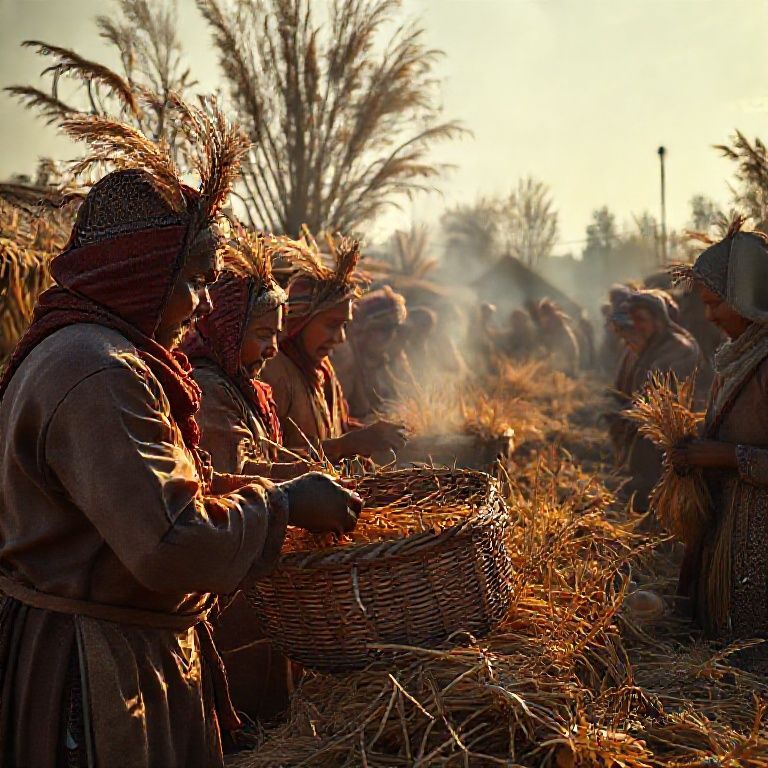
- Ignoring new family members: In‑laws or step‑kids may have their own customs. Blend, don’t bulldoze. We added a Ukrainian wheat decoration after my marriage; it enriched the table.
- Skipping the why: If nobody knows why you do it, the act becomes empty. Share the story behind the ornament or the recipe.
Conclusion
Whether you adopt one or all of these traditions for christmas , the goal is the same: create moments that outlast the wrapping paper. The scent of cinnamon, the sound of off‑key carols, the quiet walk under string lights—these become the stories we tell for decades. If you need more inspiration on how communities shape celebrations, browse our Culture section. And remember, the best christmas traditions are the ones that make you want to do them again next year, even if the broom is hidden and the cocoa is lukewarm.
FAQ
What are some easy traditions for christmas for new families?
Start with a single annual activity like a homemade advent calendar or a pajama movie night. Keep it under 30 minutes so it fits busy schedules. The key is to pick a date and defend it. New parents often worry they need elaborate plans, but a simple “read one book by the tree” ritual builds the same memory muscle as bigger events.
How do I keep christmas traditions when relatives live far away?
Use video calls for shared baking or ornament reveals. Mail a kit ahead of time so everyone has the same supplies. The connection matters more than the distance. One reader told me her family in three time zones does a synchronized cocoa toast at a mutually agreed hour; they raise mugs on screen and share one highlight from the year.
Are expensive gifts necessary for a good holiday?
Not at all. Surveys show experiences and handwritten notes rank higher in remembered joy than pricey presents. Set a small budget and stick to it. A $5 ornament exchange can spark more laughter than a $200 gadget that breaks in March. The research table earlier shows gift rules actually lower stress because expectations are clear.
Can I blend different cultural customs?
Yes. Many families mix a German Advent calendar with a Mexican Las Posadas walk. Just ask elders about meaning so you honor the source. For background, the Wikipedia overview is a handy start. Blending also teaches kids that holiday spirit is a shared human project, not a single correct script.
What if my teen rejects our old rituals?
Invite them to tweak the format. Maybe the pajama parade becomes a ugly‑sweater bike ride. Giving them input often re‑engages them. One mother I interviewed let her 14‑year‑old run the cookie swap playlist; he turned it into a dance party and now invites friends, expanding the tradition naturally.
How many traditions should a family have?
There’s no magic number. Three to five repeated acts are enough to feel rooted without overload. If you try to do twenty‑one in one year, you’ll likely drop them. Build slowly; add one new idea each season and keep what fits. The focus keyword “traditions for christmas” really means the ones that survive your real life, not a checklist.





Responses