
chinese new year traditions: 25 Powerful Traditions That Promise Good Luck

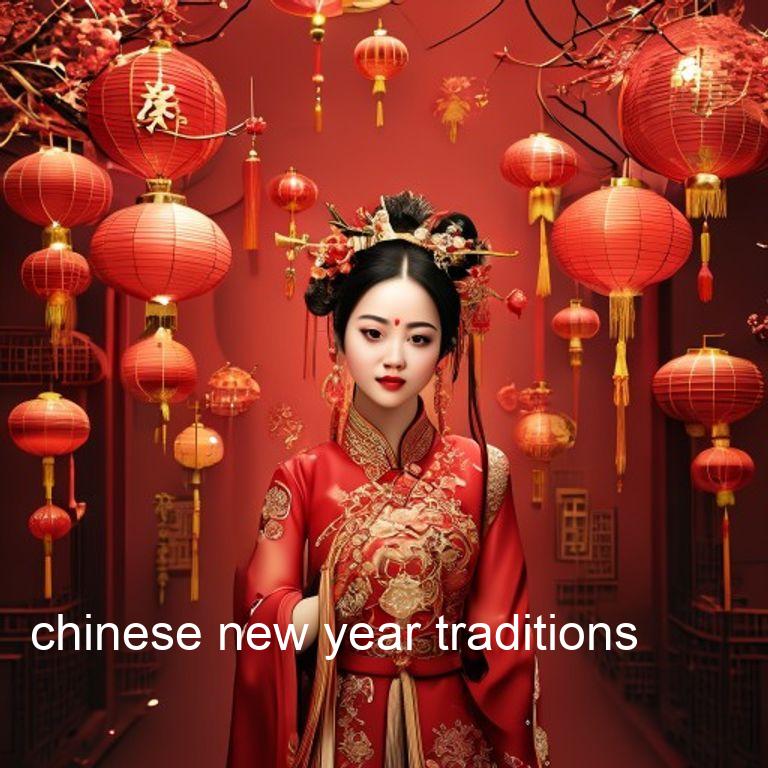
Table of Contents
- The Core Essence of Chinese New Year Customs
- 25 Powerful Chinese New Year Traditions for Good Luck
- Comparison of Key Symbols and Meanings
- The Benefits of Observing These Traditions
- Challenges in Modern Celebrations
- Expert Tips for a Successful Lunar New Year
- Common Mistakes to Avoid
- Conclusion
- Frequently Asked Questions (FAQ)
Chinese New Year Traditions: 25 Powerful Customs to Attract Prosperity and Good Luck
As the lunar calendar shifts and the moon waxes full, millions of people across the globe prepare for one of the most significant celebrations on Earth. Chinese New Year, also known as the Lunar New Year or Spring Festival, is more than just a date on a calendar; it is a profound period of renewal, reflection, and intense cultural devotion. For many, the festivities are a way to honor ancestors, reunite with family, and invite auspicious energy into the coming year.
Understanding the nuances of chinese new year traditions offers a fascinating window into a culture that values continuity, respect, and the pursuit of prosperity. Whether you are preparing for the festivities or simply a curious observer of global cultures, knowing the specific customs can help you appreciate the deep symbolism behind every red envelope and dragon dance. In this comprehensive guide, we explore 25 powerful traditions designed to usher in luck, wealth, and happiness.
To dive deeper into diverse global customs, you can explore our culture insights or read the detailed historical background on Wikipedia.
The Core Essence of Chinese New Year Customs
The essence of the Spring Festival lies in the concept of “luck” (Fu) and the cyclical nature of time. Unlike the Gregorian calendar, which focuses on the solar cycle, the lunar calendar aligns with the moon’s phases, creating a seasonal rhythm that has guided agricultural societies for millennia. Each tradition serves a purpose: some are meant to ward off evil spirits, while others are intended to call forth abundance.
The Symbolic Power of Color and Sound
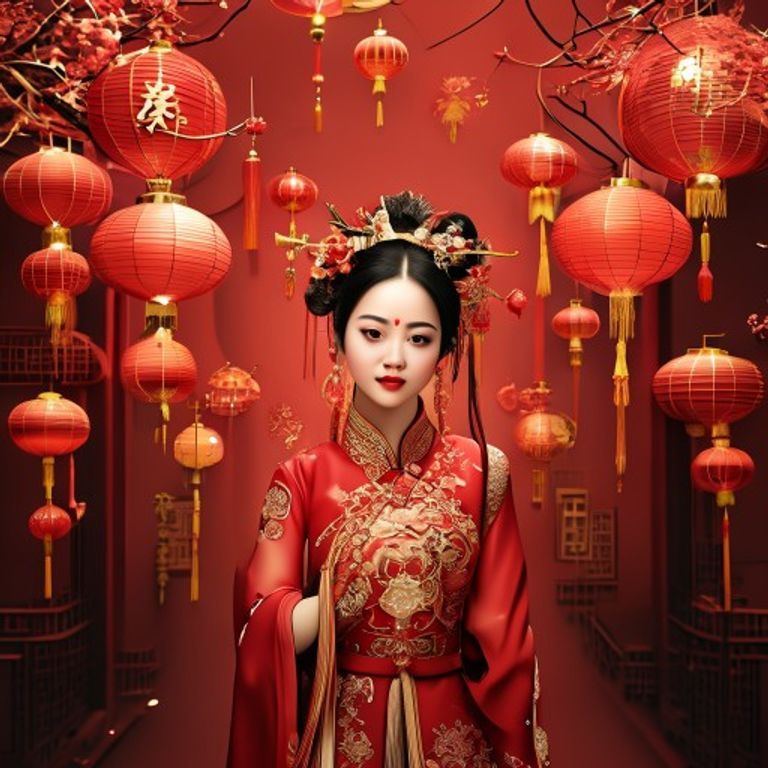
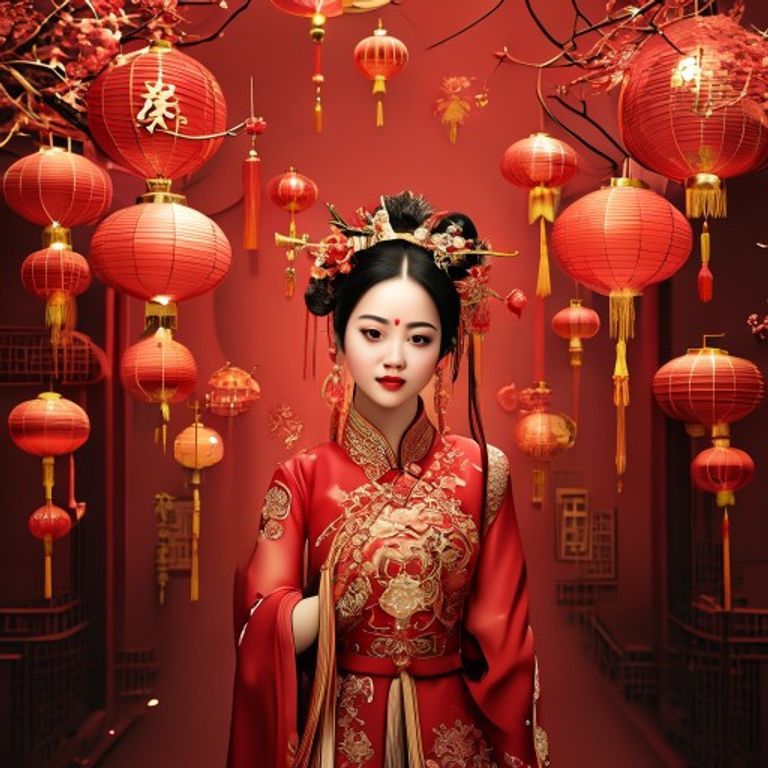
In many chinese new year customs, red is the undisputed protagonist. Red symbolizes fire, energy, and happiness, acting as a shield against the mythical beast Nian. Similarly, loud noises—from firecrackers to drumbeats—are used to scare away negativity and clear the path for a fresh start.
25 Powerful Chinese New Year Traditions for Good Luck
1. The Grand Family Reunion Dinner (Nianye Fan)
Considered the most important meal of the year, the reunion dinner brings families together regardless of distance. It is a time for reconciliation and setting intentions for the year ahead. Every dish served is chosen for its phonetic similarity to auspicious words.
2. Giving and Receiving Red Envelopes (Hongbao)
One of the most recognizable chinese new year traditions is the exchange of red envelopes containing “lucky money.” This isn’t just about the cash; it is a symbolic transfer of protection and wealth from elders to the younger generation.
3. The Dragon Dance
A rhythmic, energetic performance where dancers manipulate a long, ornate dragon on poles. The dragon is a symbol of power, wisdom, and good fortune. Its movement is believed to sweep away bad luck from the streets.
4. The Lion Dance
Similar to the dragon dance but featuring a lion, this performance is often accompanied by loud drumbeats. The lion is seen as a guardian figure that brings prosperity to businesses and homes.
5. Cleaning the House Thoroughly
Before the new year begins, families engage in deep cleaning. This is not just about tidiness; it is about “sweeping away” the old misfortunes of the previous year to make room for new luck.
6. Decorating with Couplets (Chunlian)
Red scrolls with gold calligraphy, known as Spring Couplets, are hung on doorways. These poems often express wishes for wealth, health, or academic success.
7. Displaying the Character ‘Fu’ (Prosperity)
The character for “good fortune” (Fu) is often hung upside down. In Chinese, the word for “upside down” (dao) sounds like the word for “arrived.” Thus, an upside-down Fu means “good fortune has arrived.”
8. Eating Dumplings (Jiaozi)
Dumplings are shaped like ancient silver ingots (Yuanbao), making them a powerful symbol of wealth. Eating them during the New Year is a way to “eat wealth.”
9. Eating Fish (Yu)
The word for fish (yu) is a homophone for “surplus.” It is common to leave a little bit of the fish on the plate to symbolize having more than enough in the coming year.
10. Eating Sweet Rice Balls (Tangyuan)
These glutinous rice balls represent unity and togetherness due to their round shape, reminiscent of a full moon or a complete family circle.
11. Eating Nian Gao (Sticky Rice Cake)
The sweetness of Nian Gao symbolizes a “sweet” and successful year ahead, while its stickiness represents moving upward in social or professional status.
12. Wearing New Clothes
Dressing in brand-new attire, particularly in red, signifies a fresh start and leaves the old version of oneself in the past.
13. Staying Awake for the First Night (Shou Sui)
Tradition suggests staying awake on New Year’s Eve to ensure the longevity of family members and to welcome the new year with full energy.
14. Lighting Firecrackers
The deafening roar of firecrackers is meant to frighten away the mythical beast Nian and other malevolent spirits.
15. Ancestor Worship
Many families set up altars to offer food and incense to their ancestors, acknowledging the roots that have allowed the family to thrive.
16. Avoiding Sweeping on the First Day
To prevent “sweeping away” your new good luck, many traditions forbid sweeping or cleaning the house on the first day of the Lunar New Year.
17. Avoiding Dark Colors
Black and white are traditionally associated with mourning, so they are avoided during the festive celebrations in favor of bright, vibrant colors.
18. Giving Oranges and Tangerines
Citrus fruits represent gold and abundance. Gifting them is a way of wishing the recipient wealth and success.
19. The Zodiac Animal Observance
Each year is represented by one of the twelve zodiac animals. People often wear clothing or carry charms related to their zodiac sign to enhance their personal luck.
20. Giving Pairs of Items
In Chinese culture, numbers are highly symbolic. Even numbers are generally considered lucky, whereas single numbers (especially four) are avoided.
21. Watching the Spring Festival Gala
For many, watching the televised cultural performances is a modern ritual that bridges the gap between generations.
22. Firework Displays
Massive public firework displays serve as a community-wide celebration to signal the arrival of spring.
23. Visiting Temples
Many visit temples to pray for health, safety, and prosperity, making offerings to deities and ancestors.
24. Sweeping the Dust (Traditionally before the New Year)
Commonly known as “sweeping the dust,” this involves a ritualistic clearing of the home to prepare for the deity of wealth.
25. The First Person Entering the House
In some regions, the first person to enter a home in the new year is seen as a harbinger of the family’s luck for that year.
Comparison of Key Symbols and Meanings
| Symbol / Item | Homophone/Visual Meaning | Intended Outcome |
|---|---|---|
| Fish (Yu) | Surplus/Abundance | Financial prosperity |
| Dumplings (Jiaozi) | Silver Ingots | Wealth accumulation |
| Red Color | Fire/Vitality | Protection & Happiness |
| Oranges | Gold/Luck | Success and Prosperity |
The Benefits of Observing These Traditions
Engaging in these customs offers more than just a sense of “magic.” From a sociological and psychological perspective, there are several tangible benefits:
- Social Cohesion: The focus on family reunions strengthens bonds between generations and reinforces community ties.
- Psychological Reset: The act of cleaning and wearing new clothes acts as a “mental reset,” helping individuals transition out of old habits and into new intentions.
- Cultural Identity: For the diaspora, practicing these traditions is vital for maintaining a connection to their heritage and passing it down to younger generations.
- Mindfulness: The ritualistic nature of these customs encourages individuals to be present and intentional about their wishes for the future.
Challenges in Modern Celebrations
While the traditions are beautiful, they are not without challenges in the modern era:
- Urbanization and Distance: In a globalized world, many family members live far apart, making the physical reunion dinner difficult to coordinate.
- Environmental Impact: The use of firecrackers and large-scale fireworks has led to significant air pollution and noise concerns in major cities.
- Commercialization: The focus on expensive gifts and lavish feasts can sometimes overshadow the spiritual and familial importance of the holiday.
Expert Tips for a Successful Lunar New Year
As a cultural observer, I suggest the following to make the most of the season:
- Research the Zodiac: Learn which animal represents the year. It can be a fun way to engage with children and friends.
- Respect the Elders: The most important part of any chinese new year traditions is showing respect to those who came before you.
- Focus on Intentions: Instead of just eating for the sake of tradition, use the symbolic foods to set specific, positive goals for your year.
- Embrace the “Red”: Even if you aren’t part of the culture, wearing a touch of red is a wonderful way to participate in the spirit of joy.
Common Mistakes to Avoid
If you are attending a celebration hosted by a family, avoid these common faux pas:
- Using Single-Digit Numbers: When giving gifts or red envelopes, always aim for even numbers. Avoid the number 4, as it sounds like the word for “death.”
- Discussing Negativity: Avoid talking about sickness, loss, or bad luck. The goal is to maintain “Yang” (positive/light) energy.
- Using Black or White Gifts: Avoid giving gifts wrapped in black or white paper, as these are colors of mourning. Stick to red and gold.
Conclusion
The 25 chinese new year traditions discussed here are just the tip of the iceberg. This festival is a complex tapestry of history, mythology, and family devotion. By understanding the “why” behind the customs—whether it’s the symbolic meaning of a fish or the protective power of a red envelope—we gain a deeper appreciation for the human desire to hope for a brighter, wealthier, and more peaceful tomorrow.
As you move into the new lunar year, may your house be filled with the sound of laughter, your table be filled with abundance, and your heart be filled with the warmth of connection. Happy Lunar New Year!
Frequently Asked Questions (FAQ)
A: Traditionally, you should clean your house before the New Year begins. Cleaning on the first day of the New Year is discouraged as it might “sweep away” your new luck.
A: In many Chinese dialects, the word for “four” sounds very similar to the word for “death.” Therefore, it is avoided in many aspects of life, including gift-giving and floor numbering in buildings.
A: There is no fixed rule, but the amount should be an even number. It is generally customary to give more as you get older or become more financially stable, and less to those younger than you.
A: While the reunion dinner is important, modern celebrations often involve video calls or separate smaller dinners to ensure everyone feels included regardless of location.


Responses