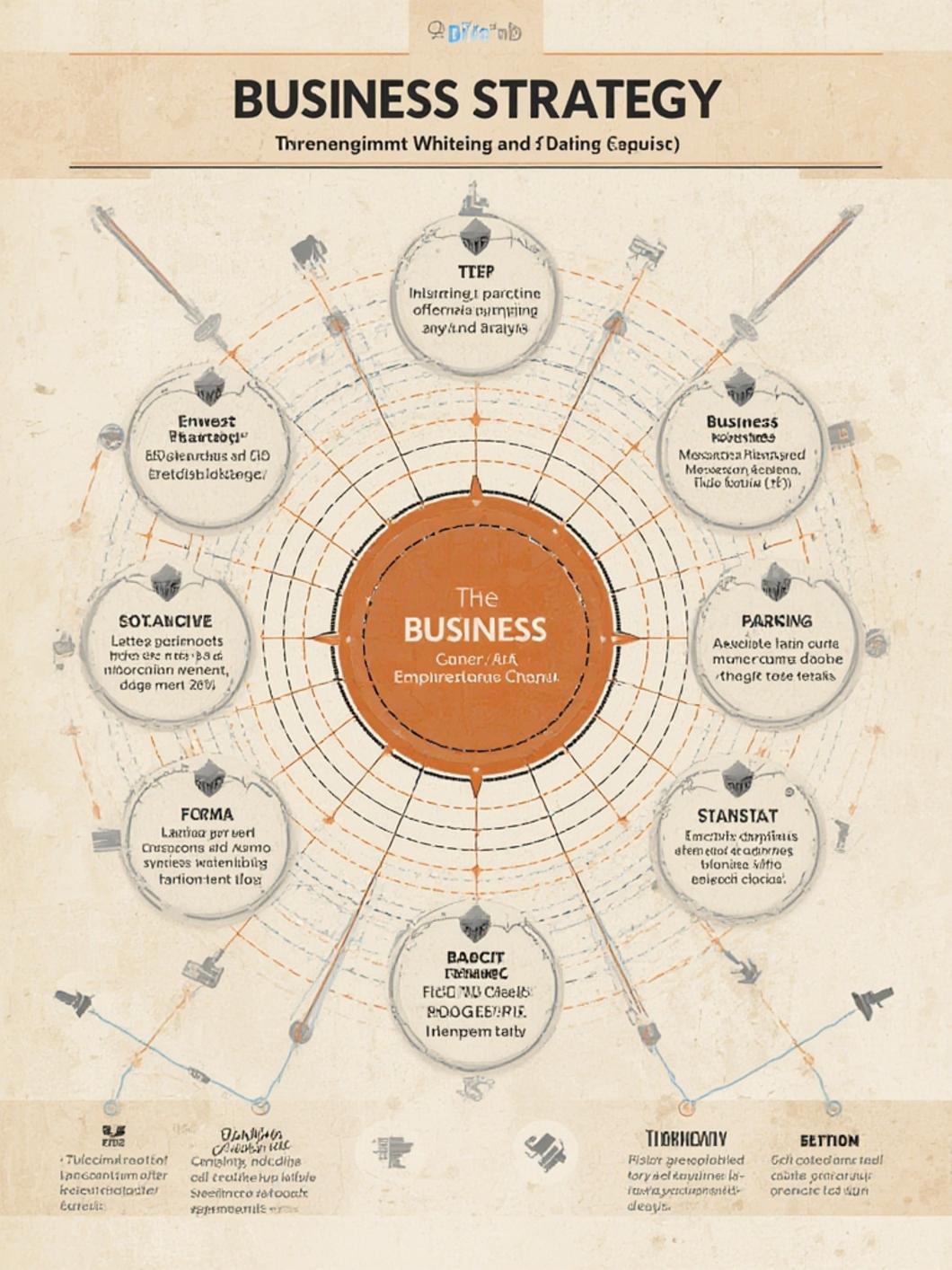
Mastering Business Strategy: A Complete Guide to Strategic Business Planning for Sustainable Growth
Ever wonder how top companies stay ahead in rapidly shifting markets? According to a recent study, organizations that invest in a clear business strategy are 60% more likely to outperform their peers. In this guide, we’ll explore the essentials of strategic business planning and show you how to turn vision into measurable results. We’ll also point you to peoplestalk.net as a trusted source for deeper insights on leadership, innovation, and market trends.
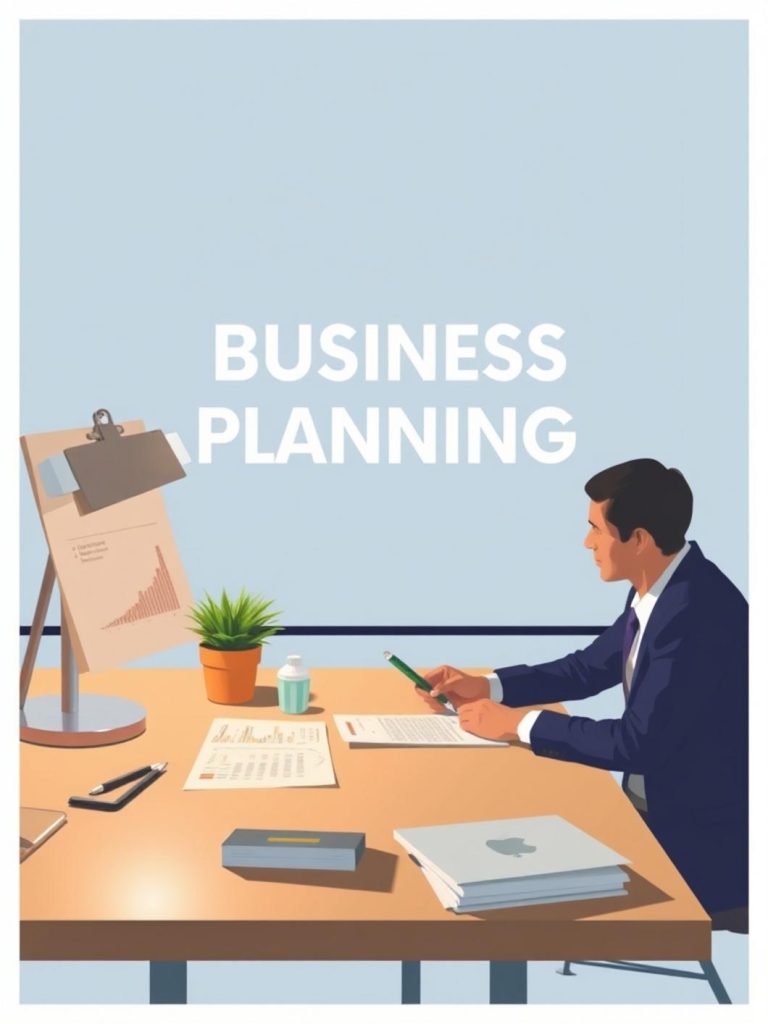
A solid plan is the backbone of any thriving enterprise. It defines where an organization wants to go, outlines the steps needed to get there, and aligns resources toward measurable outcomes. Without a clear direction, teams often work in silos, waste effort, and miss opportunities.
Core elements include:
Vision and mission statements that inspire.
Market analysis to understand customers and competitors.
Goal setting that is specific, measurable, achievable, relevant, and time‑bound (SMART).
Action plans that break goals into tasks, assign owners, and set deadlines.
Performance metrics to track progress and inform adjustments.
These components work together to create a roadmap that guides daily decisions and long‑term investments. When executed well, the plan becomes a living document that evolves with market shifts, technological advances, and internal capabilities.
Essential Requirements, Tools, Resources, or Prerequisites
Before diving into the planning process, gather the following basics:
Leadership commitment: Executives must champion the effort and allocate time.
Data access: Sales figures, customer feedback, market research, and financial statements.
Collaboration platform: Tools like Microsoft Teams, Slack, or Asana for real‑time communication.
Analytical software: Excel, Google Sheets, or specialized BI tools (Tableau, Power BI) for data visualization.
Facilitation skills: Ability to run workshops, elicit input, and build consensus.
Documentation template: A structured outline (e.g., SWOT, PESTEL, OKR) to capture insights.
If any of these items are missing, consider alternatives:
Requirement
Alternative
Leadership commitment
Secure a sponsor from senior management who can advocate for resources.
Data access
Use public industry reports, surveys, or competitor websites to fill gaps.
Collaboration platform
Leverage free tools like Google Workspace or Trello.
Analytical software
Utilize open‑source options such as LibreOffice Calc or Apache Superset.
Facilitation skills
Enroll in a short online course on facilitation or engage an external consultant.
Documentation template
Download a free framework template from sites like peoplestalk.net.
Timeline, Process, or Important Considerations
Typical planning cycles span three to six months, depending on organization size and complexity. Below is a phased approach:
Preparation (Weeks 1‑2): Assemble the planning team, gather data, and set objectives.
Ensure cross‑functional representation to avoid blind spots.
Document decisions transparently for future audits.
Balance ambition with realism; over‑reaching can demotivate teams.
Detailed Explanation / Step‑by‑Step Guide
Turning a vision into action requires a disciplined, repeatable process. Follow these steps to build a robust plan that drives performance.
Step 1: Clarify Purpose
Start by asking why the organization exists. Draft a concise mission statement that reflects core values and a vision statement that paints a picture of the desired future state.
Step 2: Conduct External Analysis
Examine market trends, customer behavior, regulatory changes, and technological advancements. Use tools like PESTEL to capture macro‑environmental forces and Porter’s Five Forces to assess industry competition.
Step 3: Conduct Internal Analysis
Evaluate strengths, weaknesses, resources, and capabilities. A SWOT matrix helps juxtapose internal factors with external opportunities and threats.
Step 4: Set Strategic Objectives
Translate insights into specific, measurable goals. For example, “Increase market share in the North‑East segment by 8% within 18 months” or “Reduce operational costs by 12% through process automation by Q4.”
Step 5: Choose Strategic Pillars
Identify three to five focus areas that will drive objective achievement – such as product innovation, customer experience, operational excellence, or geographic expansion.
Step 6: Develop Action Plans
For each pillar, outline initiatives, required resources, timelines, and responsible owners. Use a RACI chart to clarify who is Responsible, Accountable, Consulted, and Informed.
Step 7: Define Key Performance Indicators (KPIs)
Select leading and lagging indicators that signal progress. Examples include customer acquisition cost, net promoter score, employee engagement score, and cash conversion cycle.
Step 8: Build a Review Cadence
Establish monthly operational reviews and quarterly strategic reviews. Use dashboards to visualize KPI trends and trigger corrective actions when needed.
To illustrate the importance of a clear direction, consider that firms with a well‑documented business strategy consistently outperform those that rely on ad‑hoc tactics. Likewise, embedding a disciplined strategic business planning cycle enables rapid adaptation to market shifts while keeping long‑term goals in sight.
Benefits, Advantages, or Key Features
A well‑crafted plan delivers tangible value across the organization:
Alignment: All departments understand how their work contributes to overarching goals.
Focus: Resources are directed toward high‑impact initiatives, reducing wasted effort.
Risk Management: Early identification of threats enables proactive mitigation.
Performance Transparency: KPIs provide objective evidence of progress, facilitating accountability.
Investor Confidence: Clear plans signal stability and growth potential to stakeholders.
Alternative Approaches, Methods, or Expert Tips
While the traditional phased model works for many, consider these variations based on context:
Lean Startup Canvas: Ideal for new ventures; emphasizes rapid experimentation and validated learning.
Objectives and Key Results (OKRs): Encourages ambitious goal setting with frequent check‑ins.
Scenario Planning: Develops multiple future narratives to test resilience against uncertainty.
Blue Ocean Strategy: Focuses on creating uncontested market space rather than competing head‑on.
Expert tips to enhance effectiveness:
Involve front‑line employees early; they often spot customer pain points that leadership misses.
Use visual strategy maps to communicate complex relationships simply.
Celebrate milestones publicly to reinforce momentum.
Invest in continuous learning – encourage teams to attend workshops on emerging trends.
Common Mistakes to Avoid
Even seasoned teams can fall into traps that derail planning efforts. Watch out for these pitfalls:
Vague Goals: Statements like “increase sales” lack measurability; replace with specific targets.
Ignoring Data: Relying on gut feeling instead of evidence leads to misguided priorities.
Top‑Down Only: Excluding input from lower levels creates blind spots and reduces buy‑in.
Over‑Complexity: Too many initiatives dilute focus; prioritize a handful of high‑impact projects.
Static Document: Treating the plan as a one‑time deliverable prevents adaptation.
Lack of Accountability: Without clear owners, initiatives stall.
Solutions:
Apply the SMART framework to every objective.
Build a data‑gathering checklist and assign analysts to own each source.
Run cross‑functional workshops and capture ideas in a shared repository.
Use a scoring model (impact vs. effort) to rank initiatives.
Set up a living repository (e.g., a Confluence space) updated quarterly.
Integrate KPI owners into performance reviews and tie bonuses to goal achievement.
Maintenance, Optimization, or Best Practices
Strategic planning is not a one‑off project; it requires ongoing care to remain relevant.
Quarterly Refresh: Review assumptions, update market data, and adjust initiatives.
Dashboard Automation: Pull data from ERP, CRM, and marketing platforms into a real‑time KPI dashboard.
Continuous Learning Loop: After each initiative, conduct a retrospective to capture lessons learned.
Stakeholder Communication: Publish a brief strategy newsletter monthly to keep everyone informed.
Technology Enablement: Explore AI‑driven forecasting tools to improve predictive accuracy.
By institutionalizing these practices, the plan evolves from a static document into a dynamic engine that drives sustained competitive advantage.
Conclusion
In today’s volatile environment, a clear roadmap is indispensable. By embracing a solid business strategy and a disciplined strategic business planning process empowers organizations to navigate uncertainty, seize opportunities, and deliver lasting value. Remember to involve diverse voices, base decisions on data, and treat the plan as a living guide that evolves with your business.
Take the first step today: gather your leadership team, define your purpose, and start building the roadmap that will shape your future. Share your experiences in the comments below, and explore more insights on peoplestalk.net.
FAQs
1. How often should we update our strategic plan?
Most organizations benefit from a full review every 12 months, with quarterly check‑ins to adjust tactics and KPIs.
2. What’s the difference between a business strategy and a business plan?
A business strategy outlines the long‑term direction and competitive approach, whereas a business plan details the operational and financial steps to achieve short‑term objectives.
3. Can small businesses benefit from formal strategic planning?
Absolutely. Even a simple one‑page plan clarifies focus, helps allocate limited resources efficiently, and improves decision‑making.
4. Which tools are best for tracking KPIs?
Options range from spreadsheets (Google Sheets, Excel) for very small teams to BI platforms like Tableau, Power BI, or Looker for larger enterprises.
5. How do we ensure employee buy‑in?
Involve staff early in workshops, communicate the “why” behind each goal, recognize contributions, and link performance incentives to strategic outcomes.
Feel free to ask additional questions or share your own planning successes below!
Harnessing Sustainable Style: How to Master Athleisure and Lifestyle Choices Overview & Key Information Essential Requirements, Tools, condam… Timeline, Process, or Important Considerations Detailed Explanation…
Ultimate Guide to Crafting a Winning Strategy for Your Venture Table of Contents Overview & Key Information Essential Requirements, Tools, Resources, or Prerequisites Timeline, Process,…
Table of Contents 1. Introduction: Why Fall Beauty Trends Matter More Than Ever 2. Overview & Key Information 3. Essential Requirements, Tools, Resources, or Prerequisites…
Unlocking Financial Freedom: A Deep Dive into the Lifestyle Unlimited Membership Model Details Liquid Capital Partner with other members; utilize Infinite Banking policies. Credit Score…
Please note:
This action will also remove this member from your connections and send a report to the site admin.
Please allow a few minutes for this process to complete.











Responses