
Artificial Intelligence: 20 Powerful Ways AI Is Transforming Our World

Table of Contents
- The Rapid Evolution of Machine Intelligence
- 20 Powerful Ways AI Is Transforming Our World
- Summary Table: AI Impact Across Industries
- The Benefits of an AI-Integrated Society
- The Challenges and Ethical Dilemmas
- Expert Tips for Navigating the AI Era
- Common Mistakes to Avoid
- Conclusion
- Frequently Asked Questions (FAQ)
Artificial Intelligence: 20 Powerful Ways AI Is Transforming Our World
Not long ago, the concept of artificial intelligence felt like the stuff of science fiction—something reserved for Hollywood movies and futuristic novels. Today, however, it is the silent engine driving the modern economy, reshaping our social interactions, and fundamentally altering how we solve complex global problems. From the smartphones in our pockets to the massive data centers powering global logistics, AI is no longer a “future technology”; it is our current reality.
As we navigate this era of unprecedented digital evolution, understanding how AI technology integrates into our lives is crucial. It isn’t just about chatbots or generating images; it is about the predictive power of machine learning, the efficiency of neural networks, and the democratization of intelligence. In this comprehensive guide, we will explore 20 transformative ways AI is reshaping our world, the benefits it brings, the ethical hurdles we must jump, and how you can prepare for an AI-driven future.
The Rapid Evolution of Machine Intelligence
To understand where we are going, we must recognize how far we have come. The journey of artificial intelligence has moved from simple rule-based systems to sophisticated generative models capable of creative reasoning. Platforms like OpenAI have demonstrated that machines can now simulate human-like conversation and problem-solving with startling accuracy.
This evolution is fueled by three pillars: massive datasets (Big Data), increased computational power (GPUs), and refined algorithmic architectures (Transformers). As these three pillars strengthen, the impact of AI spills over into every conceivable industry.
20 Powerful Ways AI Is Transforming Our World
To make sense of this massive shift, let’s categorize the impact of AI into key sectors. Whether you are a business leader, a student, or a curious citizen, these transformations affect your daily experience.
1. Revolutionizing Healthcare and Diagnostics
In the medical field, AI is acting as a “super-assistant” to doctors. Machine learning algorithms can analyze medical imaging (X-rays, MRIs, and CT scans) with a level of precision that often matches or exceeds human radiologists. By detecting patterns invisible to the naked eye, AI can identify early-stage cancers or neurological disorders long before they become critical.
2. Personalized Education and Learning
The “one-size-fits-all” model of education is dying. AI-driven platforms can now assess a student’s individual learning pace, identifying specific areas of struggle and adjusting the curriculum in real-time. This creates a bespoke educational experience that maximizes retention and minimizes frustration.
3. Automating Mundane Business Tasks
From data entry to scheduling meetings, AI technology is liberating humans from the “drudgery” of administrative work. This allows employees to focus on high-level strategic thinking and creative problem-solving, which are uniquely human traits.
4. Enhancing Cybersecurity Measures
As cyber threats become more sophisticated, human-only defense systems are no longer sufficient. AI monitors network traffic in real-time, identifying anomalous behavior that signals a potential breach, allowing for proactive rather than reactive security.
5. Accelerating Scientific Discovery
In biology and chemistry, AI is being used to predict protein folding and simulate molecular interactions. What used to take years in a wet lab can now be modeled in weeks, accelerating the development of life-saving drugs and new materials.
6. Transforming Financial Services
Algorithmic trading, fraud detection, and personalized banking are all powered by AI. Banks use these systems to spot suspicious transactions instantly, protecting millions of users from identity theft every day.
7. Optimizing Supply Chain and Logistics
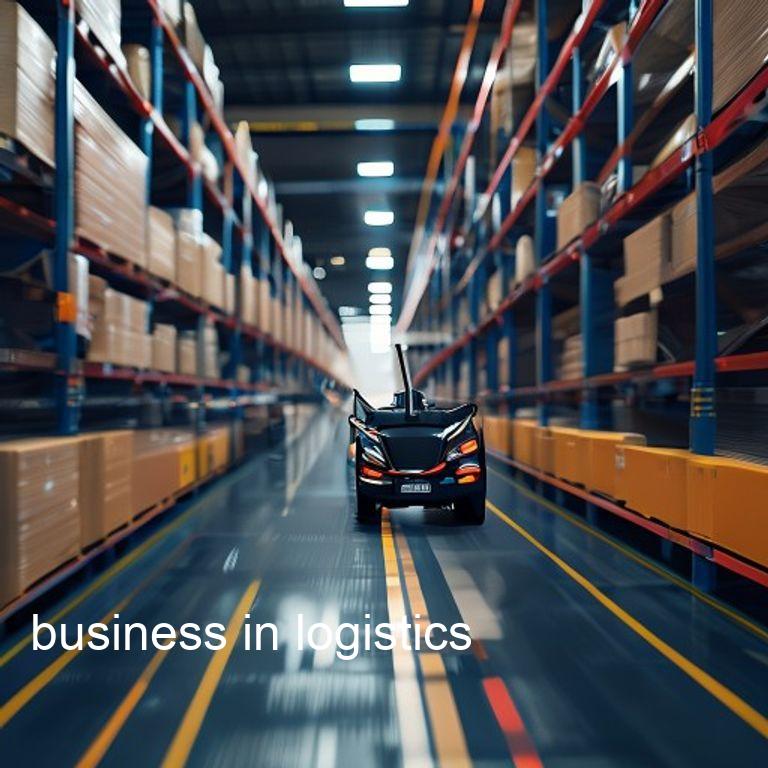
Predictive analytics allow companies to forecast demand with incredible accuracy, reducing waste and ensuring that products are where they need to be, exactly when they are needed. This is the backbone of modern e-commerce.
8. Revolutionizing Content Creation
Generative AI has entered the creative arena. Writers, designers, and musicians are using AI to brainstorm ideas, draft outlines, and generate visual assets, fundamentally changing the workflow of the creative economy.
9. Improving Customer Experience through Chatbots
Modern customer service is no longer limited by business hours. AI-powered virtual assistants provide instant, 24/7 support, resolving routine queries and escalating complex issues to human agents seamlessly.
10. Advancing Autonomous Transportation
Self-driving technology is perhaps the most visible application of artificial intelligence. While fully autonomous cars are still perfecting their safety protocols, AI is already managing traffic flow and optimizing routes for public transit and freight.
11. Precision Agriculture
AI-powered drones and sensors monitor crop health, soil moisture, and pest infestations. This allows farmers to apply water, fertilizer, and pesticides with surgical precision, increasing yields while reducing environmental impact.
12. Personalized Marketing and Consumer Insights
Algorithms analyze browsing habits and purchase history to deliver hyper-personalized recommendations. This reduces “noise” for consumers and increases conversion rates for businesses.
13. Enhancing Language Translation and Accessibility
Real-time translation tools are breaking down linguistic barriers, allowing people from different cultures to collaborate instantly. Furthermore, AI assists those with disabilities through voice-to-text and image-to-speech technologies.
14. Smart Home Integration
The Internet of Things (IoT) combined with AI creates homes that learn your habits—adjusting temperature, lighting, and security systems to optimize both comfort and energy efficiency.
15. Environmental Monitoring and Climate Change
AI models are used to track deforestation, predict weather patterns, and model the effects of climate change, providing policymakers with the data needed to make informed environmental decisions.
16. Human Resources and Talent Acquisition
AI helps HR departments sift through thousands of resumes to find the best candidates based on skills and experience, reducing bias (if trained correctly) and speeding up the hiring process.
17. Manufacturing and Predictive Maintenance
In “Industry 4.0,” AI predicts when a machine is likely to fail before it actually breaks. This “predictive maintenance” prevents costly downtime in factories and manufacturing plants.
18. Gaming and Immersive Experiences
AI is used to create more realistic non-player characters (NPCs) and procedurally generated worlds, making video games more immersive and reactive to player choices.
19. Legal Research and Document Analysis
Lawyers are using AI to scan through thousands of legal precedents and documents in seconds, significantly reducing the time required for discovery and case preparation.
20. Space Exploration and Astronomy
AI helps astronomers process the massive amounts of data coming from telescopes, identifying new planets, stars, and celestial phenomena that would be impossible for humans to find manually.
Summary Table: AI Impact Across Industries
| Industry | Primary AI Application | Key Benefit |
|---|---|---|
| Healthcare | Medical Imaging & Diagnostics | Earlier disease detection |
| Finance | Fraud Detection & Trading | Security & efficiency |
| Education | Adaptive Learning Platforms | Personalized student growth |
| Retail | Recommendation Engines | Enhanced customer experience |
| Manufacturing | Predictive Maintenance | Reduced downtime & costs |
The Benefits of an AI-Integrated Society
The widespread adoption of artificial intelligence offers several profound advantages:
- Unprecedented Efficiency: Machines can process data and perform repetitive tasks at speeds humans cannot match.
- Reduction of Human Error: In fields like surgery or data analysis, AI minimizes the risks associated with fatigue and distraction.
- Data-Driven Decision Making: AI removes much of the “gut feeling” from business and science, replacing it with empirical, data-backed insights.
- Economic Growth: By automating routine tasks, AI allows humans to move toward more value-added, creative, and strategic roles.
The Challenges and Ethical Dilemmas
Despite the excitement, the rise of AI technology is not without significant risks. To harness its power responsibly, we must address several critical challenges.
1. Algorithmic Bias
AI systems learn from historical data. If that data contains human biases—whether racial, gender-based, or socioeconomic—the AI will not only replicate those biases but potentially amplify them. Ensuring “fairness” in AI training is one of the greatest technical and ethical challenges of our time.
2. Job Displacement
While AI creates new roles, it also threatens to automate many existing ones. The transition period could be painful for workers in sectors like manufacturing, data entry, and basic customer service. Upskilling the workforce is a socio-economic necessity.
3. Privacy and Surveillance
The ability of AI to analyze vast amounts of personal data raises massive privacy concerns. From facial recognition in public spaces to predictive tracking of consumer behavior, the line between “convenience” and “surveillance” is increasingly blurred.
4. The “Black Box” Problem
Deep learning models are often so complex that even their creators cannot fully explain why a specific decision was made. This lack of “explainability” is a major hurdle in high-stakes fields like law and medicine.
Expert Tips for Navigating the AI Era
Whether you are a professional or a consumer, here is how you can stay ahead of the curve. For more insights into the digital landscape, visit our technology section.
- Embrace “AI-Augmentation” over “AI-Replacement”: Don’t view AI as a competitor. View it as a powerful tool that makes you better at what you do. Learn how to use prompt engineering to get better results from generative tools.
- Focus on Soft Skills: As technical tasks become automated, human-centric skills—empathy, critical thinking, complex negotiation, and leadership—will become more valuable than ever.
- Develop Data Literacy: You don’t need to be a data scientist, but understanding how data is collected, interpreted, and used will be a fundamental skill in the 21st-century workforce.
- Stay Curious: The field of AI changes weekly. Follow reputable tech journals and experiment with new tools to understand their capabilities and limitations.
Common Mistakes to Avoid
To protect yourself and your organization, avoid these frequent pitfalls:
- Blind Trust in AI Outputs: Always verify AI-generated information. “Hallucinations” (when an AI confidently states something false) are a documented reality.
- Neglecting Data Privacy: Never feed sensitive, proprietary, or personal information into public AI models. Once that data is uploaded, you may lose control over how it is used for future training.
- Ignoring Ethics in Implementation: Implementing AI solely for efficiency without considering the ethical implications (bias, transparency, impact on workers) can lead to massive reputational and legal damage.
- Over-reliance on Automation: Using AI to replace human judgment entirely in high-stakes environments is a recipe for disaster. Always maintain a “Human-in-the-Loop” (HITL) approach.
Conclusion
The era of artificial intelligence is not something that is “coming”—it is already here. It is a double-edged sword, offering the potential to solve our most pressing global challenges while simultaneously presenting unprecedented ethical and social risks. However, the history of technology suggests that when we approach innovation with both ambition and caution, the benefits far outweigh the costs.
By fostering a culture of continuous learning, prioritizing ethical development, and focusing on the synergy between human creativity and machine intelligence, we can ensure that this technological revolution works for the benefit of all humanity. The future is not something that happens to us; it is something we build, one algorithm at a time.
Frequently Asked Questions (FAQ)
Will AI replace my job?
AI is more likely to change your job than replace it entirely. While some repetitive tasks will be automated, AI also creates new categories of work. The key to job security is learning to work alongside AI tools.
Is artificial intelligence dangerous?
AI itself is a tool. Its “danger” depends on how it is programmed and used. Issues like bias, misuse for disinformation, and lack of transparency are real risks that require strict regulation and ethical oversight.
How can I start learning about AI?
You can start with free online courses on platforms like Coursera or edX. Experimenting with tools like ChatGPT, Midjourney, or Claude is also a great way to understand the practical applications of generative AI.
What is the difference between AI and Machine Learning?
Artificial Intelligence is the broad concept of machines acting “smartly.” Machine Learning is a specific subset of AI that focuses on teaching machines to learn from data without being explicitly programmed for every task.
Is AI sentient?
No. Despite how convincing modern AI can be, current models are mathematical engines that predict the next likely token or pixel based on patterns in data. They do not have feelings, consciousness, or self-awareness.


Responses