
Agility Drills: 20 Essential Exercises for Every Sport

Mastering Agility: The Ultimate Guide to Agility Drills and Training for Peak Performance
Table of Contents
Introduction
Did you know that athletes who dedicate just 15 minutes a day to agility drills can improve their on‑court reaction time by up to 30%? That statistic is a testament to the power of focused movement work. Whether you’re a soccer striker, a basketball guard, or a fitness enthusiast looking to boost everyday mobility, mastering agility drills is a game‑changer. In this guide, we’ll walk you through the science, the tools, and the step‑by‑step routines that turn raw potential into explosive performance. And if you’re curious about how to weave these concepts into a broader fitness strategy, agility training is the perfect complement—think of it as the engine that powers your entire athletic machine.
Overview & Key Information
Agility is more than just quick feet; it’s the coordinated ability to change direction, accelerate, and decelerate efficiently while maintaining balance and control. In sports science, agility is often broken down into three core components:
- Speed – How fast you can move in a straight line.
- Coordination – The precision of your movements.
- Reaction Time – How quickly you respond to external stimuli.
These elements are interdependent. A well‑structured agility drills program targets all three, ensuring that improvements in one area reinforce gains in the others. The result? Faster cuts, sharper pivots, and a lower risk of injury.
Essential Requirements, Tools, Resources, or Prerequisites
Before you dive into the drills, gather the following essentials. Many of these items are inexpensive or already available in most gyms.
| Item | Purpose | Alternative |
|---|---|---|
| Agility ladder | Footwork precision | Cones or chalk lines on the floor |
| Resistance bands | Strengthening lateral movements | Weighted vests or bodyweight only |
| Timer or stopwatch | Tracking progress | Smartphone timer app |
| Comfortable athletic shoes | Proper support and traction | Cross‑training shoes |
| Open space (e.g., gym floor, track, or field) | Safe execution of drills | Indoor court or outdoor grass |
In addition to physical tools, a solid mental foundation is crucial. Visualizing the movement pattern before execution can significantly reduce the learning curve. If you’re new to agility work, start with basic drills and gradually increase complexity as your confidence grows.
Timeline, Process, or Important Considerations
Implementing an agility program is a phased process. Below is a typical 12‑week timeline that balances progression with recovery.
| Phase | Duration | Focus | Key Drills |
|---|---|---|---|
| Foundation | Weeks 1‑4 | Basic footwork and coordination | Agility ladder, dot drills |
| Intensity | Weeks 5‑8 | Speed and reaction time | Shuttle runs, cone drills |
| Polish | Weeks 9‑12 | Sport‑specific application | Cutting drills, reactive drills |
Key considerations:
- Warm‑up – Always begin with a dynamic warm‑up to elevate heart rate and loosen joints.
- Progression – Increase drill complexity or speed only after mastering the previous level.
- Recovery – Schedule rest days or active recovery sessions to prevent overuse injuries.
- Consistency – Aim for at least 2–3 agility sessions per week for measurable gains.
Detailed Explanation / Step‑by‑Step Guide
Below is a comprehensive, step‑by‑step guide that covers the most effective drills for building agility. Each drill is broken down into setup, execution, and progression tips.
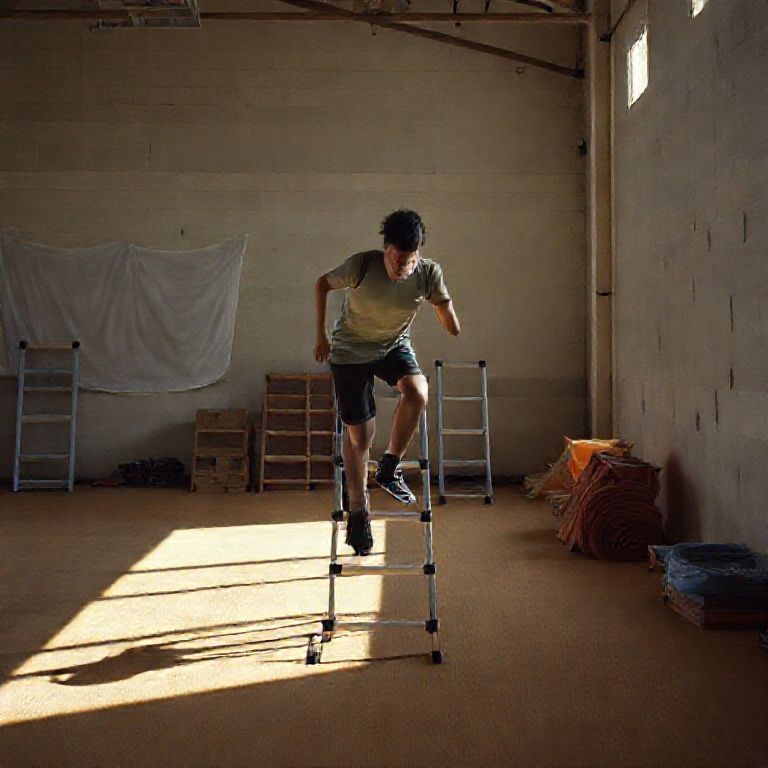
1. Agility Ladder – Two‑Foot In, Two‑Foot Out
- Setup: Place the ladder flat on the ground. Stand behind the first rung.
- Execution: Step both feet into the first rung, then both feet out. Continue through the ladder.
- Progression: Add a lateral shuffle or a hop between rungs.
2. Dot Drills – 5‑5‑5 Pattern
- Setup: Mark five dots in a straight line, each 3 feet apart.
- Execution: Sprint to the first dot, touch, sprint to the second, and so on.
- Progression: Increase the distance between dots or add a backward sprint.
3. Cone Drills – Zig‑Zag Sprint
- Setup: Place eight cones in a zig‑zag pattern, 10 feet apart.
- Execution: Sprint from cone to cone, cutting sharply at each turn.
- Progression: Reduce the cone spacing or add a reaction cue (e.g., a whistle).
4. Reactive Drills – Mirror Drill
- Setup: Pair up with a partner. Stand facing each other, 10 feet apart.
- Execution: One partner initiates a movement (e.g., step left). The other mirrors immediately.
- Progression: Increase the speed of the cue or add a third partner for a group dynamic.
5. Plyometric Integration – Lateral Bounds
- Setup: Mark a line 10 feet away.
- Execution: Jump laterally from one side of the line to the other, landing softly.
- Progression: Add a single‑leg bound or incorporate a reaction cue.
Each drill should be performed for 3–4 sets, with 30–45 seconds of rest between sets. Track your times to monitor progress and adjust intensity accordingly.
Benefits, Advantages, or Key Features
Investing time in agility drills yields a cascade of benefits that extend beyond the sports field:
- Enhanced Performance – Faster cuts and better balance translate to higher scores in games.
- Injury Prevention – Stronger connective tissues and improved proprioception reduce sprains.
- Metabolic Boost – High‑intensity agility work elevates heart rate, aiding fat loss.
- Transferability – Skills learned in agility drills improve everyday tasks like ladder climbing or quick direction changes.
- Confidence – Mastery of complex movements builds mental resilience.
Alternative Approaches, Methods, or Expert Tips
While the core drills above are foundational, many athletes and coaches incorporate advanced techniques to keep training fresh and challenging.
1. Ladder Variations
- Single‑leg ladder runs.
- Backward ladder sprints.
- In‑and‑out ladder drills with a resistance band.
2. Cone Drills with Weighted Vests
Adding a weighted vest increases the load, forcing the body to maintain form under greater stress.
3. Video Analysis
Record your drills and review the footage frame‑by‑frame. Look for foot placement, hip alignment, and reaction time.
4. Sport‑Specific Drills
For basketball, incorporate 3‑point shooting while cutting. For soccer, practice dribbling while changing direction.
Common Mistakes to Avoid
- Skipping Warm‑ups – Neglecting dynamic stretches can lead to strains.
- Over‑exertion – Pushing too hard before mastering form increases injury risk.
- Ignoring Form – Quick movements without proper alignment reduce effectiveness.
- Inconsistent Training – Sporadic sessions hinder progress.
- Neglecting Recovery – Failing to incorporate rest days can cause overuse injuries.
Maintenance, Optimization, or Best Practices
To sustain agility gains, integrate the following practices into your routine:
- Periodization – Cycle through phases of intensity and recovery.
- Cross‑Training – Combine agility work with strength, flexibility, and endurance training.
- Progress Tracking – Keep a log of times, distances, and perceived exertion.
- Nutrition – Adequate protein and hydration support muscle repair.
- Sleep – Aim for 7–9 hours per night to maximize recovery.
Conclusion
Incorporating agility drills into your training regimen is a strategic investment in your athletic future. By systematically building speed, coordination, and reaction time, you’ll not only elevate your performance on the field but also safeguard against injuries and enhance overall fitness. Pair these drills with a thoughtful agility training program, and you’ll create a holistic approach that keeps you moving faster, smarter, and stronger. Start today, track your progress, and watch your agility transform your game and everyday life.
FAQs
- What is the best frequency for agility training?
- Most athletes benefit from 2–3 sessions per week, allowing for adequate recovery between high‑intensity drills.
- Can I do agility drills without equipment?
- Absolutely. Use cones, chalk lines, or even household objects to create a makeshift agility course.
- How long does it take to see noticeable improvements?
- Consistent training over 6–8 weeks typically yields measurable gains in speed and reaction time.
- Is agility training suitable for older adults?
- Yes, but start with low‑impact drills and progress gradually to avoid joint stress.
- What should I focus on if I’m a beginner?
- Prioritize foundational drills like ladder work and dot drills to build coordination before adding speed or resistance.




Responses