
lunar new year traditions: 18 Fascinating Customs That Bring Good Fortune

Table of Contents
- The Essence of the Celebration: Why Customs Matter
- 18 Fascinating Lunar New Year Traditions
- Summary of Key Customs and Their Symbolism
- The Benefits of Observing These Traditions
- Challenges in Modern Celebration
- Expert Tips for a Prosperous Celebration
- Common Mistakes to Avoid
- Conclusion
- Frequently Asked Questions (FAQ)
Lunar New Year Traditions: 18 Fascinating Customs That Bring Good Fortune
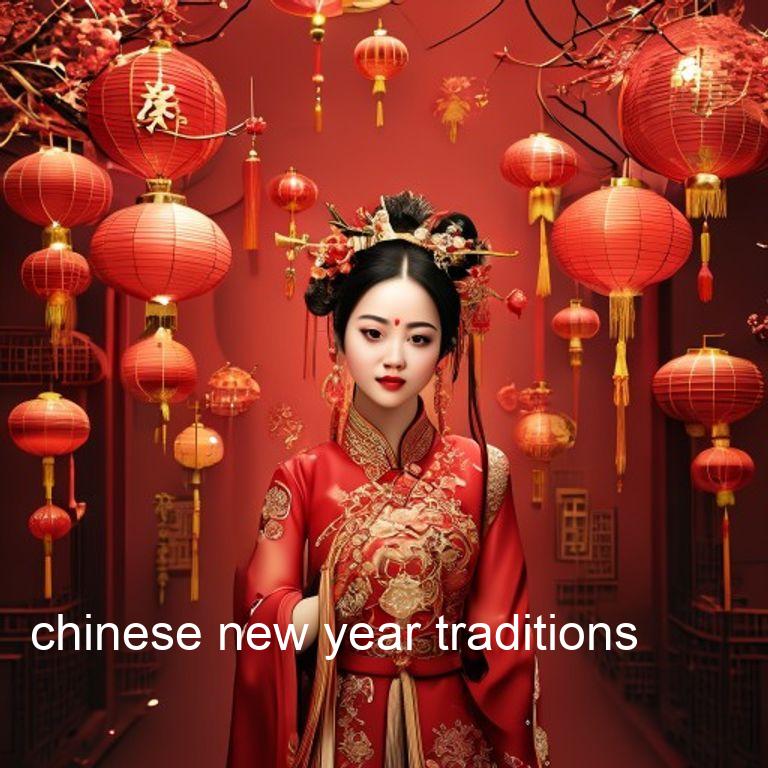
As the moon completes its cycle and a new lunar month begins, millions of people across the globe shift their focus from the mundane to the magnificent. The Lunar New Year, often referred to as Spring Festival in China, Tết in Vietnam, or Seollal in Korea, is more than just a date on a calendar; it is a profound spiritual and cultural reset. It is a time of cleansing, renewal, and, most importantly, the pursuit of prosperity.
Understanding the various lunar new year traditions offers a window into the deep-seated values of many Asian cultures: family unity, respect for ancestors, and the optimistic belief that the rituals we perform today can shape a prosperous tomorrow. Whether you are celebrating with family or exploring these customs as a curious observer, this guide dives deep into the heart of these celebrations.
To understand the broader context of how these celebrations fit into the global cultural tapestry, you can explore more diverse cultural perspectives here. For a technical breakdown of the lunar calendar’s origins, visit Wikipedia.
The Essence of the Celebration: Why Customs Matter
Why do people spend weeks cleaning their homes, buying new clothes, and preparing specific dishes? The answer lies in the concept of “flow.” In many Eastern philosophies, the transition between years is a sensitive period where energy (Qi) shifts. By performing specific lunar new year customs, practitioners aim to clear out the stagnant energy of the previous year and make room for fresh, positive vibrations.
This isn’t just about superstition; it is about psychological priming. When a family gathers for a reunion dinner, they are reinforcing social bonds. When a child receives a red envelope, they are being integrated into the communal economy and family hierarchy. It is a holistic way of maintaining cultural continuity in a rapidly changing world.
18 Fascinating Lunar New Year Traditions
To truly appreciate the richness of this period, we must look at the specific rituals that define it. These traditions vary by region, but they share a common thread of seeking “Fu” (Good Fortune).
1. The Reunion Dinner (Nian Ye Fan)
Arguably the most important tradition, the reunion dinner is the heart of the celebration. Families travel long distances—a phenomenon known in China as the “Chunyun” or Spring Festival travel rush—to sit around a single table. This meal symbolizes unity and completeness.
2. Red Envelopes (Hongbao/Li Xi)
The gifting of money in red envelopes is a universal symbol of luck. The color red is believed to ward off evil spirits, and the money inside represents a blessing for the recipient’s future prosperity.
3. House Cleaning and Purging
Before the festivities begin, homes undergo a deep cleaning. This isn’t just for hygiene; it is symbolic of sweeping away the bad luck and misfortunes of the past year to make room for the new.
4. Decorating with Couplets and Calligraphy
Red scrolls known as “Chunlian” are hung on doorways. These hand-written calligraphy pieces often feature auspicious phrases like “Wishing you wealth and prosperity” or “Peace and harmony.”
5. The Legend of Nian
Many traditions stem from the legend of the Nian, a beast that would emerge every new year to devour livestock and humans. People discovered that the beast feared the color red and loud noises, leading to the modern use of fireworks and red decorations.
6. Firecrackers and Fireworks
To drive away the Nian and keep negative spirits at bay, loud noises are essential. The crackle of firecrackers provides a sensory experience that marks the transition between the old and the new.
7. Eating Dumplings (Jiaozi)
Common in Northern China, dumplings are shaped like ancient silver ingots (sycees), making them a literal symbol of wealth when eaten.
8. Fish and Abundance
In many regions, serving a whole fish is mandatory. The word for fish in Chinese (*yu*) sounds similar to the word for “surplus,” representing the hope that there will be more than enough food and wealth in the coming year.
9. Tossing the Salad (Yusheng)
Particularly in Singapore and Malaysia, the “Lo Hei” ritual involves tossing a platter of raw ingredients high into the air with chopsticks. The higher you toss, the more luck you bring.
10. Wearing New Clothes
Dressing in new garments symbolizes a fresh start. Red is the preferred color to invite good energy.
11. Honoring Ancestors
Many families set up altars with food offerings and incense to show respect to their ancestors, acknowledging that their success is built on the foundation laid by those who came before them.
12. The Zodiac Animal Connection
Each year is associated with one of 12 animals (Rat, Ox, Tiger, Rabbit, Dragon, Snake, Horse, Goat, Monkey, Rooster, Dog, Pig). The traits of the animal are believed to influence the luck and personality of those born in that year.
13. Giving Fruit (Oranges and Tangerines)
Citrus fruits are ubiquitous. In Cantonese, the word for orange sounds like “gold,” making them a portable symbol of wealth.
14. Avoiding Sweeping
While cleaning is encouraged *before* the New Year, sweeping on the first day is often forbidden, as it might “sweep away” the newly arrived good luck.
15. Staying Up Late (Shousui)
Staying awake into the first day of the year is seen as a way to welcome the new energy and ensure a long, healthy life.
16. Traditional Sweets (Nian Gao)
Sticky rice cakes, or *Nian Gao*, signify “rising higher” every year, much like the way the cake rises during cooking.
17. Tea Ceremonies
In many households, special tea is served to elders as a sign of respect and to facilitate family connection during the festivities.
### 18. Giving Gifts of Tea and Alcohol
Beyond red envelopes, exchanging high-quality tea or traditional liquors is a way to maintain social and business relationships, marking a season of gratitude and renewed partnerships.
Summary of Key Customs and Their Symbolism
| Custom | Symbolism | Primary Benefit |
|---|---|---|
| Red Envelopes | Wealth and Protection | Financial blessings for youth |
| Cleaning Houses | Purification | Removing old misfortunes |
| Eating Fish | Surplus/Abundance | Ensures enough resources |
| Fireworks | Warding off evil | Cleansing the atmosphere |
| New Clothes | Renewal | A fresh start to life |
The Benefits of Observing These Traditions
While some may view these rituals as antiquated, they provide several psychological and social benefits in the modern era:
- Social Cohesion: The focus on family reunions strengthens intergenerational bonds that are often strained by busy modern lifestyles.
- Cultural Identity: For diaspora communities, these traditions act as a vital link to their heritage and roots.
- Mindfulness and Intention Setting: The acts of cleaning and renewing serve as a ritualistic way to set intentions for the year ahead, promoting mental clarity.
- Economic Stimulation: The massive demand for food, decorations, and gifts provides a significant boost to local economies every year.
Challenges in Modern Celebration
Celebrating lunar new year traditions isn’t without its hurdles in the 21st century. As urban life becomes faster, several challenges have emerged:
- Travel Logisitics: As mentioned, the “Spring Festival Rush” can be incredibly taxing, with millions of people competing for limited transportation.
- Changing Family Dynamics: As younger generations move away for work, the traditional large family reunion is becoming harder to coordinate, leading to a rise in “virtual reunions” via video calls.
- Environmental Impact: The use of heavy fireworks and firecrackers, while culturally significant, presents challenges regarding air quality and noise pollution in densely populated cities.
Expert Tips for a Prosperous Celebration
If you are looking to host or participate in these celebrations, a few professional insights can make the experience more meaningful:
- Focus on Intent, Not Just Ritual: Don’t just clean your house because you feel you “have to.” Use it as a meditative moment to let go of past stresses.
- Be Mindful of Gift Etiquette: If giving red envelopes, ensure the amount is an even number (except for 4, which is considered unlucky in some cultures), as even numbers represent balance and luck.
- Inclusivity: If inviting non-Asian friends, explain the meaning behind the foods. It turns a simple meal into an educational and bonding experience.
- Plan Ahead: Due to the surge in demand, grocery shopping for specific ritual foods should be done at least a week in advance to avoid the chaos.
Common Mistakes to Avoid
To ensure your luck isn’t inadvertently “swept away,” avoid these common pitfalls:
- Breaking Dishes: In many cultures, breaking a plate or bowl during the New Year is seen as a bad omen. Be extra careful during the feast!
- Using the Number Four: Avoid giving gifts or money in quantities of four, as the word for “four” sounds like the word for “death” in several Asian dialects.
- Neglecting Ancestors: Even in a modern setting, failing to acknowledge your roots can leave a feeling of incompleteness in the celebration.
- Discussing Negative Topics: Avoid arguments or discussing illness and death during the first few days of the year, as these are thought to set a negative tone for the upcoming months.
Conclusion
The beauty of lunar new year traditions lies in their ability to bridge the gap between the ancient and the modern. While the methods of celebration may evolve—from physical firecrackers to digital red envelopes—the core intention remains unchanged: a collective prayer for prosperity, peace, and togetherness. By participating in these customs, we don’t just celebrate a change in the calendar; we celebrate the resilience of the human spirit and our eternal hope for a brighter, more abundant year ahead.
Frequently Asked Questions (FAQ)
Q: What is the significance of the color red during Lunar New Year?
A: Red symbolizes luck, joy, and happiness. Historically, it is believed to scare away the mythical beast Nian and other evil spirits, protecting the household for the coming year.
Q: Can I celebrate Lunar New Year if I am not of Asian descent?
A: Absolutely! The celebrations are a celebration of culture and community. Participating with respect and an open mind is a wonderful way to engage with global diversity.
Q: Why is the zodiac year important?
A: Many believe that the animal associated with the year influences the collective energy of that year and the individual fortunes of people born during it. It provides a framework for understanding luck and character.
Q: What should I avoid eating during the festival?
A: While there are few “forbidden” foods, it is generally advised to avoid anything that sounds like “loss” or “ending.” For example, some avoid bitter gourds as they might symbolize a “bitter” year.

Responses