
traditions for easter: 15 Amazing Traditions That Will Make Your Celebration More Meaningful

Table of Contents
Traditions for Easter: 15 Amazing Traditions That Will Make Your Celebration More Meaningful
Every spring, as the chill of winter gives way to budding flowers, homes around the world begin to stir with a special kind of anticipation. For many, this season is anchored by a set of rituals passed down through generations. In this post, I want to share how traditions for easter can turn a simple Sunday into a soul-filling experience. Whether you lean toward the sacred or the playful, there’s something here for you.
I still remember the smell of vinegar and boiled beets in my grandmother’s kitchen—our annual egg-dyeing marathon. That memory is just one thread in the rich tapestry of easter traditions that span continents. According to a 2023 survey by the National Retail Federation, nearly 81% of Americans celebrate Easter, and a large share of them engage in some form of customary activity, from egg hunts to special meals.
But beyond the bunnies and chocolate, these customs carry meaning. They connect us to ancestry, teach kids about hope, and offer a pause button in our busy lives. If you’re looking to deepen your own observance, you’ve come to the right place. And for broader cultural context, feel free to browse our culture category where we explore similar heritage practices.
Why Meaningful Easter Customs Matter More Than Ever
Modern life pulls families in a dozen directions. Between screens and schedules, shared moments are rare. That’s why easter traditions —whether religious or secular—serve as anchors. They create predictable rhythms that children find comforting. A 2021 study from the University of Michigan found that families who keep seasonal rituals report higher levels of perceived togetherness.
From a sociological viewpoint, these practices also preserve intangible heritage. They’re not just about the event; they’re about the stories told while preparing. In my years blogging about global cultures, I’ve seen how a simple act like baking hot cross buns can spark conversations about migration and faith.
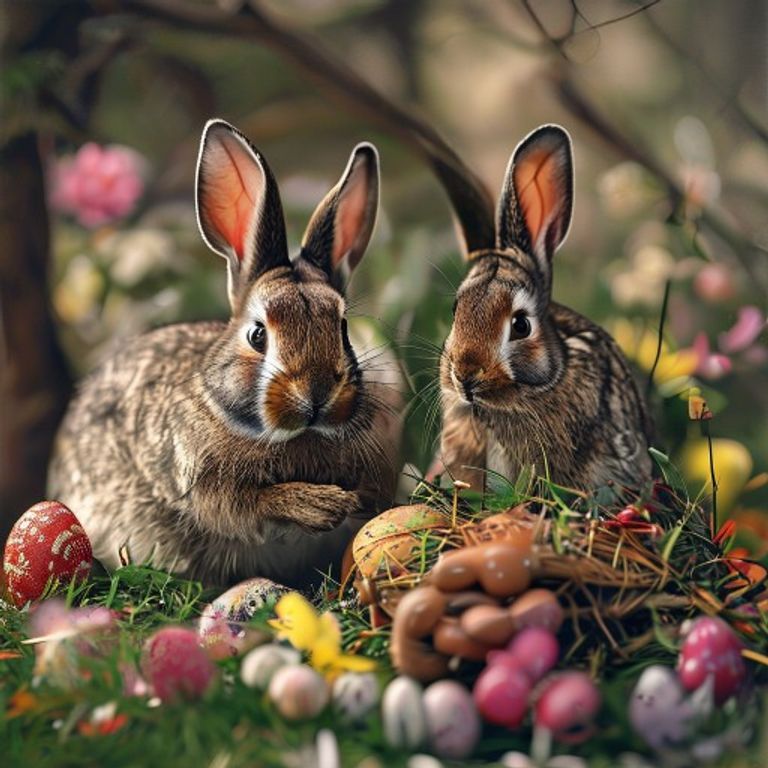
15 Amazing Traditions for Easter That Will Make Your Celebration More Meaningful
Below is a mix of time-honored and creative ideas. I’ve grouped them loosely by theme, but feel free to blend. To give you a quick overview, here’s a snapshot table:
| # | Tradition | Origin / Region | Why It Matters |
|---|---|---|---|
| 1 | Natural Egg Dyeing | Eastern Europe | Eco-friendly, artistic bonding |
| 2 | Sunrise Service | Early Christianity | Symbolizes resurrection |
| 3 | Easter Vigil Bonfire | Medieval Europe | Light triumphs over dark |
| 4 | Pysanky Writing | Ukraine | Intricate blessing |
| 5 | Hot Cross Buns | England | Spiced reminder of cross |
| 6 | Lamb Feast | Mediterranean | Symbol of sacrifice |
| 7 | Easter Bunny Hunt | Germany | Playful fertility symbol |
| 8 | New Clothes Parade | Victorian USA | Renewal of spirit |
| 9 | Water Splashing | Poland (Śmigus-Dyngus) | Cleansing, fun |
| 10 | Butter Lamb Sculpture | Buffalo, NY | Local heritage |
| 11 | Judas Burning | Latin America | Releasing betrayal |
| 12 | Easter Lilies Display | USA | Purity, hope |
| 13 | Passion Play | Oberammergau | Living history |
| 14 | Family Letter Exchange | Modern | Reflective gratitude |
| 15 | Community Soup Kitchen | Global | Service, compassion |
Now let’s dive into each with practical tips.
1. Decorating Eggs with Natural Dyes
Skip the synthetic kits and raid your pantry. Onion skins yield rusty oranges, red cabbage gives blue, and turmeric offers sunshine yellow. Last April, my kids and I spent an afternoon wrapping eggs in spinach leaves before boiling—the imprints were stunning. This hands-on activity slows you down and teaches patience. Plus, it’s safer for little ones who might taste the shells. As part of traditions for easter , natural dyeing connects you to pre-industrial households where nothing was wasted.
2. Attending a Sunrise Church Service
There’s a reason many congregations gather at dawn. The early light mirrors the empty tomb narrative. Even if you’re not deeply religious, the communal singing as the sun crests can be goosebump-inducing. A friend in rural Ohio describes it as “the best alarm clock of the year.” Data from the Barna Group shows attendance spikes by about 30% on Easter Sunday compared to average weeks.
3. Lighting an Easter Vigil Bonfire
In many European villages, the night before Easter includes a fire outside the church. The flame is passed to congregants’ candles. We adapted this in our backyard with a small pit and read poems about hope. It’s a visceral way to mark transition from mourning to joy. Just check local fire codes before you strike the match!
4. Crafting Ukrainian Pysanky
Pysanky are eggs written with wax and dye in layers. The results look like jewels. I took a workshop in 2019 and was humbled by the precision required. Each symbol—wheat, birds, triangles—carries wishes for health or harvest. This tradition is UNESCO-recognized intangible heritage and makes a thoughtful gift that outlasts the candy.
5. Baking Hot Cross Buns
These spiced currant buns with a white cross on top appear in English bakeries from Lent onward. Making them at home fills the house with cinnamon. A tip: brush with simple syrup after baking for shine. They bridge the secular and sacred, as the cross is subtle enough for any table and the spice echoes ancient spring festivals.
6. Preparing a Lamb-Centered Meal
Roasted lamb is central in Greece, Italy, and beyond. The animal symbolizes innocence and sacrifice. We host a potluck where each family brings a dish inspired by their roots. According to the American Lamb Board, spring lamb sales rise 25% around April. It’s a delicious history lesson that gathers everyone around the fire.
7. Organizing a Bunny-Inspired Egg Hunt
The hare as fertility emblem predates Christianity. Germans brought the “Osterhase” to America in the 1700s. Hide eggs in shaded spots, not just open lawn, to add mystery. One clever twist: use clues rhyming for older kids. Our neighbor hides a golden egg with a $5 bookmark inside—always a hit and keeps the magic alive.
8. Wearing New Outfits with Intention
Victorian custom held that new clothes on Easter meant luck for the year. Today, rather than buying fast fashion, I encourage a “refresh” thrift trip. A bright scarf or repaired jacket can symbolize personal renewal. We take a walk around the block afterward to show off and chat with neighbors about their own easter traditions .
9. Celebrating Śmigus-Dyngus (Water Splashing)
In Poland, Easter Monday means gentle dousing with water—a purification rite. We filled squirt bottles for a backyard version (consent required!). It’s laughter-fueled and great for breaking ice with teens. Historically, it also blessed crops. Just keep electronics away and towels handy for the inevitable shrieking.
10. Sculpting a Butter Lamb
In parts of New York and Poland, butter is molded into a lamb with a tiny flag. It’s a centerpiece that doubles as conversation starter. My cousin uses a mold from her grandmother. Vegan? Use whipped coconut oil tinted with beet juice. The shape echoes the “Lamb of God” motif while celebrating local dairy heritage.
11. Burning Judas Effigies
In some Latin American towns, an effigy of Judas Iscariot is filled with fireworks and burned on Holy Saturday. While dramatic, the underlying theme is letting go of betrayal and negativity. If fire isn’t feasible, write grievances on paper and compost them. Symbolism without smoke keeps the focus on release.
12. Displaying Easter Lilies
The white trumpet lily became associated with resurrection in the US after WWI. Their fragrance alone shifts a room’s mood. We place a pot by the entry to greet guests. Fun fact: bulbs are toxic to cats, so elevate them. A local nursery reported 40% of spring sales are these lilies, showing their staying power.
13. Watching or Joining a Passion Play
Oberammergau, Germany, performs a decade-spanning play of Christ’s final days. Smaller community theaters stage versions too. Attending one deepened my appreciation for volunteer theater. If stage fright is low, usher or help with costumes. It’s living storytelling that brings scriptural accounts into tangible experience.
14. Exchanging Handwritten Letters
In our digital age, a signed note feels radical. Each Easter, my siblings and I mail letters reflecting on the past year’s growth. We read them aloud after dinner. This modern twist on easter traditions builds emotional intimacy and becomes a keepsake archive that future generations will treasure.
15. Volunteering at a Community Meal
Closing the day by serving others embodies the spirit of renewal. Shelters often need extra hands post-holiday. Our church partners with a downtown kitchen; last year we fed 120 people. Statistics from Feeding America show food insecurity spikes after family holidays when donations dip. Your time matters more than any decoration.
Benefits of Keeping These Traditions Alive
Beyond fun, there are measurable upsides. Families gain a sense of identity. Children who know their heritage show stronger resilience (Journal of Child Psychology, 2020). Spiritually, the rituals can reduce anxiety by providing structure. Socially, they combat isolation—a 2022 Cigna report linked regular communal rituals to 12% lower loneliness scores. And from a content perspective, sharing your own stories online helps others discover traditions for easter through search engines and AI assistants alike.
Challenges You Might Encounter
Let’s be honest: not every plan lands. Time crunch is real—preparing a lamb feast after a workweek can overwhelm. Interfaith families may feel tension between secular and religious elements. I’ve seen disagreements over whether the bunny undermines the resurrection message. Another hurdle: commercial pressure to spend big. A survey by Deloitte found Easter spending averaged $150 per household, causing stress. Recognize these friction points early and trim the scope if needed.
Expert Tips from a Decade of Cultural Blogging
As someone who has written about global customs for over ten years, here’s my advice:
- Start small. Pick one new ritual yearly; don’t overhaul everything at once.
- Document with photos and short notes; future you will thank you for the record.
- Include elders—their memories are primary sources no textbook can match.
- Adapt to your climate; if no sunrise visible, use a candle dawn indoors.
- Link your activity to a story; facts fade, narratives stick in the heart.
These steps keep the focus on connection, not perfection.
Common Mistakes to Avoid
- Waiting until the last minute to buy supplies—natural dyes need planning and simmer time.
- Excluding non-religious friends from church-only events without context or alternative.
- Overloading the day so kids remember chaos, not meaning.
- Ignoring food allergies in communal meals (nut or dairy sensitivities are common).
- Turning traditions into Instagram performances rather than lived moments with loved ones.
Steering clear of these pitfalls protects the heart of the holiday.
Conclusion
From dyeing eggs with kitchen scraps to serving soup for the homeless, the list above shows that traditions for easter can be both ancient and freshly personal. They invite us to slow down, gather, and reflect on renewal in whatever form speaks to us. I hope you’ll try at least a few this season. For more heritage posts, revisit our culture section. Happy Easter, and may your celebration be meaningful.
FAQ
What are the most common easter traditions in the US?
Egg decorating, church services, and the Easter bunny hunt top the list, with about 70% of families reporting participation according to a 2023 poll by Spring Holiday Insights.
How can I make Easter meaningful without religious focus?
Focus on spring renewal, gratitude letters, and nature crafts. Themes of hope and growth are universal and welcome everyone at the table.
Are natural egg dyes as vibrant as store kits?
They’re softer but charming; longer soaking increases intensity. Use vinegar to set the color and try layered wrapping for patterns.
Is it okay to blend multiple cultural customs?
Absolutely. Many families mix Polish, German, and local ideas. Respect origins by learning their stories and explaining them to kids.
Where can I learn more about global practices?
The Wikipedia Easter traditions article is a solid starting point, and our culture category offers deeper dives into related heritage topics.




Responses