
traditional christmas dinner: 20 Delicious Ideas for the Perfect Holiday Feast

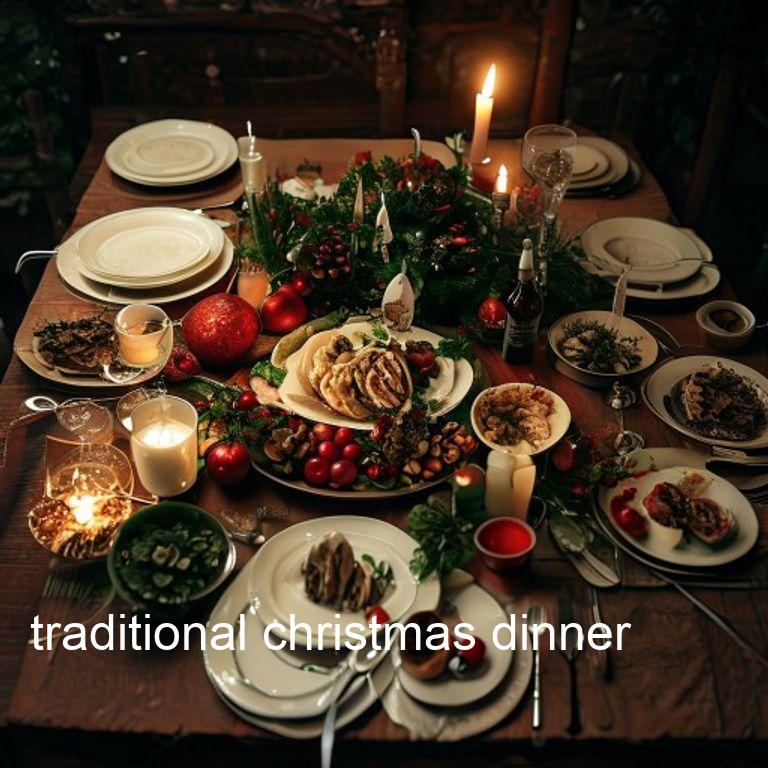
Table of Contents
Traditional Christmas Dinner: 20 Delicious Ideas for the Perfect Holiday Feast
There is a specific kind of magic that fills a home during the holiday season. It is the scent of roasted poultry wafting through the hallways, the warmth of a crackling fire, and the anticipation of gathering around a beautifully set table. For many, the centerpiece of these memories is the traditional christmas dinner. It is more than just a meal; it is a cultural ritual that bridges generations and creates lasting emotional connections.
Whether you are planning a formal banquet or a cozy family gathering, mastering the art of the holiday feast requires careful planning. With so many moving parts—from the main roast to the delicate desserts—it can feel overwhelming. In this comprehensive guide, we will explore 20 delicious ideas to ensure your festivities are both memorable and delicious, drawing on time-honored customs and modern culinary twists.
Before we dive into the menu, it is worth noting how deeply these traditions are rooted in history. To learn more about the global evolution of these customs, you can explore the history of Christmas dinner traditions on Wikipedia. Understanding the roots of our culinary habits helps us appreciate the “why” behind our favorite holiday flavors.
The Anatomy of a Perfect Holiday Feast
A successful christmas dinner is built on balance. You need textures that range from crispy to creamy, and flavors that balance rich, fatty meats with acidic, bright accompaniments. To help you organize your kitchen workflow, I have categorized these 20 ideas into four essential pillars of the holiday table.
1. The Star Attractions: Main Courses
The centerpiece dictates the entire menu. Depending on your dietary preferences and regional traditions, you might choose one of these iconic proteins:
- Roast Turkey: The gold standard of the holiday. For the best results, focus on brining to ensure moisture.
- Honey-Glazed Ham: A sweeter alternative that pairs beautifully with salty accompaniments like mustard.
- Prime Rib: For those seeking luxury, a herb-crusted beef roast is unparalleled in richness.
- Roast Goose: A deeply traditional European option that offers a unique, gamey flavor profile.
- Salmon Side: A lighter, elegant option for those who prefer seafood over heavy meats.
- Vegetarian Nut Roast: A hearty, savory alternative that mimics the texture of a traditional roast.
2. The Essential Sides: Flavor and Texture
Side dishes are not mere afterthoughts; they are the soul of the meal. They provide the necessary contrast to the richness of the main protein.
- Roasted Root Vegetables: Carrots, parsnips, and sweet potatoes roasted with rosemary and thyme.
- Creamy Mashed Potatoes: The ultimate comfort food, ideally made with heavy cream and high-quality butter.
- Brussels Sprouts with Bacon: A crunchy, salty, and slightly bitter addition that cuts through fat.
- Sausage Stuffing (Dressing): A classic bread-based stuffing seasoned with sage and onion.
- Honey-Glazed Carrots: Sweetness that complements salty meats perfectly.
- Cauliflower Cheese: A decadent, creamy side that adds a luxurious mouthfeel to the plate.
- Cranberry Sauce: The essential acidic component to balance the heaviness of the turkey.
3. The Grand Finale: Festive Desserts
No traditional christmas dinner is complete without something sweet to signal the end of the feast.
- Christmas Pudding: A dark, spice-heavy fruitcake soaked in brandy.
- Apple Pie: Warm, spiced, and best served with vanilla bean ice cream.
- Gingerbread Cake: A warm, spicy, and comforting dessert choice.
- Trifle: A layered masterpiece of sponge, custard, jelly, and cream.
- Yule Log (Bûche de Noël): A beautiful chocolate sponge roll that looks as good as it tastes.
Menu Planning Comparison Table
Not every household follows the same culinary roadmap. Use this table to decide which style of meal suits your guest list.
| Menu Style | Best For… | Difficulty Level | Key Flavor Profile |
|---|---|---|---|
| Traditional Anglo-Saxon | Families with kids | Medium | Savory & Sweet |
| Luxury Gourmet | Formal dinner parties | High | Rich & Umami |
| Light & Modern | Health-conscious guests | Medium | Fresh & Acidic |
| Vegetarian/Vegan | Diverse dietary needs | Medium | Earthy & Spiced |
Benefits of Hosting a Traditional Meal
Why do we go through the immense effort of cooking these complex meals every year? The benefits extend far beyond mere nutrition.
- Cultural Connection: Preparing recipes passed down through generations keeps family heritage alive. You can explore more about cultural nuances in cultural traditions through our various features.
- Emotional Anchoring: Food is a powerful “memory anchor.” The smell of a specific spice can transport you back to your childhood for decades.
- Social Cohesion: The ritual of sitting down together without the distraction of technology fosters deeper conversations and stronger bonds.
Challenges of the Holiday Cook
While the rewards are high, the logistical challenges are real. Statistics show that holiday stress often peaks in the two weeks leading up to the festivities, largely due to meal planning and preparation.
- Timing Synchronization: Getting the turkey, the potatoes, and the gravy to all reach the correct temperature at the exact same time is a culinary tightrope walk.
- Budget Management: High-quality meats and fresh seasonal produce can lead to significant grocery bills.
- Kitchen Congestion: Managing multiple dishes in a single oven can be a logistical nightmare.
Expert Tips for a Stress-Free Feast
As a specialist in culinary organization, I recommend the following “pro-tips” to ensure you actually enjoy your own party:
- The 2-Day Rule: Do as much prep as possible 48 hours in advance. Chop vegetables, make the cranberry sauce, and even prepare your desserts early.
- Invest in a Meat Thermometer: Do not rely on “feeling” the meat. A digital instant-read thermometer is the difference between a juicy turkey and a dry one.
- Master One New Recipe: Don’t try to cook five brand-new dishes for the first time. Stick to your “tried and true” recipes for sides and only experiment with one item.
- Clear the Fridge: Two days before the meal, eat or clear out leftovers. You will need every inch of shelf space for your holiday ingredients.
Common Mistakes to Avoid
Avoid these common pitfalls to ensure your christmas dinner is a success:
- Overcrowding the Oven: Putting too many dishes in the oven at once prevents air circulation, leading to uneven cooking.
- —
- Neglecting Acid: A common mistake in heavy feasts is lacking acidity. Always include something like pickled onions, citrus zest, or vinegar-based sauces to “cut” through the fat.
- Forgetting the Rest Time: Many people slice their roast too early. A meat must rest for at least 20-30 minutes to allow juices to redistribute.
- Underestimating Salt: Holiday foods involve many heavy ingredients. Taste as you go, but remember that flavors can become muted as the dish cools.
Frequently Asked Questions (FAQ)
What is the best way to reheat leftovers for Christmas?
For meats, use a low oven temperature (around 150°C/300°F) and add a splash of broth to keep them moist. For vegetables, steaming is often better than microwaving to preserve texture.
How many ounces of meat should I serve per person?
A general rule of thumb for a holiday feast is to plan for 12 to 16 ounces (340-450g) of raw meat per person, considering bone weight.
Can I host a Christmas dinner on a budget?
Absolutely. Focus on seasonal vegetables and starches (like potatoes and carrots) which are inexpensive, and choose a more affordable protein like a whole chicken or a large ham rather than beef prime rib.
What are the best drinks to serve with a traditional Christmas meal?
Typically, a sparkling wine (like Prosecco or Champagne) works well with heavy fats. For non-alcoholic options, sparkling apple cider or a spiced cranberry punch are festive and refreshing.
Conclusion
Hosting a traditional christmas dinner is an act of love. It requires time, effort, and a fair amount of planning, but the reward—a table full of laughing loved ones and a stomach full of delicious food—is worth every minute of preparation. By focusing on balance, preparing in advance, and not being afraid to ask for help, you can create a holiday masterpiece that will be talked about for years to come.
Remember, at the end of the day, the most important ingredient in any holiday feast is the company you keep. Even if the turkey is slightly overcooked or the gravy is a little thin, the warmth and joy of the occasion are what your guests will truly remember. Happy cooking!




Responses