
passover traditions: 16 Meaningful Customs Every Family Should Know

Table of Contents
Passover Traditions: 16 Meaningful Customs Every Family Should Know
Passover, or Pesach, is more than just a religious holiday; it is a profound journey through time, memory, and identity. For millions of Jewish families worldwide, the holiday represents the liberation of the Israelites from Egyptian slavery. However, the beauty of the holiday lies not just in the historical narrative, but in the intricate web of passover traditions that turn a simple meal into a multi-sensory experience of storytelling and connection.
As families gather around the Seder table, they aren’t just eating; they are participating in an ancient ritual designed to make the Exodus feel personal. Whether you are a lifelong practitioner or a curious observer interested in Jewish history, understanding these customs can deepen your appreciation for the resilience of human spirit and faith. In this comprehensive guide, we explore the most significant passover customs that define this transformative season.
The Essence of the Seder: The Heart of Passover
At the center of the holiday is the Seder, a highly structured ritual meal held on the first and second nights of Passover. The word “Seder” literally means “order,” referring to the 15 specific steps followed during the evening. This structure is intentional; it ensures that the narrative of the Exodus is transmitted accurately from one generation to another.
The Seder is designed to provoke questions. Through the four questions (Ma Nishtana), children are encouraged to wonder about the differences between the laws of other holidays and the unique rituals of Passover. This educational component is a cornerstone of Jewish pedagogy, ensuring that the history remains living and breathing.
16 Meaningful Passover Traditions Explained
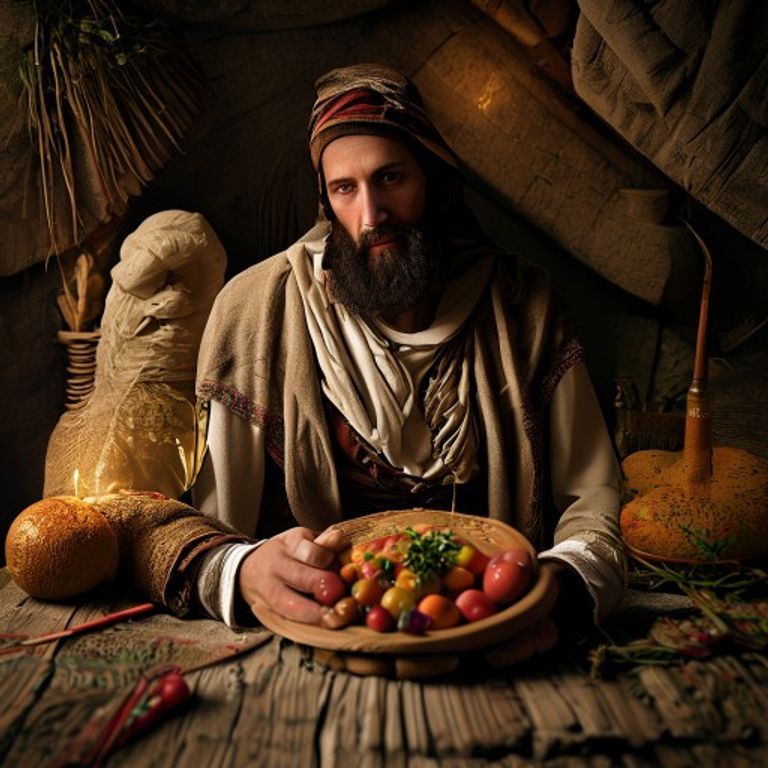
To truly understand the depth of the holiday, one must look at the individual elements that make up the Seder plate and the evening’s festivities. Below is a breakdown of the most essential traditions.
1. The Seder Plate (Kearot)
The Seder plate is the visual centerpiece of the evening. It holds several symbolic foods, each representing a different aspect of the Exodus story. Each item serves as a sensory trigger—bitter, sweet, soft, and crunchy—to evoke the emotions of the journey from slavery to freedom.
2. Matzah: The Unleavened Bread
Perhaps the most famous of all passover traditions is the consumption of Matzah. Because the Israelites fled Egypt in such haste that their dough didn’t have time to rise, they baked flat, unleavened bread. Today, matzah serves as a physical reminder of both the haste of the departure and the humility of the people.
3. Maror: The Bitter Herbs
To remember the bitterness and hardship of slavery, families eat Maror (typically horseradish or romaine lettuce). The sharp, pungent flavor is intended to make the diner physically react, mimicking the sting of forced labor.
4. Charoset: The Sweet Mortar
In stark contrast to the Maror, Charoset is a sweet paste made of fruits, nuts, and spices. While it represents the sweetness of freedom, its texture is intended to resemble the mortar used by the Israelites to build Egyptian structures, blending the sweetness of hope with the grit of labor.
5. Karpas: Springtime Symbolism
Often represented by a piece of parsley, Karpas symbolizes the renewal of spring and the blossoming of freedom. A common custom involves dipping the vegetable into salt water to represent the tears shed by the Israelites during their enslavement.
6. Z’roah: The Roasted Bone
A piece of lamb or chicken bone is placed on the plate to represent the Paschal sacrifice offered in the Temple in Jerusalem. It serves as a historical marker of the ancient sacrificial rites.
7. Beitzah: The Hard-Boiled Egg
The egg symbolizes the cycle of life and mourning. In Jewish tradition, eggs are also used during other festivals to represent the continuity of the Jewish people despite various hardships.
8. Four Cups of Wine
Throughout the Seder, participants drink four cups of wine (or grape juice). These represent the four expressions of redemption promised in the Torah: I will bring you out, I will rescue you, I will redeem you, and I will take you to My sanctuary.
9. The Maggid: Telling the Story
The “Maggid” is the central storytelling segment of the Seder. It is the formal retelling of the Exodus story from the Haggadah. This is not a passive lecture but a communal experience involving songs, questions, and discussions.
10. The Four Questions (Ma Nishtana)
Usually recited by the youngest person at the table, these questions ignite the curiosity of the participants and mark the transition from the meal to the historical narrative.
11. The Four Sons
The Seder discusses four types of children: the wise son, the foolish son, the simple son, and the one who does not know how to ask. This allegory provides a framework for how different generations engage with tradition and education.
12. Breaking the Matzah
During the meal, a piece of matzah is broken, and crumbs are intentionally dropped to symbolize the lack of food during the flight from Egypt. This physical act of “breaking” serves as a tactile connection to the history.
13. Elijah’s Cup
A cup of wine is set aside specifically for the prophet Elijah, who, according to Jewish tradition, will visit every Seder to signal the coming of the Messianic Age. This represents the hope for future redemption



Responses