
music for relaxation and sleep: 29 Incredible Ideas That Really Work

Table of Contents
- The Science: Why Does Sound Affect Our Sleep?
- 29 Incredible Ideas for Music for Relaxation and Sleep
- Comparison: Finding Your Ideal Sound Profile
- The Benefits of Using Music for Relaxation
- Common Mistakes to Avoid
- Expert Tips for Maximum Efficacy
- Challenges to Consider
- Conclusion
- Frequently Asked Questions (FAQ)
Music for Relaxation and Sleep: 29 Incredible Ideas That Really Work
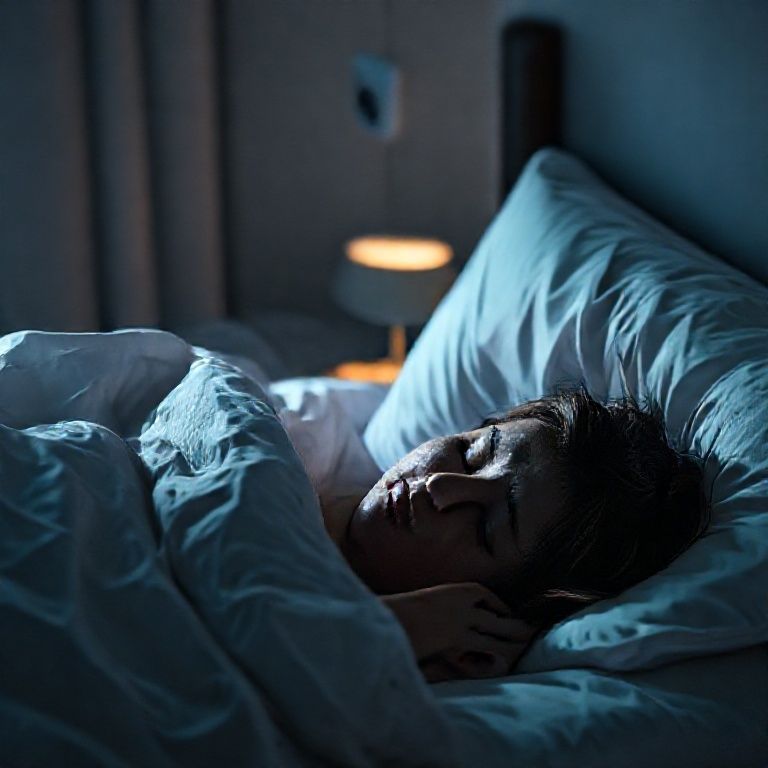
In an era defined by constant connectivity and high-stress environments, finding a way to “switch off” has become a modern necessity rather than a luxury. Many of us struggle with the racing thoughts that occur the moment our heads hit the pillow. This is where the science of sound comes into play. Using music for relaxation and sleep is not just a trend; it is a scientifically backed method to modulate our nervous system and prepare the body for restorative rest.
Whether you are dealing with chronic insomnia, high anxiety, or simply want to improve your sleep hygiene, the right auditory landscape can transform your nighttime routine. In this comprehensive guide, we explore 29 proven musical ideas, the science behind sound therapy, and how you can implement these techniques to reclaim your rest.
Before we dive into the specifics, it is worth noting that music is a powerful tool for mental well-being. For more deep dives into how sound influences our lives, you can explore our music insights.
The Science: Why Does Sound Affect Our Sleep?
To understand why calming sleep music works, we have to look at the relationship between sound waves and brainwave activity. Our brains operate on different frequencies: Beta (alertness), Alpha (relaxation), Theta (light sleep), and Delta (deep sleep).
When we listen to specific rhythmic patterns or low-frequency tones, we can trigger a process called “entrainment.” This is where our brainwaves begin to synchronize with the external rhythm of the music. For instance, slow, melodic music can help shift a person from a high-frequency Beta state—typical of a stressful workday—into the Alpha and Theta states required for slumber.
According to research cited by the Sleep Foundation, music can help reduce cortisol levels and lower heart rates, creating the ideal physiological environment for sleep onset.
29 Incredible Ideas for Music for Relaxation and Sleep
Not all music is created equal when it comes to sleep. Using heavy metal or high-tempo pop to fall asleep is likely to have the opposite effect. We have categorized these 29 ideas based on the “vibe” and the psychological impact they provide.
1. Nature-Based Soundscapes
Nature sounds are among the most effective forms of music for relaxation and sleep because they provide “pink noise”—a sound profile that mimics the natural rhythms of the world.
- 1. Gentle Rainfall: The rhythmic patter of rain acts as a natural white noise, masking disruptive household sounds.
- 2. Ocean Waves: The slow ebb and flow of tides mimics the cadence of human breathing.
- 3. Forest Ambience: Birds chirping softly and the rustling of leaves can create a sense of safety and openness.
- 4. Crickets at Night: A consistent, low-frequency rhythmic sound that signals the body it is time to rest.
- 5. Soft Thunder: For those who find distant, low-frequency thunder soothing, it can provide a sense of “cozy enclosure.”
2. Ambient and New Age Music
Ambient music is characterized by its lack of a driving beat or distracting lyrics, making it perfect for background listening.
- 6. Slow Piano Solos: Soft, minimalist piano pieces with plenty of “space” between notes.
- 7. Harp Melodies: The gentle plucking of harp strings is inherently soothing to the human ear.
- 8. Ethereal Pads: Synthesizer textures that feel “cloud-like” and expansive.
- 9. Spells and Chimes: Soft wind chimes can create a magical, dreamlike atmosphere.
- 10. Lo-Fi Chill: Low-fidelity beats, specifically those with a slow BPM (beats per minute), are excellent for unwinding.
3. Instrumental Classical and Neo-Classical
Classical music has been used for centuries to treat tension. The key is to avoid the intense crescendos of dramatic symphonies.
- 11. Baroque Era Music: Works by Bach or Vivaldi often follow mathematical patterns that the brain finds comforting.
- 12. Minimalist Modernism: Think Max Richter—repetitive, beautiful, and hypnotic.
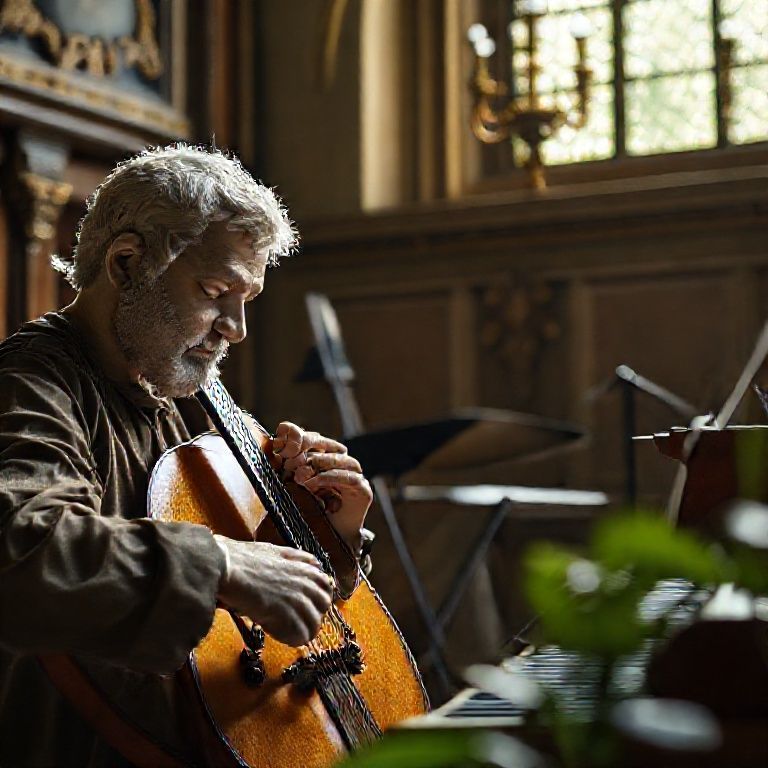
- 13. Solo Cello: The deep, resonant tones of a cello are incredibly grounding.
- 14. Acoustic Guitar Fingerpicking: Gentle, warm tones that feel personal and intimate.
- 15. Harp and Flute Duets: High-frequency, soft-attack instruments that aid in drifting off.
4. Frequency and Brainwave Entrainment
These are not “songs” in the traditional sense, but rather engineered audio tools.
- 16. Binaural Beats (Delta Waves): Two slightly different frequencies played in each ear to encourage deep sleep.
- 17. Solfeggio Frequencies: Specific frequencies like 528Hz, often used in sound healing.
- 18. White Noise: A steady, consistent signal across all frequencies to mask outside noise.
- 19. Pink Noise: More balanced than white noise, it sounds like rushing water or wind.
- 20. Brown Noise: A deeper, bass-heavy noise that is particularly effective for people with ADHD or racing thoughts.
5. Cultural and Spiritual Sounds
Many cultures use sound as a meditative tool to induce peace.
- 21. Tibetan Singing Bowls: The resonance of these bowls can trigger deep relaxation.
- 22. Indian Flute (Bansuri): Known for its breathy, soulful, and calming qualities.
- 23. Gregorian Chants: The steady, monophonic melodies are incredibly rhythmic and hypnotic.
- 24. Zen Meditation Music: Minimalist arrangements designed for deep focus and release.
- 25. Native American Flute: Often melodic, earthy, and deeply relaxing.
6. Hybrid and Experimental Ideas
- 26. ASMR (Autonomous Sensory Meridian Response): Whispering or tapping sounds that trigger a physical sensation of relaxation.
- 27. Dreamscape Soundscapes: A mix of synth pads and nature sounds.
- 28. Slow-tempo Jazz (Smooth Jazz): Saxophone or piano jazz played at a very low volume.
- 29. Spaced-out Space Ambient: Deep, echoing sounds that evoke the vastness of the cosmos.
Comparison: Finding Your Ideal Sound Profile
Since everyone’s brain reacts differently to sound, it is helpful to see how different types of calming sleep music compare across different needs.
| Sound Type | Best For… | Primary Benefit |
|---|---|---|
| Nature Sounds | Light sleepers/Noise masking | Natural, non-intrusive rhythm |
| Classical/Piano | Anxious minds | Emotional regulation |
| Binaural Beats | Chronic Insomnia | Brainwave entrainment |
| White/Brown Noise | ADHD/Light sleepers | Blocks sudden external sounds |
| Ambient/Lo-Fi | Transitioning to sleep | Reduces mental chatter |
The Benefits of Using Music for Relaxation
Incorporating music for relaxation and sleep into your nightly routine offers more than just “peace and quiet.” Here are the measurable benefits:
- Reduced Cortisol: Listening to soothing sounds can lower the body’s primary stress hormone.
- Improved Sleep Onset Latency: This is the technical term for how long it takes you to fall asleep. Music can significantly reduce this time.
- Increased Deep Sleep Duration: By stabilizing brainwaves, certain frequencies can help you spend more time in restorative Delta-wave sleep.
- Anxiety Reduction: Music provides a “distraction” for the mind, preventing the “what if” loops that keep us awake.
Common Mistakes to Avoid
Even with the best intentions, many people fail to see results because they use music incorrectly. Avoid these common pitfalls:
- Volume is Too High: Music should be a background element, not a performance. If you can “focus” on the melody, it might be too loud.
- Lyrics are Present: Words activate the language-processing part of your brain, which keeps you awake. For sleep, stick to instrumental.
- Changing Playlists Frequently: The goal is predictability. If your brain is waiting for the “next song,” it stays alert.
- Using Music with High Dynamics: Avoid music that has sudden loud crescendos (common in some classical music), as these will trigger an adrenaline spike.
Expert Tips for Maximum Efficacy
As a specialist in lifestyle optimization, I recommend these three tactical steps to ensure your sound therapy works:
- Use High-Quality Headphones or Speakers: Low-quality speakers can introduce “jitter” or digital artifacts that the brain perceives as annoying, even if you don’t consciously realize it.
- Set a Sleep Timer: If you use a phone, ensure you have a sleep timer set so the music doesn’t play all night, which could eventually disrupt your sleep cycles as the volume changes.
- Create a “Sound Ritual”: Play the same type of music every night. Over time, your brain will associate that specific soundscape with “sleep mode,” making it easier to drift off through classical conditioning.
Challenges to Consider
While calming sleep music is incredibly effective for most, it isn’t a magic pill. Some challenges include:
- Individual Sensitivity: For some, certain frequencies (like high-pitched bells) may actually be irritating.
- Over-reliance: While music is a great tool, it shouldn’t be the only solution if you are suffering from a clinical sleep disorder like sleep apnea.
- Audio Fatigue: Listening to the same repetitive loop for hours can sometimes lead to a “tiring” effect for the brain.
Conclusion
Optimizing your environment for sleep is one of the most impactful changes you can make for your long-term health. Using music for relaxation and sleep provides a non-invasive, cost-effective, and scientifically supported way to quiet the mind and prepare the body for rest. Whether you prefer the organic sounds of a rainstorm or the mathematical precision of binaural beats, there is a soundscape tailored for your specific needs.
Start tonight. Choose one of the 29 ideas above, set the volume low, and let the science of sound guide you into a deeper, more restful slumber.
Frequently Asked Questions (FAQ)
1. Can I use music for relaxation and sleep if I have ADHD?
Absolutely. In fact, many people with ADHD find that “Brown Noise” or low-tempo lo-fi music helps quiet the “mental noise” and allows them to focus on drifting off.
2. Is it better to use headphones or speakers for sleep music?
For most, soft external speakers are better as they create a natural sound field. However, if you live in a noisy environment, high-quality, sleep-friendly headphones (like sleep headband headphones) can be a game-changer.
3. How long should the music play?
It is best to use a sleep timer. Playing music for 30–60 minutes while you fall asleep is usually sufficient, as it helps bridge the transition from wakefulness to sleep.
4. Does the genre of music matter?
Yes. Generally, music without lyrics and with a steady, predictable rhythm is most effective for calming sleep music.



Responses