
MMA Training: 15 Essential Skills Every Fighter Needs


Table of Contents
- The Core Pillars of MMA Excellence
- The 15 Essential Skills for Every Fighter
- The Importance of Conditioning and MMA Workouts
- Benefits of a Structured MMA Training Program
- Common Mistakes in MMA Training
- Expert Tips for Faster Progress
- Challenges of the Sport
- Conclusion
- Frequently Asked Questions (FAQ)
MMA Training: 15 Essential Skills Every Fighter Needs to Master the Cage
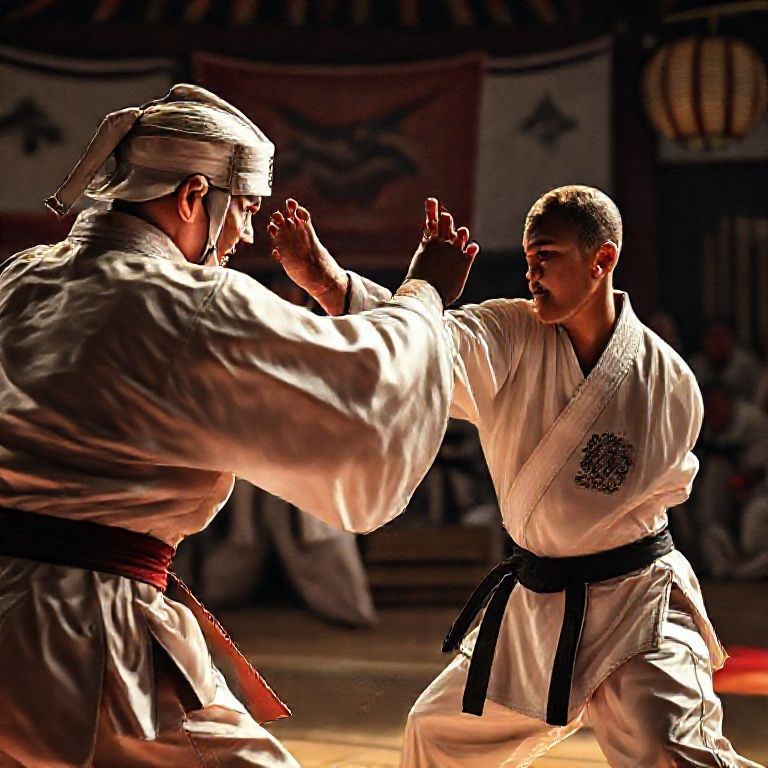
Entering the world of Mixed Martial Arts (MMA) is a transformative journey that demands more than just aggression. It is a high-stakes chess match played with human bodies, requiring a seamless blend of explosive power, technical precision, and mental fortitude. Whether you are a novice stepping into your first grappling class or a seasoned athlete preparing for a professional bout, your mma training regimen must be multidimensional.
In the modern era of combat sports, popularized by organizations like the UFC, the “specialist” is a dying breed. You can no longer rely solely on being a heavyweight boxer or a high-level Brazilian Jiu-Jitsu practitioner. To succeed, you must become a hybrid athlete. You need to know how to strike, how to clinch, how to wrestle, and—perhaps most importantly—how to do all of them while exhausted.
In this comprehensive guide, we will break down the 15 essential skills required to excel in the cage. From technical mechanics to the physiological demands of intense mma workouts, this is your blueprint for combat excellence.
The Core Pillars of MMA Excellence
To understand how to train effectively, we must first categorize the skills. MMA is not a single discipline; it is the intersection of several distinct systems. We can divide these into three main categories: Striking, Grappling, and Transitional Mechanics (the “glue” that holds the fight together).
1. Precision Striking (The Art of Impact)
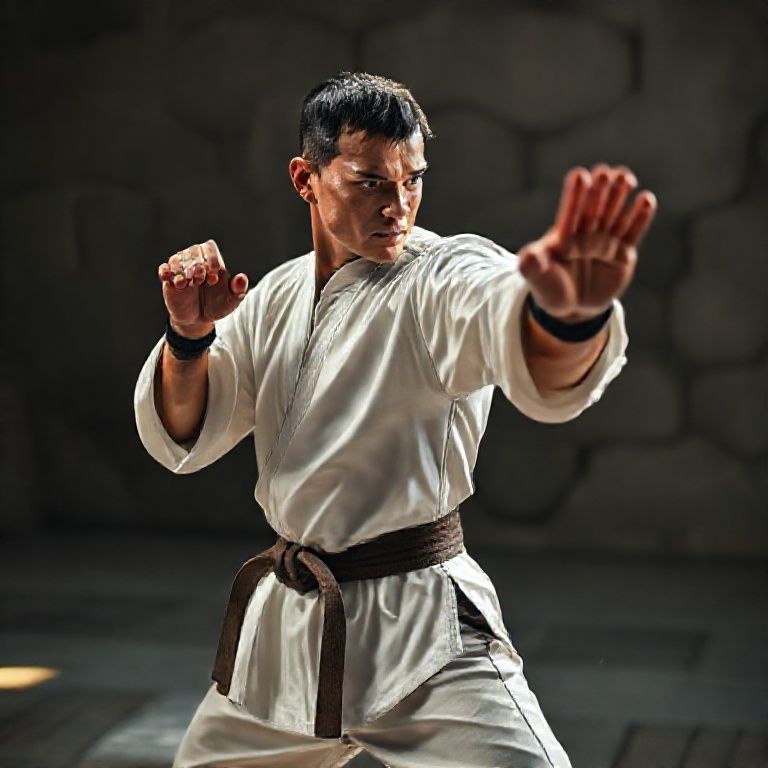
Striking is the most visible aspect of combat. However, effective striking isn’t just about throwing hard punches; it is about timing, distance, and accuracy. You must master the fundamentals of various disciplines:
- Boxing: Hand speed, head movement, and ability to throw combinations.
- Muay Thai: Using the “eight limbs”—the use of elbows, knees, shins, and fists.
- Kickboxing: The rhythm and footwork required to bridge the gap between striking and grappling.
2. Grappling and Ground Control
Once the fight hits the floor, the game changes entirely. If you lack grappling proficiency, you are essentially a “sitting duck.” Mastering the ground requires:
- Wrestling: The ability to dictate where the fight takes place through takedowns and sprawls.
- Brazilian Jiu-Jitsu (BJJ): Submissions, positional dominance, and defensive guard work.
3. The “Glue”: Transitional Skills
This is where most fighters fail. Transitional skills are the moves used when moving from a punch to a clinch, or from a takedown into a submission attempt. Without these, you are just a striker who sometimes wrestles, rather than a true MMA fighter.

The 15 Essential Skills for Every Fighter
Let’s dive into the specific technical skills that every practitioner should incorporate into their mma training schedule. This list is designed to build a well-rounded combatant capable of handling any opponent.
| Skill Category | Essential Skill | Primary Focus |
|---|---|---|
| Striking | 1. Distance Management | Maintaining the “pocket” to avoid damage while staying in range to strike. |
| Striking | 2. Combinations | Linking punches, kicks, and knees to disrupt the opponent’s rhythm. |
| Striking | 3. Clinch Work | Using knees and short elbows in close quarters. |
| Wrestling | 4. Takedown Defense (Sprawling) | The ability to stop an opponent from initiating the grappling game. |
| Wrestling | 5. Level Changes | Rapidly moving the hips from standing to shooting for a leg. |
| Wrestling | 6. Cage Wrestling | Using the fence to control an opponent and facilitate takedowns. |
| Grappling | 7. Positional Dominance | Moving from guard to side control, mount, or back control. |
| Grappling | 8. Submission Transitions | Attacking a limb while simultaneously defending an opponent’s attack. |
| Grappling | 9. Hip Escapology | Using frames and shrimp movements to create space while on the bottom. |
| Defense | 10. Head Movement | Slipping, rolling, and parrying to avoid incoming strikes. |
| Defense | 11. Guard Retention | Keeping an opponent’s weight off you while you are on your back. |
| Tactics | 12. Feints | Using “fake” movements to draw a reaction and create openings. |
| Tactics | 13. Counter-Striking | Timing an opponent’s movement to land a more damaging blow. |
| Tactics | 14. Clinch Breaks/Entries | Knowing exactly when to engage or disengage the clinch. |
| Tactics | 15. Fight IQ (Spatial Awareness) | The mental ability to read an opponent and adjust strategy mid-fight. |

The Importance of Conditioning and MMA Workouts
You can be the most skilled technician in the world, but if you “gas out” (reach cardiovascular exhaustion) in the first three minutes, you will lose. This is why mma workouts are fundamentally different from traditional weightlifting or marathon training.
MMA requires High-Intensity Interval Training (HIIT). Combat is a series of explosive bursts followed by periods of intense tension and brief moments of active recovery. To prepare for this, an athlete’s conditioning must include:
1. Aerobic Capacity
The base layer of your fitness. This allows you to recover between rounds and sustain activity over a long period. Long-distance running or swimming helps build this “engine.”
2. Anaerobic Power
This is the ability to perform at maximum intensity (e.g., exploding for a takedown or unleashing a 10-strike combination). Sprints and hill climbs are excellent for this.
3. Isometric Strength
In grappling, you aren’t just moving weight; you are holding weight. Holding a person against the fence or maintaining a heavy top position requires immense isometric strength—the ability to hold a muscle contraction for a long period.
Benefits of a Structured MMA Training Program
Beyond the obvious combat benefits, engaging in systematic martial arts training offers profound physiological and psychological advantages. Many athletes find that their overall lifestyle shifts toward wellness simply by joining a gym. For more insights into various competitive disciplines, check out our sports category.
- Full-Body Functional Strength: Unlike gym machines that isolate muscles, MMA requires “compound” movements that recruit multiple muscle groups simultaneously.
- Mental Resilience: Sparring teaches you how to remain calm under physical pressure—a skill that translates directly to high-stress work environments.
- Neuroplasticity: Learning complex patterns (like BJJ sequences) improves cognitive function and coordination.
- Stress Relief: The intense physical output of combat sports is one of the most effective ways to vent frustration and reduce cortisol levels.
Common Mistakes in MMA Training
Even professional athletes fall into these traps. If you are a beginner, be wary of the following:
- Neglecting Defense: Many practitioners focus on “flashy” offensive moves (spinning kicks, high-amplitude throws) while ignoring basic defensive posture. You cannot win if you cannot stay in the fight.
- Overtraining: Because the intensity of MMA is so high, “going 100%” every single day leads to injury or burnout. You must balance hard sparring with technical drilling.
- Ignoring Recovery: Sleep, nutrition, and mobility work are not “optional.” They are as much a part of your training as the actual class.
- Specialization Bias: Many fighters fall into the trap of “only training boxing” or “only training BJJ.” A true MMA fighter must treat all aspects of the sport with equal importance.
Expert Tips for Faster Progress
Based on the training methodologies used by elite camps, here are three professional tips to accelerate your development:
- Film Your Sparring: You might think you look like Mike Tyson in the mirror, but video footage will reveal if your hands are dropping or your weight is off. Self-analysis is key to correction.
- Master the Basics First: Don’t try to learn a jumping 360 kick before you have mastered the jab and the sprawl. Complexity without foundation is useless.
- Focus on “Flow”: In grappling, strength can only take you so far. Learn to use the opponent’s momentum against them. This is the difference between a grappler and a wrestler.
Challenges of the Sport
It is vital to be realistic. MMA is a grueling sport. The physical toll on the joints—particularly the knees, neck, and shoulders—can be significant. Furthermore, the mental toll of “losing” during training (getting tapped out or out-struck) can be bruising to the ego. Success in this sport requires a certain level of obsession and a willingness to embrace discomfort.
Conclusion
Mastering mma training is a lifelong pursuit. There is no finish line; there is only continuous refinement. By focusing on the 15 essential skills—from distance management to fight IQ—and supporting that technical growth with rigorous, scientifically-backed mma workouts, you build a foundation that can withstand any challenge in the cage.
Remember, the best fighter isn’t always the one who can hit the hardest, but the one who can most effectively adapt to the chaos of the fight. Stay disciplined, prioritize your recovery, and keep refining your craft.
Frequently Asked Questions (FAQ)
How often should a beginner do MMA training?
For a beginner, 3 to 4 sessions per week is ideal. This allows for enough technical instruction without overwhelming the body and leading to injury. As you progress, you may increase this frequency.
Do I need to be strong to do MMA?
Strength is an advantage, but skill and conditioning are more important. A stronger fighter who cannot breathe or cannot defend a takedown will almost always lose to a more technically proficient, well-conditioned fighter.
What is the most important skill for MMA?
While it varies by fighter, most experts agree that takedown defense and cardiovascular endurance are the two most critical “gatekeeper” skills. If you cannot stay standing or you are too tired to move, your technical skill becomes irrelevant.
Is MMA dangerous for my health long-term?
All contact sports carry risks. The primary concern in MMA is head trauma. To mitigate this, practitioners should focus on technical drilling, use proper protective gear (mouthguards, headgear), and limit the frequency of full-contact sparring.





Responses