
halloween traditions: 20 Spooky Customs That Everyone Enjoys

Table of Contents
- The Origins: Where Halloween Traditions Began
- 20 Spooky Halloween Traditions Everyone Loves
- Comparison of Halloween Celebration Styles
- Benefits of Participating in Halloween Traditions
- Challenges of Modern Halloween Celebrations
- Expert Tips for a Successful Halloween
- Common Mistakes to Avoid
- Conclusion
- Frequently Asked Questions (FAQ)
Halloween Traditions: 20 Spooky Customs That Everyone Enjoys
As the leaves begin to turn amber and a crisp chill settles into the evening air, a familiar sense of mischief and mystery begins to creep into our neighborhoods. Halloween is no longer just a date on the calendar; it is a global cultural phenomenon that blends ancient mysticism with modern-day festivities. From the flickering light of a jack-o’-lantern to the chaotic joy of trick-or-treating, the way we celebrate this season has evolved significantly over centuries.
Understanding the roots of halloween traditions allows us to appreciate the layers of history tucked behind every spooky decoration. Whether you are a lifelong fan of the macabre or a newcomer looking for ways to celebrate, this guide explores the most beloved customs that bring communities together every October. For a deeper dive into how these celebrations shape modern society, you can explore more about global culture and its many facets.
The Origins: Where Halloween Traditions Began
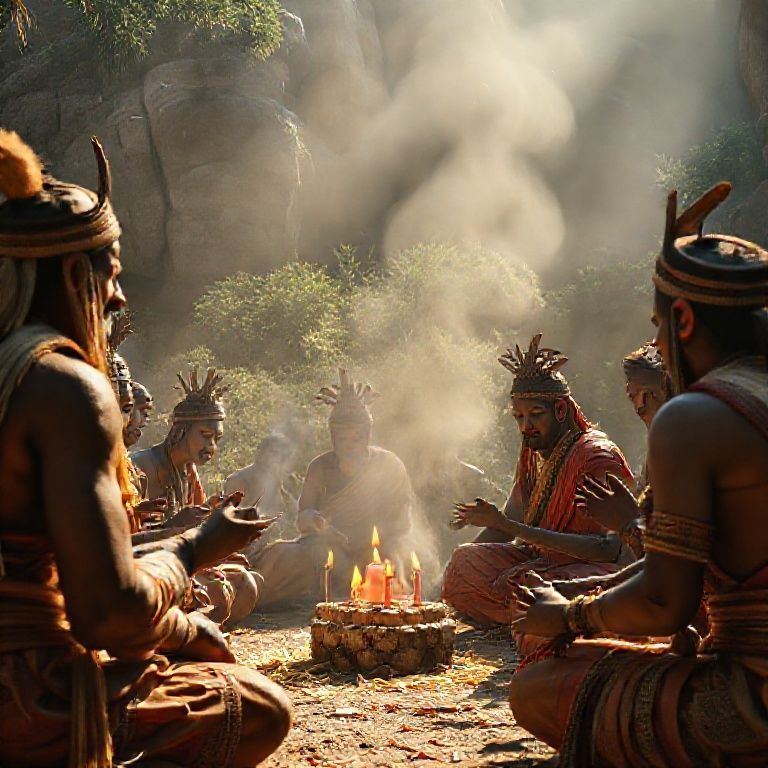
To understand why we do what we do today, we must look back at the ancient Celtic festival of Samhain. According to Wikipedia, Samhain marked the end of the harvest season and the beginning of the “dark half” of the year. The Celts believed that during this time, the veil between the world of the living and the world of the dead was at its thinnest.
This ancient belief is the DNA of modern halloween customs. What started as a ritualistic period of protection and prayer has transformed into a vibrant, commercially successful, and community-driven celebration. Today, we use these traditions to foster connection, whether through a neighborhood parade or a simple family movie marathon.
20 Spooky Halloween Traditions Everyone Loves
To celebrate the season, we have curated a list of the most iconic and enjoyable traditions that bridge the gap between ancient ritual and modern fun.
1. Trick-or-Treating: The Ultimate Neighborhood Connection
Perhaps the most iconic tradition, trick-or-treating turns the neighborhood into a giant scavenger hunt for sweets. It is a rare moment where adults and children interact in a communal, playful way, strengthening community ties through the shared language of candy and costumes.
2. Pumpkin Carving: Creating Jack-o’-Lanterns
The tradition of carving pumpkins stems from the old English custom of carving turnips. Today, the pumpkin is the undisputed king of Halloween. From terrifying skulls to cute faces, carving pumpkins is a staple family activity that encourages creativity.
3. Dressing Up in Costumes
Whether you are a superhero, a ghost, or a historical figure, wearing a costume is a fundamental part of the experience. It allows people to step out of their daily lives and embrace a different persona, providing a psychological “break” from reality.
4. Visiting Haunted Houses
For those craving an adrenaline rush, haunted houses offer a controlled environment to experience fear. These immersive experiences use jump scares, fog machines, and elaborate sets to entertain crowds.
5. Bobbing for Apples
This classic parlor game, which dates back many years, involves trying to grab an apple from a floating container using only your teeth. It is a centerpiece for many Halloween parties.
6. Watching Horror Movies
A quintessential fall activity. Whether it’s a classic like Halloween or a modern psychological thriller, movies set the mood for a spooky evening.
7. Apple Cider and Seasonal Treats
The flavors of Halloween are specific: cinnamon, nutmeg, and apple. Sipping warm cider is a comforting way to balance the spooky vibes.
8. Spooky Decorating
From spiderwebs in the corners of porches to skeletons in the yard, decorating homes is a way for residents to signal their participation in the cultural moment.
9. Halloween Parties
From elaborate masquerades to simple gatherings, parties are the social engine of the holiday.
10. Ghost Stories
Gathering around a fire or in a dimly lit room to tell urban legends is a way of passing down folklore through generations.
11. Costume Contests
Adding a layer of competition to the festivities, costume contests encourage people to go above and beyond with their creativity.
12. Pumpkin Patch Visits
Many families make a yearly trip to a local farm to pick out the “perfect” pumpkin, turning a shopping trip into a seasonal outing.
13. Visiting Cemeteries (Respectfully)
In some cultures, visiting gravesites to honor the ancestors is a way to bridge the gap between the past and present.
14. Making “Potions” or Spooky Drinks
Mixology meets magic as people create bright green or deep red themed cocktails and mocktails for their guests.
15. Scavenger Hunts
Hidden items around the house or neighborhood add a layer of engagement for children.
16. Face Painting
A safer alternative to full costumes, face painting allows children to transform themselves into mythical creatures instantly.
17. Reading Gothic Literature
For the more intellectual celebrants, diving into Poe or Stoker provides a sophisticated way to engage with the theme.
18. Lighting Jack-o’-Lanterns on the Porch
This acts as a beacon, signaling to trick-or-treaters that a house is participating in the fun.
19. Halloween Music Playlists
From “Thriller” to “Monster Mash,” the soundtrack of Halloween is essential for setting the atmosphere.
20. Candy Corn and Seasonal Sweets
While controversial to some, the specific seasonal candies are a hallmark of the holiday’s culinary landscape.
Comparison of Halloween Celebration Styles
Not everyone celebrates Halloween the same way. Depending on your personality, you might prefer a quiet night in or a chaotic night out. Here is a quick breakdown:
| Celebration Type | Primary Activity | Best For… | Atmosphere |
|---|---|---|---|
| The Homebody | Movies & Horror Reads | Introverts & Families | Cozy & Spooky |
| The Socialite | Parties & Costume Contests | Large Groups & Friends | High Energy |
| The Adrenaline Junkie | Haunted Houses | Thrill Seekers | Intense & Scary |
| The Traditionalist | Pumpkin Carving & Trick-or-Treating | Children & Neighborhoods | Whimsical & Communal |
Benefits of Participating in Halloween Traditions
Participating in halloween traditions offers more than just a sugar rush. There are significant psychological and social benefits to these seasonal rituals:
- Community Bonding: Trick-or-treating and neighborhood decorations foster a sense of belonging and shared identity within a local area.
- Creative Expression: Costume design and pumpkin carving serve as outlets for artistic expression for both children and adults.
- Stress Relief: Engaging in “safe scares” (like haunted houses) can actually help some people process minor anxieties in a controlled environment.
- Cultural Connection: It provides a way to connect with historical folklore and ancestral roots.
Challenges of Modern Halloween Celebrations
While largely fun, the modern iteration of these customs does come with challenges:
- Sugar Consumption: The sheer amount of candy involved can lead to nutritional concerns for children.
- Cost of Decor: For some families, the expense of high-quality costumes and decorations can be a burden.
- Safety Concerns: Trick-or-treating requires careful supervision to ensure children are safe from traffic and strangers.
- Environmental Impact: The massive amount of single-use plastic in costumes and decorations creates significant waste.
Expert Tips for a Successful Halloween
To make the most of your festivities, consider these professional tips from event planners and community organizers:
For Parents
Plan your trick-or-treating route in advance. Use a map to identify houses that have “lights on,” signaling they are participating. Also, always have a “non-food” alternative (like stickers) for children with severe allergies.
For Hosts
Lighting is everything. Use low-level, warm-colored LED lights to create a spooky atmosphere without making it too dark for guests to navigate safely.
For Costumers
Comfort is key. If you are attending a party, ensure you can sit, eat, and walk in your costume. Nothing ruins a night like a mask that prevents you from seeing or breathing easily.
Common Mistakes to Avoid
Even with the best intentions, Halloween can hit a snag if these common mistakes are made:
- Ignoring Allergies: Failing to check for nut or dairy allergies when serving treats can be dangerous.
- Over-Complexity in Costumes: If your costume requires five people to help you put it on, you won’t be able to enjoy the party.
- Poor Lighting: Creating a “scary” dark environment is great, but it shouldn’t lead to trips and falls.
- Neglecting Trash Management: Halloween generates a lot of waste. Always have dedicated bins for candy wrappers and organic pumpkin scraps.
Conclusion
Whether you lean toward the dark and mysterious or the bright and sugary, halloween traditions provide a unique opportunity to step outside the mundane. These customs, from the ancient roots of Samhain to the modern chaos of haunted houses, serve to connect us to our neighbors, our creativity, and our shared human fascination with the unknown. By embracing these rituals thoughtfully, we can ensure that the magic of the season continues for generations to come.
As you prepare for your next spooky adventure, remember that the best part of Halloween isn’t the candy or the ghosts—it’s the joy of shared experience and the freedom to be whoever you want to be for one night of the year.
Frequently Asked Questions (FAQ)
What is the history of trick-or-treating?
Trick-or-treating has roots in “souling,” a medieval tradition where people would offer prayers for the dead in exchange for food. In the early 20th century, it evolved into a way for children to go door-to-door to avoid being “tricked” into mischief.
Is pumpkin carving an old tradition?
Yes, but it wasn’t always pumpkins. In Ireland and Scotland, people carved turnips and beets. When immigrants moved to America, they found pumpkins to be much easier to carve, which led to the modern tradition.
How can I celebrate Halloween on a budget?
Focus on DIY! Homemade costumes using thrifted clothes, homemade pumpkin carving, and hosting a movie marathon are all low-cost ways to enjoy the season.
What are some safe Halloween activities for kids?
Activities like pumpkin painting (instead of carving), spooky scavenger hunts, and themed crafts are excellent, low-risk alternatives for younger children.
Why do people wear costumes on Halloween?
Historically, wearing costumes was a way to hide from or appease spirits during Samhain. Today, it is a way to celebrate creativity and play a role in a festive community event.



Responses