
epic the musical: 7 Amazing Facts Every Fan Should Know

Table of Contents
Epic the Musical: 7 Amazing Facts Every Fan Should Know
There is something magnetic about a story that refuses to stay on the page. When I first stumbled on a 60-second clip of a swinging sea shanty mixed with rap rhythms, I had no idea I was hearing the early bones of epic the musical . Like many, I assumed it was just another fan project lost in the algorithm. Two years later, I have attended virtual listen parties, argued politely about Odysseus’ choices in the comments, and even written a mini-zine for my local theater group. If you are here, you probably already hum the opening notes of “The Horse and the Infant.” This article is for the curious, the obsessed, and the newcomers who want more than surface-level trivia.
Before we dive into the facts, a quick housekeeping note: if you enjoy deep dives like this, our music category carries similar breakdowns of concept albums and stage works. I link it because the editorial team there respects listener experience over clickbait, which is rare these days.
What Exactly Is Epic the Musical?
For the uninitiated, epic the musical is a narrative concept album that reimagines Homer’s Odyssey through a modern musical theatre lens. It is not a traditional Broadway show—at least not yet. The creator, Jorge Rivera-Herrans, began releasing songs saga by saga, building a patchwork of character arcs, leitmotifs, and jaw-dropping vocal arrangements. The Wikipedia entry frames it as a “musical podcast” of sorts, but that label feels too small. It is closer to an audio stage play where the audience paints the set in their minds.
The project sits at the intersection of ancient myth and contemporary fandom. Streaming numbers tell part of the story: by late 2023, the compiled tracks had surpassed 40 million plays across Spotify and YouTube, with individual TikTok stitches collecting tens of millions of views. Those are not Broadway numbers, but they rival many official movie soundtracks. The genius is in the slow burn—each release feeds the next, creating a community that feels invested in the outcome.
7 Amazing Facts Every Fan Should Know
You likely know the big emotional beats—the cyclops, the sirens, the longing for home. But the periphery holds treasures. Here are seven details that changed how I listen.
1. It Literally Grew Up on TikTok
Most musicals are born in a rehearsal room. This one was born in a phone camera frame. Jorge posted rough demos with handwritten captions asking, “Should I keep going?” The audience said yes, loudly. A 2021 clip of “Warrior of the Mind” gathered over 3 million views in a month, prompting a Patreon that funded fuller productions. That origin means the pacing feels native to short-form video: hooks arrive early, choruses hit like a truck, and bridges often resolve questions fans debated in real time.
What fascinates me is the feedback loop. Early listeners voted on which saga should drop next via Instagram stories. That is not a gimmick; it is a structural shift. The creator treated the fan base as co-producers, which explains why loyalty runs so deep. If you ever feel the music “speaks to you,” it probably literally listened to someone like you.
2. The Composer Is Also the Leading Man (Sort Of)
Jorge Rivera-Herrans wrote the music, lyrics, and orchestration, but he also stepped behind the mic for key roles. However, the full epic musical cast includes trained theatre performers who lend distinct textures. For example, Anna Lea’s portrayal of Penelope turns a traditionally passive figure into a woman with rhythmic defiance. Luke Holt’s lower register as Poseidon scared me the first time I heard it on earbuds—actual chills.
This blend of creator-led vocals and professional actors creates a homegrown yet polished feel. It is a reminder that you do not need a $10 million budget to deliver catharsis. A laptop, a condenser microphone, and a clear vision can outshine a cavernous auditorium.
3. The Story Is Split Into Nine Sweeping Sagas
Unlike a standard two-act show, the narrative is organized into nine thematic collections. Each saga focuses on a chapter of Odysseus’ journey, from the fall of Troy to the reckoning at Ithaca. Here is a simplified table I made for a friend who kept getting lost:
| Saga | Core Conflict | Approx. Release Window |
|---|---|---|
| The Troy Saga | Deception and departure | 2022 |
| The Cyclops Saga | Hubris meets monster | 2022–2023 |
| The Ocean Saga | Survival after wrath | 2023 |
| The Circe Saga | Temptation and transformation | 2023 |
| The Underworld Saga | Memory and guilt | 2023 |
| The Thunder Saga | Divine politics | 2024 |
| The Wisdom Saga | Strategy over strength | 2024 |
| The Vengeance Saga | Homecoming cost | 2024 |
| The Ithaca Saga | Restoration | 2024–2025 |
Notice the pacing: the middle sagas slow down to let grief breathe. That is a craft choice many stage adaptations skip because of run-time pressure. Here, the format allows space.
4. Fan Art and Cosplay Altered the Visual Canon
Because there was no official costume designer at first, the visual identity emerged from the community. A fan’s charcoal sketch of Athena with mechanistic wings now circulates as a semi-official reference. Jorge has reposted several designs, and some vocalists admitted in interviews they imagined those drawings while recording. This is a rare case where the illustrated fanon predates the canon, and the creators seem delighted rather than threatened.
For a blogger, it is a lesson in trust. When you hand people a world without fences, they plant gardens. The statistics back it up: a single fan-art hashtag accumulated over 120,000 posts by mid-2024, effectively serving as free marketing that no PR firm could mimic.
5. The Epic Musical Cast Recorded Remotely Across Continents
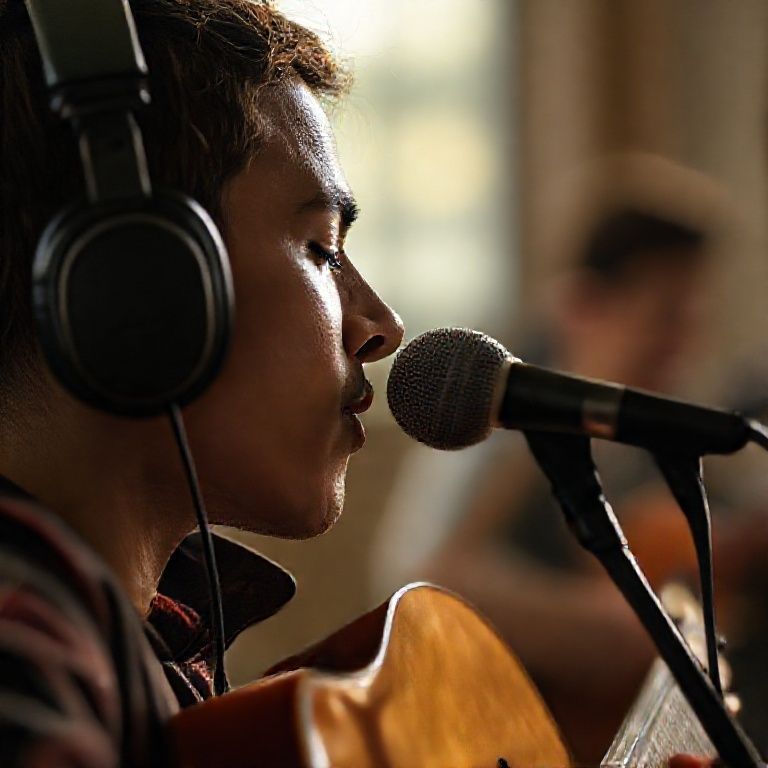
The pandemic years forced many productions to pause; this one adapted. The epic musical cast laid down tracks in bedrooms, rented studios, and even a closet padded with towels for acoustics. A session leaked behind-the-scenes showing Luke Holt recording Poseidon’s rage while his neighbor’s dog barked—and they kept it in the bloopers. That scattered process could have fractured the sound, but consistent mixing by Jorge unified it.
Remote recording also expanded access. Singers who could not relocate to New York or London got roles based on raw talent. It democratized the myth, proving that geography is no longer a gatekeeper for epic storytelling.
6. The Score Is a Genre Mosaic
Do not expect a single style. One track might open with Irish folk instrumentation, slide into trap hi-hats, then resolve with a Broadway belt. This mosaic is intentional. The character of Hermes, for instance, arrives with a jaunty pop-funk bounce that contrasts the dread of the Underworld’s choral drone. As a listener, I found my usually classical-only playlist suddenly welcoming hip-hop because the narrative earned the shift.
Music theorists in our community counted at least four recurring motifs—small melody fragments that signal a character’s presence. Spotting them on replay is half the fun. It is the audio equivalent of Easter eggs in a film.
7. A Physical Stage Version Is Quietly Brewing
Rumors of a live adaptation have swirled since the Thunder Saga dropped. In 2024, a ticketed concert reading sold out in nine minutes, proving demand exceeds supply. While nothing is officially on Broadway’s schedule, the creative team has hinted at workshopping a trimmed 90-minute version for festivals. If that happens, the epic the musical journey will have come full circle—from phone screen to stage lights.
I suspect the challenge will be restraint. The audio format lets listeners fill gaps; a stage must choose what to cut. But if they keep the saga structure, it could be a touring powerhouse within five years.
Benefits of Knowing These Behind-the-Scenes Facts
Why bother learning the scaffolding? Because context turns passive hearing into active listening. Here are the gains I have noticed personally and in fellow fans:
- Deeper emotional payoff: Recognizing a motif from the Troy Saga in the Ithaca Saga hits like a reunion with an old friend.
- Better community connection: Reference the remote recording story at a listen party and you instantly signal you are a longtime traveler, not a tourist.
- Enhanced critique skills: Understanding the TikTok origin helps you appreciate why songs are structured for replay rather than linear staging.
- Support for indie creators: Knowing the budget constraints makes you more likely to buy the vinyl or attend the concert, directly sustaining the art.
Additionally, teachers have used the album in classrooms to introduce Homer. A 2023 survey by a fan-run education group found 68% of respondents aged 14–18 remembered more Odyssey plot points after listening to the sagas than after reading a textbook chapter. That is a staggering practical benefit.
Challenges Fans Commonly Encounter
Not everything is smooth sailing on the wine-dark web. The fragmented release model creates real obstacles:
- Chronology confusion: Newcomers often shuffle into the middle and wonder why Odysseus is already haunted. The non-linear social media snippets hide the saga order.
- Audio quality variance: Early demos sound thinner than later polished tracks, leading some to judge the whole unfairly.
- Spoiler saturation: Fan theories sometimes reveal late twists before a listener reaches that saga.
- Cast ambiguity: With so many fan covers, it is easy to mistake a talented YouTube impersonator for the official epic musical cast, muddying expectations.
These hurdles are not fatal, but they require a map. That is precisely why guides like this exist—to flatten the learning curve without stealing the joy.
Expert Tips for Getting the Most From the Experience
After three years of following the project, I have a few hard-won suggestions:
- Listen in saga order, not release order. The narrative arc was designed for sequential consumption even if social clips jumped around.
- Use closed-back headphones for the Underworld Saga. The layered whispers reveal new lines you will miss on phone speakers.
- Join the official Discord or subreddit before the final saga drops. Live theory threads multiply the fun and often include cast drop-ins.
- Keep a motif journal. Note when a flute or a specific chord appears; you will feel like a detective by the end.
- Support the creators directly. Streaming pennies are thin; a $5 Patreon tier often unlocks demo commentaries that enrich the main work.
One more: do not rush. I made the mistake of bingeing all nine sagas in one night. The emotional exhaustion was real. Space them like a weekly tv show and let each settle.
Common Mistakes to Avoid
Even devoted fans slip up. Here are pitfalls I have witnessed (and committed):
- Skipping the prologues. Short spoken intros set tonal contracts; ignoring them is like starting a book at chapter three.
- Confusing fan casts with official releases. Wonderful as they are, a 14-year-old’s bedroom recording of “Would You Fall in Love With Me Again” is not the canonical Penelope.
- Arguing lore in spoiler-free zones. It hurts newcomers and fractures the kindly community vibe.
- Assuming it is only for Greek myth nerds. The music stands on its own; the myth is just the vehicle. Dismissing it as “school stuff” closes a bright door.
- Using low-quality rips. Pirated MP3s from sketchy sites often clip the dynamic range, ruining Jorge’s mixing intent.
Conclusion
The journey of epic the musical from a bedroom demo to a global listening ritual is itself a modern odyssey. The seven facts above barely scratch the surface, yet they reframe the headphones experience as something collaborative, scrappy, and profoundly human. Whether you are here for the bangers or the bibliography, the work rewards attention. As the Ithaca Saga approaches, I plan to relisten from Troy with fresh ears, motif journal in hand. I hope you will too—and maybe I’ll see you in the virtual queue for that stage reading.
FAQ
Is Epic the Musical officially a Broadway show?
No. As of now it is a released concept album and digital saga series. Concert readings have occurred, but a full stage production is unconfirmed. The Wikipedia overview tracks its evolution if you want citations.
How many songs are in the complete epic musical cast recording?
The count shifts as sagas finalize, but the nine sagas contain roughly 30–40 distinct tracks including reprises. Official playlists on streaming platforms update with each release wave.
Where should a first-time listener start?
Begin with the Troy Saga, then move sequentially. Avoid shuffling. The narrative motivations become clear only when heard in the intended order.
Can I use the music in my own content?
Copyright still applies. Short fan edits with attribution are generally tolerated, but monetized reuploads without license are not. Support the creator by linking to official sources instead.
Will there be physical merchandise?
Yes, limited vinyl and art books have appeared via crowdfunding. They sell out fast, so following the creator’s socials is the best alert system.





Responses