
christmas traditions in germany: 17 Magical Traditions That Still Inspire Millions

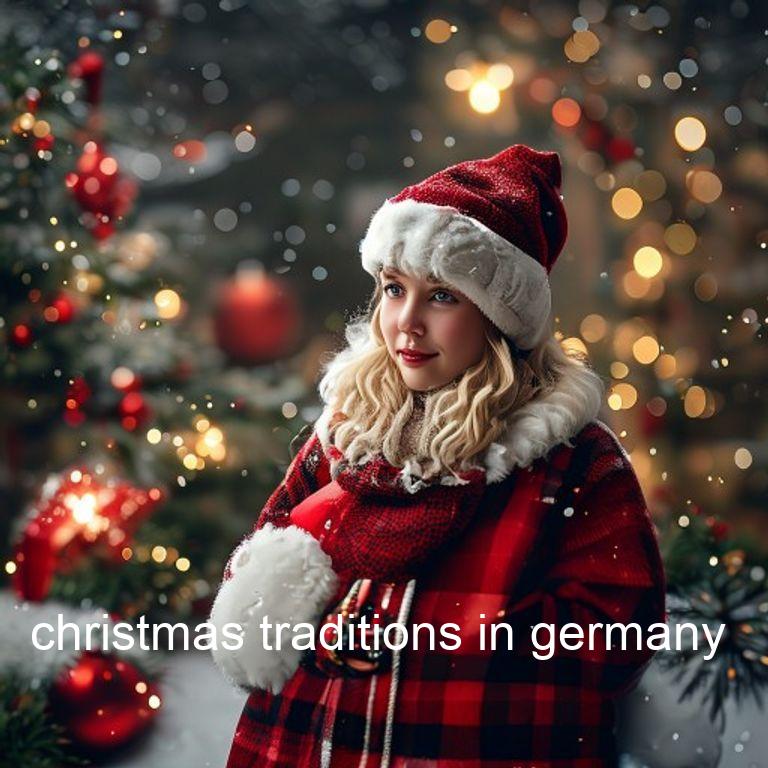
Table of Contents
Christmas Traditions in Germany: 17 Magical Traditions That Still Inspire Millions
Every December, something quietly magical happens across Germany. Towns glow with candlelight, the smell of cinnamon and roasted almonds drifts through frozen air, and families gather around trees decorated with real wax candles. If you have ever wondered why the Western world celebrates Christmas the way it does, the answer often leads back to the Rhine, the Black Forest, and the snowy villages of Bavaria. In this article, we explore christmas traditions in germany that have shaped holidays far beyond Europe and continue to inspire millions each year.
From hand-carved nutcrackers to four-week Advent rituals, German holiday culture is both deeply local and surprisingly global. If you enjoy reading about how people celebrate around the world, you can find more on our culture section.
Why German Christmas Culture Matters Today
Germany is widely credited with popularizing many customs now considered standard in the United States, UK, and beyond. According to a 2023 survey by the German National Tourist Board, more than 80 million people visit German Christmas markets annually, making them one of the largest seasonal travel attractions in the world.
The reason these german christmas traditions endure is simple: they combine faith, family, craftsmanship, and comfort during the darkest days of the year. They are not just decorations; they are emotional anchors.

17 Magical Christmas Traditions in Germany
1. Advent Calendars (Adventskalender)
The Advent calendar originated in 19th-century Germany as a way to count down the 24 days before Christmas. Early versions used chalk marks on doors; today, filled chocolate calendars are a global staple.
2. Advent Wreaths (Adventskranz)
Four candles on a fir wreath, lit weekly, symbolize hope, peace, joy, and love. Many German households still make their own.
3. Christmas Markets (Weihnachtsmärkte)
Dating back to the Late Middle Ages, Nuremberg’s Christkindlesmarkt alone draws about 2 million visitors each season.
4. The Christkind
In many regions, a golden-haired angel child delivers gifts, not Santa. The Christkind emphasizes giving over commercialism.
5. St. Nicholas Day (Nikolaustag)
On December 6, children leave boots outside; good ones get sweets, bad ones get twigs from Knecht Ruprecht.
6. Handcrafted Wooden Decorations
The Erzgebirge region is famous for nutcrackers and smoking men (Räuchermännchen).
7. Real Candles on the Tree
Despite fire risks, many Germans prefer real candles for authenticity.
8. Gingerbread (Lebkuchen)
Nuremberg Lebkuchen is protected by EU geographical indication status.
9. Stollen Fruit Bread
Dresden’s Christstollen has been baked since 1474.
10. Glühwein
Mulled wine warms market visitors and is a social ritual.
11. Christmas Eve Supper (Heiligabend)
Families eat carp or sausage with potato salad before opening gifts.
12. Hide the Pickle (Weihnachtsgurke)
A glass pickle hidden in the tree rewards the finder with luck.
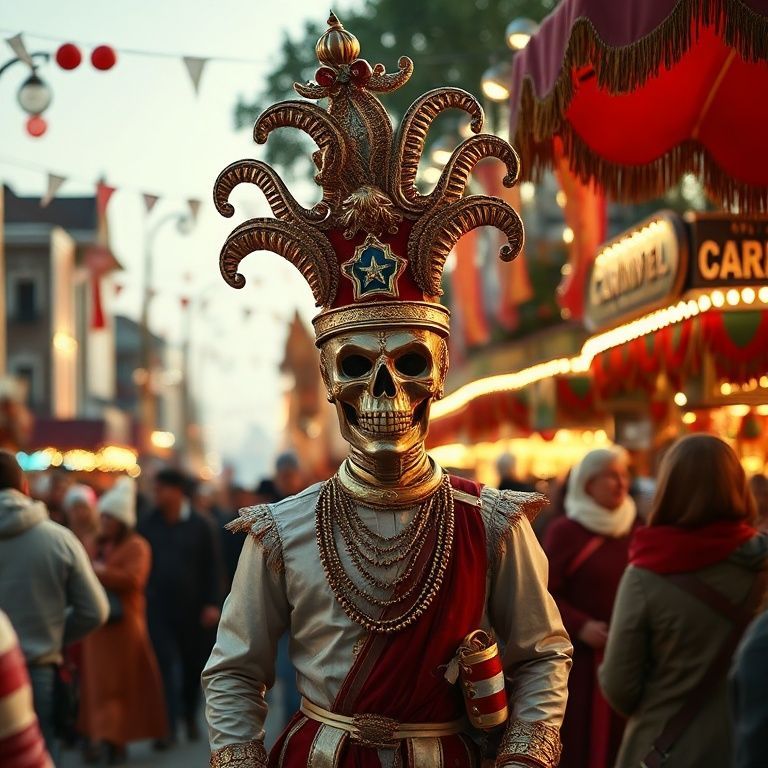
13. Karneval-style Parades in Some Regions
Not universal, but seasonal processions remain in Catholic areas.
14. Singing Silent Night (Stille Nacht)
Written in Austria but sung widely in German homes since 1818.
15. Window Stars (Fenstersterne)
Paper stars made by children brighten dark windows.
16. Boxwood and Pine Branches
Simple, foraged greenery remains a humble decoration.
17. New Year Continuity
Many decorations stay up until Epiphany (January 6).
| Tradition | Region | Typical Date |
|---|---|---|
| Advent Calendar | Nationwide | Dec 1–24 |
| St. Nicholas Day | Mostly Catholic | Dec 6 |
| Christmas Market | Urban centers | Late Nov–Dec 24 |
| Stollen Festival | Dresden | Early Dec |

Benefits of Following German Christmas Traditions
- Slower pace: Advent encourages anticipation instead of instant gratification.
- Family bonding: Crafting wreaths or baking together builds memories.
- Cultural literacy: Understanding roots helps appreciate modern holidays.
- Mental wellness: Light rituals reduce winter blues, studies suggest.
Challenges When Adopting These Customs
Not everything translates easily. Real tree candles require insurance awareness. Authentic Lebkuchen can be expensive to import. And busy schedules clash with four-week Advent observances.
Another challenge is misinformation. Some “ german christmas traditions ” popularized abroad, like the pickle ornament, are actually more common in the US than in Germany.
Expert Tips for an Authentic Experience
- Start Advent on the fourth Sunday before December 25 with a homemade wreath.
- Buy directly from Erzgebirge artisans online to support heritage crafts.
- Use beeswax candles for a cleaner tree glow.
- Learn one German carol to sing on Christmas Eve.
Common Mistakes to Avoid
- Assuming Santa is the main gift-bringer everywhere (the Christkind dominates southern Germany).
- Skipping St. Nicholas Day, which children deeply enjoy.
- Over-decorating and losing the minimalist charm of pine and paper stars.
Final Thoughts on Christmas Traditions in Germany
Whether you live in Berlin or Boston, the christmas traditions in germany offer a toolkit for a warmer, more meaningful December. They remind us that celebration can be handmade, quiet, and shared. For a broader historical overview, see Christmas in Germany on Wikipedia.
FAQ
What is the most famous German Christmas market?
Nuremberg’s Christkindlesmarkt is the most internationally recognized, attracting around 2 million visitors per year.
Do Germans use Santa Claus?
In many areas, the Christkind (Christ child) brings gifts, while St. Nicholas appears separately on December 6.
Are Advent calendars a German invention?
Yes, the modern Advent calendar began in 19th-century Germany as a countdown practice for children.
Why are real candles still used on trees?
They represent tradition and atmosphere; many families see electric lights as less authentic.



Responses