
Beauty Trends 2026: 20 Exciting Predictions You Can’t Afford to Miss

Table of Contents
- The Shift Toward Bio-Hacking and Longevity Skincare
- AI and Hyper-Personalization: The End of “One Size Fits All”
- Aesthetic Shifts: The “Quiet Luxury” and “Glass Skin 2.0” Eras
- Sustainable and Ethical Beauty: The Green Standard
- Wellness-Beauty Fusion: The Inside-Out Approach
- Innovative Trends Summary Table
- Benefits of Embracing 2026 Beauty Trends
- Challenges in the 2026 Beauty Landscape
- Expert Tips for Navigating the Future of Beauty
- Common Mistakes to Avoid
- Conclusion
Beauty Trends 2026: 20 Exciting Predictions You Can’t Afford to Miss
The beauty industry is no longer just about covering up imperfections; it is about biological optimization, hyper-personalization, and the intersection of technology and wellness. As we peer into the future, the landscape of aesthetics is shifting from “fast beauty” to “intelligent beauty.” If you want to stay ahead of the curve, understanding the beauty trends 2026 is essential for both enthusiasts and industry professionals.
By 2026, the boundary between skincare and nutrition will have almost entirely dissolved. We are entering an era where your skincare routine might be dictated by your real-time cortisol levels or your DNA profile. In this comprehensive guide, we dive deep into the innovations, the aesthetic shifts, and the technological breakthroughs that will define how we look and feel in 2026.
Before we dive into the specific predictions, it is important to note that the industry is moving toward sustainability and efficacy. You can explore more insights on [fashion and beauty evolution here](https://peoplestalk.net/category/fashion-beauty/).
The Shift Toward Bio-Hacking and Longevity Skincare
For decades, the beauty industry focused on the “surface.” You applied a cream, and it addressed the top layer of the epidermis. In 2026, the focus shifts to the cellular level. We are moving from topical application to “biological intervention.”
1. Epigenetic Skincare
Epigenetic skincare focuses on influencing how your genes express themselves. Instead of just hydrating, products will aim to “turn off” the signals that trigger inflammation or premature aging. This is the ultimate evolution in beauty secrets for glowing skin, moving beyond vitamins to gene-regulating peptides.
2. Microbiome-Centric Formulations
The skin microbiome—the ecosystem of bacteria living on your face—is the new frontier. By 2026, we will see a massive rise in “postbiotic” and “prebiotic” skincare designed to balance these bacteria to prevent acne, eczema, and sensitivity.
3. Circadian Rhythm Beauty
Our skin has its own biological clock. We will see more products timed specifically to your circadian rhythms—reparative serums that activate during your deepest sleep cycle and protective barriers that strengthen as the sun rises.
AI and Hyper-Personalization: The End of “One Size Fits All”
The era of buying a generic moisturizer off a grocery store shelf is ending. By 2026, personalization will be driven by artificial intelligence and real-time data.
| Technology | Beauty Application | Primary Benefit |
|---|---|---|
| AI Diagnostic Tools | Real-time skin scans via smartphone | Customized product recommendations |
| Smart Mirrors | AR makeup application and tracking | Visualizing looks before buying |
| Biometric Wearables | Linking sweat/stress data to skincare | Dynamic routine adjustments |
| 3D Printing | Custom-made foundation/concealer | Perfect shade and texture match |
4. AI-Generated Complexions
Imagine an app that scans your skin’s hydration, sebum, and redness levels every morning and instructs a device to mix a fresh batch of serum for you. This level of precision will be the standard for high-end luxury brands.
5. Smart Makeup Applicators
Makeup tools will become “smart.” Brushes and sponges that measure the amount of product applied or use micro-vibrations to ensure perfect ingredient penetration will become mainstream.
Aesthetic Shifts: The “Quiet Luxury” and “Glass Skin 2.0” Eras
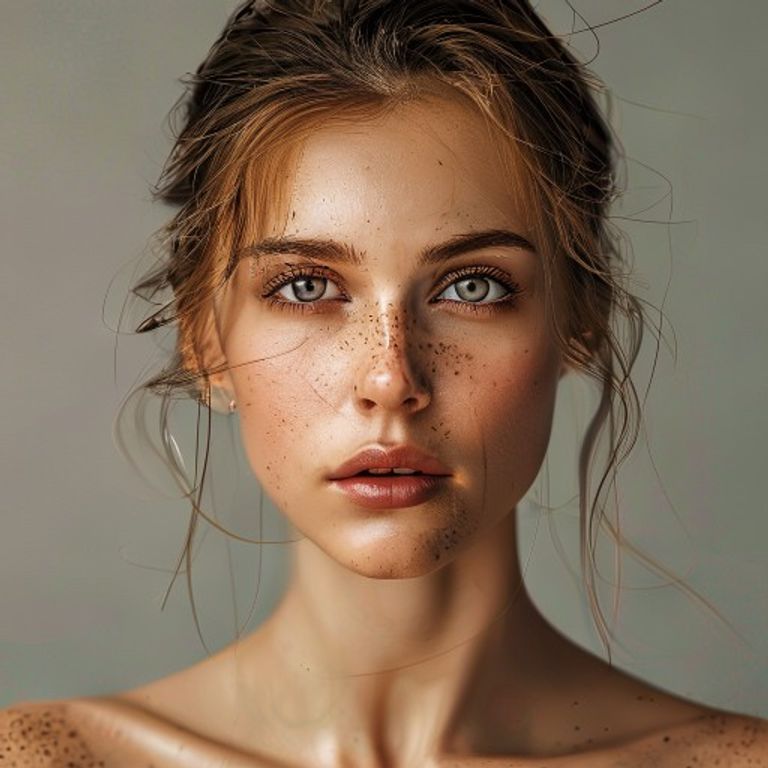
In terms of visual aesthetics, the trends are moving away from heavy contouring and matte finishes toward something much more ethereal and natural.
6. The “Glass Skin” Evolution: Dewy, Not Greasy
While “glass skin” has been popular, the 2026 version is more sophisticated. It’s about a translucent, lit-from-within glow that looks like skin, not makeup. This is where the latest beauty secrets for glowing skin involve high-tech hydration rather than shimmering highlighters.
7. Monochromatic Minimalism
The “clean girl” aesthetic is evolving into “monochromatic minimalism.” This involves using a single color palette across eyes, cheeks, and lips to create a seamless, sophisticated look that screams effortless luxury.
8. Blurred Textures
The focus will shift from sharp, heavy lines to “blurred” edges. Think soft-focus blushes and smudged eyeliner that looks naturally lived-in rather than precisely drawn.
Sustainable and Ethical Beauty: The Green Standard
Sustainability is no longer a “bonus” feature; it is a requirement. Consumers in 2026 will hold brands accountable for every gram of plastic and every drop of water used in production.
9. Waterless Beauty
To conserve water, brands will move toward solid formulations—concentrated bars, powders, and tablets that you activate with water at home. This reduces shipping weight and plastic waste.
10. Upcycled Ingredients
Beauty products will be made from “beauty waste.” Think coffee grounds repurposed for exfoliants or fruit seeds from the food industry being pressed into luxurious oils. This circular economy is the future of high-performance skincare.
11. Refillable Luxury
High-end brands will shift toward heavy, beautiful, permanent packaging (glass, stone, or metal) with ultra-minimalist, recyclable refills. The “packaging” becomes a keepsake, not trash.
Wellness-Beauty Fusion: The Inside-Out Approach
The distinction between “beauty” and “wellness” is disappearing. In 2026, looking good is a direct result of feeling good.
12. Nutricosmetics: Edible Beauty
The boom in collagen supplements is just the beginning. We will see sophisticated “beauty snacks”—functional foods designed to boost skin elasticity, hair thickness, and nail strength through targeted nutrient delivery.
13. Neuro-Cosmetics
This is a fascinating new field. Neuro-cosmetics use scents and textures to influence the brain’s neurotransmitters, reducing cortisol and increasing dopamine. It is skincare that changes your mood while it improves your complexion.
14. Blue Light Protection (Evolution)
As digital consumption increases, skincare formulated specifically to combat High Energy Visible (HEV) light—often called blue light—will become a staple in every morning routine.
Innovative Trends Summary Table
- Tech-Driven: AI skin analysis, Smart mirrors, Biometric integration.
- Ingredient-Driven: Microbiome-friendly, Upcycled botanicals, Epigenetic peptides.
- Aesthetic-Driven: Monochromatic, Blurred textures, Translucent glow.
- Eco-Driven: Waterless formulas, Refillable systems, Zero-waste packaging.
Benefits of Embracing 2026 Beauty Trends
Why should you stay updated? The benefits are both personal and professional:
- Efficiency: Personalized products mean you stop wasting money on products that don’t work for your specific skin type.
- Superior Results: Bio-hacking and epigenetic technologies offer actual physiological changes rather than temporary cosmetic fixes.
- Sustainability: Adopting these trends helps reduce your environmental footprint through waterless and refillable options.
- Cost-Effectiveness: While high-tech tools may have a higher upfront cost, the reduction in unnecessary “trial and error” purchases saves money in the long run.
Challenges in the 2026 Beauty Landscape
It is not all smooth sailing. The transition to these advanced trends brings certain hurdles:
- Data Privacy: As we rely on AI and biometric data for skincare, protecting your biological information will be a major concern.
- High Entry Cost: Early-stage neuro-cosmetics and epigenetic serums may be priced at a premium, making them inaccessible to some.
- Complexity: The “science-heavy” nature of future beauty can become overwhelming for consumers who just want a simple routine.
Expert Tips for Navigating the Future of Beauty
As an industry observer, I recommend the following strategies to prepare for the shifts ahead:
Invest in Quality over Quantity: As we move toward minimalism and refillable systems, focus on building a “capsule beauty wardrobe”—a few high-quality, multifunctional products rather than a dozen cheap ones.
Prioritize Skin Barrier Health: Regardless of the technology, the most important thing in 2026 will still be a healthy skin barrier. Don’t let the hype of new “active” ingredients compromise your skin’s natural defense system.
Educate Yourself on Ingredients: As formulations become more complex (neuro-cosmetics, epigenetics), being able to read a label is your greatest superpower. Learn what peptides, postbiotics, and adaptogens actually do.
Common Mistakes to Avoid
- Chasing Every Trend: Just because an AI tool can analyze your skin doesn’t mean you need a 15-step routine. Less is often more.
- Ignoring the Basics: Even in 2026, SPF and hydration remain the absolute foundation. No amount of epigenetic tech can fix sun damage caused by negligence.
- Over-reliance on Tech: Use AI as a guide, not a dictator. Your skin changes based on seasons, hormones, and diet—factors that a single app scan might miss.
Conclusion
The beauty trends 2026 promise a world of incredible precision, where skincare is as unique as your fingerprint and as effective as a medical treatment. We are moving toward a future that celebrates authenticity through “quiet luxury” and high-tech biological optimization. Whether it is through the use of upcycled ingredients or the implementation of AI-driven customization, the goal remains the same: to enhance our natural beauty while respecting our planet and our health.
Stay curious, stay informed, and prepare to embrace a beauty industry that is smarter, cleaner, and more personalized than ever before. For more updates on the intersection of lifestyle and aesthetics, keep following our [latest beauty news](https://peoplestalk.net/category/fashion-beauty/).
Frequently Asked Questions (FAQ)
Q: What is the most significant beauty trend for 2026?
A: The most significant shift is hyper-personalization driven by AI and biotechnology, moving from generic skincare to treatments tailored to your specific DNA and microbiome.
Q: Will skincare become more expensive in 2026?
A: While high-tech, personalized products may carry a premium price, the trend toward waterless and refillable products may actually lower costs for consumers in the long term.
Q: What does “neuro-cosmetics” mean?
A: Neuro-cosmetics are products designed to interact with the nervous system through scent, texture, or topical application to improve mood and reduce stress, which in turn improves skin appearance.
Q: How can I achieve “glass skin” in 2026?
A: The 2026 approach focuses on intense, science-backed hydration and microbiome balance rather than heavy makeup. Look for products emphasizing skin barrier repair and deep hydration.
Q: Is sustainable beauty actually effective?
A: Absolutely. Sustainability in 2026 is driven by high-performance ingredients like upcycled botanicals, which are often highly concentrated and effective.






Responses