
Beauty Standards: 14 Shocking Truths You Need to Know

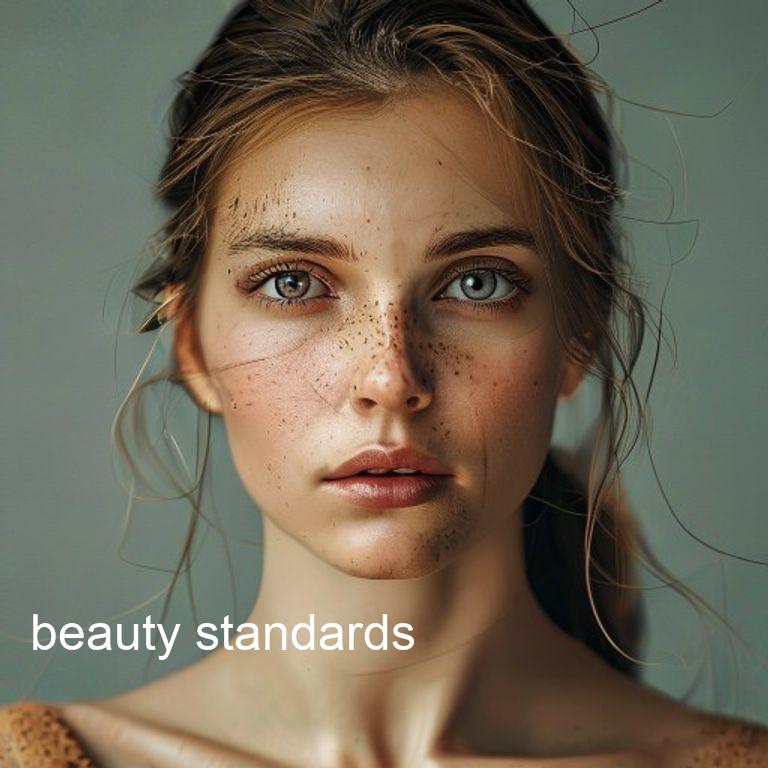
Table of Contents
Beauty Standards: 14 Shocking Truths You Need to Know
Introduction
When I was nine, I caught my aunt crying because a magazine said her thighs were “too thick for summer.” That moment stuck with me. Back then I didn’t have the vocabulary, but what she was wrestling with were beauty standards that told her she wasn’t enough. The beauty ideals pushed by billboards, sitcoms, and later Instagram feeds rarely match real life. They shift, they exclude, and they sell products by making us feel small.
I’ve spent fifteen years writing about culture and body image, and I keep seeing the same pattern: the goalpost moves right when we think we’ve arrived. If you want more perspective on how this plays out in fashion, hop over to our Fashion & Beauty archive. Today, though, we’re ripping the curtain back with fourteen truths that most articles skip.
14 Shocking Truths About Beauty Standards
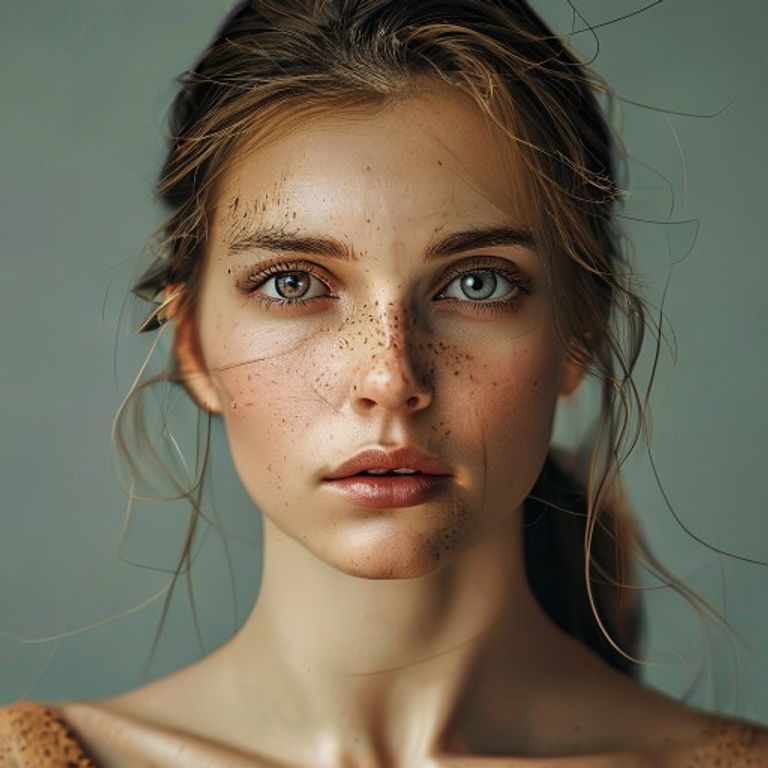
1. The “Perfect Body” We Chase Is a Historical Blip
Flip through a 1500s painting and you’ll see rounded stomachs and soft arms celebrated as the peak of attraction. Rubens made a career of it. The slim, toned look we treat as universal only took hold in the West about a century ago. Societies before mass media had local norms, not global ones. What we call timeless is actually a flash in the pan.
2. Social Media Algorithms Reward Unrealistic Faces
A 2022 internal leaked report showed that Instagram’s recommendation engine pushed appearance-focused content to teen girls within minutes of account creation. The platform isn’t neutral. It learns that polished, filtered selfies keep eyes glued, so it serves more. The result? A generation measuring their reflection against a curated highlight reel.
3. Waist-to-Hip Ratios Are Not Universal
Anthropologists document groups where a fuller figure signals health and wealth. In parts of Mauritania, traditional fattening camps were once a rite of passage. Meanwhile, 1920s Parisian flappers prized a boyish frame. The numbers we cite as “scientific” often just describe one culture’s current taste.
4. Cosmetic Surgery Used to Be Taboo, Now It’s a Gift Card
According to the American Society of Plastic Surgeons, procedures rose over 200% between 2000 and 2019. What was once whispered about elite actresses is now a graduation present in some suburbs. The normalization happened so fast that many of us forgot it was ever controversial.
5. Skin-Lightening Creams Are a Colonial Hangover
The global skin-lightening market tops $8 billion annually. Its roots trace directly to colonial hierarchies that equated pale skin with status. These beauty ideals still cost lives; unregulated creams contain mercury and steroids. The shock isn’t just the number, it’s how old the poison is.
6. Men Are Caught in the Web Too
We talk about women constantly, but male grooming sales hit $60 billion last year. Younger men report anxiety about jawlines and body hair thanks to TikTok “looksmaxxing” videos. The pressure isn’t gendered; it’s just marketed differently.
7. Filters Created a New Medical Condition
Clinicians now diagnose “Snapchat dysmorphia,” where patients bring filtered selfies to surgeons asking to look like the cartoon version of themselves. A study indexed by the National Center for Biotechnology Information outlines how filtered imagery rewires self-perception (PMC article). That’s not vanity; that’s a public health shift.
8. Lead Paint Was Once a Foundation
Elizabethan women applied white lead paste to achieve the pale look of the court. It slowly poisoned them, causing hair loss and dementia. Every era has its dangerous hack. Ours just hides the toxins behind cleaner labels.
9. The “Heroin Chic” Era Killed People
In the mid-90s, supermodels were styled to look emaciated and detached. Eating disorder admissions spiked. When Calvin Klein pulled ads after public outcry, it showed how quickly the industry could change if money or scandal forced it. The same machinery now sells “wellness” detox teas.
10. Hairless Bodies Are a 20th-Century Invention
Until the 1910s, women in the US didn’t routinely shave legs. A razor ad featuring a dressed-up woman with bare armpits created the norm almost overnight. Before that, visible body hair was unremarkable. The “natural” look we’re told to remove is itself a sales pitch.
11. The “Golden Ratio” Is Misused
You’ll read that faces scoring high on the 1.618 ratio are objectively beautiful. But researchers who actually study facial preference say context, familiarity, and personality skew results massively. The math is real; the absolutism is marketing.
12. Advertisers Profit From Your Discomfort
Procter & Gamble’s Dove campaign was groundbreaking, yet the same parent company sells whitening soaps elsewhere. The shock is the double ledger: one brand soothes you, another tells you you’re flawed. Both fill the same quarterly report.
13. Genetics Win More Than Willpower
No amount of squats changes bone structure. Twin studies show up to 80% of body mass index variation is hereditary. When we pretend discipline explains everything, we shame people for biology. That’s a harsh truth the fitness industry avoids.
14. You Can Opt Out and Still Thrive
The most shocking truth? The rules are fictional. Communities that prize skill, humor, or kindness over looks report higher life satisfaction. Walking away from rigid beauty standards isn’t rebellion; it’s sanity. We’ll talk about how next.
Benefits of Looking Beyond Appearance
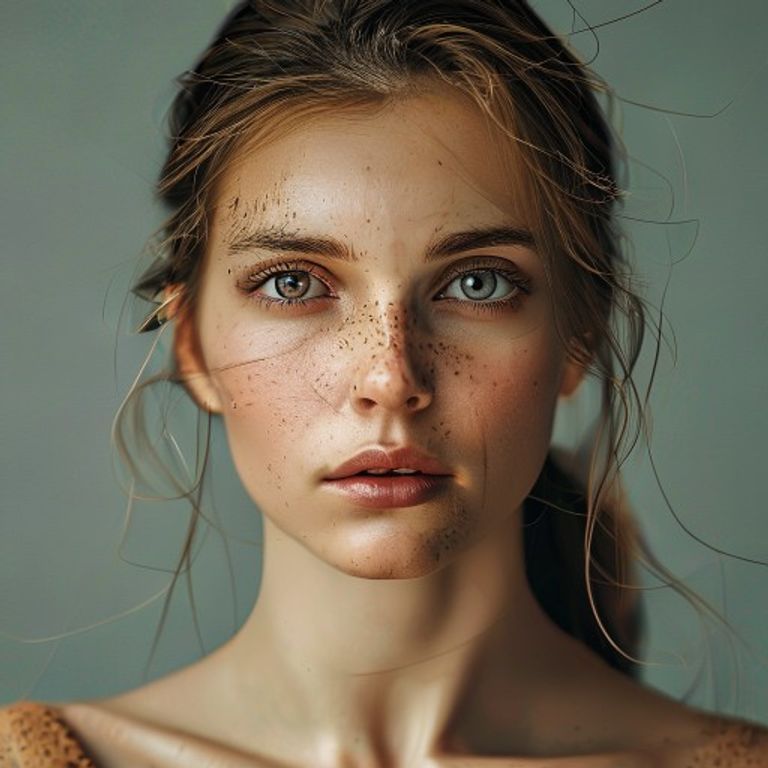
When you stop outsourcing self-worth to a mirror, real dividends show up. Here’s what readers of our Fashion & Beauty section often report after decoupling from strict norms:
- Mental clarity: Less time comparing means more time building.
- Deeper friendships: You attract people who see you, not a projection.
- Financial freedom: The average woman spends $300,000 on beauty products in a lifetime. Redirecting even half funds education or travel.
- Resilience: Aging stops feeling like a failure.
These gains aren’t soft. They’re measurable in stress hormone levels and relationship longevity.
Challenges When You Question Beauty Ideals
Letting go sounds easy until you attend a wedding where everyone critiques photos. The friction is real. Below is a quick table contrasting internal and external blockers.
| Type of Challenge | Example | Typical Response |
|---|---|---|
| Internal | Automatic negative thoughts about thighs in photos | Scrolling for validation |
| External | Relatives commenting on weight at dinner | Defensiveness or silence |
| Systemic | Hiring bias toward conventionally attractive applicants | Overcompensating with credentials |
The beauty ideals we internalized don’t vanish with a mantra. They’re reinforced by family, feeds, and paychecks. Naming the pressure is the first step to loosening it.
Expert Tips to Build Confidence Beyond Looks
I’ve interviewed psychologists and sculptors alike. The practical advice converges:
- Curate your feed: Unfollow accounts that trigger comparison. Follow makers, teachers, and weird hobbyists.
- Track non-appearance wins: Keep a journal of problems you solved, not outfits you wore.
- Practice neutral observation: When you think “my nose is wrong,” reframe as “my nose helps me breathe and smell coffee.”
- Find a skill community: Climbing gyms, coding meetups, pottery classes shift praise to competence.
- Limit mirror time: Set a rule: mirrors are for function (teeth, traffic) not audit.
Small habits erode years of conditioning. The key is consistency, not intensity.
Common Mistakes People Make When Redefining Beauty
Even with good intentions, we trip up. Watch for these:
- Swapping one standard for another: Rejecting thinness but worshiping “natural” curves still ties worth to shape.
- Announcing purity: Telling friends you’re “above makeup” can alienate instead of inspire.
- Expecting instant relief: Brain rewiring takes months, not a weekend retreat.
- Ignoring privilege gaps: Telling a discriminated worker to “just be confident” misses structural barriers.
- Consuming anti-beauty content obsessively: Rage-scrolling indignation videos is still appearance-centric.
Avoiding these keeps the work humane and realistic.
Conclusion
We’ve covered a lot: from lead paint to algorithms, from colonial creams to twin studies. The takeaway is simple but not easy. Beauty standards are constructed, profitable, and mutable. You don’t need to burn your lipstick, but you do deserve a life where a bad photo doesn’t ruin your Tuesday. Start with one tip from above, share the article with someone stuck in the cycle, and remember that the mirror is a small part of your story.
FAQ
Are beauty standards the same in every culture?
No. While globalization spreads certain looks, local preferences for skin tone, body size, and adornment vary widely. Historical records show repeated reversals within the same region.
How do beauty ideals affect mental health?
Constant mismatch between self-image and mediated ideals correlates with anxiety, depression, and disordered eating. The external research linked earlier details how filtered images specifically distort perception.
Can men be harmed by beauty standards too?
Absolutely. Male grooming and physique pressure have risen sharply with social platforms. The damage shows up as muscle dysmorphia and avoidance of medical care due to shame.
What’s one small step to push back today?
Delete one app or account that makes you feel inadequate and replace it with a learning channel. That single action reduces exposure to engineered discontent.
Why should I care if I’m already confident?
Because the people around you—kids, siblings, coworkers—may be silently struggling. A culture of acceptance benefits everyone, even those who feel fine.


Responses