
Esports Tournaments: 15 Exciting Events Every Gamer Should Watch

How to Plan and Execute Successful Esports Tournaments: A Complete Guide for Competitive Gaming Enthusiasts
Overview & Key Information
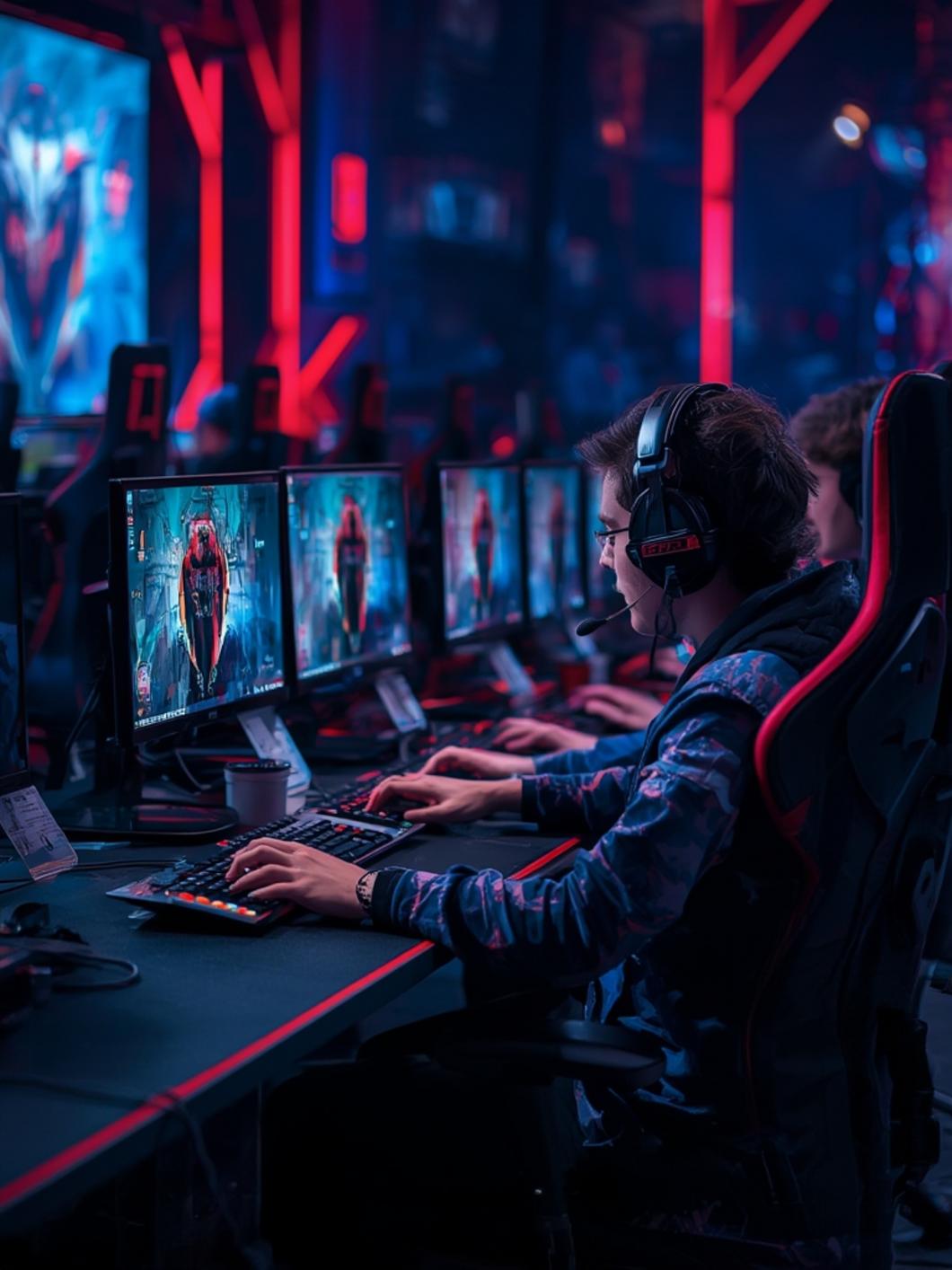
The world of esports tournaments has exploded over the past decade, transforming from niche LAN parties into multi‑million‑dollar spectacles streamed to millions of viewers worldwide. At its core, an esports tournament is a structured competition where teams or individual players face off in popular video titles such as League of Legends, Counter‑Strike: Global Offensive, Dota 2, Valorant, and Fighting Games. These events are not only showcases of skill but also powerful platforms for branding, community building, and revenue generation through sponsorships, merchandise, and media rights.
Understanding the mechanics behind a successful tournament is vital for anyone looking to enter the competitive gaming space—whether you are a game publisher, an esports organization, a venue operator, or an enthusiastic community leader. This guide walks you through every phase, from conceptualization to post‑event analysis, providing actionable insights that align with current industry standards and SEO‑friendly practices.
Essential Requirements, Tools, Resources, or Prerequisites
Before diving into the logistics, it is essential to assemble the right toolkit. Below is a checklist of must‑have components, along with viable alternatives where applicable.
| Requirement | Recommended Option | Alternatives / Notes |
|————-|——————-|———————-|
| Game Title & Licensing | Official publisher approval for the chosen game (e.g., Riot Games for League of Legends) | Community‑run titles with open‑source licenses (e.g., OpenRA) – ensure you have streaming rights |
| Tournament Platform | Dedicated tournament management software (Battlefy, Toornament, Challengermode) | Custom built solution using Google Sheets + Zapier for small events |
| Streaming Infrastructure | Professional streaming software (OBS Studio, Streamlabs) + reliable uplink (≥10 Mbps) | Cloud‑based streaming services (Restream, StreamYard) for multi‑platform simulcast |
| Commentary Team | Experienced casters familiar with the game meta | Community volunteers with good audio equipment – provide a brief training session |
| Venue / Online Hub | Physical arena with stage, lighting, and high‑speed Ethernet (if offline) | Fully online setup using Discord voice channels + a dedicated tournament server |
| Prize Pool & Sponsorship | Secured sponsorships (hardware, energy drinks, gaming peripherals) + prize money | Crowdfunded prize pool via platforms like Kickstarter or Patreon |
| Legal & Compliance | Terms of service, participant waivers, age verification, data privacy (GDPR/CCPA) | Consult an esports‑focused attorney for template agreements |
| Marketing Assets | Branded graphics, trailer video, social media schedule | Use Canva for quick graphics; repurpose highlight reels from previous events |
| Analytics & Reporting | Post‑event analytics dashboard (Google Data Studio, Power BI) | Simple CSV export from tournament platform for manual review |
Having these elements in place reduces last‑minute scrambles and sets a professional tone that attracts both participants and viewers.
Timeline, Process, or Important Considerations
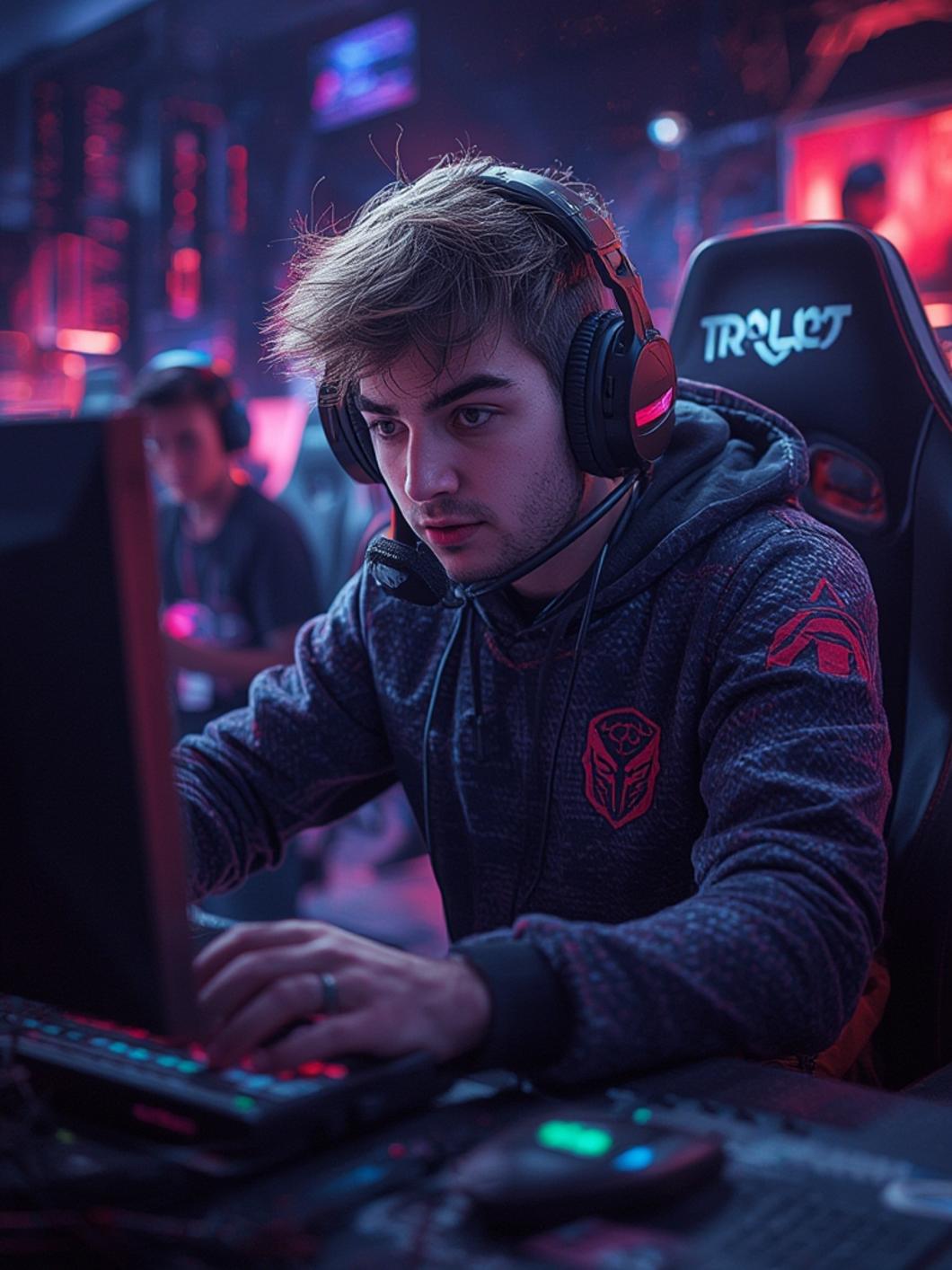
A typical esports tournament unfolds over several distinct phases. While exact durations vary based on scale, the following framework offers a realistic baseline for a mid‑size online event (approximately 64‑team bracket).
| Phase | Duration | Key Activities |
|——-|———-|—————-|
| Concept & Planning | 4‑6 weeks before launch | Define game, format (single‑elimination, double‑elimination, Swiss), prize pool, target audience, and secure sponsors |
| Registration & Seeding | 2‑3 weeks | Open sign‑ups, collect player/team data, verify eligibility, assign seeds based on rankings or qualifiers |
| Qualifiers (if needed) | 1‑2 weeks | Run online qualifiers to reduce field size, generate early content for promotion |
| Main Event – Group Stage | 1‑2 days (or spread over a week) | Conduct round‑robin or Swiss rounds; stream matches; collect stats |
| Main Event – Knockout Bracket | 1‑2 days | Quarterfinals, semifinals, finals; high‑production value for semifinals and finals |
| Post‑Event Wrap‑Up | 3‑5 days | Upload highlights, distribute prizes, send surveys, publish post‑mortem report, reconcile finances |
| Community Engagement | Ongoing | Maintain Discord/forums, share behind‑the‑scenes content, tease next tournament |
Important considerations include time‑zone coordination for global participants, contingency plans for technical failures (e.g., backup servers, secondary casters), and adherence to the game publisher’s broadcasting guidelines to avoid copyright strikes.
Detailed Explanation / Step‑by‑Step Guide
This section provides a practical, step‑by‑step walkthrough that you can follow to launch a polished esports tournaments event while simultaneously promoting competitive gaming within your community.
Step 1: Define Vision and Scope
– Objective: Clarify whether the goal is brand exposure, talent scouting, community fun, or revenue generation.
– Scale: Decide on participant count (e.g., 16, 32, 64) and whether the event will be online, offline, or hybrid.
– Game Choice: Select a title with an active player base and clear esports infrastructure. Verify that the publisher permits tournament streaming.
Step 2: Secure Sponsorships and Partnerships
– Sponsor Deck: Prepare a one‑page PDF outlining audience demographics, expected viewership, and sponsorship tiers.
– Approach: Reach out to endemic brands (hardware, energy drinks) and non‑endemic companies interested parties (e.g., local universities, tech incubators).
– Deliverables: Logo placement on streams, social media shout‑outs, branded overlays, and product giveaways.
Step 3: Choose the Right Platform
– Tournament Management: Use Battlefy for automated bracket generation, match reporting, and leaderboard sync.
– Communication: Set up a Discord server with channels for announcements, match‑up chat, and support tickets.
– Streaming: Configure OBS Studio with scene collections for pre‑match, in‑game, and post‑match segments. Test bitrate and audio levels at least 48 hours before go‑live.
Step 4: Open Registration and Seed Participants
– Form: Use Google Forms or Typeform to collect team name, player IDs, contact info, and game‑specific ranks.
– Verification: Cross‑check IDs against official game accounts to prevent smurfing.
– Seeding: Apply a snake‑seed method based on recent rankings or qualifier results to ensure balanced brackets.
Step 5: Run Qualifiers (Optional)
– Format: Best‑of‑one matches in a single‑elimination bracket to quickly trim the field.
– Schedule: Spread qualifiers over a weekend to accommodate different time zones.
– Content: Record highlight clips and post them on Twitter/X and Instagram to build hype.
Step 6: Execute the Main Event
– Group Stage: If using a Swiss system, schedule rounds with 15‑minute buffers for technical issues.
– Match Administration: Assign a match admin per series to confirm scores, handle disputes, and upload results to the tournament platform.
– Production: Rotate caster pairs every 2–3 hours to maintain fresh commentary. Insert sponsor breaks and community polls between matches.
Step 7: Conduct the Knockout Bracket
– Higher Production: Reserve the best camera angles, replay systems, and analyst desk for quarterfinals onward.
– Live Interaction: Enable live chat polls (e.g., “Who will win?”) and display results on‑screen.
– Prize Distribution: Prepare digital prize codes or physical shipments in advance; announce winners promptly after the grand final.
Step 8: Post‑Event Activities
– Highlight Reel: Edit a 3‑5 minute montage of best plays, caster reactions, and crowd moments.
– Survey: Send a short Google Survey to participants and viewers to gather feedback on format, pacing, and technical quality.
– Report: Compile a PDF covering viewership numbers, peak concurrent viewers, sponsor ROI, and lessons learned.
– Community Follow‑Up: Share the highlight reel on all social platforms, thank sponsors publicly, and announce the date of the next tournament.
Step 9: Iterate and Improve
– Data Review: Analyze churn rates, average watch time, and geographic distribution of viewers.
– Adjustments: Consider altering match length, introducing a community vote for map selection, or experimenting with a different game mode based on feedback.
– Documentation: Update your internal SOP (Standard Operating Procedure) with new insights for future events.
By following these steps, you will create a seamless experience that elevates the perception of esports tournaments as a professional showcase while nurturing the broader competitive gaming ecosystem.
Benefits, Advantages, or Key Features
Organizing a well‑run tournament yields multiple advantages that extend beyond the immediate excitement of competition.
– Audience Growth: Live events attract new followers to your Discord, Twitch, and YouTube channels, expanding your community base.
– Brand Visibility: Sponsors receive prominent placement during high‑traffic streams, translating into measurable impressions and click‑through rates.
– Talent Identification: Scouts and recruiters often monitor tournaments to discover emerging pros, giving participants a pathway to professional contracts.
– Revenue Streams: Ticket sales (for offline events), merch, subscription‑based premium content, and ad revenue all contribute to a sustainable business model.
– Community Loyalty: Regularly scheduled tournaments foster a sense of belonging, encouraging repeat participation and word‑of‑mouth promotion.
– Data Insights: Detailed match statistics and viewer analytics inform future game balancing, marketing strategies, and content creation.
– Cultural Impact: Tournaments celebrate gaming culture, promoting inclusivity, sportsmanship, and positive social interaction.
These benefits make investing time and resources into esports tournaments a strategic move for anyone invested in the growth of competitive gaming.
Alternative Approaches, Methods, or Expert Tips
While the traditional bracket format works for many titles, consider these alternatives to keep your events fresh and engaging.
| Alternative | Description | When to Use |
|————-|————-|————-|
| Round‑Robin League | Each team plays every other team once; points determine final standings. | Ideal for smaller communities (8‑12 teams) where you want longer engagement. |
| King of the Hill | A single player or team defends a spot; challengers rotate in. | Great for casual streams and community‑building events. |
| Online LAN Hybrid | Participants gather at local hubs (e.g., gaming cafes) that connect to a central server. | Reduces latency issues while preserving a social atmosphere. |
| Charity‑Driven Tournaments | Portion of entry fees or sponsor contributions goes to a nonprofit. | Enhances brand goodwill and attracts socially conscious audiences. |
| Cross‑Game Showdown | Teams compete across multiple titles in a decathlon style. | Appeals to multisport gamers and creates unique content opportunities. |
Expert Tips:
1. Latency Test: Always run a ping test with a sample of participants from each region 24 hours before the event.
2. Redundant Stream: Have a secondary OBS instance ready on a backup machine in case the primary encounters a crash.
3. Engagement Bots: Use bots like StreamElements to run polls, giveaways, and loyalty points during the broadcast.
4. Clear Communication: Publish a detailed ruleset and FAQ at least one week prior; update it promptly if changes occur.
5. Post‑Match Interviews: Schedule short 2‑minute interviews with winners to humanize the competition and provide shareable clips.
Common Mistakes to Avoid
Even seasoned organizers can slip into pitfalls that undermine the event’s success. Below are frequent errors and how to circumvent them.
– Underestimating Technical Requirements: Assuming a stable home internet connection suffices for 100+ viewers leads to buffering and drop‑outs. Solution: Conduct a bandwidth audit and secure a dedicated line or cloud‑based streaming service.
– Neglecting Legal Clearances: Streaming gameplay without publisher permission can result in DMCA takedowns. Solution: Obtain written permission or use titles with explicit tournament licensing.
– Poor Scheduling Across Time Zones: Holding matches at inconvenient times reduces participation from key regions. Solution: Use tools like World Time Buddy to find overlapping windows and consider split‑day schedules.
– Inadequate Moderation: Toxic chat can drive away viewers and sponsors. Solution: Employ trained moderators and enable automated filters for hate speech and spam.
– Overlooking Post‑Event Follow‑Up: Failing to share highlights or survey results leaves the community feeling ignored. Solution: Set up an automated email sequence that delivers the highlight reel and feedback request within 24 hours.
– Misaligned Prize Distribution: Delayed or unclear prize delivery damages reputation. Solution: Use smart contracts or escrow services for digital prizes; ship physical items with tracking numbers immediately after the event.
– Ignoring Accessibility: Not providing captions or audio descriptions excludes a portion of the audience. Solution: Integrate live captioning services (e.g., StreamText) and offer downloadable transcripts.
By proactively addressing these challenges, you protect the integrity of your esports tournaments and reinforce a positive perception of competitive gaming as a professional and welcoming arena.
Maintenance, Optimization, or Best Practices
To ensure longevity and continual improvement, adopt these ongoing practices.
Regular Infrastructure Audits
– Quarterly: Review server performance, streaming software updates, and security patches.
– Bi‑Annual: Test new platforms (e.g., transitioning from Battlefy to a custom solution) in a low‑stakes community cup.
Community Engagement Loop
– Monthly: Host AMA sessions with pro players or developers.
– Seasonal: Release a “state of the community” newsletter summarizing participation stats, upcoming events, and sponsor highlights.
– Feedback Integration: Implement a public Trello board where users can suggest rule changes or new game titles.
SEO and Content Strategy
– Keyword Mapping: Develop a semantic core around terms like “esports tournament guide,” “how to host competitive gaming events,” and “best practices for online gaming tournaments.”
– Internal Linking: Link each tournament recap to relevant blog posts on game strategies, gear reviews, and industry news.
– Video Optimization: Upload highlights to YouTube with detailed timestamps, transcripts, and tags that include both esports tournaments and competitive gaming.
– Schema Markup: Apply Event schema to your tournament pages to improve SERP visibility with date, location, and ticket information.
Monetization Refinement
– Tiered Sponsorship Packages: Offer Bronze, Silver, Gold levels with clear deliverables (logo size, mentions, booth space).
– Merchandise Drops: Release limited‑edition apparel tied to each tournament; use print‑on‑demand services to minimize inventory risk.
– Subscription Benefits: Provide early‑access to registration, exclusive emotes, and ad‑free viewing for Patreon supporters.
Adhering to these best practices not only sustains the quality of each event but also amplifies the long‑term value of your involvement in the esports tournaments landscape while championing the spirit of competitive gaming.
Conclusion
Successfully launching and managing an esports tournament requires careful planning, robust technical foundations, and a deep appreciation for the nuances of esports tournaments and competitive gaming. By following the step‑by‑step guide presented here, avoiding common pitfalls, and embracing continuous optimization, you can create memorable experiences that attract players, viewers, and sponsors alike. Remember, each tournament is an opportunity to strengthen the community, showcase talent, and push the boundaries of what competitive gaming can achieve. Take the insights shared, adapt them to your unique context, and start planning your next landmark event today—your audience is waiting.
FAQs
1. What is the ideal length for an online esports tournament?
For a 64‑team bracket, aim for a total runtime of 2‑3 days, spreading matches across evenings to accommodate global time zones. Shorter formats (single‑day) work well for 16‑32 participant events.
2. Do I need a license to stream gameplay from popular titles?
Yes. Most publishers require explicit permission for tournament streaming. Check the game’s official esports policy or contact their partnership team before broadcasting.
3. How can I attract sponsors if I’m just starting out?
Start with local businesses, gaming cafes, or hardware retailers. Offer them exposure via social media shout‑outs, logo placement on overlays, and product giveaways during the event. A clear sponsorship deck outlining expected reach makes the pitch convincing.
4. What tools help with real‑time match administration?
Platforms like Battlefy and Toornament automate match reporting, while Discord bots (e.g., MEE6, Dyno) can relay results and post‑match stats to the community. Having a dedicated match admin per series ensures scores are uploaded promptly.
5. How do I handle disputes or cheating allegations during a match?
Establish a clear code of conduct and a protest procedure in your pre‑event ruleset. Use replay files (if available) and third‑party anti‑cheat tools (like ESEA or Faceit) to review evidence. Transparent communication with both parties helps maintain trust.
By addressing these common questions, you’ll be better prepared to deliver a smooth, professional esports tournaments experience that fuels the growth of competitive gaming. Happy hosting!






Responses