
day of the dead traditions: 21 Beautiful Rituals That Honor Loved Ones

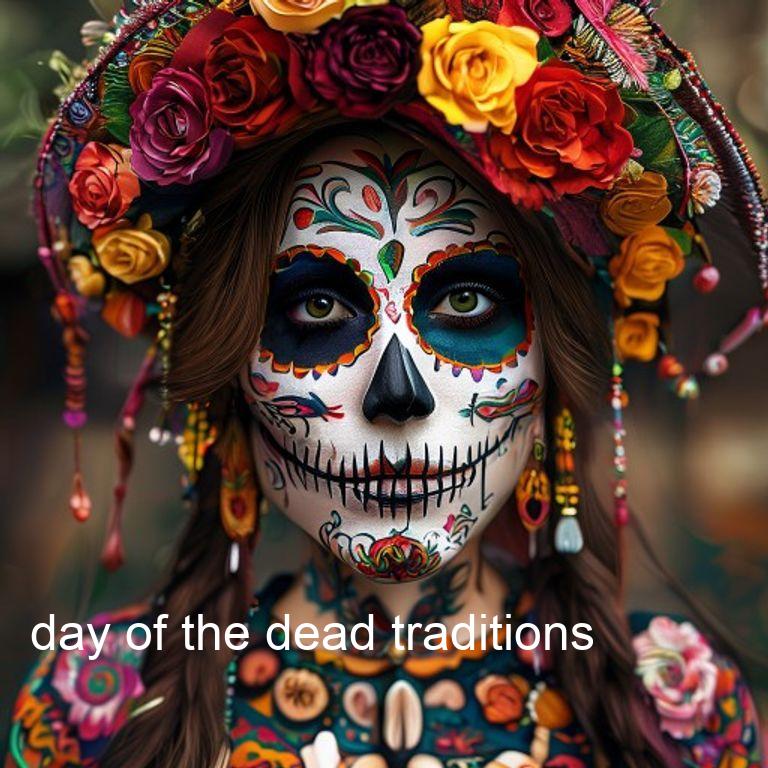
Table of Contents
- The Essence of Día de los Muertos
- 21 Beautiful Rituals and Traditions of Day of the Dead
- Comparison of Tradition vs. Commercialization
- Benefits of Celebrating Day of the Dead
- Challenges in Maintaining Traditions
- Expert Tips for Creating a Meaningful Ofrenda
- Common Mistakes to Avoid
- Conclusion
- Frequently Asked Questions (FAQ)
Day of the Dead Traditions: 21 Beautiful Rituals That Honor Loved Ones
As the leaves begin to turn and the air carries a crisp, autumnal chill, millions of people across Mexico and beyond prepare for one of the most vibrant, soul-stirring celebrations on the planet. Far from being a “Mexican Halloween,” day of the dead traditions represent a profound, joyous, and deeply spiritual reconnection between the living and the departed. It is a time when the veil between worlds is said to thin, allowing families to welcome back the souls of their ancestors for a brief, magical visit.
Understanding these day of the dead customs requires moving past the superficial imagery of skulls and sugar and looking into the heart of the practice: love, memory, and continuity. In this comprehensive guide, we explore the intricate rituals that turn mourning into a celebration of life, ensuring that no one is truly gone as long as they are remembered.
To dive deeper into cultural nuances and global festivals, you can explore more at Peoples Talk Culture.
The Essence of Día de los Muertos
Día de los Muertos is a complex tapestry of indigenous Aztec beliefs and Catholic influences. While many perceive death as an end, the cultural philosophy underlying these traditions views death as a natural phase in the continuum of existence. This perspective shifts the emotional weight of the holiday from sorrow to celebration. According to Wikipedia, the holiday is recognized by UNESCO as an Intangible Cultural Heritage of Humanity, a testament to its profound social and cultural significance.
The celebration typically occurs on November 1st (All Saints’ Day) and November 2nd (All Souls’ Day), though rituals may span several days. It is a sensory experience—a symphony of bright orange petals, the scent of burning copal incense, the taste of sweet pan de muerto, and the melodic sounds of mariachi music.
21 Beautiful Rituals and Traditions of Day of the Dead
To truly appreciate the depth of this holiday, we must look at the specific rituals that define it. These customs vary by region and family, but they all share a singular purpose: to welcome the spirits home.
1. The Ofrenda (The Altar)
The heart of every celebration is the ofrenda. This is not an object of worship, but a sacred space dedicated to specific deceased individuals. Each layer of an altar represents a different stage of existence or different realms of the afterlife.
2. Cempasúchil (Marigold Flowers)
Also known as “flowers of the dead,” these bright orange marigolds are essential. It is believed that their vibrant color and strong scent guide the souls from their graves back to the family home.
3. Pan de Muerto (Bread of the Dead)
This sweet, often lightly flavored bread is shaped to represent bones and skulls. It is a central culinary element, symbolizing the nourishment provided to the returning souls.
4. Sugar Skulls (Calaveras de Azúcar)
Small, brightly colored sugar skulls are used to represent the sweetness of life and the presence of the deceased. They often feature the name of the departed on the forehead.
5. Incense and Copal
Copal, a resin from the copal tree, is burned to purify the space and carry prayers to the heavens. The smoke acts as a bridge between the physical and spiritual worlds.
6. Photos of the Departed
An altar is incomplete without the photographs of those being honored. These images serve as the focal point for the family’s prayers and remembrance.
7. Water (Agua)
A small glass of water is always placed on the altar. It is intended to quench the thirst of the souls after their long journey from the afterlife.
8. Candles (Veladoras)
Light represents hope and faith. The number of candles placed on the altar often corresponds to the number of souls being honored.
9. Salt
Salt is used as a symbol of purification, protecting the soul on its journey and ensuring it does not become corrupted during the transition.
10. Favorite Foods and Drinks
Families prepare the deceased’s favorite meals—be it mole poblano, tamales, or a specific brand of tequila. The aroma is meant to entice the spirits back home.
11. Papel Picado
These intricately cut paper banners add color and movement. They represent the element of wind and the fragility of life.
12. Calaveras Literarias (Literary Skulls)
These are satirical poems written about living people, personifying Death to mock or satirize current events or social personalities in a humorous way.
13. Visiting Cemeteries
For many, the ritual takes place in the graveyard. Families clean and decorate gravesites with flowers and candles, often staying through the night to play music and share stories.
14. Family Gatherings
Día de los Muertos is a social event. It is a time for extended families to reunite, sharing stories of ancestors and strengthening bonds between the living.
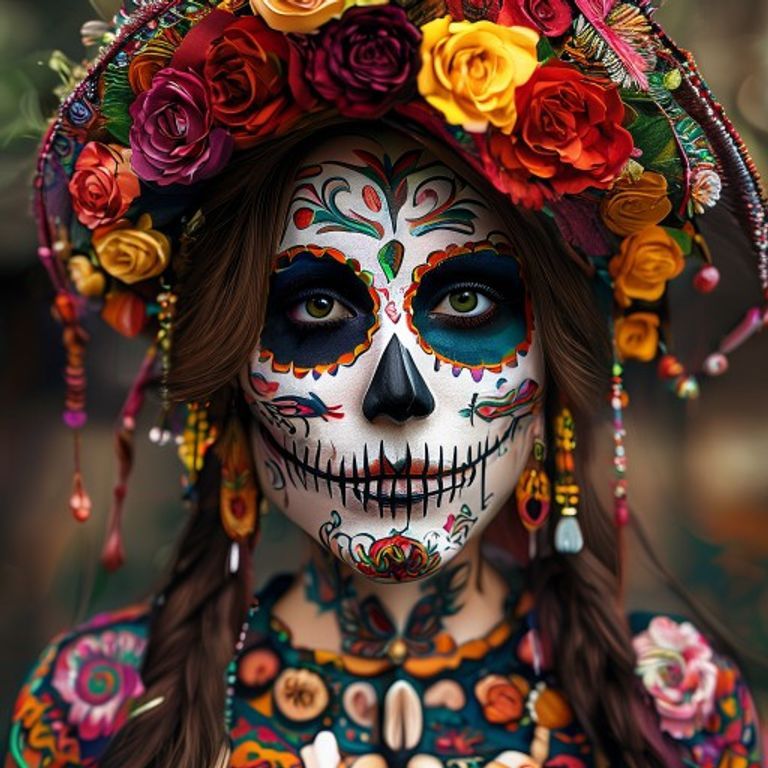
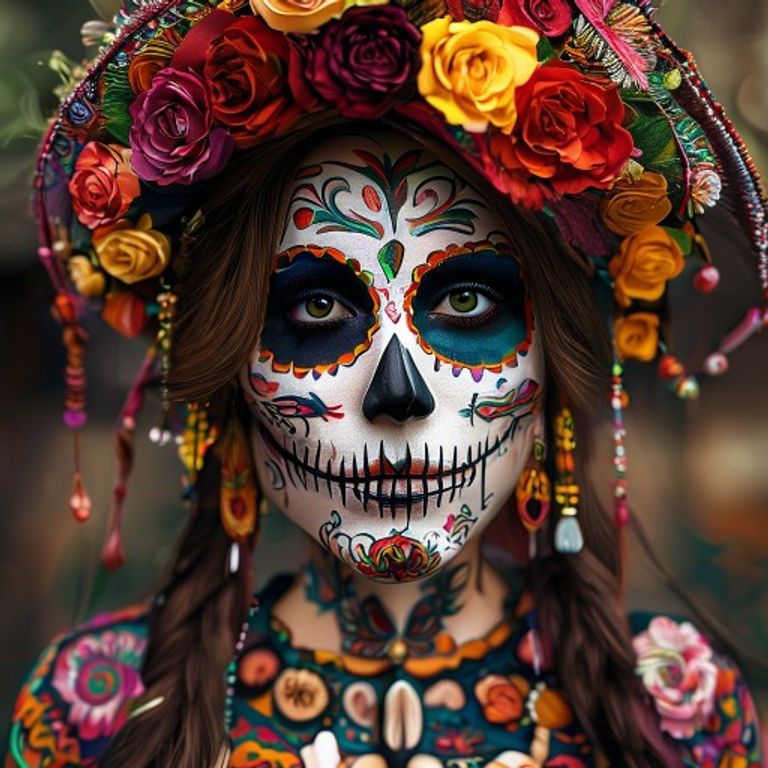
15. Catrinas
The iconic “La Calavera Catrina,” originally a political caricature, has become a symbol of the holiday. It represents the idea that death is a great equalizer—regardless of wealth, everyone eventually becomes a skeleton.
16. Traditional Music
Mariachi, folk music, and even contemporary songs are played to create a festive atmosphere that welcomes the spirits.
17. Dressing in White
While many wear colorful clothing, some traditions involve wearing white to symbolize purity and respect for the souls returning.
18. Offering Seashells
For those honoring those who passed away at sea, seashells are often placed on the altar to represent the element of water.
19. Playing Games
In some regions, lighthearted games are played to celebrate the joy of being remembered, emphasizing that death is not a somber end.
20. Creating Sand Mosaics
In certain areas, colorful sand is used to create intricate patterns or images on the ground, representing the ephemeral nature of life.
21. The Offering of Scents
Beyond copal, various flowers and aromatic herbs are used to create a sensory environment that bridges the worlds.
Comparison of Tradition vs. Commercialization
As these beautiful day of the dead traditions gain global popularity, it is important to distinguish between authentic cultural practices and commercialized interpretations.
| Feature | Authentic Tradition | Commercialized Version |
|---|---|---|
| Core Purpose | Honoring specific deceased family members. | General festive/aesthetic celebration. |
| Tone | Spiritual, intimate, and reflective. | Party-centric and spooky. |
| Symbolism | Deeply rooted in indigenous/Catholic history. | |
| Key Elements | Altars, marigolds, personal photos. |
Benefits of Celebrating Day of the Dead
While it may seem counterintuitive to celebrate “death,” the benefits of these rituals for the living are immense:
- Emotional Healing: The act of remembering can provide closure and help people navigate the grieving process.
- Strengthening Family Ties: Gathering to share stories of ancestors reinforces the sense of belonging and shared history.
- Cultural Preservation: These rituals keep ancient indigenous traditions alive, preventing the loss of cultural identity in a globalized world.
- Perspective Shift: By celebrating death, individuals often gain a healthier perspective on life and the importance of making the most of every moment.
Challenges in Maintaining Traditions
Maintaining day of the dead customs is not without its hurdles:
- Globalization: The “Halloweenization” of the holiday often leads to a misunderstanding of its true spiritual meaning.
- Urbanization: As families move away from ancestral homes or rural villages, the communal cemetery visits become more difficult to coordinate.
- Generational Gaps: Younger generations may sometimes view the rituals as mere superstitions rather than sacred traditions, requiring intentional efforts to teach the “why” behind the “what.”
Expert Tips for Creating a Meaningful Ofrenda
If you are looking to honor a loved one through an altar, follow these professional insights to ensure the ritual is respectful and heartfelt:
- Start with Intention: Before placing a single flower, spend a moment in silence to focus on the specific person you are honoring.
- Personalize the Details: An altar is not a generic display. Use items that were unique to your loved one—their favorite brand of candy, a specific trinket, or a book they loved.
- Consider the Layers: Traditional altars often have two or three levels. The bottom level is for the earth, the middle for the spirits, and the top for heaven.
- Mind the Safety: If you are using real candles, ensure the altar is placed on a stable surface away from flammable materials like papel picado.
Common Mistakes to Avoid
To ensure the dignity of these beautiful day of the dead traditions, avoid these frequent errors:
- Treating it like Halloween: Avoid using “scary” or “spooky” elements. The holiday is about love and remembrance, not fright.
- Ignoring the Personal Connection: A beautiful altar that lacks personal connection to the deceased can feel empty. The most important element is the memory.
- Lack of Respect in Public Spaces: While public celebrations are wonderful, avoid using sacred symbols (like sugar skulls) as mere fashion accessories or party props in a way that trivializes the culture.
Conclusion
The day of the dead traditions serve as a beautiful reminder that death is not a wall, but a door. Through the vibrant colors of marigolds, the sweetness of pan de muerto, and the flickering light of countless candles, we find a way to bridge the gap between what is seen and what is felt. These customs allow us to hold our loved ones close, ensuring that their laughter, their stories, and their essence continue to enrich the lives of the living for generations to come.
By embracing these rituals with respect and understanding, we do more than just celebrate a holiday; we honor the very continuity of the human spirit.
Frequently Asked Questions (FAQ)
Is Day of the Dead the same as Halloween?
No. While they occur around the same time, Halloween is a secular holiday focused on being “scary,” whereas Día de los Muertos is a sacred cultural and spiritual celebration focused on remembering the deceased.
Why are marigolds so important?
Marigolds (Cempasúchil) are believed to guide spirits back to their homes using their vibrant color and strong, distinctive scent.
Can non-Mexicans participate in these customs?
Absolutely! Anyone can honor their ancestors by creating an altar or participating in the celebrations, provided it is done with respect for the cultural origins and significance of the traditions.
What are the most important elements on an altar?
While they vary, the most essential elements are typically photos of the deceased, water, candles, salt, and the deceased’s favorite food/scents.
What is a Calavera?
A “calavera” can refer to a sugar skull (a physical object) or a “literary skull” (a satirical poem written about a living person).

Responses