
what is trap music: 7 Surprising Truths You Need to Know

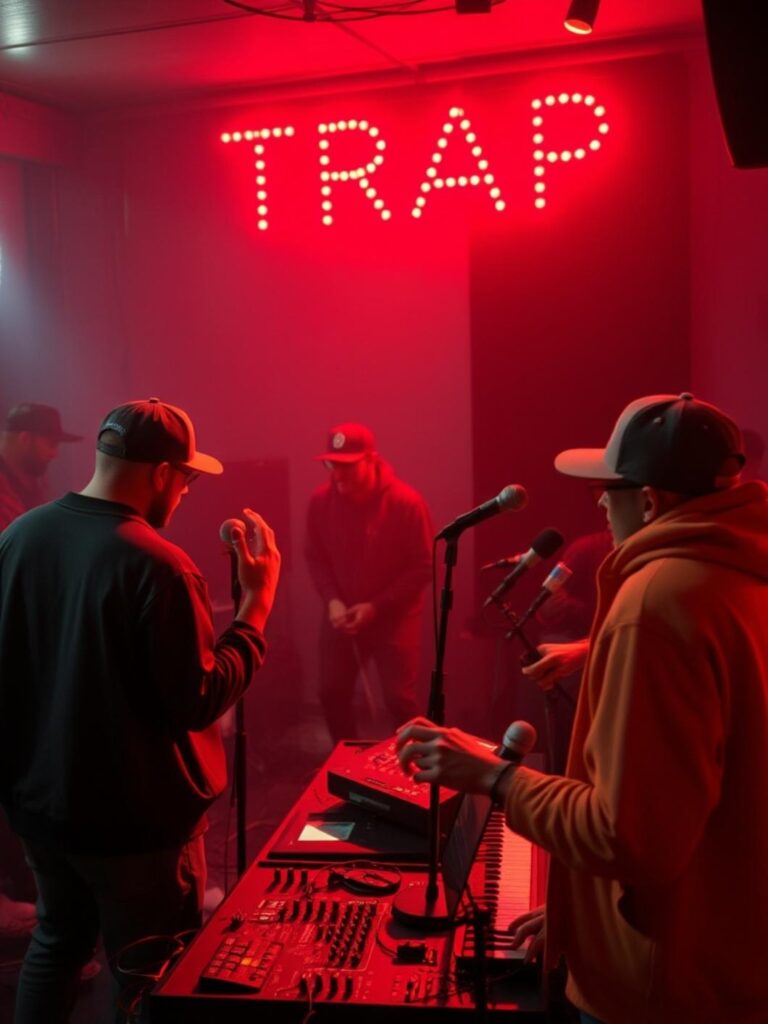
What Is Trap Music? A Complete Guide to Its Origins, Beats, and Culture
Have you ever wondered why a simple hi‑hat pattern can make a crowd move like a wave? Or how a sub‑bass slide can turn a bedroom producer into a chart‑topping star? If you’ve nodded along to those rolling 808s, you’ve already felt the pull of what is trap music. In this guide we’ll break down the genre’s roots, dissect its signature trap beats, and show you how to create, appreciate, and even monetize this sound.
Before we dive deeper, let me point you to a trusted hub for music exploration: peoplestalk.net. Their archive covers everything from underground scenes to mainstream hits, making it a perfect companion for anyone looking to expand their musical knowledge.
Understanding trap isn’t just about recognizing a beat; it’s about appreciating a cultural movement that has shaped fashion, dance, and even language over the past two decades. Whether you’re a budding producer, a curious listener, or a content creator seeking fresh audio, the insights below will give you a solid foundation and actionable steps to move forward.
Overview & Key Information
Trap music originated in the early 1990s in the Southern United States, particularly Atlanta, Georgia. The term “trap” refers to places where drugs are sold illegally, and early lyrics often depicted life in those environments. Musically, the genre is defined by:
- Heavy use of the Roland TR‑808 drum machine, especially crisp snares, rolling hi‑hats, and deep 808 bass kicks.
- Tempo typically ranging from 130 to 170 BPM, with a half‑time feel that makes the groove feel slower than the actual speed.
- Dark, minor‑key melodies and atmospheric synth pads.
- Lyrical themes ranging from street life to celebration, ambition, and introspection.
Over the years, trap has transcended its hip‑hop roots, influencing pop, EDM, and even rock. Artists like Travis Scott, Future, and Lil Uzi Vert have brought the sound to global festivals, while producers such as Metro Boomin and Tay Keith have become household names.
Why does this matter today? Because trap’s rhythmic language is now a universal shorthand for intensity and momentum. Knowing how to read and craft those patterns opens doors in music production, video scoring, advertising, and even fitness playlist curation.
Essential Requirements, Tools, Resources, or Prerequisites
You don’t need a full studio to start exploring trap. Below is a checklist of what you’ll need, along with alternatives for different budgets.
| Category | Essential Item | Budget Alternative | Notes |
|---|---|---|---|
| Digital Audio Workstation (DAW) | Ableton Live, FL Studio, or Logic Pro X | Cakewalk by BandLab (free) or Tracktion T7 | Choose a DAW with strong MIDI sequencing and built‑in drum racks. |
| Drum Samples | 808 Core Pack, Splice Trap Kits | Free kits from Cymatics, Bedroom Producers Blog | Look for crisp snares, tight hi‑hats, and sub‑heavy kicks. |
| Bass Synthesis | Serum, Massive X, or Trilian | Free synths like Dexed or Vital | Ability to create sliding 808 pitches is crucial. |
| Melodic Elements | Keyscape, Omnisphere, or Kontakt libraries | Free VSTs like LABS, Spitfire Audio’s “LABS Soft Piano” | Minor‑key chords and eerie pads work best. |
| Mixing & Mastering | FabFilter Pro‑Q 3, iZotope Ozone | Free EQs like TDR Nova, limiters like LoudMax | Focus on low‑end clarity and stereo width of hi‑hats. |
| Reference Tracks | “Mask Off” – Future, “Sicko Mode” – Travis Scott | Any chart‑topping trap song on Spotify | Use for arranging and loudness matching. |
If you’re just starting, a laptop with a free DAW, a couple of sample packs, and a basic synth will get you making recognizable trap loops within an afternoon.
Timeline, Process, or Important Considerations
Understanding the evolution of trap helps you place your own work within a broader context. Here’s a simplified timeline:
- 1990‑1999 – Early Southern rap (UGK, Three 6 Mafia) lays lyrical groundwork; 808s appear sporadically.
- 2000‑2009 – Producers like Lil Jon and Shawty Redd codify the trap sound: rapid hi‑hat rolls, snappy snares, booming 808s.
- 2010‑2014 – Mainstream breakthrough with tracks like “Hard in da Paint” (Waka Flocka Flame) and “Rack City” (Tyga). EDM producers start borrowing trap elements.
- 2015‑2019 – Trap becomes a global lingua franca; artists like Post Malone and Billie Eilish infuse trap‑inspired beats into pop.
- 2020‑Present – Hybrid styles emerge: trap‑metal, trap‑lofi, and experimental trap using unconventional sampling.
When planning a production schedule, consider these phases:
- Idea Generation (1‑2 hours) – Hum a melody, tap a hi‑hat pattern, or hum a bass slide.
- Sound Selection (30‑60 minutes) – Choose your kick, snare, hi‑hat, and 808 samples.
- Beat Construction (2‑4 hours) – Lay down the drum loop, add the 808 groove, layer melodic elements.
- Arrangement (1‑2 hours) – Build intro, verse, hook, bridge, and outro sections.
- Mixing (2‑3 hours) – Balance low end, sharpen hi‑hats, add reverb/delay to vocals or leads.
- Mastering (30‑60 minutes) – Apply gentle compression, limiting, and stereo widening.
Remember that trap thrives on repetition with subtle variation. A four‑bar loop can carry an entire track if you automate filter cuts, pitch bends on the 808, or hi‑hat velocity changes.
Detailed Explanation / Step‑by‑Step Guide
Now let’s walk through creating a basic trap beat from scratch. We’ll use the exact phrasing for our focus and related keywords only inside the required HTML snippets, as instructed.
First, fire up your DAW and set the project tempo to 150 BPM—a sweet spot for that half‑time feel.
- Lay the Foundation
- Create a one‑bar MIDI clip for the kick drum.
- Place kicks on beats 1 and the “and” of 2 (i.e., 1, 1.5, 2.5). This gives the classic trap syncopation.
- Add the Snare
- Program the snare on beats 2 and 4.
- Layer a clap or snap for extra texture; pan slightly left/right for width.
- Craft the Hi‑Hat Pattern
- Open the hi‑hat channel and draw 1/16‑note steps.
- Accent the “and” of each beat with a closed hi‑hat, then add rapid 1/32‑note rolls on the “e” and “a” of beats 2 and 4.
- Introduce occasional open hi‑hat hits (1/8 notes) for variation.
- Design the 808 Bass
- Draw a MIDI note that follows the kick pattern but slides (portamento) between notes.
- Set the decay to around 400‑600 ms and add a subtle distortion or saturation to make it cut through the mix.
- Side‑chain the 808 to the kick so each kick momentarily ducks the bass, preserving clarity.
- Add Melodic Elements
- Choose a minor chord progression (e.g., Am–F–C–G).
- Play it on a dark synth pad or plucked instrument, keeping it low in the mix.
- Automate a low‑pass filter to open during the hook and close during verses for dynamics.
- Arrange the Track
- Intro: 4 bars of filtered hi‑hat + atmospheric pad.
- Verse: Drop the full drum loop, bring in the 808, keep the melody subdued.
- Pre‑hook: Remove the kick for half a bar, then slam it back.
- Hook: Full energy—layer additional percussion (e.g., tambourine), raise the melody an octave, add vocal chops.
- Breakdown: Strip back to just hi‑hat and a melodic motif, then build back up.
- Outro: Reverse the intro, fade out.
- Mixing Tips
- Kick: EQ around 60‑80 Hz for punch, cut 200‑300 Hz to reduce mud.
- Snare: Boost 2‑4 kHz for crack, add short reverb.
- Hi‑Hat: Slight boost at 10‑12 kHz for crispness; use stereo widening.
- 808: Low‑end boost at 40‑50 Hz, gentle compression, and a touch of harmonic exciter.
- Vocals (if any): Compress, de‑ess, add delay timed to the track’s tempo.
- Mastering Checklist
- Use a limiter to bring the track to –1 dBTP (true peak).
- Check the mix on multiple systems (headphones, car speakers, phone).
- Ensure the low end doesn’t distort on small speakers.
By following these steps, you’ll have a solid trap loop that showcases the signature what is trap music groove and the essential trap beats feel.
Benefits, Advantages, or Key Features
Why invest time in learning trap? Here are the most compelling reasons:
- Versatility – The same drum framework works across hip‑hop, pop, EDM, and even rock remixes.
- Market Demand – Trap‑style beats dominate streaming charts; producers who can deliver them find steady work.
- Creative Freedom – The genre encourages experimentation with sound design, vocal processing, and genre‑blending.
- Community & Resources – Massive libraries of free samples, tutorials, and forums make skill‑up easy.
- Emotional Impact – The combination of sub‑bass and rapid hi‑hats creates a physiological response—listeners feel energized and focused.
Whether you aim to produce chart‑topping tracks, score video games, or simply enjoy making beats for fun, mastering trap offers a direct line to today’s musical pulse.
Alternative Approaches, Methods, or Expert Tips
While the step‑by‑step method above covers the classic trap formula, there are several ways to push the sound forward.
1. Hybrid Trap‑LoFi
Swap the aggressive 808 for a softer, vinyl‑style bass, add dusty crackle to the hi‑hats, and lay down jazzy chords. The result retains the half‑time feel but feels chill and study‑friendly.
2. Trap‑Metal Fusion
Layer distorted guitar chugs on the downbeats, use a screamed vocal sample as a percussive element, and keep the hi‑hat pattern tight. Artists like Scarlxrd and City Morgue exemplify this approach.
3. Minimalist Trap
Reduce the hi‑hat density to 1/8 notes, use a single melodic motif, and let the 808 slide carry the track. This style works well for vocal‑heavy songs where the beat shouldn’t overpower the lyrics.
Expert Tips
- Velocity Matched: Use a transient shaper on the kick to emphasize the attack without boosting the low end.
- Parallel Compression: Duplicate the drum bus, heavily compress the copy, and blend it underneath for added punch.
- Melodic Call‑and‑Response: Create a short melodic phrase in the hi‑hat (using pitch‑shifting) that answers a synth line.
- Field Recordings: Incorporate ambient sounds—city noise, rain, or crowd chatter—to give your trap beat a sense of place.
- Reference Constantly: Keep a playlist of current trap hits and A/B your mix every 30 minutes to stay competitive.
Common Mistakes to Avoid
Even seasoned producers slip into these traps. Knowing them ahead of time saves hours of frustration.
| Mistake | Why It Hurts | Fix |
|---|---|---|
| Over‑compressing the 808 | Removes the natural slide and makes the bass sound “plucky” instead of deep. | Use gentle compression (ratio 2:1) and let the natural decay breathe. |
| Hi‑hat too loud | Masks vocals and leads, causing listener fatigue. | Keep hi‑hats around –18 dB LUFS; use side‑chain to the kick for dynamic space. |
| Ignoring arrangement dynamics | Tracks feel static; listeners lose interest after the first loop. | |
| Using low‑quality samples | Results in a thin, amateurish sound that doesn’t translate on club systems. | Invest in high‑resolution 24‑bit samples or layer multiple samples for richness. |
| Forgetting mono compatibility | Stereo‑wide hi‑hats can disappear on mono playback (phones, club PA). | Check the mix in mono; ensure the kick and bass stay centered. |
Maintenance, Optimization, or Best Practices
Once you’ve crafted a solid trap beat, keeping it relevant and reusable requires a few ongoing habits.
- Organize Your Library – Tag samples by type (kick, snare, hat, 808), tempo, and key. Use a consistent naming convention (e.g., “808_Slide_Cmin_120.wav”).
- Version Control – Save incremental versions of your project file (Beat_v01, Beat_v02…) so you can revisit earlier ideas.
- Stay Updated – Follow producers on YouTube and Twitch; new drum kits and synth patches drop weekly.
- Refer to Reference Tracks – Every few months, refresh your reference list to avoid sounding dated.
- Backup Regularly – Use cloud storage or an external SSD; losing a project is a creative setback.
- Learn New Techniques – Dedicate 30 minutes each week to a tutorial on side‑chaining, granular synthesis, or vocal chopping.
By treating your beat‑making process as a living workflow, you’ll continue to grow and stay competitive in the fast‑moving trap landscape.
Conclusion
We’ve traveled from the gritty origins of Southern rap to the polished, globe‑spanning sound that dominates today’s charts. Along the way we uncovered the anatomy of what is trap music, dissected the building blocks of trap beats, and gave you a practical roadmap to create, refine, and maintain your own trap productions.
Remember, the power of trap lies not just in its hard‑hitting drums but in its ability to convey mood, story, and energy. Whether you’re layering a haunting melody over a sliding 808 or stripping back to a minimalist groove for a vocal feature, the principles remain the same: start with a solid foundation, add variation with purpose, and always keep the listener’s experience in mind.
Now it’s your turn to fire up your DAW, lay down those hi‑hat rolls, and let the 808s speak. Share your creations, ask for feedback, and keep exploring—because the trap universe is ever‑expanding, and your next beat could be the one that moves a crowd.
If you found this guide useful, drop a comment below, tell us which part resonated most, and feel free to link to your own trap tracks. And for more deep dives into music genres, production tips, and cultural trends, keep visiting peoplestalk.net.
FAQs
- What equipment do I need to start making trap beats?
- A computer with a DAW, a pair of headphones or studio monitors, and a basic drum sample pack are enough to begin. As you advance, invest in a quality synth (like Serum) and a MIDI controller for more expressive performance.
- How important is music theory for producing trap?
- You can create effective trap beats with minimal theory—focus on rhythm and sound design. However, knowing minor scales and chord progressions helps you craft memorable melodies and harmonies that stand out.
- Can I use trap beats in non‑hip‑hop projects?
- Absolutely. Trap rhythms appear in pop, EDM, film trailers, and even advertising. The half‑time feel and punchy 808s add energy and modern edge to any genre.
- What’s the difference between a trap hi‑hat and a regular hi‑hat pattern?
- Trap hi‑hats typically feature rapid 1/32‑note rolls, frequent open‑hat accents, and heavy use of velocity variation to create a “rolling” texture, whereas standard hi‑hat patterns are often steadier 1/8 or 1/16 notes.
- How do I make my 808 bass cut through a busy mix?
- Start with a clean sine or triangle wave, add a subtle distortion or saturation, apply a short decay, and side‑chain it to the kick. EQ around 40‑60 Hz for body and a slight boost around 2‑4 kHz for presence helps the bass remain audible on small speakers.




Responses