
Improve Your Ear For Music For Beginners: Power Moves to Level Up Fast

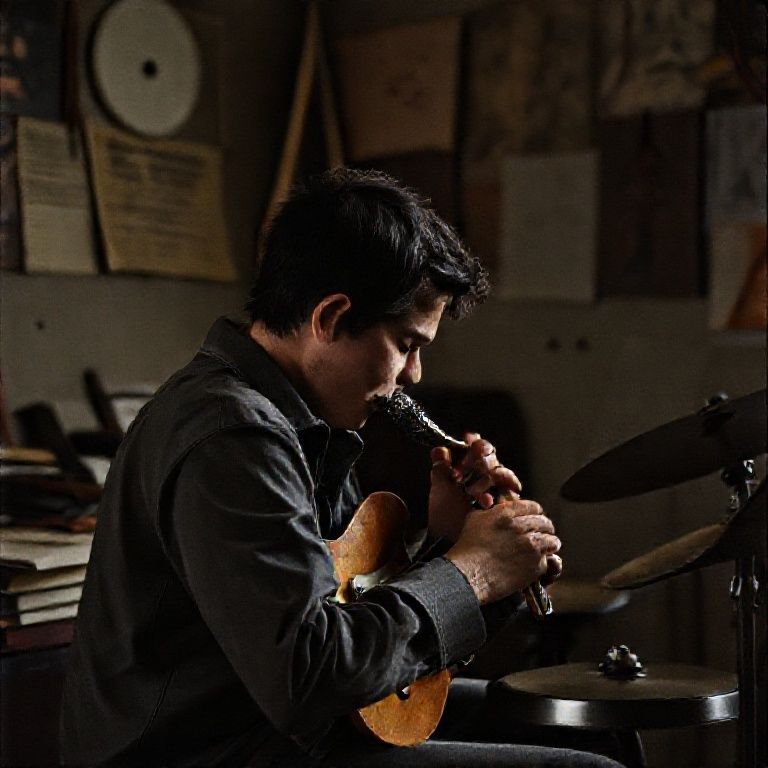
improve your ear for music for beginners

Introduction
Are you eager to enhance your musical experience and appreciate your favorite songs on a deeper level? Improving your ear for music is an invaluable skill that can transform the way you enjoy and interact with music. As a beginner, developing your auditory awareness can be both exciting and intimidating, but with practice and patience, anyone can cultivate their ability to recognize melodies, harmonies, and rhythms.
One of the most significant benefits of improving your ear for music is the ability to identify and analyze different genres, styles, and artists. By honing your listening skills, you’ll become a more discerning listener, able to appreciate the nuances that set one song apart from another. Whether you’re a fan of classical, rock, pop, or any other genre, improving your ear for music can enrich your musical journey and help you discover new sounds and artists.
In this article, we’ll explore practical tips and techniques to help beginners improve their ear for music. From simple exercises to advanced strategies, we’ll cover it all, providing you with the tools and guidance needed to take your listening skills to the next level. Whether you’re a music enthusiast or simply looking to enhance your musical experience, this article is designed to empower you with the knowledge and confidence to develop your unique ear for music.

Improving Your Ear for Music as a Beginner
Improving your ear for music is an essential skill for any musician or music enthusiast. It allows you to appreciate and analyze music more effectively, making it easier to learn new songs, recognize different genres, and develop your own musical tastes.
Understanding the Basics of Music Theory
Learning the Major Scales
One of the most fundamental concepts in music theory is the major scale. The major scale consists of seven notes, each with a specific pitch and interval. Learning the major scales will help you recognize patterns in music and improve your ability to sing or play along with songs.
Practicing Listening Skills
Listening to music is an essential part of improving your ear for music. Here are some practical steps to follow:
Step 1: Listen to Different Genres
Listen to a variety of genres, from classical to pop, jazz to rock. Pay attention to the different instruments, melodies, and rhythms.
Step 2: Analyze Song Structure
Break down songs into their individual sections (verse, chorus, bridge). Identify the key elements of each section, such as melody, harmony, and rhythm.
Identifying Intervals and Chords
Understanding intervals and chords is crucial for improving your ear for music. Here’s how to do it:
Step 1: Learn the Major Chord Progressions
Start with basic major chord progressions (e.g., C-G-Am). Practice singing or playing along with these progressions.
Step 2: Identify Intervals
Listen to a melody and try to identify the intervals between each note. For example, if you hear the notes C-D-E, the interval is a perfect fifth.
Practicing Ear Training Exercises
Ear training exercises can help improve your skills in a fun and engaging way. Here are some examples:
Step 1: Singing Exercises
Sing along with songs, paying attention to pitch and melody. Start with simple melodies and gradually move on to more complex ones.
Step 2: Transcription Exercises
Listen to a song or melody and try to transcribe it into sheet music. This will help you develop your ear for intervals and chord progressions.
Conclusion
Improving your ear for music takes time and practice, but with these practical steps, you can start developing your skills today. Remember to listen regularly, analyze songs, identify intervals and chords, and practice ear training exercises. With dedication and persistence, you’ll be able to improve your ear for music in no time.
References:
MusicTheory.net (Anchor:Musictheory)
The Ear Training Handbook by Mark Levine (Anchor:Marklevine)


Conclusion
Improving your ear for music can be a rewarding and enjoyable experience, especially for beginners. By dedicating time to developing your musical awareness, you can enhance your appreciation of different genres, improve your own musical skills, and even become a more discerning listener.
To get started on this journey, we encourage you to take the first step by committing to regular practice sessions where you focus on developing your ear for music. This could involve activities such as humming or singing along with your favorite songs, identifying different instruments or vocal styles, or even trying your hand at playing a musical instrument.
Remember, improving your ear for music takes time and patience, but the rewards are well worth it. So why not start today? Set aside some time each week to work on developing your musical awareness, and see how far you can improve your ear for music. With consistent practice and dedication, you’ll be amazed at how much more you’re able to appreciate and enjoy music.
Here are five concise FAQ pairs for “Improve Your Ear for Music for Beginners”:
Q: What is my ear for music, and why do I need to improve it?
A: Your ear for music refers to your ability to recognize and distinguish between different sounds, melodies, and harmonies. Improving your ear will help you develop a more nuanced understanding of music.
Q: How can I start improving my ear for music?
A: Start by listening to a wide range of music genres and paying attention to the melodies, chord progressions, and rhythms. Try singing or humming along with your favorite songs to develop your pitch recognition skills.
Q: What are some exercises that can help me improve my ear for music?
A: Simple exercises include identifying notes on a piano or keyboard, recognizing intervals between two notes, and transcribing melodies from recordings. You can also try games like “name that note” or “spot the chord progression”.
Q: Can I really hear differences in pitch if I’m tone deaf?
A: Yes, anyone can improve their ear for music, regardless of prior musical experience. While some people may have a natural inclination towards pitch recognition, it’s not necessarily tied to being “tone deaf”. With practice and patience, you can develop your skills.
Q: How long does it take to see improvements in my ear for music?
Here are four single-choice questions to help improve your ear for music as a beginner:
Question 1: What is the term for the pattern of whole and half steps used in a musical scale?
A) Chord progression
B) Melody contour
C) Scale degree
Show answer
Answer: C) Scale degree
Question 2: Which of the following instruments is typically used to produce a bright, high-pitched sound?
A) Piano
B) Guitar
C) Trumpet
Show answer
Answer: C) Trumpet
Question 3: What is the term for the process of repeating a musical phrase or motif at a higher pitch?
A) Harmonization
B) Transposition
C) Augmentation
Show answer
Answer: B) Transposition
Question 4: Which of the following musical elements refers to the overall sound or “feel” of a piece of music?
A) Rhythm
B) Melody
C) Timbre
Show answer
Answer: C) Timbre



I can’t thank you enough for this information. Keep up the good work!
This really helped me understand the concept better. Great post!
Never considered this angle before. Mind-blowing! 👍