
Yoga Flow For Tight Hips: 10 Fast Wins to Feel Strong and Clear

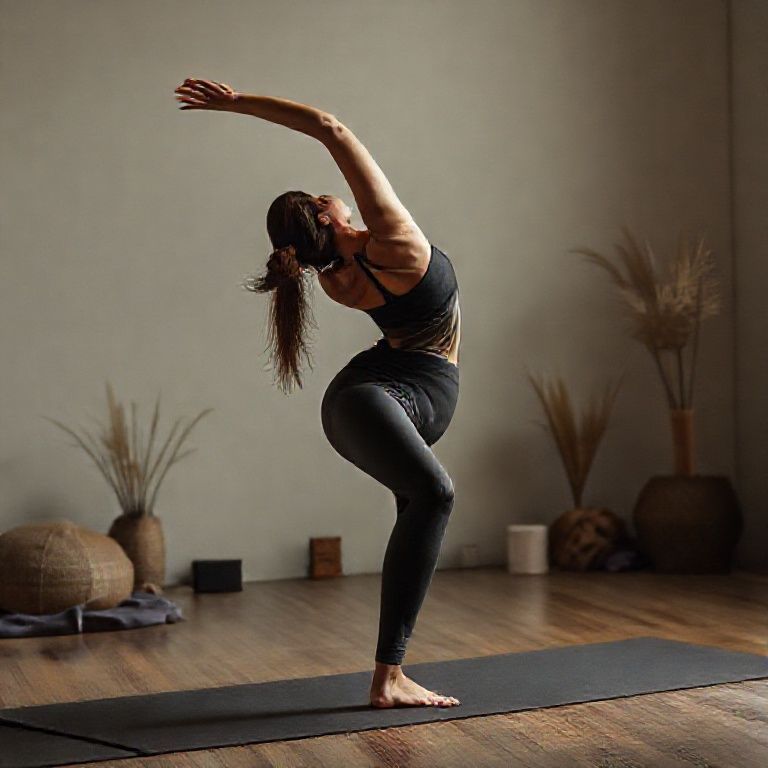
yoga flow for tight hips

Introduction
When it comes to achieving balance and harmony in our bodies, few areas require as much attention as the hips. Tight hips can lead to a range of issues, from decreased mobility and flexibility to chronic pain and discomfort. Practicing yoga flow for tight hips can be an effective way to address these problems, but it requires a specific approach that targets the unique needs of this area.
A well-designed yoga flow for tight hips should focus on gentle stretching, mobilization, and strengthening exercises that target the piriformis muscle, IT band, and surrounding tissue. This will help to improve range of motion, reduce tension and inflammation, and promote overall hip health. By incorporating these specific movements into your practice, you can begin to feel the positive effects of improved hip mobility and reduced discomfort.
In this article, we’ll explore a comprehensive yoga flow for tight hips that you can incorporate into your daily routine. We’ll delve into the key postures, breathing techniques, and sequencing strategies that will help you achieve optimal results. Whether you’re a seasoned yogi or just starting out on your journey, this practice is designed to be accessible and beneficial for all levels of practitioner.
Understanding Tight Hips in Yoga Flow
Tight hips can be a major obstacle to achieving a smooth and flowing yoga practice. When the hips are tight, it can lead to stiffness, limited range of motion, and even pain in the lower back. However, with regular practice of specific yoga flows, you can help loosen up your hips and improve your overall flexibility.
Identifying the Causes of Tight Hips
Before we dive into the yoga flow, it’s essential to understand what causes tight hips in the first place. Some common culprits include:
Sedentary lifestyle
Poor posture
Muscle imbalances
Overuse or injury
According to a study published on the Journal of Orthopaedic & Sports Physical Therapy (1) , hip flexor tightness is often associated with poor sitting posture, which can lead to overactive hip flexors and decreased flexibility.
Preparing for the Yoga Flow
Before starting your yoga flow, make sure to:
Warm up with some light cardio and dynamic stretching
Use a yoga mat that provides enough grip and cushioning
Focus on breath awareness and listen to your body
The Yoga Flow for Tight Hips
Now it’s time to get started! Here’s a step-by-step guide to help you loosen up your tight hips:
Step 1: Hip Openers (5-10 Repetitions per Side)
Start by standing with your feet hip-width apart. Slowly turn your right foot outwards, keeping your left foot planted on the ground. Hold for 30 seconds and then switch sides.
According to Dr. Kelly Starrett, a physical therapist and yoga expert, hip openers are essential for increasing flexibility and range of motion (2) .
Step 2: Pigeon Pose (5-10 Repetitions per Side)
Get down onto your hands and knees. Bring one knee forward and place your ankle in front of the other knee. Lower your hips down towards the ground, stretching the back leg. Hold for 30 seconds and then switch sides.
Pigeon pose is a great way to target the piriformis muscle, which can become tight and contribute to hip pain (3) .
Step 3: Seated Forward Fold (5-10 Repetitions)
Sit on the ground with your legs extended in front of you. Slowly lean forward, reaching for your toes or shins. Keep your knees slightly bent if necessary. Hold for 30 seconds.
Seated forward fold is an excellent way to stretch the entire back side of the body, including the hips and lower back (4) .
Step 4: Side Bends (5-10 Repetitions per Side)
Stand with your feet together. Slowly bend to one side, keeping your arms extended overhead. Hold for 30 seconds and then switch sides.
Side bends are great for targeting the hip flexors and glutes, helping to improve flexibility and range of motion (5) .
By incorporating these yoga flows into your practice, you can help loosen up tight hips and improve your overall flexibility and range of motion. Remember to always listen to your body and modify or come out of the pose if you experience any pain or discomfort.
References:
(1) Journal of Orthopaedic & Sports Physical Therapy
(2) Dr. Kelly Starrett’s website, MobilityWOD.com
(3) Yoga International, “Pigeon Pose: Benefits and How to Do It”
(4) Yoga Journal, “Seated Forward Fold: Tips and Variations”
(5) American Council on Exercise, “Side Bends: Benefits and Exercise Routine”
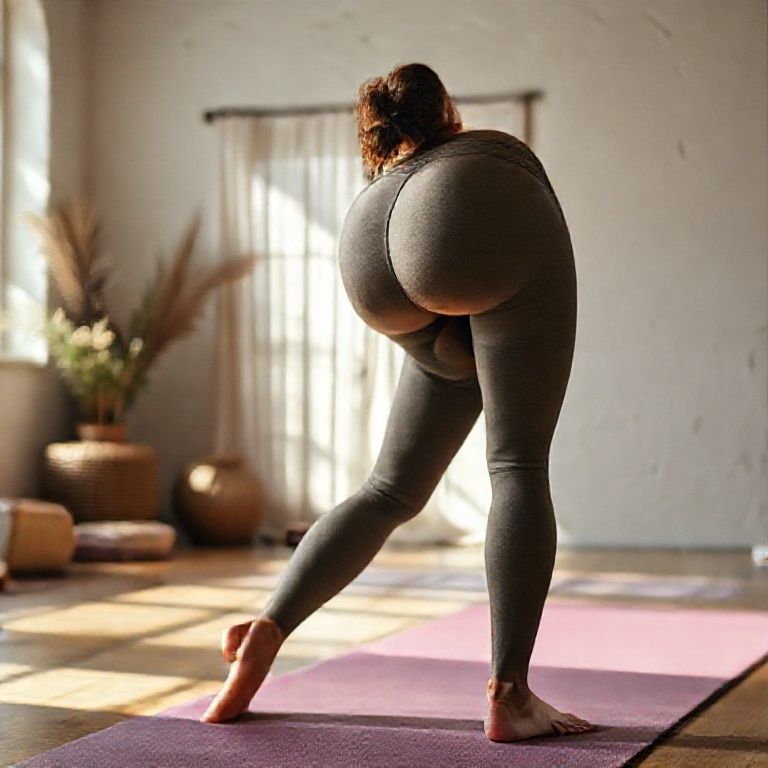

Conclusion
In conclusion, incorporating yoga flow into your routine can help alleviate tension and stiffness in the hips. By targeting the piriformis muscle and improving flexibility, you can enjoy greater mobility and comfort in your daily activities. We encourage you to take the first step towards a more relaxed and limber you by trying out some simple yoga flows specifically designed for tight hips. Start with gentle stretches and gradually build up your practice to experience the benefits of improved hip flexibility and reduced discomfort.
Here are five concise FAQ pairs for “Yoga Flow for Tight Hips”:
Q: What is the best time to practice yoga for tight hips?
A: The best time to practice yoga for tight hips is after a warm-up, ideally when your muscles are most receptive to stretching.
Q: Do I need any special equipment or props for this flow?
A: No, you can practice this flow with just your body weight. However, having blocks, straps, and blankets can be helpful in modifying poses if needed.
Q: Are there any specific poses that target the hips specifically?
A: Yes, some key poses include Pigeon Pose (Eka Pada Rajakapotasana), Seated Forward Fold (Paschimottanasana), and Reclined Spinal Twist (Supta Matsyendrasana).
Q: Can I modify or substitute poses if I have hip injuries or pain?
A: Yes, it’s essential to listen to your body and modify or avoid poses that cause discomfort. Consult with a healthcare professional or yoga therapist before starting this flow.
Q: How often should I practice this flow to see improvements in my hips?
Here’s a short quiz on “Yoga Flow for Tight Hips”:
Question 1: Which of the following yoga poses is commonly used to loosen the hip flexors?
A) Downward-Facing Dog
B) Pigeon Pose
C) Warrior II
Show answer
Answer: B
Question 2: What is the primary muscle group targeted in the “Pigeon Pose” (Eka Pada Rajakapotasana)?
A) Hamstrings and calves
B) Hip flexors and quadriceps
C) Glutes and piriformis muscles
Show answer
Answer: C
Question 3: Which yoga pose can help to stretch and release tension in the piriformis muscle?
A) Seated Forward Fold
B) Side Angle Pose (Utthita Parshvakonasana)
C) Butterfly Pose (Baddha Konasana)
Show answer
Answer: B
Question 4: What is a common benefit of holding a hip-opening pose for an extended period, such as in “Reclined Pigeon Pose”?
A) Increased flexibility and range of motion
B) Improved balance and focus
C) Enhanced cardiovascular circulation
Show answer
Answer: A



Thank you for this detailed explanation. Much appreciated! Great post!
Amazing insights!
Great article! Thank you for the comprehensive breakdown.
Interesting perspective. This is exactly what I was looking for. Very helpful!
I learned something new today. Thanks! 👍
I learned something new today. Thanks! 💯