
What To Do After A Big Argument: 9 Smart Steps to Make It Easier

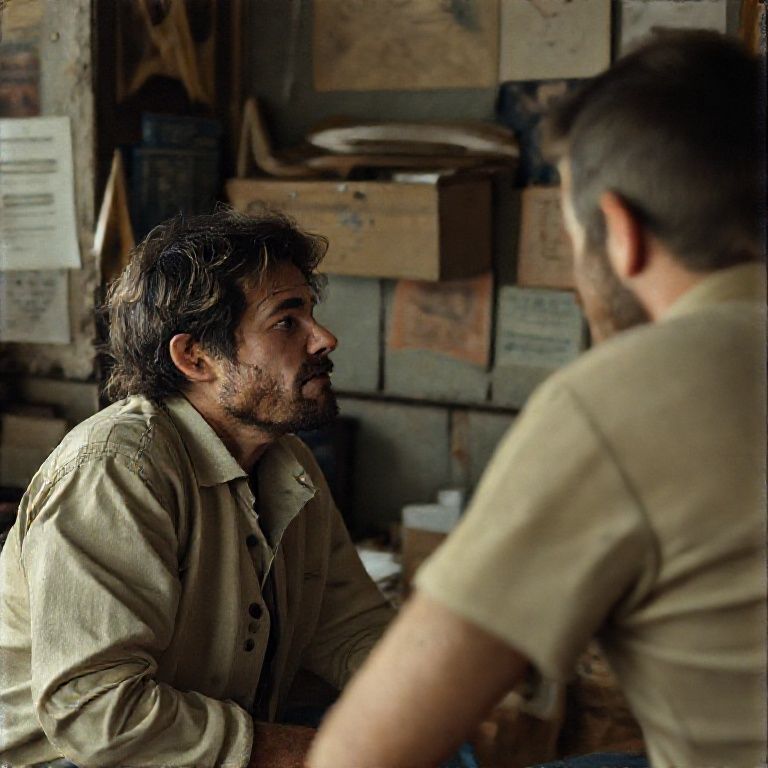
what to do after a big argument
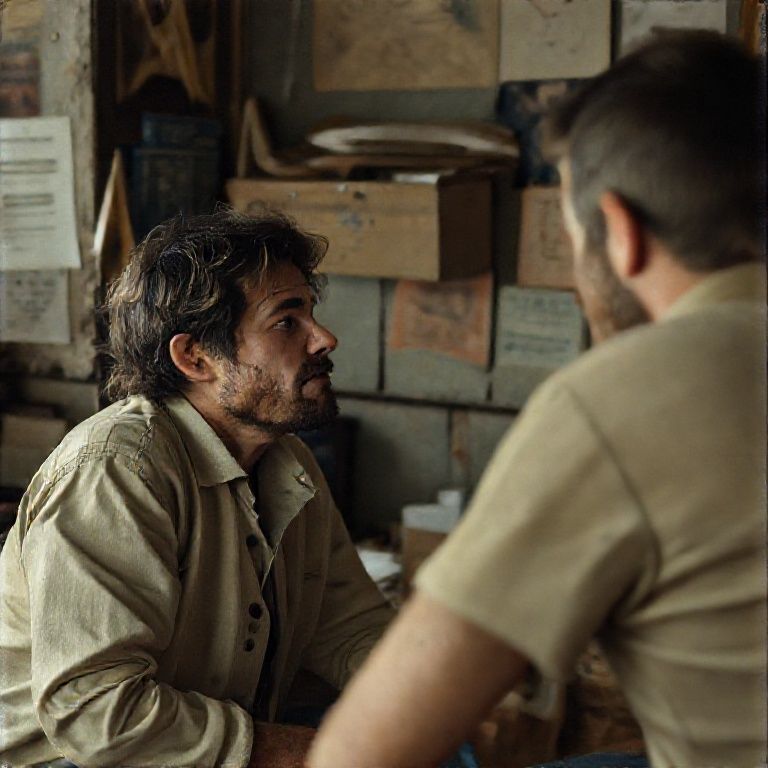
Introduction
The sound of raised voices and slamming doors can be a jarring reminder that even the closest relationships are not immune to conflict. What happens after the storm has passed, and the tension has begun to dissipate? How do you navigate the aftermath of a big argument, where emotions are raw and trust is on shaky ground? Reconciling with your partner or loved one can be a daunting task, especially when the argument was intense.
In the heat of the moment, it’s easy to get caught up in a cycle of recrimination and blame. However, this approach rarely leads to resolution and often leaves both parties feeling hurt and resentful. So, what do you do after a big argument? The first step is often to take a deep breath, calm down, and give yourself time to process your emotions.
In the following article, we’ll explore some practical strategies for navigating the aftermath of a big argument. We’ll discuss how to communicate effectively, apologize sincerely, and work towards healing and rebuilding trust. Whether you’re dealing with a long-term partner, family member, or friend, these tips can help you move forward with greater understanding, empathy, and peace of mind.

Cooling Down After a Big Argument
After a heated argument, it’s essential to take some time to calm down and reflect on the situation. This allows you to approach the issue with a clearer head and a more constructive mindset.
Step 1: Take a Time-Out
When emotions are running high, it’s crucial to create some distance between yourself and your partner. This can be as simple as taking a walk around the block or engaging in an activity that requires your full attention. A time-out gives both parties space to calm down and regroup.
Step 2: Identify Your Triggers
Reflecting on what triggered the argument is essential to understanding the root cause of the issue. Ask yourself questions like “What was I feeling before the argument?” or “What was said that made me react this way?” Identifying your triggers can help you address the underlying issues and prevent similar conflicts in the future.
Step 3: Practice Self-Care
Taking care of your physical and emotional needs is vital after a big argument. Make sure to get enough sleep, eat healthy foods, and engage in activities that bring you joy and relaxation. Exercise, meditation, or yoga can also help reduce stress and anxiety.
Reaching Out After the Storm Has Passed
Once both parties have cooled down, it’s time to start rebuilding and reconnecting.
Step 3.1: Send a Calming Message
If one partner wants to initiate contact first, consider sending a calming message that acknowledges the argument without rehashing the details. A simple “I’m sorry I lost my temper earlier” or “I love you and I’m here for you” can go a long way in diffusing tension.
Step 3.2: Meet Up for a Calm Conversation
Once both parties are calm, it’s time to have a constructive conversation about the argument. Choose a neutral location where you both feel comfortable and safe. Listen actively to each other’s perspectives, and try to find common ground.
Moving Forward
After a big argument, it’s essential to work on rebuilding trust and strengthening your relationship. Here are some tips to help you move forward:
Step 4: Apologize Sincerely
If one partner was at fault during the argument, consider apologizing sincerely for their actions. This can help heal emotional wounds and rebuild trust.
Step 4.1: Make Amends
Making amends can be a powerful way to repair your relationship after a big argument. Consider doing something thoughtful or generous for your partner, such as cooking their favorite meal or giving them a small gift.
Step 5: Learn from the Argument
The next time an argument arises, try to approach it with a different mindset. Ask yourself what you can learn from the experience and how you can improve your communication skills.
References:
“Effective Communication in Conflict Situations” by American Psychological Association (APA) ([APA](https: //www.apa.org/topics/conflict))
“Rebuilding Trust After Infidelity” by National Domestic Violence Hotline ([National Domestic Violence Hotline](https: //www.thehotline.org/))


Conclusion
After a big argument, it’s essential to take time to reflect on the emotions and issues that led to the conflict. Before you move forward, consider having an open and honest conversation with your partner or loved one to clear up any misunderstandings and work towards a resolution.
If you’re unable to talk to the person involved directly, reach out to a trusted friend, family member, or counselor for support and guidance. They can help you process your emotions and provide valuable insight into how to navigate the situation.
Remember that healing and rebuilding relationships takes time, effort, and patience. By taking the first steps towards communication and understanding, you can work towards resolving conflicts and strengthening your bonds with others.
Here are five concise FAQ pairs on what to do after a big argument:
Q: How long should I wait before talking to my partner again?
A: Wait at least 24 hours before initiating a conversation, but longer if the argument was extremely heated or hurtful.
Q: What’s the best way to apologize after an argument?
A: A sincere and specific apology that takes responsibility for your actions is key. Make sure to listen actively and validate your partner’s feelings as well.
Q: Can I text my partner during a big argument, or should I wait until we’re calm?
A: It’s usually best to wait until the argument has cooled down before texting or calling your partner. This can help prevent further escalation and allow for more constructive communication.
Q: How do I know if it’s time to take a break from my relationship after an argument?
A: If you feel like the argument was a symptom of deeper issues in your relationship, such as lack of trust or communication, it may be worth taking a break to work on those problems. However, if it was just a one-time disagreement, it’s likely okay to try again.
Q: What can I do to prevent future arguments from happening?
Here’s a short quiz for “What to Do After a Big Argument”:
Question 1: What is usually the most effective way to resolve a disagreement after a big argument?
A) Avoid talking about it until you’re both calm
B) Bring up the argument again, even if you’ve already discussed it
C) Give each other space and time to cool down before talking
Show answer
Answer: C
Question 2: What should you do with your phone or other device after a big argument?
A) Keep using it to text or call your partner
B) Take a break from using it for a few hours
C) Delete all messages or calls related to the argument
Show answer
Answer: B
Question 3: How can you show that you value and respect your partner’s feelings during an argument?
A) By becoming defensive and dismissive of their opinions
B) By listening actively and trying to understand their perspective
C) By interrupting them and talking over what they’re saying
Show answer
Answer: B
Question 4: What is a good way to apologize after a big argument?
A) Apologize immediately, without acknowledging your own part in the conflict
B) Wait until you’ve had time to reflect on your actions and feelings
C) Use an insincere or passive-aggressive tone when apologizing
Show answer
Answer: B






Thank you for the comprehensive breakdown.
This helped me solve my problem. thank you so much!
Thanks for this post. This is exactly what I was looking for. Very helpful!