
Wearable Health Trackers Simple Guide: Proven Methods to Get Started Today

wearable health trackers simple guide
Introduction
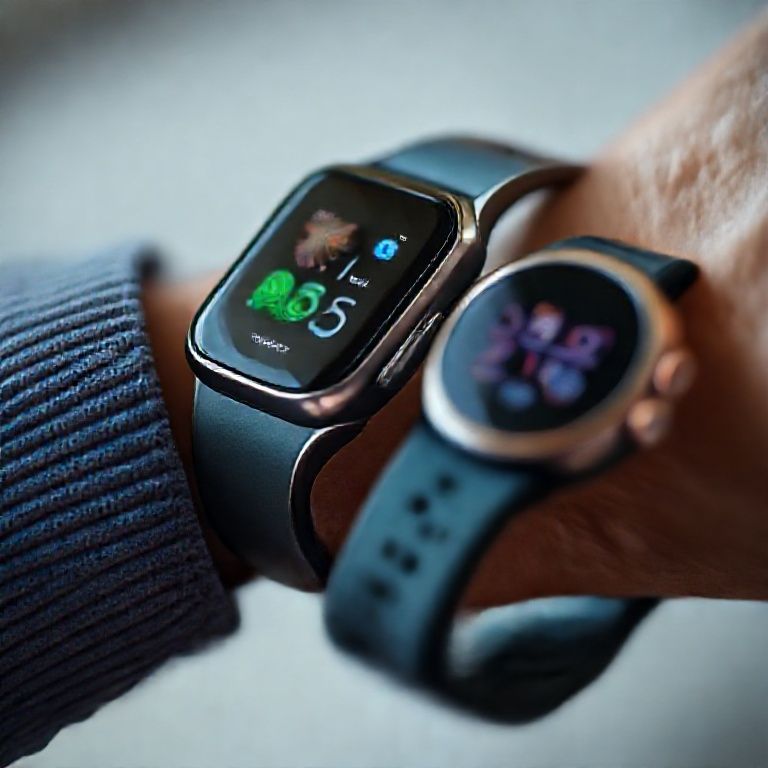
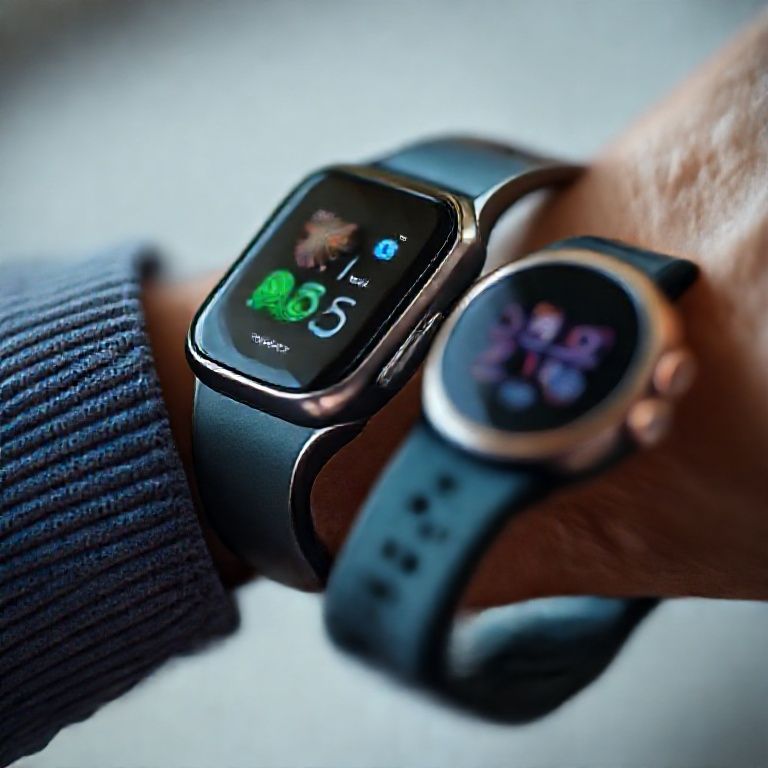
In today’s fast-paced world, staying on top of our physical and mental well-being can be a daunting task. With the constant bombardment of information about new diets, exercise routines, and health trends, it’s easy to feel overwhelmed and unsure of where to start. However, with the rise of wearable health trackers, many people are finding a simple and effective way to monitor their health and make positive changes. A wearable health tracker is a small device that you wear on your wrist or clip onto your clothing, tracking various aspects of your physical activity, sleep patterns, and even stress levels.
These devices have become increasingly popular in recent years, with many brands offering high-quality options at affordable prices. But with so many different types of trackers available, it can be difficult to know where to start. That’s why we’ve put together this simple guide to wearable health trackers, designed to help you navigate the market and find the best tracker for your needs.
In this article, we’ll take a closer look at what wearable health trackers are, how they work, and what features to look for when choosing one. We’ll also explore some of the most popular brands and models on the market, and provide tips on how to get the most out of your new tracker. Whether you’re looking to improve your physical activity, monitor your sleep patterns, or simply stay connected with your health data, this simple guide will help you make an informed decision about wearable health trackers.

Getting Started with Wearable Health Trackers
Choosing the Right Tracker for You
When it comes to wearable health trackers, there are numerous options available in the market. With so many devices to choose from, selecting the right one can be overwhelming. To make an informed decision, consider your fitness goals, budget, and personal preferences.
For example, if you’re a casual runner, you may want a tracker that’s lightweight and has a long battery life. On the other hand, if you’re a serious athlete, you may prefer a device with advanced heart rate monitoring capabilities and GPS tracking.
Understanding Key Features
A good wearable health tracker should have several key features that cater to your specific needs. Here are some things to look for:
Monitoring Heart Rate and Sleep
Many modern wearable health trackers come equipped with advanced heart rate monitoring capabilities. Look for devices that track both resting heart rate and maximum heart rate during exercise. Additionally, consider a tracker that monitors sleep patterns, including duration, quality, and stages.
For instance, the Fitbit Inspire HR tracks your heart rate 24/7, while the Garmin Vivosport monitors your sleep stages and provides insights into your sleep quality.
Tracking Fitness Metrics
Wearable health trackers should also track fitness metrics such as steps taken, distance traveled, and calories burned. Look for devices that use advanced algorithms to provide accurate measurements.
For example, the Apple Watch Series 7 uses machine learning algorithms to estimate calorie burn based on your exercise intensity and duration.
Monitoring Stress and Mood
Some wearable health trackers come equipped with stress and mood monitoring features. These features can help you track your emotional well-being and identify patterns that may impact your physical health.
For instance, the Oura Ring tracks your sleep quality, heart rate variability, and other metrics to provide insights into your physical and mental state.
Setting Up Your Tracker
Once you’ve chosen the right device, it’s time to set it up. Follow these steps:
Step 1: Download and Install the Companion App
Download the companion app for your wearable health tracker from the app store or website of the manufacturer. Follow the in-app instructions to install the app on your smartphone or tablet.
For example, if you’re using a Fitbit tracker, download the Fitbit app from the Apple App Store or Google Play Store.
Step 2: Create a User Profile
Create a user profile by entering your personal details, such as name, date of birth, and height. This information will help you track progress over time.
For instance, if you’re using an Oura Ring, create a user profile to track your sleep quality, heart rate variability, and other metrics.
Step 3: Link Your Tracker to the Companion App
Link your wearable health tracker to the companion app by scanning the QR code or following the in-app instructions.
Using Your Tracker
Now that you’ve set up your device, it’s time to start using it. Here are some practical tips:
Step 1: Wear Your Tracker Regularly
Wear your wearable health tracker regularly to track your daily activity levels, heart rate, and sleep patterns.
For example, if you’re tracking your steps with a Fitbit tracker, wear it every day to get an accurate picture of your daily activity levels.
Step 2: Track Your Progress
Use the companion app to track your progress over time. This will help you stay motivated and make adjustments to your fitness routine as needed.
For instance, if you’re using an Apple Watch Series 7, use the Workout app to track your exercise intensity and duration.
Troubleshooting Common Issues
Here are some common issues that may arise when using a wearable health tracker:
Battery Life
If your device is running low on battery, try charging it regularly or adjusting the brightness of the screen to conserve energy.
For example, if you’re using a Fitbit tracker, try turning off Bluetooth and Wi-Fi when not in use to extend battery life.
Syncing Issues
If you experience syncing issues between your wearable health tracker and companion app, try restarting both devices and re-linking them.
Conclusion
Wearable health trackers are an excellent way to monitor your physical activity levels, heart rate, and sleep patterns. By choosing the right device for your needs, setting it up correctly, and using it regularly, you can stay motivated and make adjustments to your fitness routine as needed.

Conclusion
In conclusion, wearable health trackers can be a valuable tool for monitoring your physical and mental well-being. By following this simple guide, you’ve taken the first step towards making informed decisions about your health.
Now, take action! Start by choosing a wearable tracker that suits your needs and lifestyle. Research different models, read reviews, and consider what features are most important to you. Once you’ve selected a tracker, set up and start using it consistently. Don’t be discouraged if you encounter any initial difficulties – with time and practice, you’ll become more comfortable and confident in using your wearable health tracker.
Remember, the key to getting the most out of your wearable health tracker is to use it regularly and make data-driven decisions about your health. By doing so, you can take control of your well-being and achieve a healthier, happier life.
Here are five concise FAQ pairs for a “Wearable Health Trackers Simple Guide”:
Q: What is the purpose of a wearable health tracker?
A: A wearable health tracker, such as a smartwatch or fitness band, tracks various aspects of your physical activity and health, providing valuable insights to help you stay active and healthy.
Q: How do I set up my wearable health tracker?
A: To set up your wearable health tracker, download the manufacturer’s app, pair it with your device, and follow the on-screen instructions to create a user account and customize tracking settings.
Q: What types of data does a wearable health tracker track?
A: Wearable health trackers typically track steps taken, distance traveled, calories burned, heart rate, and sometimes sleep patterns, providing an overview of your daily activity levels and overall well-being.
Q: Can I use my wearable health tracker to monitor specific health metrics?
A: Yes, many wearable health trackers come equipped with features such as electrocardiogram (ECG) monitoring, blood oxygen level tracking, or stress tracking, allowing you to monitor specific health metrics in greater detail.
Q: Do I need a smartphone to use a wearable health tracker?
Here’s a short quiz for ‘Wearable Health Trackers Simple Guide’:
Question 1: What is the primary function of a wearable health tracker?
A) To track personal expenses
B) To monitor fitness goals and physical activity
C) To receive notifications from your phone
Show answer
Answer: B
Question 2: Which type of wearable health tracker measures heart rate and rhythm?
A) GPS watch
B) Fitness band with ECG feature
C) Smartwatch with built-in microphone
Show answer
Answer: B
Question 3: What is the purpose of a wearable health tracker’s sleep tracking feature?
A) To monitor daily water intake
B) To track daily caloric consumption
C) To monitor sleep patterns and duration
Show answer
Answer: C
Question 4: Which feature allows you to receive notifications from your phone on your wrist?
A) Bluetooth connectivity only
B) Wi-Fi connection for internet browsing
C) Notification alerts with vibration and display
Show answer
Answer: C







Your insights are always spot-on. Looking forward to more content like this.
I can’t thank you enough for this information!
Well written! Much appreciated! This was very enlightening.
Well written! Much appreciated! This was very enlightening.