
Walking Shoes Break In Routine: 14 Smart Moves for More Energy and Joy


walking shoes break in routine

Introduction
As we embark on our fitness journeys, it’s not uncommon to experience frustration with our new walking shoes. Many of us invest time and money into purchasing a pair that promises comfort and support, only to find ourselves struggling to break them in. This is especially true for those who are new to regular walking or have recently upgraded their footwear. The good news is that breaking in your walking shoes doesn’t have to be a daunting task.
In fact, incorporating a consistent break-in routine into your daily walking schedule can make all the difference. By following a few simple tips and tricks, you can help mold your shoes to fit your feet comfortably and reduce any discomfort or pain associated with wearing them. Whether you’re a seasoned walker or just starting out, having a solid understanding of how to break in your shoes is essential for enjoying your walks without distraction.
In this article, we’ll explore the importance of breaking in walking shoes and provide a step-by-step guide on how to do it effectively. From incorporating stretching exercises into your routine to gradually increasing your walk distance, we’ll cover everything you need to know to get the most out of your new shoes and enjoy the benefits of regular walking.

Breaking in Your Walking Shoes: a Step-by-Step Guide
Understanding the Importance of Breaking in Walking Shoes
Before we dive into the breaking-in routine, it’s essential to understand why breaking in walking shoes is crucial. Walking shoes can cause discomfort, pain, and even injuries if not broken in properly. This discomfort can be due to various reasons such as stiff materials, inadequate arch support, or ill-fitting designs.
Breaking in walking shoes can also help prevent common issues like blisters, foot fatigue, and plantar fasciitis. By gradually introducing your feet to the new shoes, you can allow the materials to mold to your feet, reducing the risk of discomfort and injury.
Pre-Breaking-in Routine
Before you start the breaking-in routine, ensure that your walking shoes are clean and dry. Remove any packaging materials and inspect the shoes for any defects or damage. It’s also recommended to check the warranty and return policy of the shoe manufacturer in case anything goes wrong during the break-in process.
Additionally, consider the following factors when choosing a pair of walking shoes:
Material: Look for shoes made from breathable, moisture-wicking materials that will help keep your feet dry and comfortable.
Fit: Ensure a snug but not too tight fit to prevent blisters and discomfort.
Support: Choose shoes with adequate arch support and cushioning to reduce foot fatigue.
Step 1: Wearable Breaking-In
Start by wearing your walking shoes around the house, doing light activities such as walking on a soft surface or standing for short periods. This will help you get accustomed to the weight and feel of the shoes. Gradually increase the duration and intensity over time.
Tips for Wearable Breaking-In
Start with 30-minute sessions and gradually increase the time
Wear thick socks initially to reduce friction
Avoid walking on hard surfaces, such as concrete or asphalt, until your shoes are fully broken in
To further enhance the wearable breaking-in process:
Wear your shoes during daily activities like grocery shopping or taking out the trash.
Practice standing and sitting in your shoes for extended periods.
Incorporate light exercises, such as toe curls and heel raises, to strengthen your foot muscles.
Step 2: Walking Break-In
Once you’re comfortable wearing your shoes around the house, it’s time to take them for a walk. Start with short walks of about 10-15 minutes and gradually increase the duration over time.
Tips for Walking Break-In
Wear proper walking attire, such as breathable socks and comfortable pants.
Avoid walking on uneven or slippery surfaces.
Keep your posture straight and engage in light exercises to loosen up your muscles
To make the most of your walking break-in routine:
Incorporate hills or stairs into your walk to simulate real-world terrain.
Practice walking on different types of surfaces, such as grass or dirt trails.
Gradually increase your speed and intensity over time.
Step 3: Additional Breaking-in Techniques
In addition to wearable and walking breaking-in, there are several other techniques you can use to break in your walking shoes.
Tips for Additional Breaking-in Techniques
Use shoe stretching sprays or creams to soften the materials.
Apply heat to specific areas of the shoe using a hair dryer or warm cloth.
Use a shoe stretcher or tree to stretch out stiff areas
To further enhance the effectiveness of these techniques:
Use a shoe tree or stuffing material, such as newspaper or tissue paper, to maintain the shape of your shoes while they break in.
Apply heat to specific areas of the shoe using a hair dryer on a low setting.
Repeat the stretching process regularly to maintain flexibility and comfort.
Conclusion
Breaking in your walking shoes is an essential step in ensuring comfort and preventing injuries. By following this step-by-step guide, you can break in your walking shoes effectively and enjoy a comfortable walking experience.
References:
Anchor – National Institute for Health and Care Excellence: “Footwear and footwear-related foot problems”
Anchor (American Academy of Podiatric Medicine: “Breaking In Shoes”)
Anchor (Journal of Foot and Ankle Research: “The Effects of Breaking-In on Footwear Comfort”)

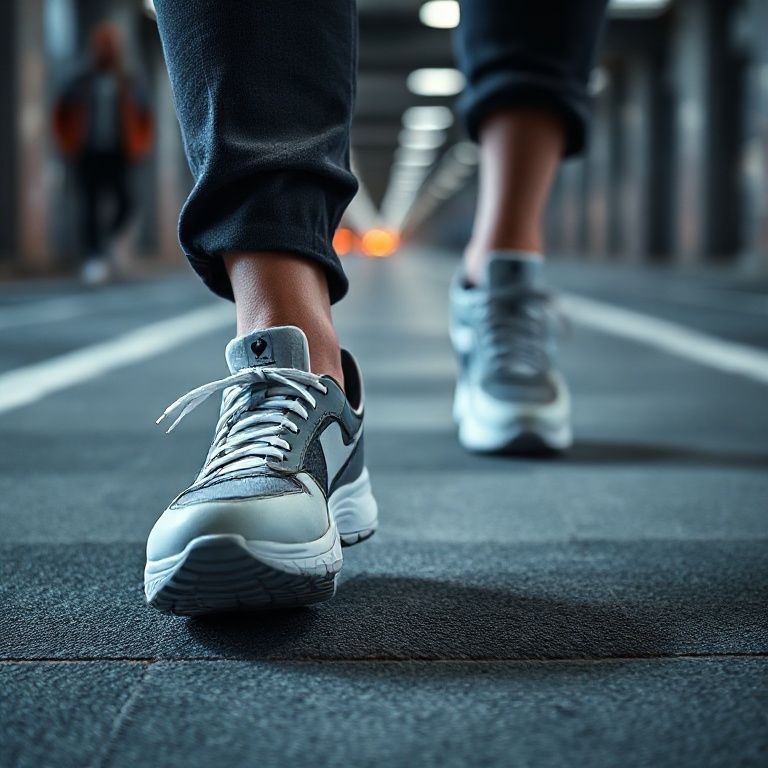
Conclusion
In breaking in your walking shoes, you’re not just getting comfortable, you’re also investing in a healthier and more enjoyable walking experience. By following a consistent break-in routine, you can ensure that your shoes mold to your feet, providing the necessary support and cushioning for every step. So, take the first step today and start breaking in those walking shoes. Schedule a daily walk with your new shoes and commit to a few weeks of gentle wear. Your feet will thank you!
Here are five concise FAQ pairs for a walking shoe break-in routine:
Q: How often should I wear my new walking shoes to break them in?
A: Wear your new walking shoes 2-3 times a week, with at least one day of rest in between, to allow the materials to mold and soften.
Q: What is the best way to break in walking shoes quickly?
A: Gradually increase the number of miles you walk each day, allowing your feet to adjust to the new shoes. This will help prevent blisters and discomfort.
Q: Can I use heat or cold to speed up the break-in process?
A: Yes, applying heat or cold packs to specific areas can help soften the materials and reduce pressure points. However, be cautious not to overdo it, as this can cause damage to the shoes.
Q: How long does it typically take for walking shoes to break in?
A: The break-in time varies depending on individual foot shapes and material types. Generally, it takes 1-3 weeks of regular wear for shoes to reach optimal comfort.
Q: Do I need to use any special products or sprays to help break in my walking shoes?
Here’s a short quiz on walking shoe break-in routine:
1. How often should you wear your new walking shoes to start breaking them in?
A) Daily
B) Every other day
C) 2-3 times a week
Show answer
Answer: B) Every other day
2. What is the best time of day to break in your new walking shoes?
A) Morning, when you’re most active
B) Evening, after a long day of wear
C) During the hottest part of the day
Show answer
Answer: A) Morning, when you’re most active
3. How can you help speed up the break-in process for your walking shoes?
A) By wearing thick socks at all times
B) By adding extra arch support to the shoes
C) By gradually increasing the number of miles worn per week
Show answer
Answer: C) By gradually increasing the number of miles worn per week
4. What should you avoid doing when breaking in new walking shoes?
A) Stretching them after a long day of wear
B) Using shoe stretchers or tree bark to shape the shoes
C) Wearing them for extended periods without giving your feet time to adjust
Show answer
Answer: C) Wearing them for extended periods without giving your feet time to adjust







I appreciate the depth of research in this post. Looking forward to more content like this.
Interesting perspective. You explained this so clearly. Thank you!
This helped me solve my problem. Thank you so much.
Thanks for sharing your expertise on this topic!
Amazing content as always. Looking forward to more posts like this.
The way you explain things is so easy to follow. Thanks for sharing!