
Tennis Footwork Drills For Speed: 10 Confidence Killers that Confuse Beginners

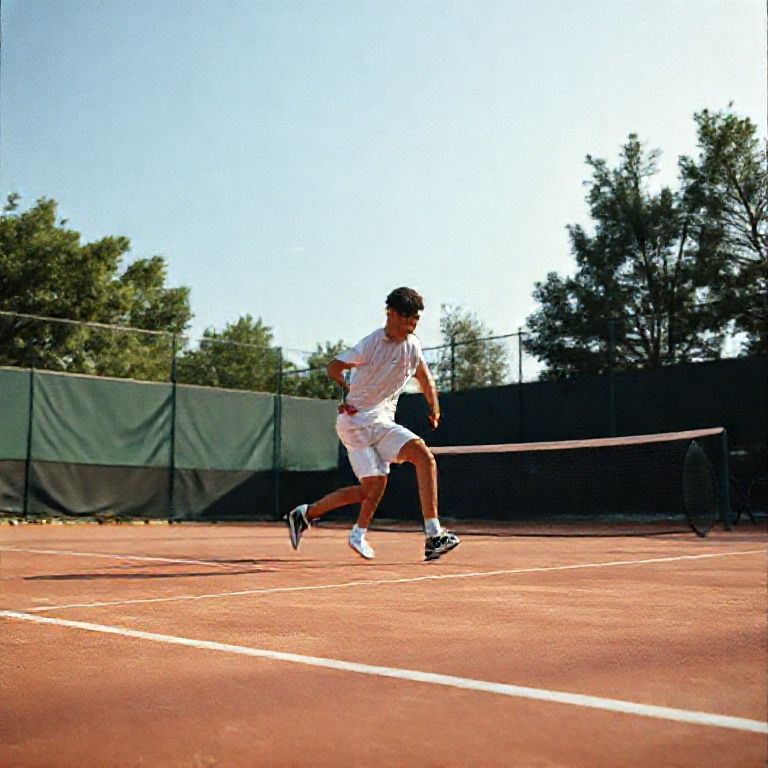
tennis footwork drills for speed

Introduction
In the fast-paced world of tennis, footwork is not just a necessary aspect of the game, but a key differentiator between champions and contenders. A swift and agile player can outmaneuver their opponents with ease, creating opportunities for winners and turning points in matches. To achieve this level of speed and agility on the court, tennis players must be willing to invest time and effort into developing their footwork skills.
One crucial aspect of improving footwork is incorporating specific drills into a training regimen. Tennis footwork drills for speed are designed to challenge players’ agility, balance, and reaction time, helping them develop the quickness and responsiveness needed to dominate on the court. By focusing on exercises that target these key areas, players can build a strong foundation for their overall game.
In this article, we’ll explore some of the most effective tennis footwork drills for speed, including exercises that target lateral movement, forward and backward shuffling, and rapid changes of direction. Whether you’re a seasoned pro or an aspiring player looking to take your game to the next level, these drills will provide a comprehensive framework for building speed and agility in your own training routine.

Tennis Footwork Drills for Speed
Understanding the Importance of Speed in Tennis
Speed is a crucial aspect of tennis, as it allows players to cover more ground on the court, reach shots earlier, and outmaneuver their opponents. Effective footwork is essential for generating power and momentum, making it an area where speed training can have a significant impact.
Drills to Improve Speed and Agility
1. Lateral Shuffles with Pivots
The lateral shuffle is a fundamental movement in tennis that involves shuffling sideways while keeping the body upright. To improve your speed and agility, try the following drill:
Start by standing with your feet shoulder-width apart.
Take a small step to one side with one foot (e.g., right foot).
Immediately pivot on the ball of that foot, keeping your weight transfer minimal.
Shuffle sideways in the direction you pivoted, maintaining balance and control.
Repeat on the other side.
2. Forward and Reverse Sprints
Sprinting Is an Effective Way to Improve Speed and Power. Try These Drills:
Set up two cones or markers about 10-15 feet apart.
Start at one cone and sprint forward to the other, focusing on explosive acceleration and quick turnover.
Immediately reverse direction and sprint back to the starting point.
Repeat for several sets, resting briefly between sprints.
3. Figure-Eight Drill
The figure-eight drill is a dynamic movement that targets speed, agility, and reaction time:
Set up two cones or markers in a figure-eight pattern on the court.
Start at one cone and weave through the course, focusing on quick changes of direction and fast footwork.
Repeat in both directions, alternating between forward and backward movements.
4. Reaction Training with Cones
Reaction training is essential for improving speed and agility in tennis:
Set up a series of cones or markers in a zigzag pattern on the court.
Start at one end of the course and react to visual cues (e.g., a coach’s signal) by sprinting through the course.
Focus on quick reactions, fast footwork, and maintaining control throughout the drill.
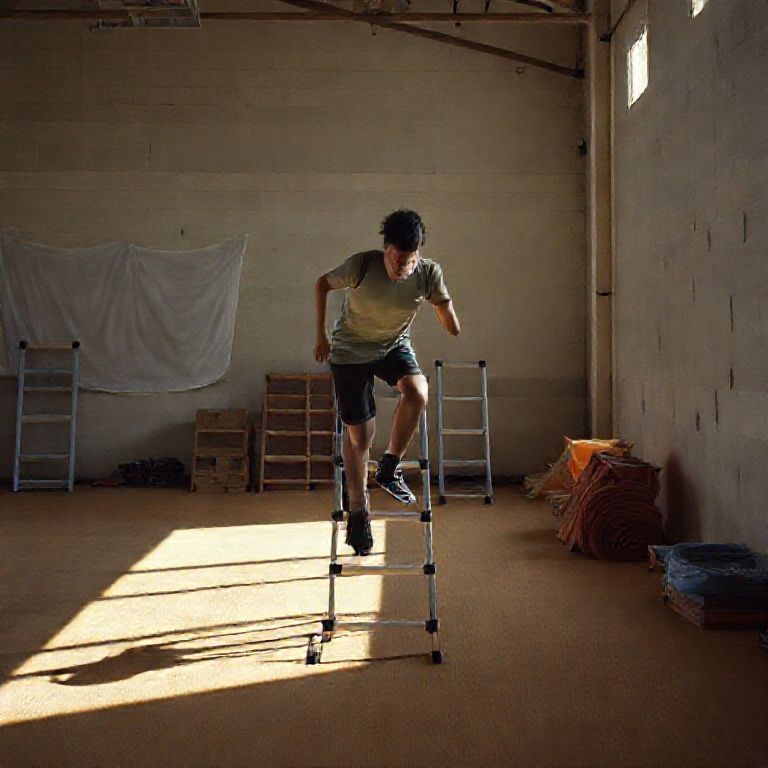
5. Agility Ladder Drills
Agility ladder drills are an effective way to improve speed, agility, and coordination:
Set up an agility ladder on the court or in a designated area.
Perform various footwork patterns through the ladder, such as lateral shuffles, carioca drills, and high knees.
Focus on quick movements, fast turnover, and maintaining balance throughout each pattern.
Incorporating Speed Training into Your Practice
To maximize the effectiveness of these drills, incorporate them into your regular practice routine. Start with shorter sessions and gradually increase duration and intensity as you build speed and endurance. Remember to warm up thoroughly before training and cool down afterwards to prevent injury.
For more information on tennis footwork training, check out:
“The Science of Tennis Footwork” by the International Tennis Federation (ITF) ([www.itftennis.com](http: //www.itftennis.com))
“Tennis Footwork Drills for Beginners” by Tennis Magazine ([www.tennismagazine.com](http: //www.tennismagazine.com))


Conclusion
In conclusion, incorporating tennis footwork drills into your training routine can significantly improve your speed and agility on the court. By practicing shuffles, carioca drills, and other exercises that challenge your quickness and coordination, you’ll be able to move more efficiently around the court and react faster to shots from your opponents.
To take your footwork to the next level, we encourage you to try out a new drill each week for the next month. Start with something simple like a shuttle run or a lateral shuffle, and gradually increase the intensity and difficulty as you build your endurance and agility. Remember to focus on proper technique, stay relaxed, and have fun! With consistent practice and dedication, you’ll be dodging and weaving around the court in no time.
Here are five concise FAQ pairs for tennis footwork drills for speed:
Q: What is the primary goal of footwork drills in tennis?
A: The primary goal is to improve a player’s ability to move quickly and efficiently around the court, allowing them to react faster to shots and get into position to hit winners.
Q: How often should I practice my footwork drills?
A: Aim to practice your footwork drills at least 2-3 times per week, with a focus on incorporating different types of movements such as shuffles, slides, and turns.
Q: Do I need to be a beginner to start doing footwork drills?
A: No, footwork drills can benefit players of all skill levels. Even experienced players can improve their speed and agility by working on their footwork.
Q: Can I do footwork drills solo or do I need a partner?
A: Both are beneficial! Solo drills help you develop your technique and timing, while having a partner allows you to practice reaction time and communication with your opponent.
Q: How long should my footwork drills last?
Here’s a short quiz for tennis footwork drills for speed:
Question 1: What is the primary focus of the “Lateral Shuffle” drill in improving footwork speed?
A) Quick changes of direction
B) Explosive acceleration
C) Slowing down to maintain balance
Show answer
Answer: A
Question 2: Which type of footwork drill involves moving your feet from side to side, mimicking a boxer’s defensive stance?
A) Forward and backward shuffles
B) Lateral shuffles
C) Side-to-side shuffles
Show answer
Answer: B
Question 3: What is the benefit of incorporating “Pivot Drills” into your footwork routine?
A) Improved balance and stability
B) Increased speed and agility
C) Enhanced reaction time and quickness
Show answer
Answer: C
Question 4: Which drill involves moving forward while keeping your weight transfer minimal, allowing for rapid acceleration?
A) Forward shuffles with a bounce
B) Backward shuffles with a pivot
C) Forward shuffles without bouncing
Show answer
Answer: A




Thank you for this detailed explanation. Much appreciated! 💯
This helped me solve my problem. Thank you so much! This was really helpful.
Great article! Amazing content as always. Looking forward to more posts like this.
Well written! Thank you for the comprehensive breakdown.