
table manners for families: 5 Hidden Brilliant Examples to Know

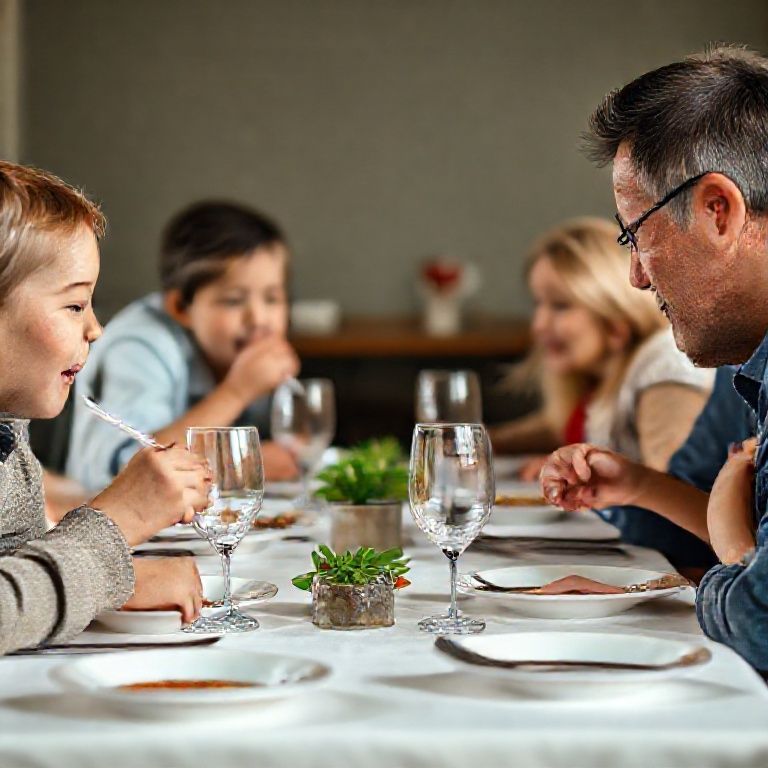
table manners for families

Introduction
As families gather around the dinner table, they often find themselves at the center of a complex web of expectations and social norms. While some may view mealtimes as an opportunity to bond and share stories, others may see them as a source of stress and anxiety. In today’s fast-paced world, with increasingly busy schedules and diverse cultural influences, teaching children good table manners has become more crucial than ever. By instilling these essential skills from a young age, families can not only promote healthy eating habits but also foster a sense of respect, empathy, and social awareness that will benefit them for years to come.
Teaching table manners to family members is an art that requires patience, consistency, and positive reinforcement. It’s not just about learning how to use utensils or wait for everyone to be served before starting to eat; it’s about cultivating a culture of consideration, gratitude, and community. Good table manners are not only a reflection of one’s upbringing but also a way to show respect for others, including those who may have different cultural backgrounds or dietary restrictions.
In this article, we’ll explore the importance of teaching table manners to families, providing practical tips and strategies for parents and caregivers to help them develop these essential skills in a fun and engaging way. From setting the scene at mealtimes to navigating tricky social situations, we’ll examine the key elements of effective table manners that will benefit families for years to come.

Table Manners for Families: a Guide to Creating a Positive Dining Experience
The Importance of Table Manners for Families
Good table manners are essential for creating a positive and respectful dining experience within families. Not only do they show respect for oneself, others, and the food being served, but they also play a significant role in teaching children important life skills such as social etiquette and self-discipline.
Basic Table Manners for Children
Setting the Tone: Modeling Good Behavior
As a parent or guardian, it is crucial to model good table manners yourself. Children learn by observing, so make sure to demonstrate respectful behavior at mealtimes. This includes:
Keeping hands visible on the table
Not talking with your mouth full
Waiting for everyone to receive their food before starting to eat
Encouraging Good Table Manners in Children
1. Lead by example: Demonstrate good table manners yourself, as children are more likely to imitate what they see.
2. Practice regularly: Make mealtimes a regular occurrence and practice good table manners with your child.
3. Praise good behavior: Acknowledge and praise your child when they exhibit good table manners.
Teaching Children to Use Their Utensils
1. Introduce utensils early: Start teaching children how to use their utensils from an early age, such as using a fork during meals.
2. Demonstrate proper technique: Show your child how to hold and use their utensils correctly.
3. Practice together: Practice using utensils with your child until they become comfortable.
Managing Food and Drink
Teach children not to play with food or leave it on the table.
Encourage them to wait for permission before taking a drink from a glass of juice or soda.
Advanced Table Manners for Adults
Maintaining Good Posture
1. Sit up straight: Keep your back straight and avoid slouching while eating.
2. Use your napkin: Place your napkin on your lap and use it to wipe your mouth before getting up from the table.
Engaging in Conversation
Make eye contact with others
Avoid interrupting or talking over others
Show genuine interest in conversation topics
Managing Electronic Devices at the Table
1. Put devices away: Encourage everyone to put their electronic devices, such as phones and tablets, on silent mode or out of sight.
2. Use a designated charging station: Designate a specific area for charging devices, keeping them organized and out of sight.
Conclusion
Table manners are an essential part of creating a positive dining experience within families. By modeling good behavior, practicing regularly, and teaching children important skills such as using utensils and managing food and drink, you can help your family develop healthy table manners that will last a lifetime. For more information on social etiquette, check out AnchorSocietyetiquette.
Table Manners for Families
Setting the Scene
Before sitting down to eat, it’s essential to create a conducive atmosphere that encourages good table manners. Here are some steps to follow:
Choose a Suitable Table Setting
Select a table with enough space for everyone to sit comfortably without feeling cramped. Ensure the table is clean and well-lit.
Create a Positive Dining Environment
Turn off electronic devices, such as TVs and mobile phones, to minimize distractions. Play calming music or nature sounds in the background to create a relaxing ambiance.
Establish Clear Expectations
Explain the importance of good table manners to all family members, especially children. Discuss the expected behavior during meals, including using utensils, not talking with mouth full, and waiting for everyone to be served before starting to eat.
Basic Table Manners for Adults
Here are some essential table manners for adults:
Use Utensils Correctly
Hold your fork in your dominant hand, tines facing down. Hold your knife in your other hand, blade facing inward. When using a spoon, hold it in your dominant hand with the bowl of the spoon facing downward.
Chew and Swallow Properly
Chew food thoroughly before swallowing. Avoid talking while eating, as it can be distracting and impolite to others. Take small bites and don’t gobble down food.
Wait for Everyone to Be Served
Wait for all family members to receive their meals before starting to eat. This includes children and adults alike. Don’t start eating until everyone has been served.
Table Manners for Children
Teaching good table manners to children is crucial for developing healthy habits and a positive relationship with food. Here are some tips:
Practice Good Hygiene
Encourage children to wash their hands before meals and to use a napkin to wipe their mouth.
Use Utensils Correctly
Show children how to hold utensils correctly, such as holding the fork in the correct position and using the knife to cut food.
Wait for Everyone to Be Served
Teach children to wait patiently for everyone to be served before starting to eat. This helps develop self-control and patience.
Table Manners for Special Occasions
Good table manners are essential during special occasions, such as holiday meals or family gatherings. Here are some tips:
Dress Appropriate Attire
Encourage all family members to dress in attire that is suitable for the occasion. Avoid ripped jeans or overly casual clothing.
Be Mindful of Table Settings
Pay attention to the table settings and use the correct utensils, plates, and glasses. Don’t mix and match different types of silverware or glassware.
Show Respect for Elders
Show respect to elderly family members by offering them their favorite foods or drinks first. Let them go ahead in serving themselves before you start eating.

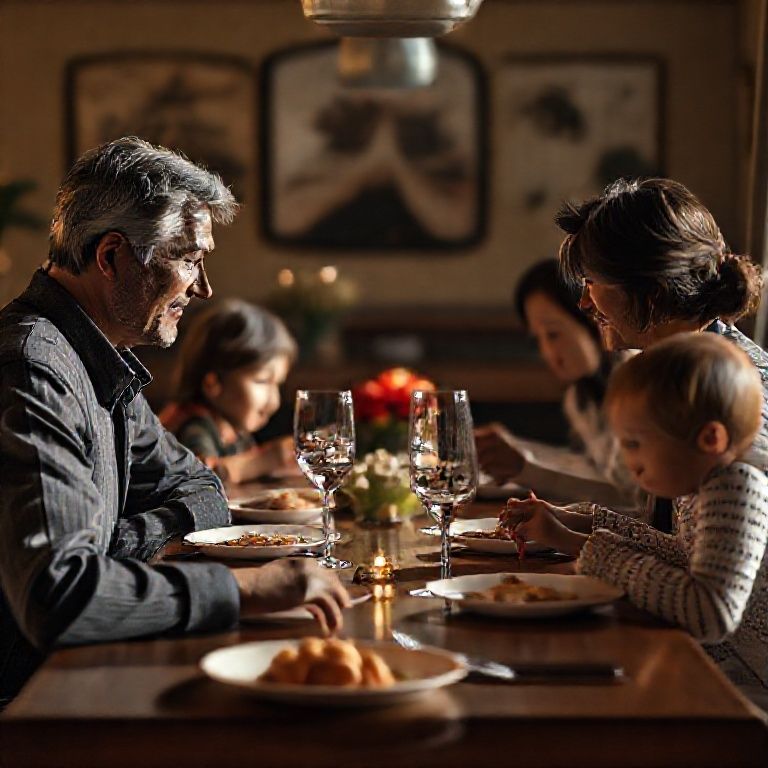
Conclusion
In teaching children good table manners, we’re not just shaping their behavior, but also instilling values of respect, consideration, and self-awareness that will benefit them throughout their lives. By making mealtimes a mindful and enjoyable experience, we can foster a stronger bond between family members and create lasting memories. So, take the first step today by having an open conversation with your family about the importance of table manners. Encourage your children to practice good etiquette, and model it yourself. Together, you can raise a generation of individuals who are confident, considerate, and well-mannered – both at the dinner table and beyond.
Here are five concise FAQ pairs for “Table Manners for Families”:
Q: What is the correct way to hold a fork?
A: Hold a fork in your dominant hand, with the tines facing down towards the plate.
Q: How should I use my napkin at the table?
A: Place the napkin on your lap and use it to gently wipe your mouth and clean your hands before and after eating.
Q: Can I talk while eating?
A: No, it’s considered impolite to talk with your mouth full or while eating. Wait until you’ve finished chewing before speaking.
Q: What is the rule for passing dishes at the table?
A: Pass dishes to the left, starting from the outermost person and moving inward. This helps prevent food from being dropped on others’ laps.
Q: Can I leave the table during a meal?
Here’s a short quiz for table manners for families:
1. When eating at a formal dinner, what should you do with your napkin?
A) Place it on your lap
B) Keep it in your pocket or bag
C) Fold and place it to the left of your plate
Show answer
Answer: C
2. What is the correct way to hold your utensils during a meal?
A) Hold them in your right hand
B) Hold them in your dominant hand with the handles facing upwards
C) Hold them in both hands, one on top of the other
Show answer
Answer: B
3. When eating at someone else’s house, what is considered polite to do before helping yourself to food?
A) Start eating immediately
B) Wait for the host or guest of honor to start eating
C) Ask the host if it’s okay to serve myself
Show answer
Answer: B
4. What should you do with your phone during a meal?
A) Answer calls and texts
B) Use it for social media or email
C) Turn it off and put it on silent mode
Show answer
Answer: C






Perfect timing! I was just researching this topic. This was really helpful.
You have a gift for explaining things clearly. 👍