
Swimming Kick Drills For Speed: 6 Hidden Traps that Hold You Back

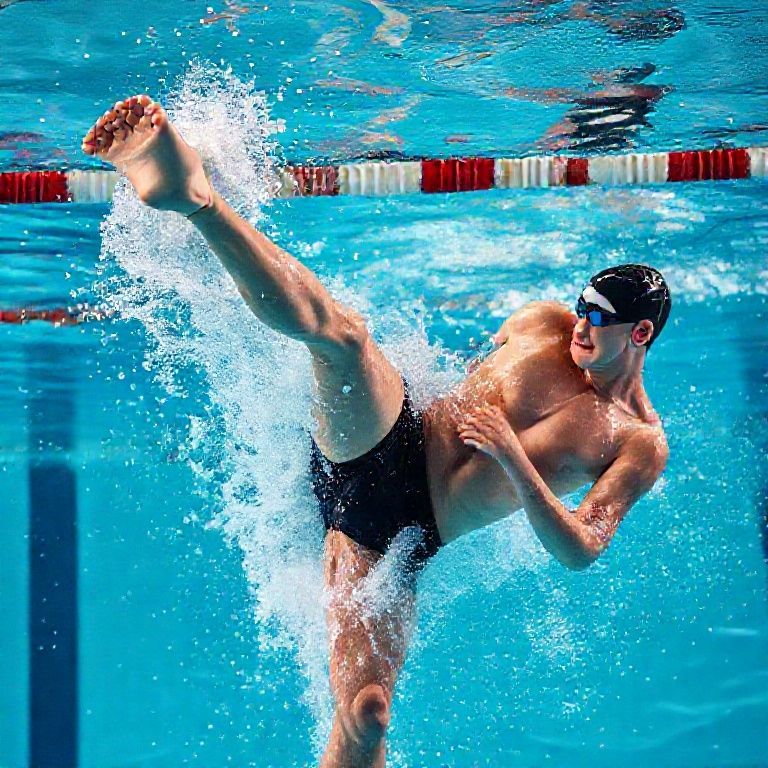
swimming kick drills for speed

Introduction
As swimmers strive to shave precious seconds off their times and improve their overall performance, a crucial aspect of their technique often goes overlooked: the kick. A strong, efficient kick is essential for generating power and propulsion through the water, allowing swimmers to maintain speed and efficiency over longer distances. By incorporating specific drills into their training regimen, swimmers can refine their kicking technique and unlock significant gains in speed.
Effective kicking technique is a delicate balance of strength, flexibility, and coordination. A strong kick requires a powerful leg drive, while also maintaining proper body position and timing to avoid drag and maximize propulsion. However, many swimmers struggle to develop a consistent and efficient kick due to factors such as poor technique, inadequate training, or simply not understanding the intricacies of kicking mechanics.
In this article, we’ll delve into the world of swimming kick drills for speed, exploring the most effective exercises and techniques that can help swimmers take their kicking to the next level. From kicking with fins to working on leg drive and body position, we’ll cover it all, providing swimmers with a comprehensive guide to optimizing their technique and unlocking significant gains in speed.
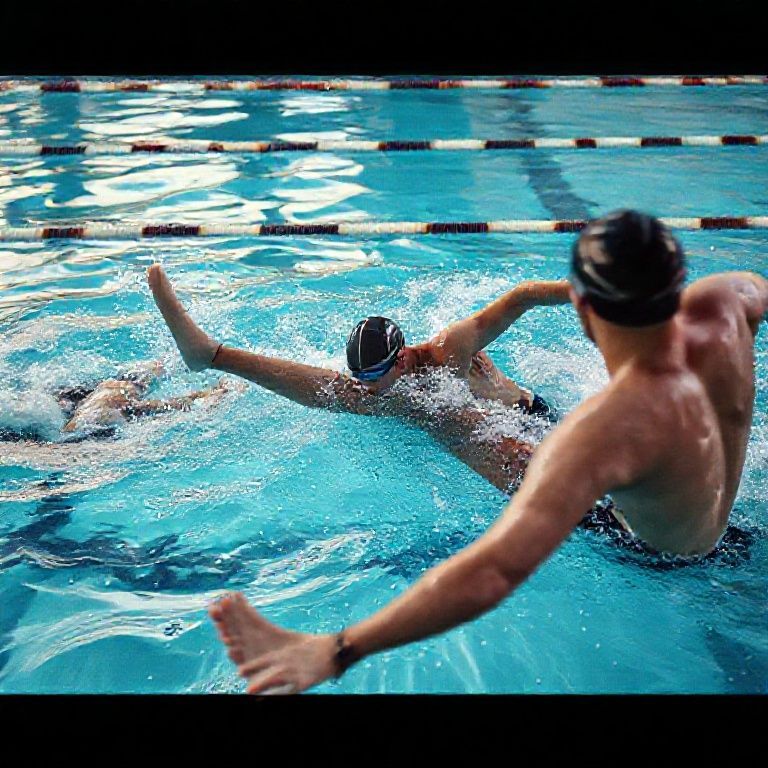
Swimming Kick Drills for Speed
Understanding the Importance of a Strong Kick
A strong and efficient kick is essential for achieving speed in swimming. The kick accounts for approximately 50-60% of an athlete’s total drag, making it a critical component of their overall performance (1). A fast and powerful kick can help swimmers cut through the water with greater ease, reducing drag and increasing their speed.
Kick Drill 1: Flutter Kicks
Step-by-Step Instructions
To Perform Flutter Kicks, Follow These Steps:
1. Start in a horizontal position with your body aligned parallel to the pool floor.
2. Engage your core muscles by drawing your belly button towards your spine.
3. Focus on keeping your legs relaxed and flexible, allowing them to bend naturally.
4. Kick your legs in a small, rapid motion, keeping them close to the surface of the water.
5. Aim to maintain a consistent tempo, with 2-3 kicks per second.
Tips for Improvement
Practice flutter kicks with a kickboard or pool noodle to focus on proper technique and build strength.
Incorporate varying arm movements and body positions to simulate different swimming strokes.
Gradually increase the intensity of your kick by adding more speed and power over time.
Kick Drill 2: Eggbeater Kicks
Step-by-Step Instructions
To perform eggbeater kicks, follow these steps:
1. Start in a horizontal position with your body aligned parallel to the pool floor.
2. Engage your core muscles by drawing your belly button towards your spine.
3. Focus on keeping your legs relaxed and flexible, allowing them to bend naturally.
4. Kick your legs in a wide, circular motion, mimicking the movement of an eggbeater.
5. Aim to maintain a consistent tempo, with 2-3 kicks per second.
Tips for Improvement
Practice eggbeater kicks with a kickboard or pool noodle to focus on proper technique and build strength.
Incorporate varying arm movements and body positions to simulate different swimming strokes.
Gradually increase the intensity of your kick by adding more speed and power over time.
Kick Drill 3: Pull Kicks
Step-by-Step Instructions
To perform pull kicks, follow these steps:
1. Start in a horizontal position with your body aligned parallel to the pool floor.
2. Engage your core muscles by drawing your belly button towards your spine.
3. Focus on keeping your legs relaxed and flexible, allowing them to bend naturally.
4. Kick your legs in a wide, circular motion, pulling them through the water as if you were swimming.
5. Aim to maintain a consistent tempo, with 2-3 kicks per second.
Tips for Improvement
Practice pull kicks with a kickboard or pool noodle to focus on proper technique and build strength.
Incorporate varying arm movements and body positions to simulate different swimming strokes.
Gradually increase the intensity of your kick by adding more speed and power over time.
References:
1. Swimming Technique Swimsmooth. Retrieved from <Swimsmooth
2. The Science of Swimming Scientificamerican. Retrieved from <Scientificamerican


Conclusion
Incorporating swimming kick drills into your training routine can significantly enhance your speed and efficiency in the water. By focusing on proper technique and building strength through targeted exercises, you can improve your ability to generate power and propel yourself forward with greater ease.
To take your swimming to the next level, we encourage you to start incorporating kick drills into your daily practice. Begin by identifying areas of improvement and developing a customized training plan that meets your specific needs and goals. With consistent effort and dedication, you’ll be able to achieve faster times and unlock your full potential in the pool.
Here are five concise FAQ pairs for swimming kick drills for speed:
Q: What is the purpose of a flutter kick in swimming?
A: The flutter kick is used to focus on quick, light leg movements that help generate propulsion and increase speed.
Q: How do I perform a dolphin kick to improve my kicking technique?
A: To perform a dolphin kick, keep your legs together and alternate between bringing one leg forward while keeping the other leg in place, then switching to the other leg.
Q: Can I use kickboards to practice my kick drills at home?
A: Yes, using kickboards can be an effective way to practice kick drills at home, as they allow you to focus on your kicking technique without having to swim through water resistance.
Q: Are there any specific exercises that target the glutes and legs for improved kicking power?
A: Yes, exercises like squats, lunges, and deadlifts can help strengthen the glutes and legs, which are essential for generating powerful kicks in swimming.
Q: How often should I practice kick drills to see improvements in my speed?
Here’s your swimming kick drill for speed quiz:
Question 1: What is the primary purpose of keeping your legs relaxed during a kicking drill?
A) To maintain balance
B) To generate power
C) To conserve energy
Show answer
Answer: C) To conserve energy
Question 2: Which type of kick is most effective for generating speed in the water?
A) Flutter kick
B) Frog kick
C) Whip kick
Show answer
Answer: B) Frog kick
Question 3: When performing a kicking drill, what should you focus on doing with your feet?
A) Kicking them out to the sides
B) Keeping them together and moving them in a circular motion
C) Pointing them downwards towards the bottom of the pool
Show answer
Answer: B) Keeping them together and moving them in a circular motion
Question 4: How often should you switch between different kicking drills during training?
A) Every 10-15 seconds
B) Every 30-60 seconds
C) Every minute or two
Show answer
Answer: B) Every 30-60 seconds




Excellent post! I learned something new today. Looking forward to more content like this.
Fantastic insights! really appreciate your expertise.
I appreciate the depth of research in this post. Looking forward to more content like this.