
Sun Safety Routine On Trips: 12 Bright Habits that Actually Work

sun safety routine on trips
Introduction
As we embark on our next adventure, whether it’s a weekend getaway or a week-long vacation, it’s essential to prioritize one crucial aspect of our well-being: sun safety. A comprehensive sun safety routine on trips can make all the difference between enjoying a stress-free and healthy experience outdoors. With the harsh effects of UV rays being more pronounced at higher elevations, during peak hours, or in areas with little cloud cover, it’s vital to take proactive measures to protect yourself from the sun’s damaging radiation.
For many of us, the thought of donning sunscreen and seeking shade may seem like a hassle, but the consequences of neglecting our sun safety routine can be severe. Skin cancer, premature aging, and eye damage are just a few of the risks associated with prolonged exposure to the sun’s ultraviolet (UV) rays. By incorporating a few simple habits into your travel planning, you can minimize these risks and ensure that your time in the sun is both enjoyable and safe.
In this article, we’ll delve into the essential components of a sun safety routine on trips, covering everything from choosing the right sunscreen to identifying potential hazards and taking preventative measures. By equipping yourself with the knowledge and tools needed to navigate the great outdoors safely, you can focus on what truly matters: creating unforgettable memories with family, friends, or solo.
Sun Safety Routine on Trips: Protecting Your Skin from the Sun’s Harmful Rays
Understanding the Importance of Sun Protection
When traveling to sunny destinations, it’s essential to prioritize sun safety to prevent skin damage and reduce the risk of skin cancer. The sun’s ultraviolet (UV) rays can cause sunburn, premature aging, and even skin cancer. A well-planned sun safety routine on trips can help you enjoy your vacation while protecting your skin.
Pre-Trip Planning: Researching Your Destination
Before embarking on your trip, research your destination to understand the level of sunlight exposure you’ll encounter. Check the UV index forecast for your location and plan accordingly. You can also consult with a healthcare professional or a travel clinic to determine the best sun protection measures for your specific needs.
Step 1: Applying Sunscreen
When applying sunscreen on trips, choose a broad-spectrum sunscreen with an SPF of at least 30. Apply sunscreen liberally to all exposed skin 15-30 minutes before going outside. Reapply every two hours or immediately after swimming or sweating. Don’t forget hard-to-reach areas like the back of your neck and ears.
Step 2: Wearing Protective Clothing
Wear protective clothing such as a wide-brimmed hat, long-sleeved shirts, and pants to cover your skin. Look for clothing with a UPF (Ultraviolet Protection Factor) rating of 50+, which means the fabric will allow only 1/50th of the sun’s UV radiation to pass through.
Step 3: Seeking Shade
Seek shade when spending time outdoors, especially during peak sun hours (10am-4pm). Bring a portable umbrella or canopy to create your own shade if needed. Take breaks in shaded areas every hour to rest and reapply sunscreen.
Step 4: Avoiding Peak Sun Hours
Plan outdoor activities for early morning or late afternoon when the sun’s rays are less intense. Avoid spending time outdoors during peak sun hours, especially if you have fair skin or are prone to sunburn. Consider scheduling outdoor activities around your destination’s siesta time (usually between 1pm-3pm) to minimize exposure.
Additional Tips
Use lip balm with SPF to protect your lips from the sun.
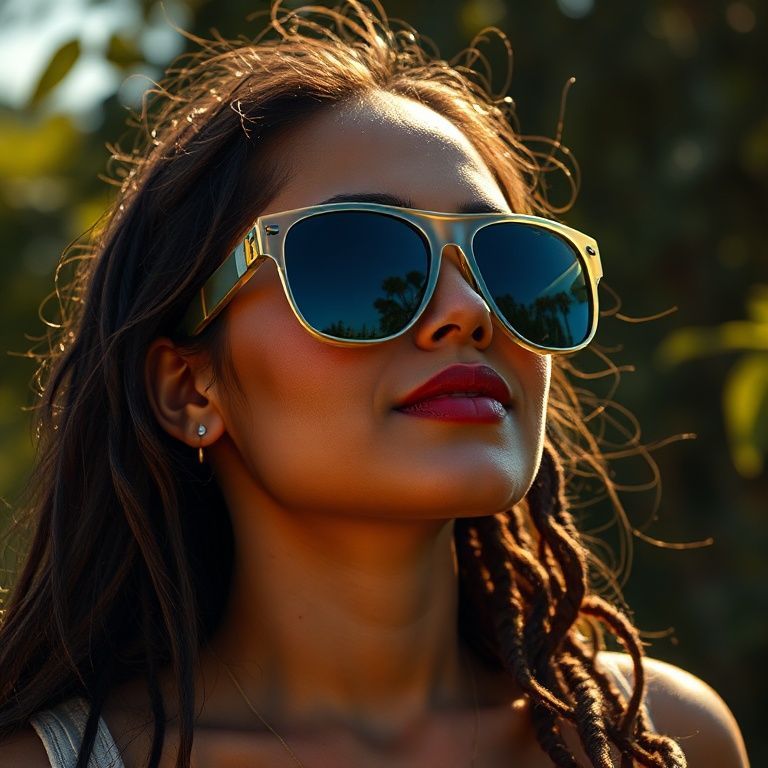
Wear sunglasses that provide 100% UV protection to shield your eyes and the skin around them.
Apply after-sun lotion or aloe vera gel to soothe and moisturize your skin after spending time in the sun.
Reapply sunscreen immediately after swimming or sweating, as these activities can reduce the effectiveness of the sunscreen.
Preparing for Altitude and Water Activities
When traveling to high-altitude destinations, take extra precautions to protect your skin from increased UV radiation. Consider packing a lip balm with SPF 50+ and reapplying every two hours.
For water activities like snorkeling or surfing, apply a water-resistant sunscreen and wear a hat that can withstand wind and water.
Staying Sun-Safe in Remote Areas
When traveling to remote areas without access to shade or medical care, prioritize sun safety even more. Consider packing a portable sun shelter or umbrella, and bring plenty of sunscreen with you.
Remember, sun safety is everyone’s responsibility. By following these simple steps and taking a proactive approach to sun protection, you can enjoy your trip while protecting your skin from the sun’s harmful rays.
Sun Safety Routine on Trips
Pre-Trip Planning
Before embarking on a trip, it’s essential to plan ahead for sun safety. Here are some steps you can take:
1. Check the weather forecast: Look up the weather forecast for your destination and plan accordingly.
2. Research local sun protection measures: Learn about any local regulations or guidelines for sun protection in your destination.
3. Pack essential sun protection items: Make sure to pack sunscreen, a hat, sunglasses, and clothing that covers your skin.
Sunscreen Application
Properly applying sunscreen is crucial for effective sun protection. Here are some tips:
1. Choose the right SPF: Select a broad-spectrum sunscreen with an SPF of at least 30.
2. Apply sunscreen liberally: Use enough sunscreen to cover all exposed skin, and apply it 15-30 minutes before going outside.
3. Reapply frequently: Reapply sunscreen every two hours or immediately after swimming or sweating.
Protective Clothing
Wearing protective clothing is a simple yet effective way to prevent sunburn. Here are some tips:
1. Choose lightweight, loose-fitting clothing: Opt for lightweight, breathable fabrics that allow for airflow and won’t trap heat.
2. Wear clothing with built-in UPF protection: Look for clothing with built-in UPF (Ultraviolet Protection Factor) protection to help block UV rays.
Eye and Face Protection
Protecting your eyes and face from the sun is essential. Here are some tips:
1. Wear sunglasses with UV protection: Choose sunglasses that provide 100% UV protection.
2. Use a lip balm with SPF: Apply a lip balm with SPF regularly to protect your lips from the sun.
Seeking Shade
Seeking shade is an effective way to avoid excessive sun exposure. Here are some tips:
1. Bring a portable canopy or umbrella: Invest in a lightweight, compact canopy or umbrella to provide shade when needed.
2. Take breaks in shaded areas: Regularly take breaks in shaded areas to give your skin a chance to recover.
Additional Tips
Here are some additional tips for sun safety on trips:
1. Stay hydrated: Drink plenty of water to stay hydrated and avoid dehydration.
2. Avoid peak sun hours: Try to limit your outdoor activities during peak sun hours (10am-4pm) when the sun’s rays are strongest.
3. Be mindful of reflective surfaces: Be aware of reflective surfaces such as water, sand, or snow that can increase your exposure to UV rays.


Conclusion
As we plan our next adventure, let’s not forget to prioritize sun safety. A well-established sun safety routine can make all the difference in protecting ourselves from the harsh effects of the sun. By incorporating simple habits such as seeking shade, wearing protective clothing, and applying sunscreen regularly, we can enjoy the great outdoors while minimizing our risk of sunburn and skin damage.
So, take a moment to review your pre-trip checklist and ensure you’re prepared for a day in the sun. Share this important information with friends and family to help spread awareness and promote sun safety on all trips. Together, let’s make sun safety a top priority and enjoy the beauty of nature while protecting our skin and well-being.
Here are five concise FAQ pairs for “sun safety routine on trips”:
Q: What should I pack to protect myself from the sun?
A: You should pack a broad-spectrum sunscreen with at least SPF 30, lip balm with SPF, a hat, sunglasses, and lightweight, loose-fitting clothing.
Q: How often should I apply sunscreen during a trip?
A: Apply sunscreen every two hours or immediately after swimming or sweating. Reapply it to all exposed skin, including hard-to-reach areas like the back of your neck.
Q: Are there any specific sun safety measures for children and infants on trips?
A: Yes, use a baby sunscreen with at least SPF 30, apply it to their nose, cheeks, and ears, and consider dressing them in light, breathable clothing. Don’t leave children or babies in direct sunlight without supervision.
Q: Can I get sunburned even if I’m not outdoors?
A: Yes, you can get sunburned through car windows, glass doors, or reflective surfaces like water or snow. Wear sunglasses that block UV rays to protect your eyes and face.
Q: What should I do if I’ve already gotten a sunburn on my trip?
Here’s a short quiz on sun safety routines for trips:
Question 1: What should you do before heading outdoors to protect yourself from the sun?
A) Apply sunscreen after spending time outside
B) Wear protective clothing and seek shade
C) Wait until it gets darker to start your outdoor activity
Show answer
Answer: B) Wear protective clothing and seek shade
Question 2: How often should you reapply sunscreen during a trip?
A) Every hour, regardless of the weather
B) When you change into different clothes or shower
C) Only when you stop moving around for an extended period
Show answer
Answer: A) Every hour, regardless of the weather
Question 3: What type of clothing is best to wear on a sunny day?
A) Lightweight, light-colored dresses and tops
B) Dark-colored, loose-fitting pants and shirts
C) Heavy, dark-colored coats and hats
Show answer
Answer: B) Dark-colored, loose-fitting pants and shirts
Question 4: Where should you position your umbrella or parasol to minimize the risk of sunburn?
A) Directly in front of you, with the sun behind you
B) At an angle to block direct sunlight from above
C) On top of your head, with the brim facing downwards
Show answer
Answer: B) At an angle to block direct sunlight from above



Interesting perspective. Thanks for sharing your expertise on this topic.
You’ve outdone yourself with this one! 👍
Perfect timing! I was just researching this topic. 😊