
Shin Splints Prevention For Runners: 6 Hidden Traps that Hold You Back

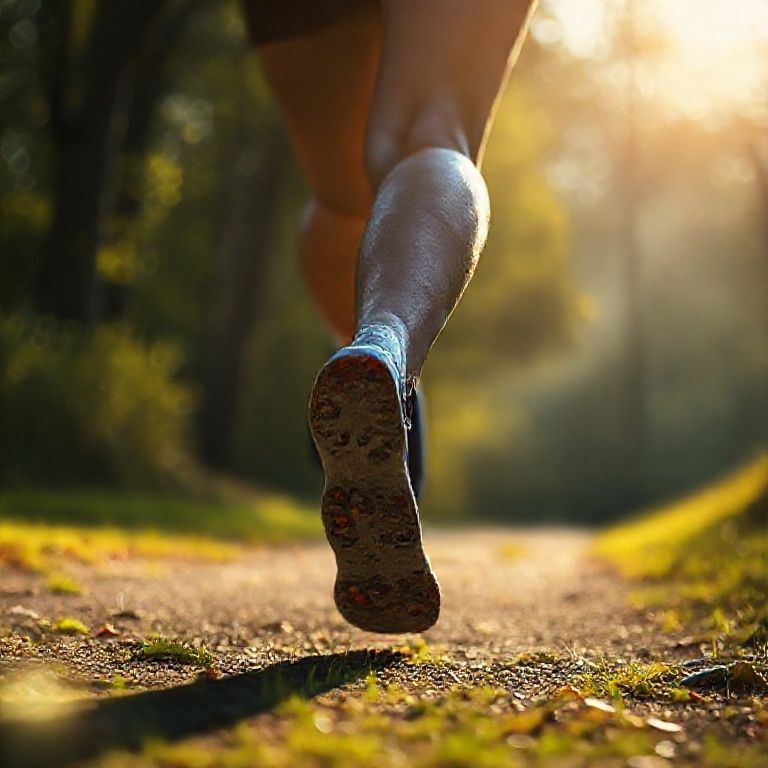
shin splints prevention for runners

Introduction
For runners, the thrill of hitting the pavement and pushing their limits is a exhilarating experience. However, it’s not just about the rush of endorphins that comes with completing a challenging run – it’s also about maintaining the health and well-being of one of our most prized assets: our feet. Shin splints prevention for runners is an often-overlooked aspect of training, but one that can make all the difference between a season of success and a season of pain.
Shin splints are a common affliction among runners, causing sharp pains in the lower leg and foot that can be debilitating and frustrating. But with proper training, footwear, and technique, many runners are able to avoid this pesky problem altogether. In fact, by taking proactive steps to protect their feet, runners can not only reduce their risk of developing shin splints, but also improve their overall performance and enjoyment of the sport.
In this article, we’ll explore the key strategies for shin splints prevention for runners, from the importance of gradual progression and proper footwear to the role of stretching and strengthening exercises in supporting the foot and ankle. Whether you’re a seasoned marathon runner or just starting out on your running journey, these tips and techniques will help you take care of your feet and stay healthy, happy, and running strong all season long.

# Shin Splints Prevention for Runners
Understanding Shin Splints
Shin splints are a common overuse injury affecting runners, characterized by pain and inflammation in the lower leg. The condition is often caused by repetitive impact on the tibia bone, leading to fatigue and irritation of the surrounding tissues.
Causes and Risk Factors
Several factors contribute to the development of shin splints in runners. These include:
Overtraining or increasing running mileage too quickly
Poorly fitting or worn-out running shoes
Running on hard surfaces such as concrete or asphalt
Weak foot and ankle muscles
Genetics, particularly if a family member has experienced shin splints
Strengthening Your Foot and Ankle Muscles
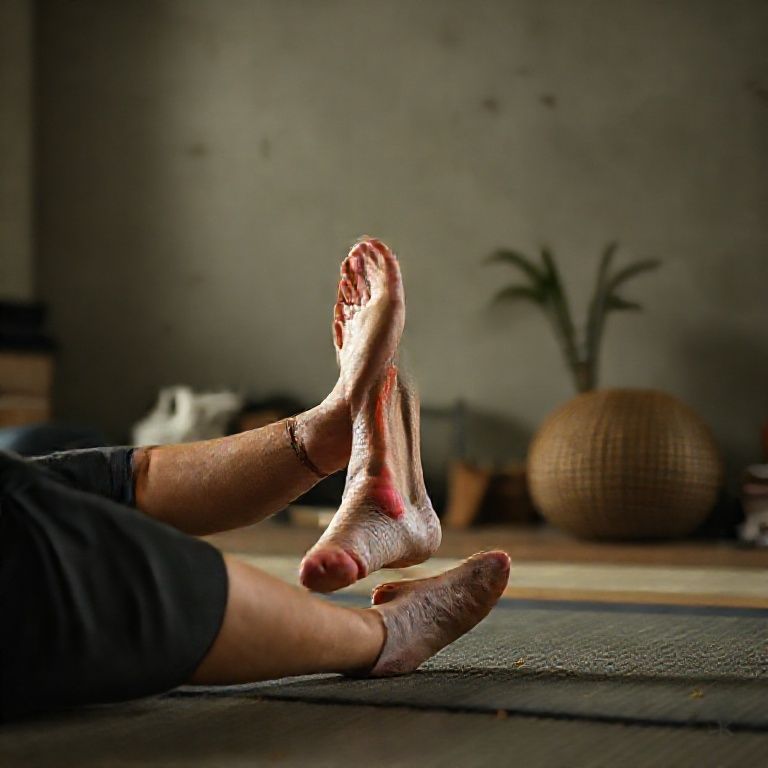
Strengthening the muscles in your feet and ankles can help support the tibia bone and reduce the risk of shin splints. Try these exercises:
Step 1: Toe Curls
Sit on the floor with your legs straight out in front of you. Curl your toes under, then release. Repeat for 3 sets of 10-15 repetitions. This exercise targets the muscles in the foot that help control toe movement and stability.
Step 2: Heel Raises
Stand on the edge of a stair or curb with your heels hanging off the edge. Raise up onto your tiptoes, then lower back down. Repeat for 3 sets of 10-15 repetitions. This exercise targets the muscles in the ankle that help control heel movement and stability.
Step 3: Toe Walks
Stand on flat ground with your feet shoulder-width apart. Slowly walk forward on your toes, keeping your heels off the ground. Repeat for 3 sets of 10-15 repetitions. This exercise targets the muscles in the foot that help control toe movement and balance.
Wearing Proper Running Shoes
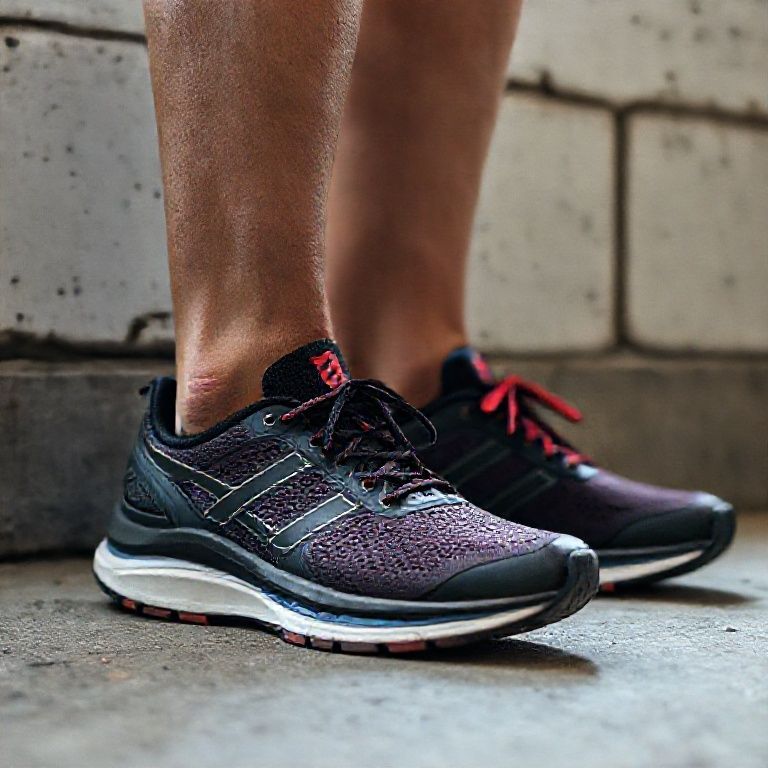
Properly fitting running shoes can help reduce the impact on your shins. When selecting a new pair of shoes, consider the following:
Step 1: Choose the Right Shoe
Select a shoe that provides sufficient support and cushioning for your foot type and running style. For example:
If you have flat feet or overpronate, choose a shoe with additional support features such as stability posts or motion control systems.
If you have high arches or supinate, choose a shoe with extra cushioning to absorb the impact of each step.
Step 2: Break in Your Shoes
Allow time for your feet to adapt to the new shoes by gradually increasing your mileage over several runs. This can help reduce the risk of shin splints caused by sudden changes in foot movement and stability.
Gradual Progression and Rest
Gradually increasing your running mileage can help reduce the risk of shin splints. Also, incorporate rest days into your training schedule to allow your muscles to recover.
Step 1: Increase Mileage Gradually
Gradually increase your weekly mileage by no more than 10% each week to avoid overuse injuries. This allows your body time to adapt to the increased demands and reduces the risk of shin splints.
Step 2: Incorporate Rest Days
Schedule regular rest days into your training schedule to allow your muscles to recover and rebuild. Aim for at least one or two rest days per week, depending on your training volume and intensity.
Stretching and Foam Rolling
Stretching and foam rolling can help reduce muscle tension and improve circulation, reducing the risk of shin splints.
Step 1: Calf Stretch
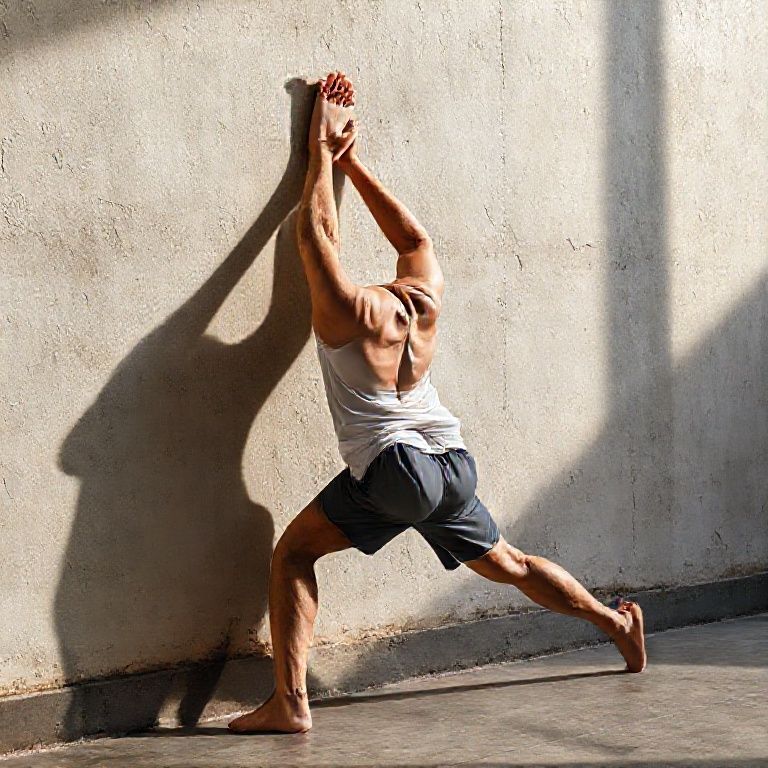
Stand facing a wall with one hand on the wall for balance. Step one foot back about a foot, keeping your heel on the ground. Bend your front knee, keeping your back leg straight, until you feel a stretch in your calf. Hold for 15-30 seconds and repeat on the other side.
Step 2: Shin Splints Foam Rolling
Use a foam roller to roll out your lower legs, focusing on the areas that feel tight or sore. This can help reduce muscle tension and promote blood flow to the affected area.
Additional Tips
Consider incorporating strength training exercises for your core and leg muscles to improve overall running stability and balance.
Pay attention to your body’s warning signs: if you experience pain or discomfort in your shins, stop and rest immediately.
Stay hydrated by drinking plenty of water before, during, and after runs to help reduce muscle fatigue and inflammation.
References
K


Conclusion
In conclusion, shin splints are a common and often debilitating injury for runners. By incorporating the strategies outlined in this guide into your training routine, you can significantly reduce your risk of developing shin splints. Remember to listen to your body, wear proper footwear, incorporate strengthening exercises, and gradually increase your mileage and intensity. Don’t wait until it’s too late – take proactive steps today to protect your shins and continue running with confidence. Make a commitment to prioritize your foot health and join the thousands of runners who have already taken control of their shin splints prevention.
Here are five concise FAQ pairs for shin splints prevention for runners:
Q: What is the best way to prevent shin splints while running?
A: The best way to prevent shin splints is to incorporate gradual and consistent training, wear proper footwear with adequate arch support, and incorporate strengthening exercises for your calf muscles.
Q: Can I still get shin splints if I’m a beginner runner?
A: Yes, even experienced runners can develop shin splints due to sudden changes in running intensity or frequency. However, taking preventative measures such as gradual progression and proper training can help reduce the risk.
Q: How often should I rest and recover from shin splints?
A: Rest and recovery are crucial when dealing with shin splints. Aim for at least 2-3 days of rest per week, and consider modifying your running routine to avoid exacerbating the injury.
Q: What is the best way to warm up before a run to prevent shin splints?
A: A proper warm-up should include dynamic stretching such as leg swings, calf raises, and toe touches. This helps increase blood flow and prepares the muscles for running.
Q: Can I still wear high heels or tight shoes if I want to prevent shin splints?
Here’s a short quiz for shin splints prevention for runners:
Question 1: What is the best way to prepare your feet for running?
A) Wear shoes that are too tight or too loose
B) Gradually increase your mileage and intensity
C) Run in worn-out or old shoes
Show answer
Answer: B) Gradually increase your mileage and intensity
Question 2: Which of the following exercises can help strengthen the muscles in your lower legs to prevent shin splints?
A) Squats
B) Lunges
C) Calf raises
Show answer
Answer: C) Calf raises
Question 3: What should you do if you experience pain or discomfort in your shins during a run?
A) Continue running and try to ignore the pain
B) Stop running immediately and rest for 24-48 hours
C) Try to jog through the pain, hoping it will go away on its own
Show answer
Answer: B) Stop running immediately and rest for 24-48 hours
Question 4: What type of running surface is generally considered easier on your shins than hard roads or sidewalks?
A) Trail running
B) Beach running
C) Track running
Show answer
Answer: A) Trail running



Interesting perspective. This post is a goldmine of useful information.
Well written! This is so useful! Bookmarking for future reference.