
Sheet Mask Routine: 6 Pro Secrets for a Polished Look


sheet mask routine

Introduction
In today’s fast-paced world, taking care of one’s skin can feel like an afterthought, left to the mercy of busy schedules and chaotic lives. However, with a few simple tweaks to your daily skincare routine, you can unlock a radiant glow that radiates confidence from within. One such game-changing technique is incorporating sheet masks into your beauty regimen, providing an intense dose of hydration, brightening, and rejuvenation that leaves skin looking smoother, softer, and more vibrant.
Sheet masks have been gaining popularity worldwide for their ease of use and impressive results, offering a quick fix for common skin concerns such as dryness, dullness, and fine lines. By applying a sheet mask to your face, you’re essentially giving your skin a mini-vacation from the stresses of everyday life. As the mask absorbs into the skin, it releases a cocktail of active ingredients that work to nourish, calm, and revitalize the complexion.
In this article, we’ll delve into the world of sheet masks and explore how incorporating them into your existing skincare routine can have a transformative impact on your skin health and overall beauty. From the benefits of different types of sheet masks to tips for getting the most out of your sheet mask routine, we’ll cover it all â helping you unlock the full potential of this powerful skincare tool.

Preparing Your Skin for the Sheet Mask Routine
Before starting your sheet mask routine, it’s essential to prepare your skin for optimal absorption and effectiveness. Here are a few tips to keep in mind:
Removing Makeup and Cleansing
Begin by removing any makeup or impurities from your skin using a gentle makeup remover. Look for a remover that is fragrance-free and hypoallergenic to minimize the risk of irritation. Then, cleanse your face with a mild cleanser suitable for your skin type (1). A gentle exfoliant like alpha-hydroxy acids (AHAs) or beta-hydroxy acids (BHAs) can help remove dead skin cells and unclog pores. Rinse your face thoroughly with lukewarm water to remove any remaining dirt or residue.
Double Cleansing for Deep Cleansing
For an extra deep clean, consider double cleansing using a oil-based cleanser followed by a water-based cleanser. This step can help remove stubborn makeup, sunscreen, and impurities that may have been missed during the initial cleanse.
Choosing the Right Sheet Mask
With so many sheet masks available on the market, it can be overwhelming to choose the right one for your skin type and concerns. Here are a few tips to help you make an informed decision:
Understanding Your Skin Type
Identify your skin type (normal, dry, oily, or combination) to find a sheet mask that suits your needs. For example, if you have dry skin, look for a hydrating sheet mask containing ingredients like hyaluronic acid or glycerin. If you have oily skin, consider a sheet mask with salicylic acid or tea tree oil to help control sebum production.
Addressing Specific Skin Concerns
Consider your specific skin concerns such as acne, hyperpigmentation, or fine lines and wrinkles when choosing a sheet mask. For example, a sheet mask containing niacinamide can help improve skin elasticity and reduce the appearance of pores.
Applying the Sheet Mask
Now it’s time to apply the sheet mask and let its active ingredients work their magic. Here’s how to do it:
Steps for Applying a Sheet Mask
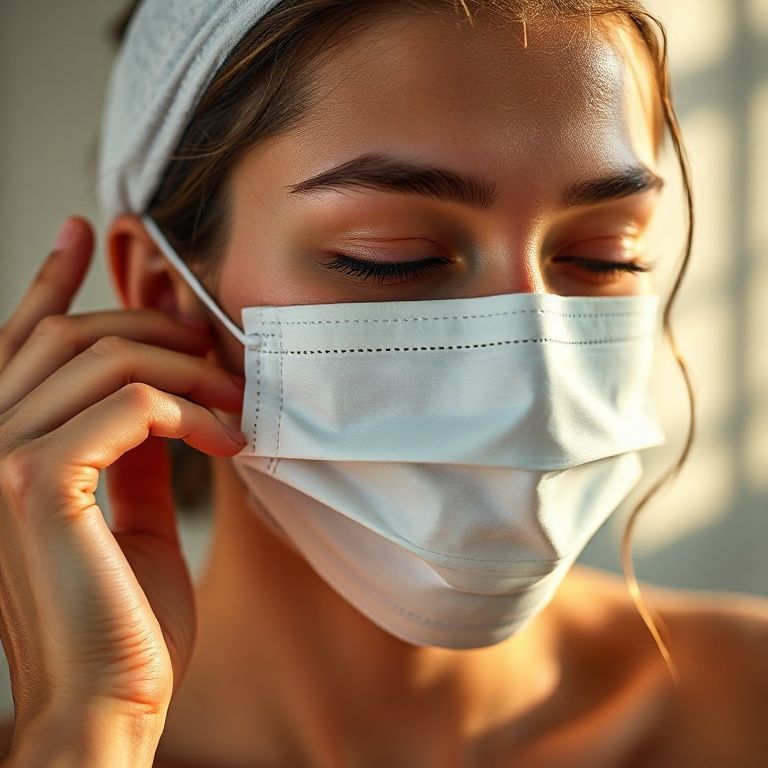
1. Peel off the mask from the packaging and place it over your face, making sure to align it with your skin.
2. Relax for 15-20 minutes while the mask works its way into your skin. You can listen to music, read a book, or take a power nap during this time.
3. Remove the mask slowly and gently, avoiding any tugging or stretching on the skin.
Tips for Optimal Absorption
To ensure optimal absorption of the sheet mask’s active ingredients, make sure to:
Pat dry your face after cleansing and toning to remove excess moisture.
Avoid applying makeup over the sheet mask, as this can prevent the ingredients from penetrating the skin deeply.
Use a gentle eye cream or serum under the sheet mask to target specific concerns around the delicate eye area.
After-Care
To get the most out of your sheet mask routine, make sure to follow up with a few simple steps after removing the mask:
Post-Sheet Mask Care
1. Apply a toner to help balance your skin’s pH and tighten pores.
2. Follow up with a moisturizer or serum that is suitable for your skin type and concerns. A lightweight, oil-free moisturizer can be beneficial for oily skin, while a rich, hydrating moisturizer can provide long-lasting hydration for dry skin.
Additional Tips
Exfoliate 1-2 times a week to remove dead skin cells and unclog pores.
Use sunscreen daily to protect your skin from UV damage and hyperpigmentation.
Stay hydrated by drinking plenty of water throughout the day.

Conclusion
In conclusion, incorporating a sheet mask into your skincare routine can be a simple yet effective way to nourish and rejuvenate your skin. By committing to just one or two times a week, you can experience the benefits of improved hydration, reduced fine lines, and enhanced overall skin health.
We encourage you to give sheet masks a try and discover the transformative power of this ancient Korean skincare practice for yourself. Start by incorporating one into your weekly routine and see the positive impact it has on your skin.
Here are five concise FAQ pairs for a sheet mask routine:
Q: What is a sheet mask, and how does it work?
A: A sheet mask is a single-use, hydrating face mask made of thin sheets of material that are applied to the skin to provide intense hydration and nourishment.
Q: How often should I use a sheet mask in my skincare routine?
A: It’s recommended to use a sheet mask once or twice a week for optimal results. Overusing can lead to clogged pores and irritation.
Q: Can I wear sheet masks under other face masks or moisturizers?
A: Yes, you can wear sheet masks under other products, but make sure to apply them after the sheet mask has dried completely to avoid any residue buildup.
Q: How long do sheet masks take to dry?
A: Most sheet masks take around 15-30 minutes to dry completely. You can speed up the drying process by gently patting it with a towel or using a hair dryer on a low setting.
Q: Are sheet masks suitable for all skin types, including sensitive skin?
Here’s a short quiz for a sheet mask routine:
Question 1: What is the primary purpose of applying a sheet mask after cleansing your skin?
A) To lock in moisture
B) To exfoliate dead skin cells
C) To tone and balance the skin pH
Show answer
Answer: A) To lock in moisture
Question 2: Which type of sheet mask is best for dry or dehydrated skin?
A) Charcoal-infused sheet mask
B) Hydrating sheet mask with green tea extract
C) Brightening sheet mask with vitamin C
Show answer
Answer: B) Hydrating sheet mask with green tea extract
Question 3: How often should you apply a sheet mask for optimal results?
A) Daily, as part of your regular skincare routine
B) 1-2 times a week, as an occasional treatment
C) Only when you’re feeling stressed or tired
Show answer
Answer: B) 1-2 times a week, as an occasional treatment
Question 4: What is the best way to remove a sheet mask?
A) Rinse it off with warm water and pat dry
B) Soak it in hot water for 10 minutes before peeling off
C) Gently peel off from one corner, starting at the center of the face
Show answer
Answer: C) Gently peel off from one corner, starting at the center of the face


I can’t thank you enough for this information. Keep up the good work!
Great article! Thank you for this detailed explanation. Much appreciated!
Amazing content as always. Looking forward to more posts like this. 💯
Great article! Thank you for this detailed explanation. Much appreciated!