
Screen Free Games For Kids: 10 Standout Strategies that Instantly Upgrade Your Day

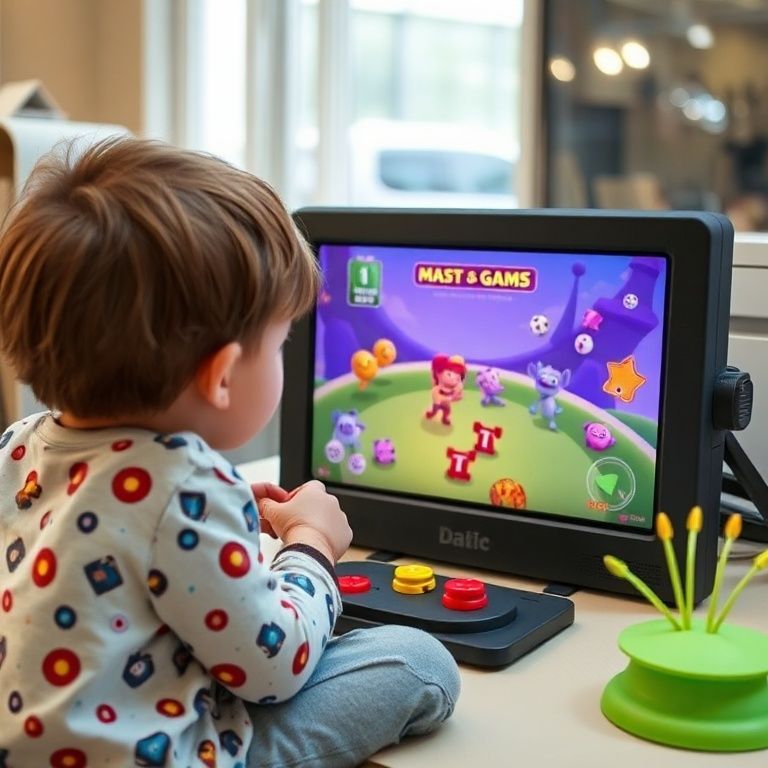
screen free games for kids

Introduction
In today’s digital age, children are constantly surrounded by screens – from smartphones to tablets and TVs. While these devices can be a valuable tool for education and entertainment, excessive screen time has become a growing concern among parents and educators. Prolonged exposure to screens has been linked to a range of negative effects on children’s physical and mental health, social skills, and cognitive development.
As a result, many parents are seeking alternative ways to engage their kids in fun and interactive activities that don’t involve staring at a screen. One promising solution is the rise of screen-free games for kids. These games not only provide hours of entertainment but also offer a range of benefits, including improved creativity, problem-solving skills, and social interaction.
From board games to outdoor adventures, there are countless options available for families looking to create a more balanced and healthy relationship with technology. In this article, we’ll explore some exciting screen-free games for kids that can be enjoyed by children of all ages, from toddlers to teenagers, and provide tips on how to incorporate them into your family’s daily routine.

Introduction to Screen-Free Games for Kids
As a parent or caregiver, you want the best for your child’s physical and mental health. Excessive screen time has been linked to various health issues, including obesity, sleep deprivation, and eye strain. Fortunately, there are many engaging and fun games that can be played without screens, promoting healthy development in children.
Benefits of Screen-Free Games
Screen-free games offer numerous benefits for kids, including:
Encouraging Physical Activity
Playing outside or engaging in physical activities with friends and family is essential for kids’ overall health. Screen-free games like tag, hide-and-seek, and capture the flag encourage children to be active, run around, and develop their gross motor skills.
Examples:
Red Light, Green Light: A classic game where one person is the “stoplight” and the others have to try to reach them without being caught.
Red Rover: A team-based game where two teams hold hands in a line, with one team sending players to break through the other team’s held hands.
Simon Says: A game that promotes physical activity while following instructions.
Fostering Creativity and Imagination
Screen-free games like board games, puzzles, and arts and crafts promote creativity, problem-solving, and critical thinking skills. These activities help kids develop their imagination, self-expression, and fine motor skills.
Examples:
Arts and Crafts: Activities like painting, drawing, and making collages encourage creative expression.
LEGO Building: A classic toy that promotes creativity, problem-solving, and fine motor skills.
Cardboard Box Creations: Using cardboard boxes to create forts, houses, or other structures encourages imagination and creativity.
Types of Screen-Free Games for Kids
Indoor Games
Indoor screen-free games are perfect for rainy days or when you need a break from the sun. Some popular options include:
Board games like Monopoly, Scrabble, and Chess
Card games like Go Fish, War, and Slapjack
Puzzles like jigsaw puzzles, crosswords, and Sudoku
Examples:
Board Game Nights: Host regular board game nights with friends and family to promote social interaction.
Card Game Tournaments: Organize friendly card game tournaments to encourage competition and strategy.
Outdoor Games
Outdoor screen-free games are ideal for promoting physical activity and social interaction. Some popular options include:
Tag
Hide-and-seek
Capture the flag
Ball games like soccer, basketball, and tennis
Examples:
Scavenger Hunts: Create a scavenger hunt around the neighborhood or backyard to encourage exploration and teamwork.
Outdoor Obstacle Courses: Set up an obstacle course in your backyard using items like hula hoops, cones, and balance beams.
Getting Started with Screen-Free Games
To introduce screen-free games into your child’s routine, follow these steps:
Step 1: Choose Games That Suit Your Child’s Age and Interest
Select games that are suitable for your child’s age group and interests. For younger children, consider simple board games and puzzles, while older kids can enjoy more complex games like chess or strategy games.
Tips:
Consider your child’s attention span when choosing games.
Read reviews and ask friends for recommendations to ensure the game is a good fit.
Step 2: Set Up a Game Station
Designate a specific area in your home as a game station, stocked with a variety of screen-free games and activities. This will encourage your child to engage in physical activity and creative play.
Examples:
Create a game nook with comfortable seating and shelves filled with board games and puzzles.
Set up an arts and crafts station with materials like paper, glue, scissors, and paint.
Step 3: Make It Fun and Engaging
Make sure the experience is enjoyable and engaging for your child. Encourage teamwork, competition, and social interaction. Offer rewards and praise for good sportsmanship and effort.
Examples:
Host game nights with friends and family to create a fun and competitive environment.
Create a reward system that encourages kids to try new games and activities.
Conclusion
Screen-free games are an excellent way to promote healthy development in children. By incorporating these games into your child’s routine, you can encourage physical activity, creativity, and social interaction while minimizing screen time.

Conclusion
As we continue to navigate the rapidly evolving world of entertainment and technology, it’s essential that we prioritize the well-being and development of our children. Screen-free games are an excellent way to encourage physical activity, social interaction, and cognitive growth in kids. By incorporating these interactive activities into their daily routine, parents can help foster a healthier relationship with screens and promote a balanced lifestyle.
So, what can you do? Start by exploring screen-free game options that cater to your child’s age group and interests. You can find a wealth of resources online, from board games to outdoor adventures, that are designed to engage and educate young minds. Join the movement towards a screen-free future for kids and give them the gift of active play, social connection, and cognitive development. Together, we can raise a generation of happy, healthy, and well-rounded children who thrive in a world beyond screens.
Here are five concise FAQ pairs for “Screen-Free Games for Kids”:
Q: What are screen-free games for kids?
A: Screen-free games for kids are activities that do not involve screens or digital devices, promoting physical activity, imagination, and social interaction.
Q: How can I introduce screen-free games to my child?
A: Start by setting a good example and engaging in screen-free activities yourself. Gradually reduce the amount of time spent on screens and replace it with outdoor play, board games, or other interactive activities.
Q: What are some examples of screen-free games for kids?
A: Examples include tag, hide-and-seek, board games like Monopoly or Scrabble, puzzles, arts and crafts, and outdoor games like capture the flag or soccer.
Q: How can I ensure my child stays engaged in screen-free games?
A: Make sure to set clear rules and boundaries, provide opportunities for choices and autonomy, and offer rewards and praise for participation and progress.
Q: Are screen-free games suitable for all ages of children?
Here’s a short quiz for “Screen-Free Games for Kids”:
1. What is the main benefit of playing screen-free games for kids?
A) To improve their gaming skills
B) To reduce eye strain and promote physical activity
C) To increase their online interactions
Show answer
Answer: B) To reduce eye strain and promote physical activity
2. Which type of game encourages children to explore and interact with their surroundings?
A) Board game
B) Card game
C) Puzzles
Show answer
Answer: A) Board game
3. What is a popular screen-free game that involves moving around and playing outdoors?
A) Hide and Seek
B) Tag
C) Scavenger Hunt
Show answer
Answer: C) Scavenger Hunt
4. Which type of screen-free game promotes problem-solving skills and critical thinking?
A) Arts and crafts
B) Building blocks
C) Chess or checkers
Show answer
Answer: C) Chess or checkers




Well written! Interesting perspective. I never thought about it this way.
Interesting perspective. Never considered this angle before. Mind-blowing!
So helpful and informative! Looking forward to more content like this.
Great article! This is incredibly well-researched and informative.