
Screen Detox Routine At Night: 10 No‑Go Moves you Must Avoid

screen detox routine at night
Introduction
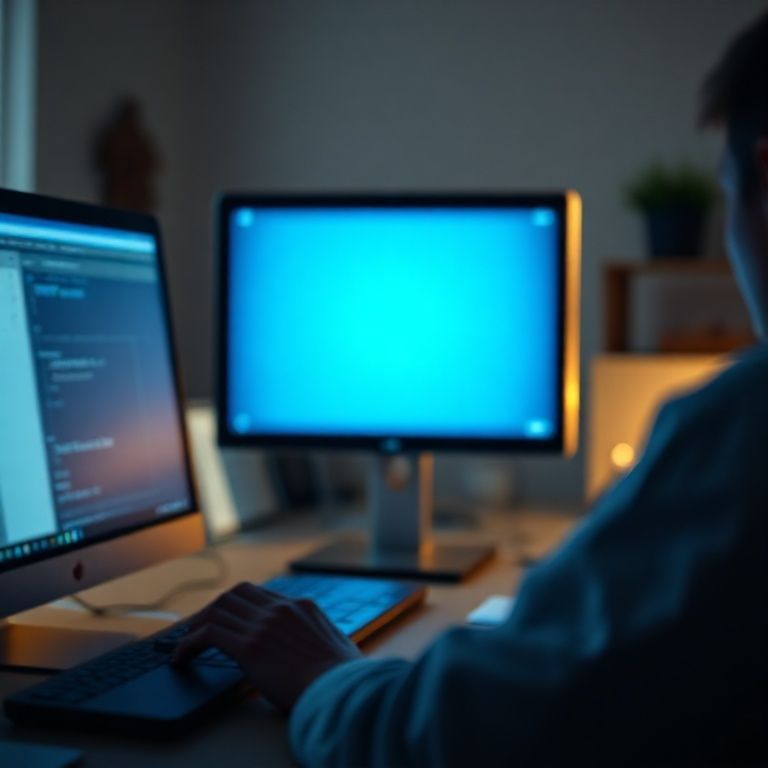
As we wind down to prepare for a restful night’s sleep, many of us find ourselves ensnared in the allure of our screens. The glow of our smartphones, tablets, or laptops can be tantalizing, making it difficult to tear ourselves away from the endless stream of notifications, social media updates, and online content that seems to demand our attention at all hours. However, this nightly screen habit can have a profound impact on our sleep quality, mental health, and overall well-being.
In recent years, the concept of “screen detox” has gained traction as a way to mitigate the negative effects of excessive screen time. By implementing a deliberate screen-free routine at night, individuals can create a healthier separation between their waking and sleeping lives. This simple yet powerful practice can help regulate our sleep patterns, reduce stress and anxiety, and even improve our focus and concentration during the day.
In this article, we’ll explore the benefits of adopting a screen detox routine at night, providing practical tips and strategies for creating a screen-free sanctuary that promotes relaxation, rejuvenation, and restful sleep. Whether you’re looking to overcome a screens-before-bed habit or simply seeking ways to enhance your overall well-being, our guide will offer you the tools and inspiration needed to make this valuable practice a part of your daily routine.

Preparing Your Environment for a Screen Detox Routine at Night
Before starting your screen detox routine, it’s essential to create an environment that supports your goals. This includes turning off all screens, including TVs, computers, and mobile devices.
Remove Screens from the Bedroom Completely
Removing screens from the bedroom is crucial for a successful screen detox routine. The bedroom should be a device-free zone, where you can relax, read, or engage in other activities without the distraction of screens. Consider replacing your TV with a bookshelf or a meditation area to create a peaceful atmosphere.
Make Your Bedroom Dark, Quiet, and Cool
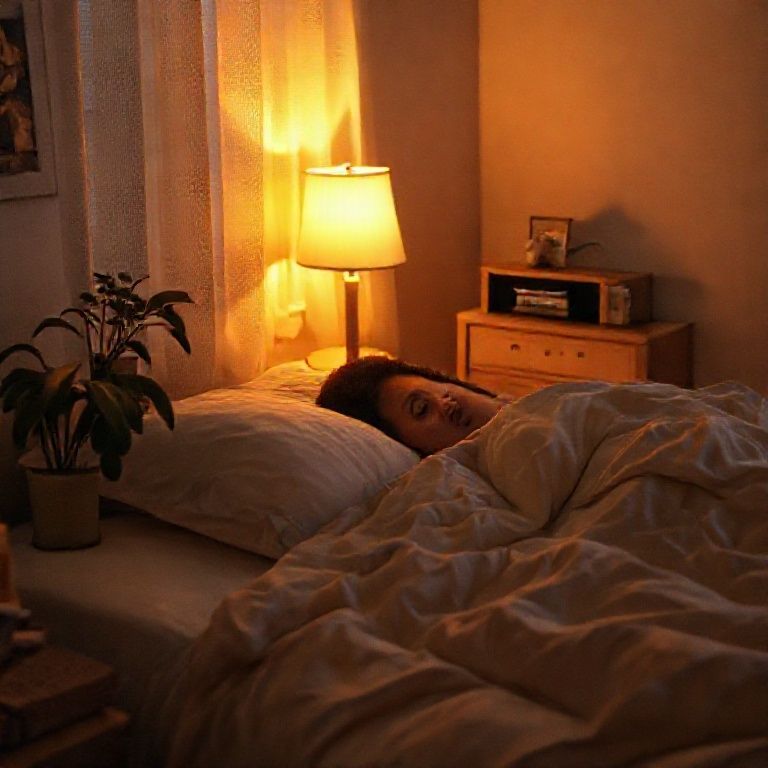
Create a sleep-conducive environment by making your bedroom dark, quiet, and cool. Use blackout curtains, earplugs, or white noise machines if necessary. Keep the temperature between 60-67°F (15-19°C) to promote better sleep.
Establishing a Bedtime Routine That Doesn’t Involve Screens
Establishing a bedtime routine that doesn’t involve screens is vital for a good night’s sleep and reducing blue light exposure.
Dim Red Lights
Using dim red lights or nightlights can help signal to your brain that it’s time to sleep. This can be especially helpful if you’re having trouble falling asleep due to the stimulating effects of bright lights. Consider using a smart plug to turn on your nightlight automatically 30 minutes before bedtime.
Practical Steps for a Screen Detox Routine at Night
Step 1: Turn Off All Screens (60-90 Minutes Before Bedtime)
Turn off all screens, including TVs, computers, and mobile devices, to avoid blue light exposure and minimize distractions. Consider setting up screen-free zones in your home or using apps that track your screen time.
Step 2: Engage in Relaxing Activities (45-60 Minutes Before Bedtime)
Engage in relaxing activities such as reading, meditation, or deep breathing exercises to calm your mind and body. Choose activities that promote relaxation and reduce stress.
Step 3: Practice Gentle Stretching or Yoga (30-45 Minutes Before Bedtime)
Practice gentle stretching or yoga to relax your muscles and prepare your body for sleep. Focus on calming poses and movements to help you unwind.
Step 4: Write Down Your Thoughts (optional)
If you find it difficult to fall asleep due to racing thoughts, try writing down your thoughts in a journal. This can help clear your mind and process any emotions before bed. Consider using a gratitude journal or a reflection journal to cultivate positivity.
Step 5: Get Ready for Bed
Get ready for bed by changing into comfortable clothes, brushing your teeth, and using the restroom. Avoid checking work emails or messages after 7 pm (Source: American Academy of Sleep Medicine).
Additional Tips
Consider using blue light filtering glasses or apps that filter out blue light from screens to reduce eye strain.
Establish a consistent sleep schedule to help regulate your body’s internal clock.
Use a bedtime routine checklist or app to track your progress and stay on track.
Make screen-free time a habit by incorporating it into your daily routine. Start with small increments, such as turning off screens an hour before bed, and gradually increase the duration as you become more comfortable with the new habit.


Conclusion
As we wrap up our day, it’s essential to acknowledge the significance of establishing a screen detox routine at night. By doing so, we can create a healthier balance between technology use and relaxation, leading to improved sleep quality, reduced eye strain, and increased productivity. So, take control of your evening by setting aside device-free time, engaging in calming activities like reading or meditation, and preparing for a restful night’s sleep. Make screen detox a habit tonight, and wake up feeling refreshed, revitalized, and ready to tackle the day with clarity and focus.
Here are five concise FAQ pairs for a “screen detox routine at night”:
Q: What is screen detox, and why should I do it?
A: Screen detox is a daily habit of avoiding screens (e.g., phones, tablets, laptops) for a set period before bedtime to improve sleep quality.
Q: How long should my screen-free time be each night?
A: Aim for at least 30 minutes to an hour without screens before bed, depending on your individual needs and schedule.
Q: What activities can I do during my screen detox routine?
A: Engage in relaxing activities like reading, meditation, or a warm bath to help calm your mind and body before sleep.
Q: Will doing a screen detox routine affect my productivity the next day?
A: Yes, taking breaks from screens before bed can help you feel more refreshed and focused the next morning. It’s essential for maintaining a healthy work-life balance.
Q: Can I still check notifications during my screen-free time?
Here’s a short quiz for a screen detox routine at night:
Question 1: What is the primary purpose of establishing a screen-free zone in your bedroom?
A) To increase productivity
B) To improve sleep quality
C) To watch more TV shows
Show answer
Answer: B) To improve sleep quality
Question 2: Which of the following is NOT a recommended activity to do before bedtime?
A) Reading a book
B) Taking a warm bath
C) Checking work emails
Show answer
Answer: C) Checking work emails
Question 3: What should you replace screens with in your screen detox routine at night?
A) Exercise equipment
B) A journal or diary
C) Another screen device
Show answer
Answer: B) A journal or diary
Question 4: How long should you aim to keep your screens off before bedtime?
A) 30 minutes
B) 1-2 hours
C) 3-4 hours
Show answer
Answer: B) 1-2 hours


I enjoyed reading this. I appreciate the depth of research in this post.
Great article! Amazing insights!