
Scalp Care Routine: 12 Costly Mistakes to Stop Making

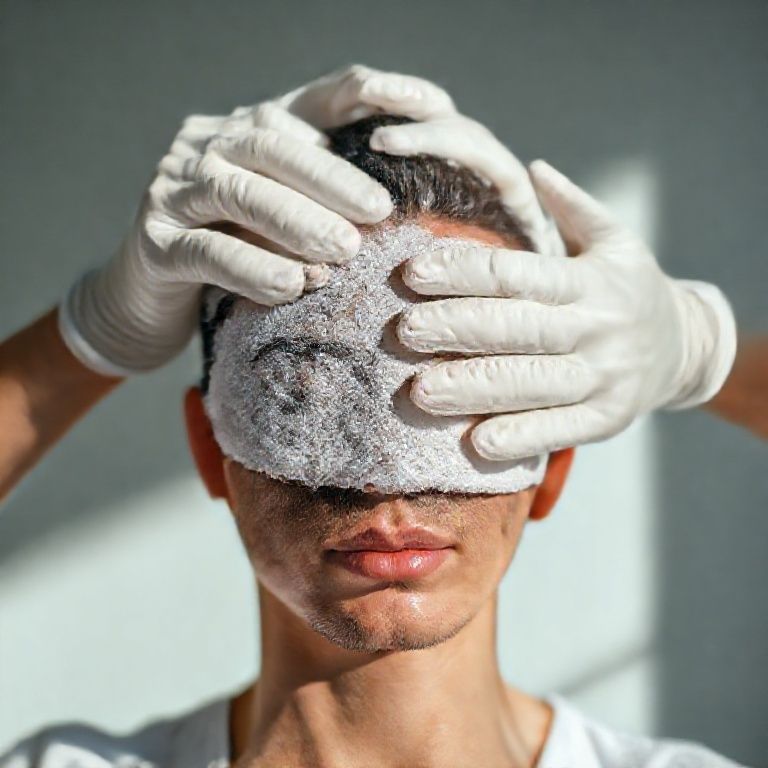
scalp care routine

Introduction
When it comes to maintaining healthy hair and skin on your head, many of us overlook one of the most important aspects: scalp care. A good scalp care routine is essential for promoting healthy hair growth, reducing dandruff and itchiness, and even preventing conditions like psoriasis and eczema. By incorporating simple yet effective practices into our daily skincare regimen, we can take control of our scalp’s health and enjoy a fuller, shinier head of hair.
A well-crafted scalp care routine involves more than just washing your hair; it requires attention to the scalp itself. This means exfoliating, massaging, and moisturizing the skin on your head to remove dead skin cells, stimulate blood flow, and keep the area healthy and balanced. By doing so, you’ll be better equipped to tackle common scalp issues and enjoy a more vibrant, radiant appearance.
In this article, we’ll delve into the ins and outs of creating an effective scalp care routine that works for your unique hair type and skin concerns. We’ll explore the best products and techniques to use, as well as provide tips on how to incorporate these practices into your daily routine. Whether you’re struggling with dandruff, itchiness, or simply want to promote healthy hair growth, our comprehensive guide will help you develop a scalp care routine that leaves your head feeling fresh, clean, and revitalized.

Scalp Care Routine for a Healthy Head of Hair
Understanding Your Scalp
A good scalp care routine is essential for maintaining healthy hair. The scalp is the surface of your head where hair grows from, and it plays a crucial role in the overall health of your hair. A healthy scalp is free from irritation, itchiness, and flakiness, which can lead to hair loss and other scalp problems.
Step 1: Cleanse Your Scalp
To start a good scalp care routine, you need to cleanse your scalp regularly. Use a gentle shampoo that is formulated for your hair type. Massage the shampoo into your scalp using circular motions, working from the crown of your head down to the nape of your neck. Be sure to focus on areas with excessive oil production or dandruff.
For example, if you have oily hair, use a clarifying shampoo once a week to remove excess oil and product buildup. On the other hand, if you have dry or damaged hair, use a moisturizing shampoo that is rich in nutrients and antioxidants.
Step 2: Exfoliate Your Scalp
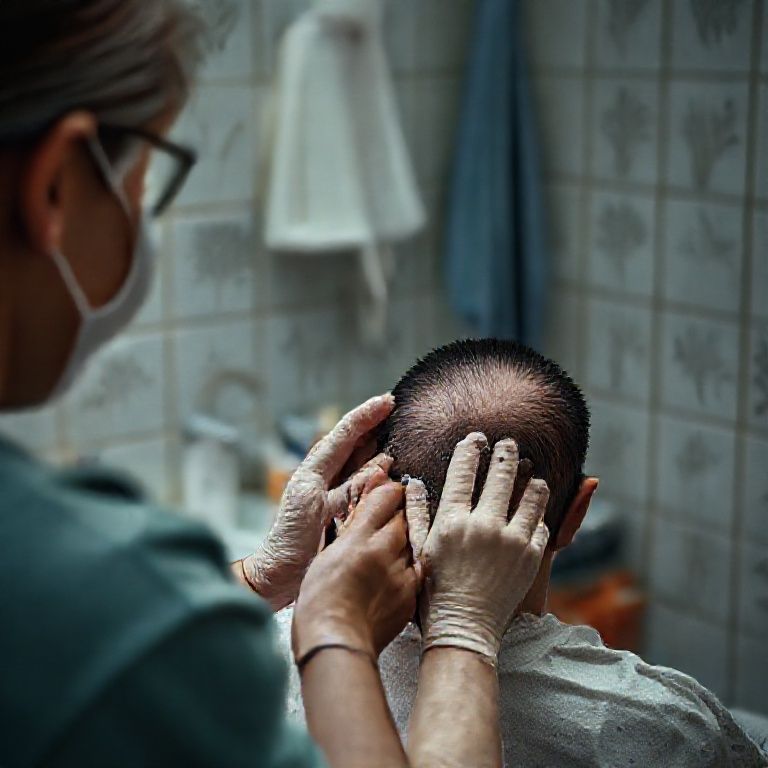
Exfoliating your scalp helps remove dead skin cells and other debris that can clog pores and lead to irritation. Use a gentle exfoliating scrub or a chemical exfoliant containing alpha-hydroxy acids (AHAs) or beta-hydroxy acids (BHAs) one to two times a week.
For instance, a physical exfoliant like a scalp massager or a gentle scrub can help remove dead skin cells and promote blood flow. Chemical exfoliants, on the other hand, can help break down dead skin cells and unclog pores without causing irritation.
Step 3: Apply a Scalp Treatment
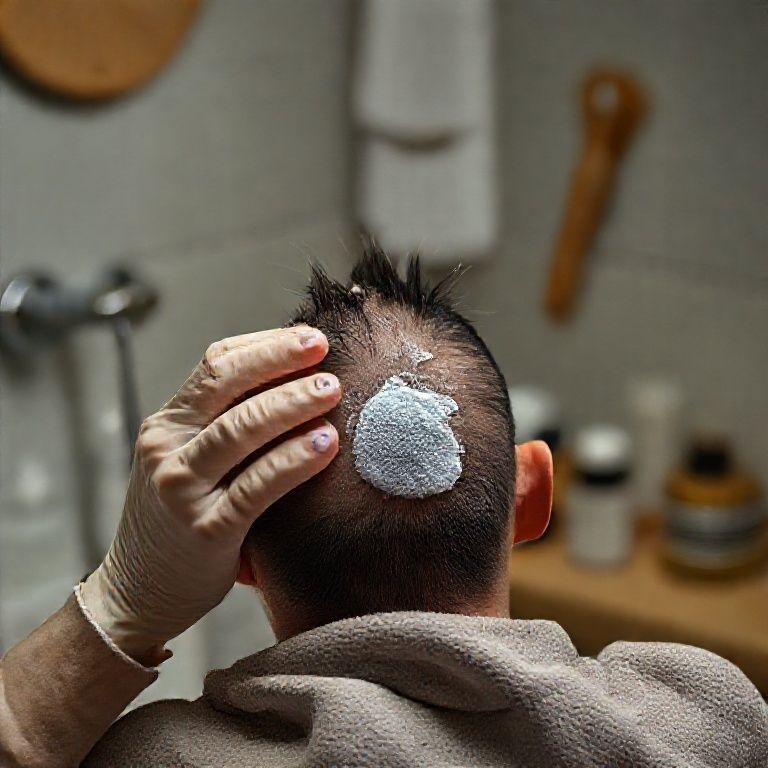
Applying a scalp treatment can help soothe and calm an irritated scalp. Look for a treatment that contains ingredients such as tea tree oil, salicylic acid, or coal tar. Apply the treatment to your scalp using a gentle massaging motion, working from the crown of your head down to the nape of your neck.
For example, if you have dandruff, apply an antifungal shampoo containing zinc pyrithione or ketoconazole once or twice a week. If you have an itchy scalp, try applying a soothing scalp treatment containing aloe vera or chamomile oil.
Step 4: Protect Your Scalp
Protecting your scalp from the sun is essential for preventing damage and irritation. Use a broad-spectrum sunscreen with at least SPF 30 when going outside, especially during peak sun hours.
For instance, if you have light-colored hair, consider wearing a hat or using a lip balm with SPF to protect your scalp from UV rays. If you have dark-colored hair, use a shampoo that contains antioxidants and other protective ingredients to help shield your scalp from environmental stressors.
Maintaining a Healthy Scalp Care Routine
To maintain a healthy scalp care routine, it’s essential to be consistent and patient. Give your scalp time to adjust to new products or treatments, and avoid over-exfoliating or using harsh chemicals too frequently. Consult with a dermatologist if you have persistent scalp problems or concerns.
Additional Tips for Scalp Care
Keep your hair tied back when washing your face or showering to prevent dirt and oil from transferring to your scalp.
Avoid touching or scratching your scalp, as this can transfer bacteria and oils to your scalp, leading to irritation.
Use a gentle shampoo that is formulated for your hair type and avoid using hot water, which can strip your scalp of its natural oils.
References:
Scalp Conditions: Causes, Symptoms, and Treatment (MedlinePlus)
Scalp Conditions: Learn about the different types of scalp conditions, their causes, symptoms, and treatment options.
The Importance of Scalp Care for Healthy Hair Growth (Hair Loss Foundation)
The Importance of Scalp Care: Discover the importance of scalp care for healthy hair growth and learn how to establish a good scalp care routine.
Conclusion
In maintaining a healthy scalp, it’s essential to establish a consistent care routine. By incorporating regular cleansing, exfoliation, and nourishing treatments into your daily or weekly schedule, you can promote a balanced scalp environment that fosters optimal hair growth. Take the first step towards achieving a healthier, more vibrant mane by creating a personalized scalp care routine tailored to your specific needs. Start today and witness the transformative power of a well-cared-for scalp.
Here are five concise FAQ pairs for a scalp care routine:
Q: How often should I wash my scalp?
A: It’s recommended to wash your scalp 2-3 times a week, depending on your hair type and lifestyle.
Q: What products should I use on my scalp?
A: Use a gentle shampoo and conditioner suitable for your hair type. Avoid harsh chemicals or excessive styling products that can strip your scalp of its natural oils.
Q: How do I exfoliate my scalp at home?
A: Mix 1 tablespoon of sugar or salt with 1 tablespoon of olive oil to create a gentle scrub. Massage onto your scalp and rinse with warm water.
Q: Can I use coconut oil on my scalp?
A: Yes, coconut oil can be beneficial for the scalp as it moisturizes and soothes dryness. However, use it in moderation and dilute it with other oils if you have oily hair.
Q: What are some common scalp irritations and how to treat them?
Here’s your scalp care routine quiz:
1. How often should you wash your scalp?
A) Daily
B) Every other day
C) 2-3 times a week
Show answer
Answer: C
2. What is the best way to remove dead skin cells and other debris from your scalp?
A) Using harsh chemicals or exfoliating scrubs
B) Massaging with a gentle scalp massager
C) Trimming your hair every time you wash it
Show answer
Answer: B
3. Which of the following is NOT a good habit for someone with an oily scalp?
A) Washing your hair daily to control oil
B) Using a medicated shampoo to treat dandruff
C) Avoiding heat styling tools to prevent dryness
Show answer
Answer: A
4. What should you do before applying any new shampoo or treatment to your scalp?
A) Shave your head completely
B) Remove all makeup and oils from the skin
C) Towel-dry your hair, but avoid rubbing it vigorously
Show answer
Answer: C



Brilliant explanation! Everything makes sense now. Keep up the good work!
Thanks for this post. You’ve outdone yourself with this one!