
Rowing Technique Basics To Avoid Injury: 9 Smart Steps to Make It Easier

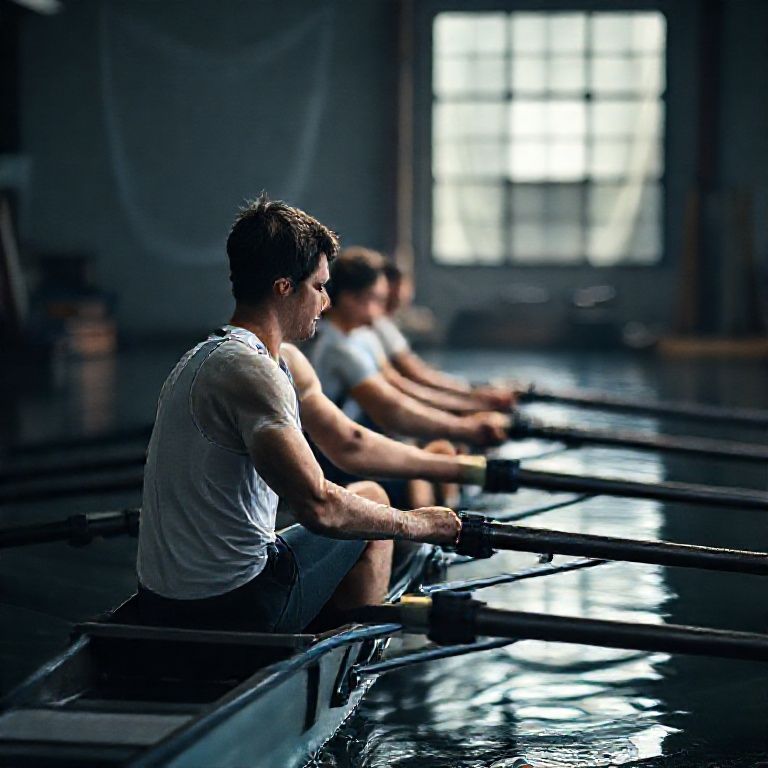
rowing technique basics to avoid injury
Introduction
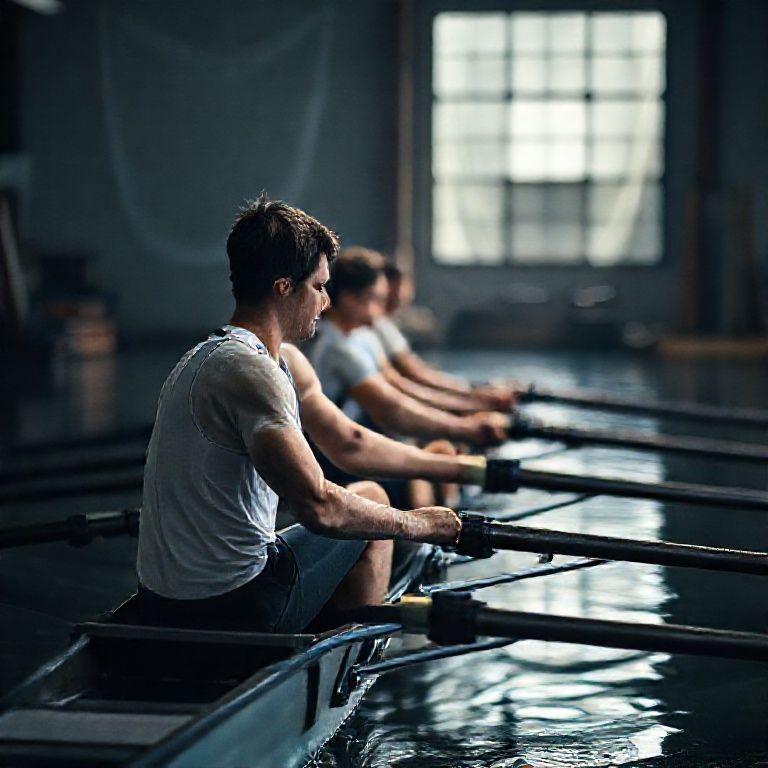
As any rower knows, mastering the fundamentals of rowing technique is crucial not only for optimal performance but also for preventing injuries that can derail your training and recovery. Rowing is a physically demanding sport that requires coordination, strength, and endurance, making it essential to develop proper technique from the outset. By focusing on rowing technique basics to avoid injury, you can reduce your risk of common issues such as shoulder strain, back pain, and overuse injuries.
Proper technique also plays a significant role in maintaining good form and efficiency throughout your rowing stroke. When executed correctly, a smooth and powerful stroke allows you to generate maximum power while minimizing the impact on your body. However, poor technique can lead to fatigue, decreased performance, and increased risk of injury. In this article, we’ll delve into the essential elements of rowing technique that can help you avoid common injuries and optimize your overall performance.
Whether you’re a seasoned competitive rower or an enthusiastic recreational athlete, understanding the basics of rowing technique is vital for enjoying the sport while staying healthy and injury-free. By learning how to row efficiently and effectively, you’ll be able to take full advantage of your training sessions, enjoy the experience more, and reduce your risk of injury. In the following sections, we’ll explore the key components of rowing technique that can help you avoid common injuries and achieve optimal performance.

Understanding the Fundamentals of Proper Posture
Key Points
Proper posture is essential for maintaining efficiency and preventing injury while rowing. A slouched or hunched back can lead to strain on the neck, shoulders, and upper back muscles.
1. Sit up straight in your boat with your feet shoulder-width apart, engaging your core muscles by drawing your belly button towards your spine.
2. Keep your head level, looking forward directly ahead of you, and avoid tilting it upwards or downwards.
3. Maintain a slight incline of the pelvis, with the weight evenly distributed across both feet.
Maintaining a Balanced Body Position
Key Points
A balanced body position is crucial for generating power and preventing injury. To achieve balance:
1. Distribute your weight evenly across both feet, with your heels slightly lower than your toes, to maintain stability and control.
2. Keep your knees slightly bent to absorb any shock or impact, reducing the strain on your joints.
3. Engage your glutes by squeezing them gently, which helps maintain a stable pelvis position.
Effective Arm and Hand Positioning
Key Points
Proper arm and hand positioning can help prevent injury and improve performance. To achieve the correct position:
1. Hold your oars with a neutral grip, with your hands positioned at shoulder height, to reduce strain on your shoulders and arms.
2. Keep your arms straight and your elbows close to your body, using your shoulders and back muscles to generate power.
3. Avoid leaning forward or backward, as this can put unnecessary strain on your neck and upper back.
Efficient Sculling Technique
Key Points
Sculling is an essential part of rowing that can help prevent injury if done correctly. To achieve efficient sculling:
1. Hold your oar with a neutral grip, with your hands positioned at shoulder height, to maintain control and reduce strain on your shoulders.
2. Keep your arm straight and your elbow close to your body, using your wrist and forearm to generate power and control.
3. Use a gentle, sweeping motion to scull, avoiding jerky or abrupt movements that can put unnecessary strain on your joints.
Stretching and Foam Rolling for Injury Prevention
Key Points
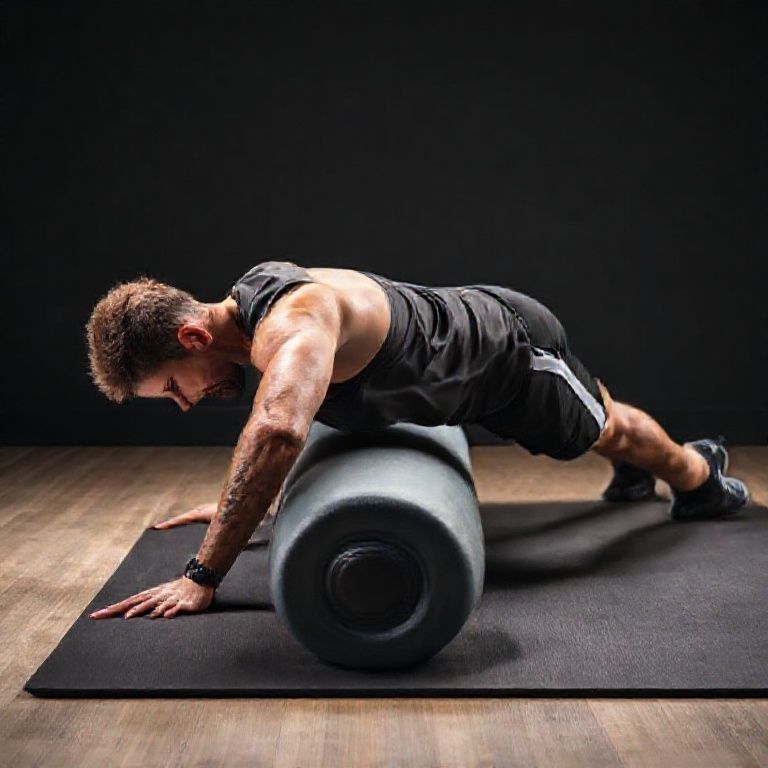
Stretching and foam rolling can help prevent injury by improving flexibility and reducing muscle tension. To incorporate stretching and foam rolling into your routine:
1. Perform dynamic stretches before each rowing session, such as leg swings, arm circles, and torso twists, to loosen up your muscles and prepare them for exercise.
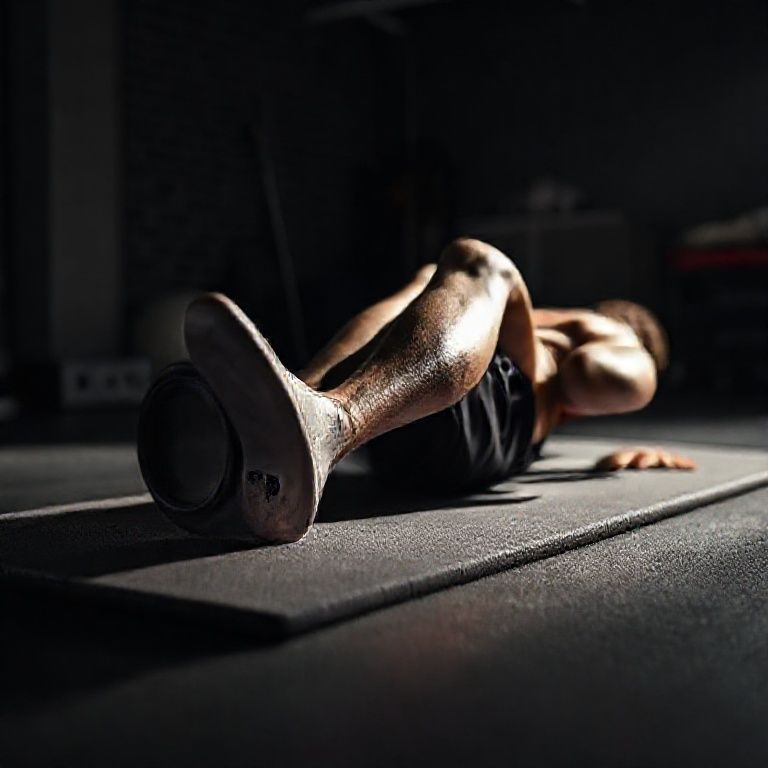
2. Use a foam roller to roll out your IT band, quadriceps, and hamstrings after each rowing session, targeting areas that may be prone to muscle tension and soreness.
Additional Tips
Key Points
In addition to proper posture, balanced body positioning, arm and hand positioning, efficient sculling technique, and stretching and foam rolling, consider the following tips to prevent injury:
1. Warm up properly before each rowing session, with 10-15 minutes of light cardio and dynamic stretching.
2. Stay hydrated throughout your rowing session, aiming to drink at least 8-10 ounces of water per hour.
3. Take regular breaks to rest and recover, especially during longer or more intense rowing sessions.
References:
Anchor (Rowing Injury Prevention Guide by the American Rowing Association)
Anchor (The Science of Rowing Technique by the International Rowing Federation)


Conclusion
In conclusion, mastering the fundamentals of rowing technique is crucial for optimal performance and minimizing the risk of injury. By focusing on proper posture, grip, and stroke mechanics, you can reduce your likelihood of injury and improve your overall rowing experience. Take the first step towards developing good rowing technique by consulting with a qualified coach or experienced rower, practicing regularly, and paying attention to your body’s signals. Remember, prevention is key â invest time and effort into learning proper technique to ensure a long and healthy rowing career.
Here are five concise FAQ pairs on rowing technique basics to avoid injury:
Q: What is the proper posture while rowing?
A: Maintain a tall, upright position with your shoulders relaxed and chest open, engaging your core muscles to support your back.
Q: How can I avoid strain on my shoulders and upper back?
A: Keep your shoulders down and away from your ears, and avoid leaning forward or backward, focusing on using your entire body to generate power.
Q: What is the correct grip for a rowing oar?
A: Hold the oar with a firm but not overly tight grip, with your hands positioned at the V formed by your thumb and index finger.
Q: How can I avoid straining my back while lifting out of the water?
A: Keep your knees slightly bent and your weight centered over the boat, using your legs to lift rather than just your back.
Q: What is the best way to recover from a rowing stroke?
Here’s your rowing technique basics quiz:
1. What is the primary function of the scull in rowing?
A) To hold the oars
B) To stabilize the boat
C) To generate power and propulsion
Show answer
Answer: C
2. How should the foot position be in the footrest during a catch?
A) Heel down, toes up
B) Heel up, toes down
C) Heel back, toes forward
Show answer
Answer: A
3. What is the correct way to engage your core muscles during rowing?
A) Tensing up and holding tight
B) Relaxing and letting go
C) Engaging and maintaining a consistent contraction
Show answer
Answer: C
4. How should you maintain your posture while rowing?
A) Slouching forward with an open chest
B) Keeping the back straight, shoulders relaxed, and core engaged
C) Arching the back and leaning to one side
Show answer
Answer: B



Great article! Your expertise really shows in this post.
This post answered all my questions. Thank you! Great post!