
Record Acoustic Guitar Basics: Hidden Traps that Hold You Back


record acoustic guitar basics

Introduction
For musicians and music enthusiasts alike, capturing the warm and intimate sound of an acoustic guitar can be a daunting task. With so many options available, from microphones to recording software, it’s easy to get overwhelmed by the sheer amount of choices. However, by focusing on the basics, anyone can start recording high-quality acoustic guitar tracks that will elevate their music to the next level.
At its core, record acoustic guitar basics is about understanding the fundamental principles of capturing sound correctly. This involves choosing the right equipment, setting up a suitable recording space, and using techniques such as mic placement and gain control to bring out the best in your instrument. By mastering these basics, you’ll be able to create a solid foundation for your music that will inspire confidence and creativity.
In this article, we’ll delve into the essential tips and tricks for recording acoustic guitar basics. From setting up your recording space to selecting the perfect microphone, we’ll cover it all. Whether you’re a seasoned musician or just starting out, our expert guidance will help you unlock the full potential of your acoustic guitar and take your music to new heights.
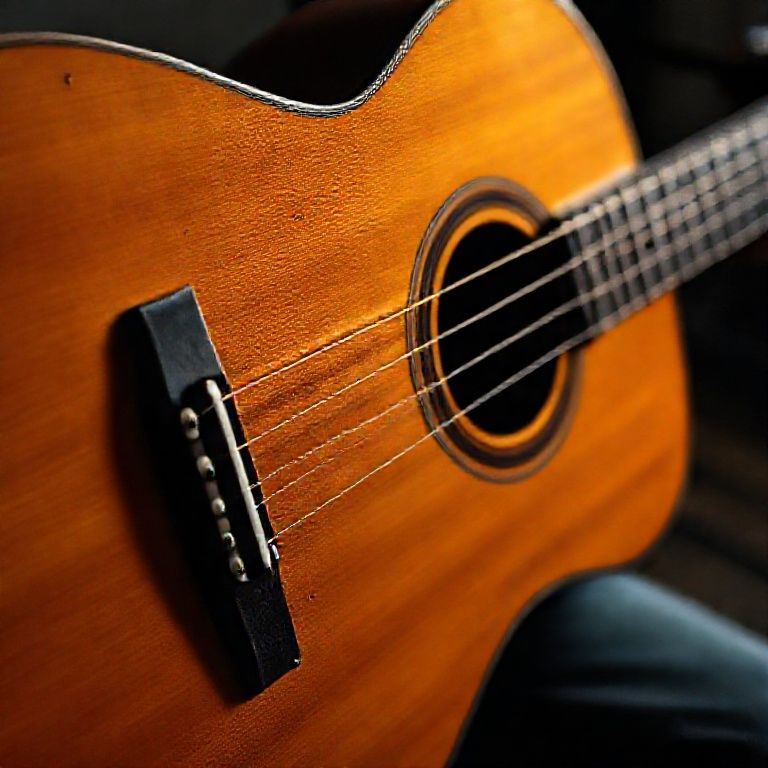
Understanding the Basics of Recording Acoustic Guitar
Setting Up Your Studio
To start recording your acoustic guitar, you’ll need to set up a suitable studio space. This includes choosing an acoustically treated room or using soundproofing materials to minimize echo and reverberation. Invest in a good quality microphone that can capture the nuances of your instrument’s tone.
Room Acoustics
Consider the size and shape of your recording space when setting it up for acoustic guitar. A larger room with a more open ceiling will produce a brighter, more resonant sound, while a smaller room with a lower ceiling will result in a warmer, more mellow sound. Use absorption materials like acoustic panels or DIY solutions like Owens Corning 703 to control reverberation and echo.
Microphone Placement
Experiment with different microphone placements to find the optimal spot for your instrument. Some common mic placement options include:
Close Mic: Place the mic 6-8 inches from the sound hole for a bright, focused sound.
Room Mic: Position the mic 2-3 feet away from the guitar for a more ambient, roomy sound.
X-Y Mic: Use an X-Y microphone setup to capture the sound of both the sound hole and the body of the guitar.
Choosing the Right Microphone
There are several microphones on the market specifically designed for recording acoustic guitar, including condenser mics like the Rode NT1-A or dynamic mics like the Shure SM57. Consider the type of sound you’re aiming for and choose a mic that suits your needs.
Condenser Mics
Condenser microphones are known for their high sensitivity and ability to capture detailed nuances in tone. They’re often used for recording acoustic guitar, but can also be prone to picking up background noise and hum.
Dynamic Mics
Dynamic microphones are more robust and less sensitive than condenser mics, making them a good choice for loud or high-energy performances. However, they may not capture the same level of detail and nuance as condenser mics.
Preparing Your Instrument
Before you start recording, make sure your acoustic guitar is properly prepared. This includes:
Tuning and Setup
Ensure your guitar is in tune and adjust the action (string height) to achieve optimal playability and tone. Use a tuner like the Korg GA-1 to help with this process.
String Choice
Experiment with different string types and gauges to find the perfect balance between tone and playability. Consider using a lighter gauge string for a brighter sound or a heavier gauge for a warmer tone.
Guitar Maintenance
Regularly clean and condition your guitar’s finish, strings, and fretboard to maintain its tone and overall health. Use a soft cloth and gentle cleaning products to avoid damaging the instrument.
Recording Techniques
Basic Recording Technique
To start recording, place your microphone close to the sound hole of your acoustic guitar. Adjust the mic’s position and angle to achieve the desired sound. Use a preamp or audio interface to boost the signal and reduce hum.
Mic Placement Options
Experiment with different mic placements to find the optimal spot for your instrument:
Close Mic: Place the mic 6-8 inches from the sound hole for a bright, focused sound.
Room Mic: Position the mic 2-3 feet away from the guitar for a more ambient, roomy sound.
Recording Levels
Adjust the recording levels to achieve optimal signal-to-noise ratio. Aim for an average level of -20 dB to -15 dB. Use gain staging techniques like limiting and compression to control dynamics and maintain a consistent tone.
EQ and Compression
Use equalization (EQ) and compression to enhance your guitar’s tone and control its dynamics. Boost the low-end frequencies (50-100 Hz) for added warmth, and cut high-end frequencies (5 kHz-10 kHz) to reduce brightness.
Reverb and Delay
Add ambiance to your recording by using reverb and delay effects. Use a plate or room reverb sound to create a sense of space, and experiment with different delay times and rates to add depth and interest to your track.
Advanced Recording Techniques
Double Tracking
Record multiple takes of the same part and blend them together for added depth and texture. This technique is particularly effective for creating a layered, atmospheric sound.
Over


Conclusion
In conclusion, mastering the basics of acoustic guitar is an essential step towards becoming a proficient musician. By dedicating time and effort to learning proper technique, chord shapes, strumming patterns, and other fundamental skills, you’ll be well on your way to unlocking the full potential of this incredible instrument.
So, we encourage you to take action today! Start by finding a qualified teacher or online resource that can guide you through the basics. Set aside time each day or week to practice, even if it’s just for a few minutes. With persistence and dedication, you’ll be playing your favorite songs in no time.
Here are five concise FAQ pairs for “Record Acoustic Guitar Basics”:
Q: What is the ideal pickup configuration for recording an acoustic guitar?
A: A condenser microphone placed close to the sound hole and a direct injection (DI) box connected to the instrument’s output is often used.
Q: How do I get a clear, balanced sound from my acoustic guitar on record?
A: Use a combination of room miking and direct injection to capture a balanced sound, adjusting mic placement and gain levels as needed.
Q: What is the best way to prepare an acoustic guitar for recording?
A: Clean and adjust the instrument’s action, strings, and tuning before recording to ensure optimal tone and playability.
Q: Can I record an acoustic guitar directly into my digital audio workstation (DAW)?
A: Yes, using a direct injection box or line input can capture a clean signal from the instrument, but it may lack warmth and character compared to a microphone setup.
Q: What is the difference between a ribbon microphone and a condenser microphone for recording acoustic guitars?
Here’s a short quiz for record acoustic guitar basics:
What is the purpose of the bridge on an acoustic guitar?
A) To hold the strings in place
B) To change the pitch of the strings
C) To amplify the sound
Show answer
Answer: A
How do you tune an acoustic guitar?
A) By plucking the strings with a tuner
B) By pressing the strings down behind the fretboard
C) By adjusting the bridge and neck
Show answer
Answer: C
What is the difference between a steel-stringed and nylon-stringed acoustic guitar?
A) Steel-stringed guitars are louder, nylon-stringed guitars are softer
B) Steel-stringed guitars are easier to play, nylon-stringed guitars are harder to play
C) Steel-stringed guitars are used for folk music, nylon-stringed guitars are used for classical music
Show answer
Answer: A
What is the term for pressing the strings down behind the fretboard?
A) Fretting
B) Strumming
C) Picking
Show answer
Answer: A




Really enjoyed reading this. keep up the great work!
Great article! This is pure gold!
This post answered all my questions. Thank you! 💯
Great article! Thanks for sharing this valuable information. Great post!