
Plants For Low Light Rooms: 12 Effortless Fixes for Effortless Balance

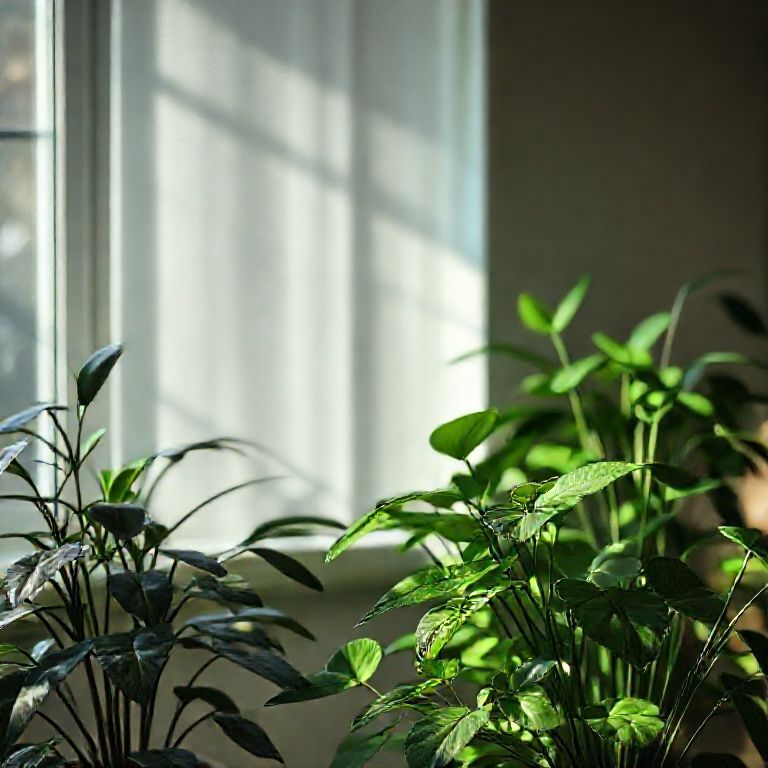
plants for low light rooms
Introduction
As we continue to urbanize and spend more time indoors, our homes and offices are becoming increasingly reliant on artificial lighting. However, this can take a toll on our physical and mental health, leading to feelings of fatigue and disconnection from nature. One way to combat the negative effects of low light environments is by incorporating plants into your space. Plants for low light rooms, in particular, offer a solution for those who struggle to find natural light sources or have rooms that receive limited daylight.
While it’s true that many plants require direct sunlight to thrive, there are numerous species that can tolerate low light conditions and even bloom in the absence of direct sunlight. These plants are perfect for rooms with limited windows, basements, or indoor spaces with artificial lighting. By choosing the right plant species, you can bring a touch of nature into your home or office and improve air quality, reduce stress, and boost mood.
In this article, we’ll explore some of the best plants for low light rooms, including their unique characteristics, care requirements, and benefits for indoor spaces. From low-maintenance succulents to flowering houseplants, we’ll delve into the world of plants that can thrive in even the darkest of environments. Whether you’re a seasoned plant enthusiast or a beginner looking to bring some greenery into your space, this guide is designed to help you find the perfect plants for low light rooms and start enjoying the benefits of indoor gardening today.

Low Light Plants for Your Home or Office
Low light rooms can be challenging for indoor gardening, but there are many plants that thrive in these conditions. By choosing the right plants and providing them with the necessary care, you can create a lush and vibrant space even in rooms with limited natural light.
Choosing the Right Plants
When selecting plants for low light rooms, it’s essential to consider their specific lighting requirements. Some plants can tolerate low light conditions, while others may not do well without direct sunlight. Here are some popular options:
1. Chinese Evergreen (Aglaonema)
The Chinese Evergreen is a low-maintenance plant that can thrive in low-light conditions. It’s also known for its attractive leaves with silver or gold markings.
2. Pothos (Epipremnum Aureum)
Pothos is a versatile, low-maintenance plant that can grow in a variety of lighting conditions, including low light. It’s also great for air purification and can be trained to climb up walls or trellises.
3. Snake Plant (Sansevieria Trifasciata)
The Snake Plant is known for its ability to purify the air and thrive in low-light conditions. It’s also low-maintenance and can go weeks without watering.
4. Dracaena (Dracaena Spp.)
Dracaena is a versatile plant that comes in many different species, some of which can tolerate low light conditions. They’re known for their tall, slender leaves and ability to purify the air.
5. Peace Lily (Spathiphyllum Wallisii)
The Peace Lily is a beautiful plant with elegant white blooms and dark green leaves. It prefers well-draining soil and moderate watering, but can tolerate low light conditions.
How to Care for Low Light Plants
To Keep Your Low Light Plants Happy and Healthy, Follow These Steps:
Step 1: Watering
Overwatering is a common mistake when caring for low light plants. Check the soil moisture by sticking your finger into the soil up to the first knuckle. If the soil feels dry, it’s time to water.
Step 2: Humidity
Low light plants prefer a humid environment, but most homes are not humid enough. To increase the humidity around your plant, you can place the pot on a tray filled with water and pebbles or use a humidifier.
Common Mistakes to Avoid
Avoid overwatering, under-watering, and neglecting to fertilize your low light plants. These mistakes can cause stress to the plant and lead to poor growth or even death.
1. Overwatering
Overwatering is one of the most common mistakes when caring for low light plants. This can cause root rot and kill the plant.
2. Underwatering
Underwatering can also be detrimental to your plant’s health. Make sure to check the soil moisture regularly to avoid neglecting to water.
Additional Tips
For more information on caring for low light plants, visit Low Light Plant Careor How to Care for Low Light Plants. Consider using a self-watering pot or a watering globe to make it easier to care for your low light plants.
Some popular low-maintenance fertilizers include Miracle-Gro Indoor Plant Food and Espoma Organic Indoor Plant Fertilizer. These products are designed specifically for indoor plants and can help promote healthy growth in low-light conditions.
By following these tips and choosing the right plants, you can create a beautiful and thriving low light space in your home or office.

Conclusion
In conclusion, incorporating plants into low-light rooms can have a profound impact on their ambiance and overall well-being. With the right species, even the darkest spaces can be transformed into inviting havens that promote relaxation and rejuvenation. If you’re looking to bring some greenery into your low-light room, consider visiting a local nursery or gardening store to explore the many options available. Don’t be discouraged if you’re unsure where to start â with a little research and planning, you can create a thriving indoor garden that brings warmth and vitality to even the most challenging spaces.
Here are five concise FAQ pairs for “plants for low light rooms”:
Q: What types of plants can thrive in low-light conditions?
A: Plants like Chinese Evergreen, Pothos, Snake Plant, ZZ Plant, and Peace Lily can tolerate low light.
Q: Do all low-light plants require direct sunlight to photosynthesize?
A: No, many low-light plants can survive without direct sunlight and can even do well with indirect or artificial lighting.
Q: Can I still grow herbs in a low-light room?
A: Yes, some herbs like Basil, Mint, and Chives can tolerate partial shade, but most herbs require at least 4-6 hours of direct sunlight per day.
Q: How often should I water my plants in a low-light room?
A: Overwatering is common in low-light rooms due to the reduced photosynthesis. Check the soil moisture by sticking your finger into it, and water only when necessary.
Q: Are there any plants that can help purify the air in a low-light room?
Here’s a short quiz for plants that thrive in low-light rooms:
Question 1: Which of the following plants is known to tolerate extremely low light conditions?
A) Snake Plant
B) Spider Plant
C) Aloe Vera
Show answer
Answer: A) Snake Plant
Question 2: What type of soil should be used when growing plants in low-light rooms?
A) Well-draining potting mix with added fertilizer
B) Moist, rich soil with high organic content
C) Dry, sandy soil with minimal nutrients
Show answer
Answer: B) Moist, rich soil with high organic content
Question 3: Which plant is a popular choice for hanging baskets in low-light rooms due to its trailing stems?
A) Pothos
B) Dracaena
C) Philodendron
Show answer
Answer: A) Pothos
Question 4: How often should plants in low-light rooms be watered?
A) Daily, as the soil can dry out quickly
B) Weekly, allowing the top inch of soil to dry out between waterings
C) Rarely, as overwatering can lead to root rot
Show answer
Answer: B) Weekly, allowing the top inch of soil to dry out between waterings





The way you explain things is so easy to follow. 👍
Interesting perspective. Excellent work as always!
I appreciate the depth of research in this post. 👍
I enjoyed reading this. Your expertise really shows in this post.
I learned something new today. Thanks! Great post!
I enjoyed reading this. Thank you for taking the time to write this.