
Plan A Songwriting Session For Beginners: Power Moves to Level Up Fast

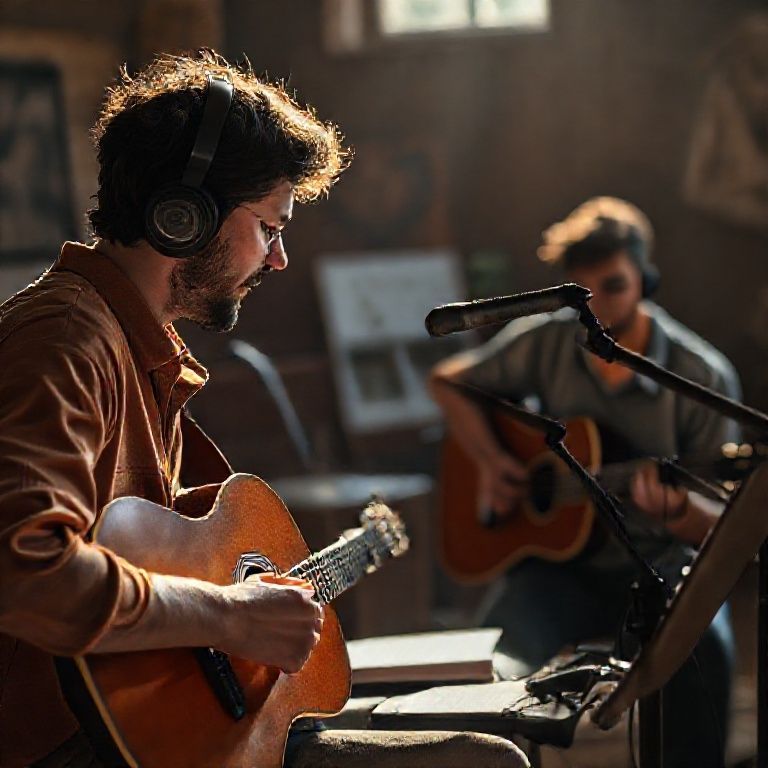
plan a songwriting session for beginners

Introduction
As a beginner songwriter, one of the most daunting tasks can be knowing where to start and how to structure your creative process. Planning a songwriting session is crucial for any aspiring musician, but it can be overwhelming if you’re new to the craft. A well-planned session can help you tap into your creativity, generate ideas, and produce high-quality songs that showcase your unique voice.
Before diving into the nitty-gritty of writing a song, it’s essential to set the stage for success. This means creating an environment that fosters inspiration and productivity. Whether you’re working from home or in a studio, having a clear plan can help you stay focused and avoid distractions. In this article, we’ll explore the key steps to plan a successful songwriting session, even if you’re just starting out.
Planning a songwriting session is not about creating a rigid framework that stifles your creativity but rather about establishing a structure that allows you to tap into your ideas and bring them to life. By following these simple yet effective tips, you’ll be able to plan a productive and inspiring session that helps you grow as a songwriter and produces songs that reflect your unique style and vision.

Planning a Songwriting Session for Beginners
As a beginner songwriter, planning a songwriting session can be overwhelming. However, with the right approach, you can create a productive and enjoyable experience that helps you develop your skills. In this article, we’ll provide step-by-step guidance on how to plan a songwriting session for beginners.
Setting Your Goals and Expectations
Before starting your songwriting session, it’s essential to define what you want to achieve. Consider the following:
What Do You Want to Write?
Identify the type of song you want to write (e.g., acoustic, pop, country). Think about the theme, tone, and mood you want to convey. Are there any specific emotions or messages you want to express? Having a clear idea of what you want to write will help guide your creative process.
For example, if you’re writing a song about heartbreak, you might consider using imagery from nature (e.g., “my heart is like a winter landscape”) or exploring different chord progressions to convey the emotions.
How Much Time Can You Dedicate?
Decide on the length of your songwriting session. Consider factors like:
Your availability
The complexity of the songs you want to write
Any other commitments or responsibilities
A good starting point might be 30-60 minutes, depending on how focused and productive you are.
Preparing for Your Session
To make the most of your songwriting session, prepare in advance by:
Gathering Materials
Collect any necessary materials, such as:
A notebook and pen/pencil
A guitar or instrument (if applicable)
Lyrics and chord progressions (if you have them already)
Inspirational images or quotes (optional)
Consider bringing a small playlist of songs that inspire you or get you in the mood for writing.
Creating a Conducive Environment
Create an environment that fosters creativity and productivity. Consider the following:
Choose a Quiet Space
Find a quiet space where you can focus on your writing without distractions. This could be a home office, a library, or even a park. If you live in a noisy area, consider using noise-cancelling headphones to block out background noise.
Minimize Distractions
Turn off notifications on your phone and other devices to minimize distractions. You can also consider using a timer or app that helps you stay focused (e.g., Pomodoro Technique).
Staying Motivated and Focused
To stay motivated and focused during your songwriting session, try:
Taking Breaks
Take regular breaks to stretch, move around, and refresh your mind. This will help you avoid burnout and maintain productivity.
For example, after 20-30 minutes of writing, take a 5-10 minute break to grab a snack or drink, or simply stand up and stretch.
Seeking Inspiration
Use prompts or exercises to stimulate your creativity. You can find these online or in songwriting books (see Songwriting Exercises for Beginners). Some examples include:
Freewriting: Write whatever comes to mind without stopping or worrying about grammar or spelling.
Sense memory exercise: Write a descriptive paragraph about a memory that is linked to one of the senses (e.g., a favorite childhood smell).
Word association game: Write down a word related to your theme, and then brainstorm as many words as possible that are associated with it.
Celebrating Small Wins
Celebrate small victories, like completing a verse or chord progression. This will help you stay positive and motivated throughout the session.
For example, write down each line of your lyrics in a separate sheet, and create a little reward for yourself when you reach a certain milestone (e.g., “I wrote 5 lines! Time for a cup of coffee”).
By following these steps, you can plan a successful songwriting session that helps you develop your skills as a songwriter. Remember to be patient, stay open-minded, and enjoy the process of creating music.

Conclusion
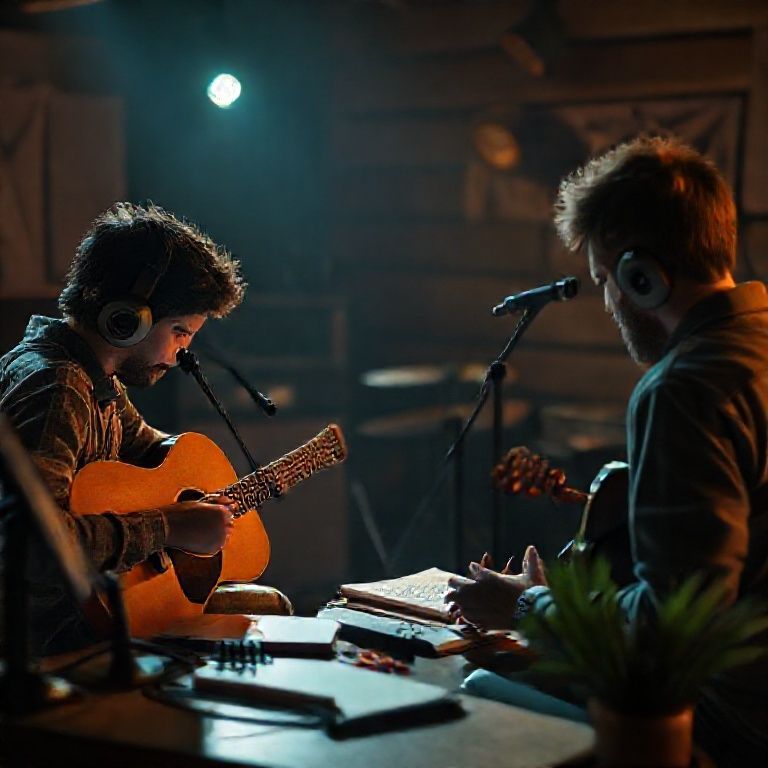
In conclusion, planning a songwriting session can be a great way to kickstart your creative journey as a beginner songwriter. Don’t be intimidated by the idea of writing songs – start small and focus on having fun. Invite a friend or family member to join you, and make sure to set aside dedicated time for songwriting. With a little planning and dedication, you can tap into your creativity and start crafting your own unique songs. So why not take the first step today? Set aside an hour or two this week, grab a pen and paper, and let the words flow!
Here are five concise FAQ pairs for planning a songwriting session for beginners:
Q: What kind of materials do I need to plan a songwriting session?
A: You’ll need a notebook, pen, guitar or instrument, and any reference songs or lyrics that inspire you.
Q: How long should my songwriting session be?
A: Start with 30-60 minutes, depending on your schedule and focus. You can always adjust the time as needed.
Q: What’s the best way to structure a songwriting session?
A: Begin by freewriting or brainstorming ideas, then move to crafting lyrics and melodies. Don’t worry too much about perfection â just create!
Q: How do I stay motivated during a songwriting session?
A: Set achievable goals for each session, reward yourself with breaks or treats, and remind yourself why you started writing in the first place.
Q: What if I get stuck during a songwriting session?
Here’s a short quiz for planning a songwriting session as a beginner:
1. What is the best time of day to plan your songwriting session?
A) Early morning, before breakfast
B) Afternoon, when you’re most focused and energized
C) Evening, after a long day of work or school
Show answer
Answer: B) Afternoon, when you’re most focused and energized
2. What is the ideal length for your songwriting session?
A) 30 minutes to an hour, just enough time to jot down ideas
B) 1-2 hours, allowing for some in-depth creativity
C) 4-6 hours, giving yourself plenty of time to craft a masterpiece
Show answer
Answer: B) 1-2 hours, allowing for some in-depth creativity
3. What is the best way to warm up before starting your songwriting session?
A) Dive right into writing lyrics or melodies without any preparation
B) Listen to music that inspires you and gets you in the mood
C) Do some vocal exercises or play around with a guitar chord progression
Show answer
Answer: C) Do some vocal exercises or play around with a guitar chord progression
4. What is the best way to stay organized during your songwriting session?
A) Write down all your ideas as they come, without editing or filtering
B) Use a notebook and pen to jot down lyrics, melodies, and chord progressions
C) Create a digital document or spreadsheet to keep track of your work
Show answer
Answer: B) Use a notebook and pen to jot down lyrics, melodies, and chord progressions



Thanks for sharing your expertise on this topic. 👍
Your insights are always spot-on. 😊
This opened my eyes to a new way of thinking. 👍
Well written! I love how you break down complex topics.
Excellent post! I learned something new today. 😊