
Plan A Live Set Guide: Confidence Killers that Confuse Beginners

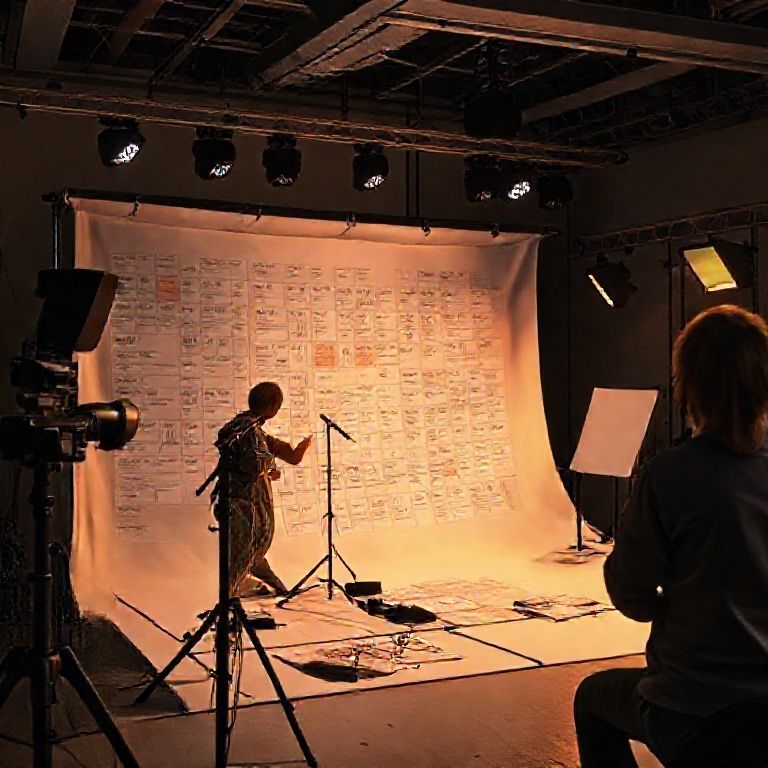
plan a live set guide
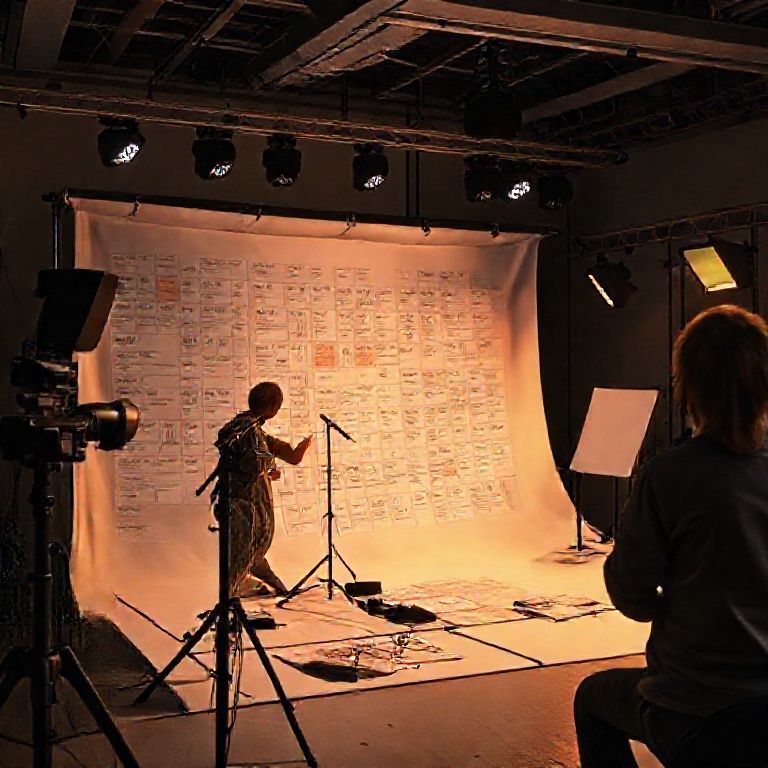
Introduction
As a musician or performer, planning a live set is an art that requires precision and creativity. A well-crafted setlist can elevate your show from a routine performance to a memorable experience for both you and your audience. However, with so many variables to consider – from the venue’s acoustics to the crowd’s mood – it can be daunting to know where to start. That’s why we’ve put together this comprehensive guide to help you plan a live set that will leave your audience wanting more.
This “plan a live set guide” is designed to walk you through every step of the process, from deciding on your overall tone and theme to crafting a seamless flow of songs that will keep your crowd engaged. Whether you’re a seasoned pro or just starting out, this guide will provide you with the tools and strategies you need to create a live set that truly showcases your artistry.
With our expert advice and insider tips, you’ll learn how to read the room, anticipate your audience’s needs, and make adjustments on the fly. You’ll discover how to structure your set for maximum impact, build energy and tension, and even handle any unexpected moments that might arise during a performance. By following this guide, you’ll be able to create a live set that is both authentic and unforgettable.
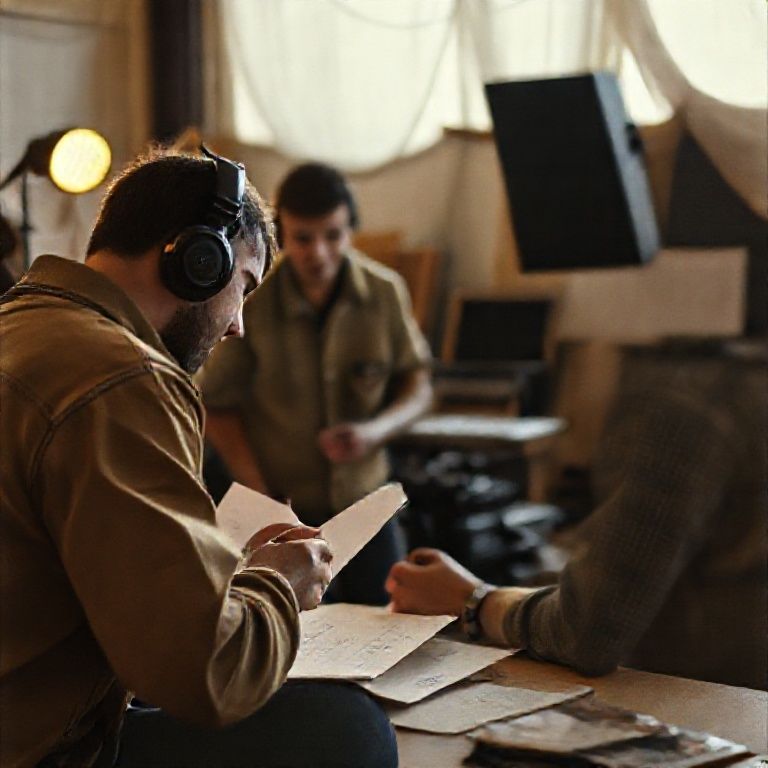
Planning a Live Set: a Comprehensive Guide
Understanding Your Performance Space
Before planning your live set, it’s essential to understand the specifics of your performance space. Take note of the following:
Stage Size and Layout
Measure the dimensions of your stage and consider how you’ll arrange your equipment, instruments, and personnel. Ensure there’s enough space for a comfortable performance area, technical crew, and audience accessibility. Consider factors like:
A minimum of 3-4 feet between the stage and front row to ensure clear sightlines.
Ample room for a drum kit, bass guitar, and other large instruments.
Space for your sound engineer and lighting technician to work comfortably.
Sound and Lighting Requirements
Assess your sound and lighting needs, including microphone types, cable requirements, and power demands. Research the recommended settings and configurations for optimal performance. Consider:
The type of microphones needed for different instruments (e.g., drum microphones, guitar microphones).
The number and quality of cables required to connect equipment.
Power demands for lights, monitors, and other technical gear.
Creating a Setlist
Develop a Concept or Theme
Define the tone and atmosphere you want to convey through your music. This will help guide your setlist choices and ensure a cohesive performance. Consider:
Your band’s unique sound and style.
The message or emotion you want to convey to the audience.
The length of your set, including any breaks or transitions.
Choose Songs and Segments
Select songs that fit your concept, considering factors like tempo, mood, and audience engagement. Consider dividing your set into distinct segments or themes to keep the energy high. Examples include:
A high-energy opening segment with fast-paced songs.
A slower, more introspective section in the middle of the set.
An energetic finale with crowd-pleasing anthems.
Rehearsal and Technical Preparations
Schedule Rehearsals
Plan dedicated rehearsal time with your band, sound engineer, and lighting technician to fine-tune your setup and ensure a smooth performance. Consider:
Scheduling rehearsals at least 2-3 weeks before the show.
Inviting a guest musician or special guest to rehearse with you.
Running through technical cues, such as lights going up during the intro.
Test Equipment and Cables
Conduct thorough tests of all equipment, including microphones, instruments, and technical gear. Verify that cables are secure and won’t cause issues during the show. Consider:
Testing your equipment in a rehearsal space or soundcheck room.
Using a multimeter to check for any electrical issues with cables.
Labeling cables clearly to avoid confusion.
Promoting Your Live Set
Create Eye-Catching Visuals
Design engaging promotional materials like posters, social media graphics, or a website banner to showcase your live set details, such as date, time, venue, and ticket information. Consider:
Using high-quality images or videos of your band in performance.
Incorporating bold fonts and eye-catching colors to grab attention.
Including a clear call-to-action, such as “Get Tickets Now!”
Share Behind-the-Scenes Content
Post behind-the-scenes updates on social media to build anticipation and excitement among fans. This can include:
Rehearsal footage or snippets of new songs.
Interviews with band members or crew.
Sneak peeks of the venue or stage design.
For more guidance on creating a successful live set, check out the following resources:
Anchor (musician’s Guild.org) – “The Importance of Live Sound Quality” Article
Anchor – “Planning Your Stage Design” guide
By following these steps and considering your performance space, setlist, rehearsal schedule, and promotional strategy, you’ll be well on your way to delivering an unforgettable live set.
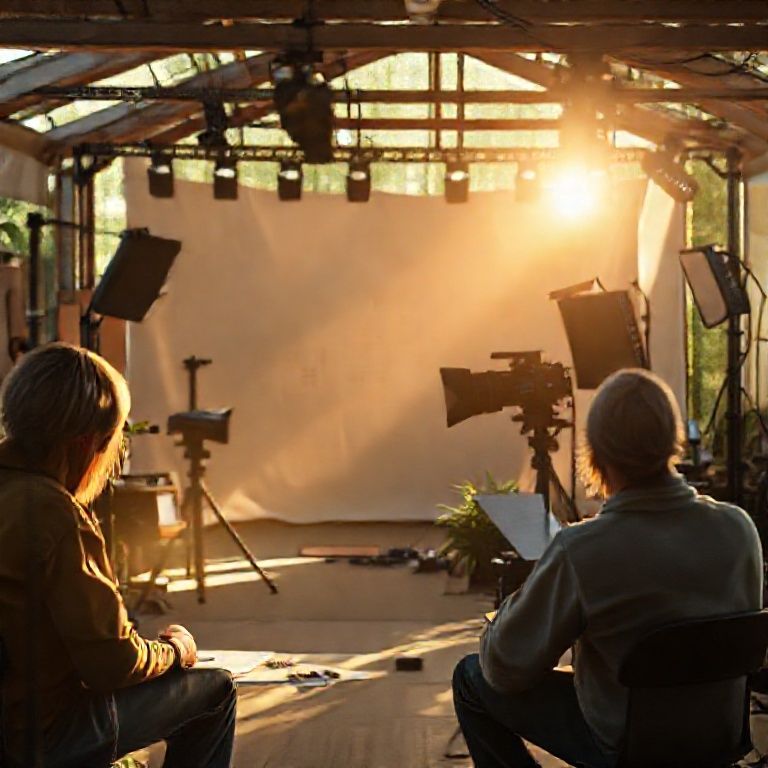
Conclusion
In conclusion, creating a plan for your live set can make all the difference in delivering an unforgettable performance to your audience. By following this guide, you’ll be able to structure your show, manage your time effectively, and ensure that every moment counts. So, take the first step today by planning your live set and get ready to thrill your fans with a memorable experience.
Here are five concise FAQ pairs for a “Plan a Live Set Guide”:
Q: What is the purpose of this plan?
A: This plan helps you organize and structure your live set, ensuring a cohesive and engaging performance for your audience.
Q: How long should my live set be?
A: The ideal length of a live set varies depending on the genre and style of music. Typically, it ranges from 45 minutes to 2 hours, but this can be adjusted based on your specific needs.
Q: What are the key elements I need to include in my plan?
A: Your plan should include an introduction, a clear structure with transitions between songs, and a conclusion. You may also want to consider including a setlist, opening act information (if applicable), and any special requests or acknowledgments.
Q: How do I ensure a smooth transition between songs?
A: To maintain a seamless flow, make sure to leave enough time for setup, song changes, and audience interaction. Use the plan to signal transitions and communicate with your band members or crew as needed.
Q: Can this plan be customized for different types of performances (e.g. festivals, intimate shows)?
Here’s a short quiz for “Plan a Live Set Guide”:
Question 1: What is the primary goal of planning a live set?
A) To create an energetic atmosphere
B) To showcase technical skills
C) To engage the audience and tell a story through music
Show answer
Answer: C
Question 2: Which element of the live set should be considered in terms of pacing and dynamics?
A) Technical setup
B) Setlist selection
C) Stage design and lighting
Show answer
Answer: B
Question 3: What is the purpose of creating a “set map” or visual representation of the live set?
A) To track equipment inventory
B) To plan stage transitions and entrances
C) To help visualize the overall structure and flow of the performance
Show answer
Answer: C
Question 4: How can you ensure that your live set is well-structured and flows logically for the audience?
A) Focus on individual song performances rather than the entire show
B) Plan to start late and make up time with shorter songs
C) Create a clear narrative arc through music, storytelling, or visuals
Show answer
Answer: C





Your insights are always spot-on. 💯
Interesting perspective. This rocks! 🎸
Thank you for taking the time to write this. Keep up the good work!