
Paper Clutter Control Routine: 7 Mood Drainers that Kill Your Focus

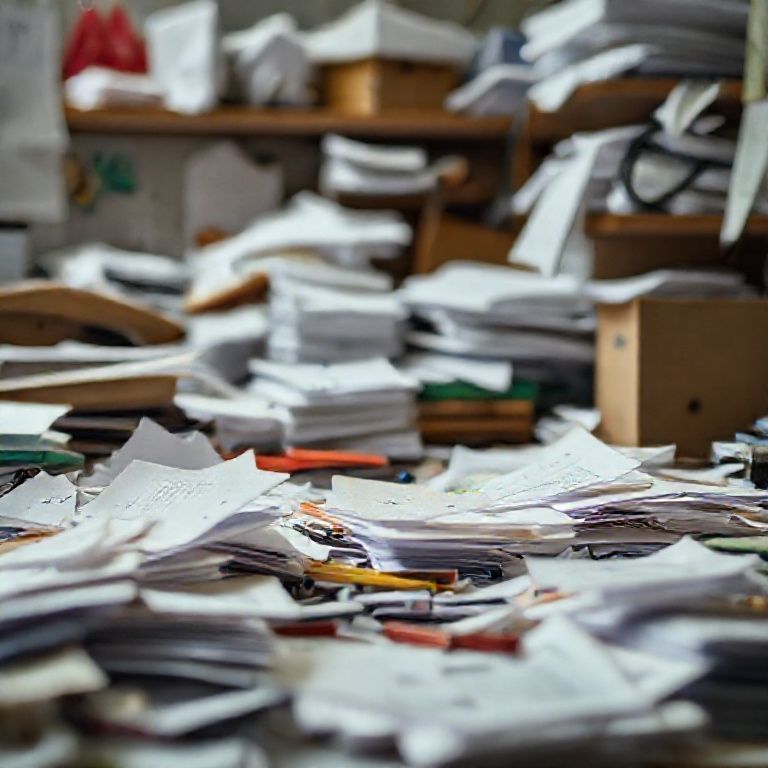
paper clutter control routine
Introduction
In today’s digital age, it’s easy to get caught up in the convenience of online documents and digital storage. However, this shift towards a paperless lifestyle has also led to a rise in paper clutter – stacks of bills, receipts, invoices, and notes that can quickly become overwhelming. A well-organized home or office is essential for productivity and stress-free living, but managing paper clutter can be a daunting task.
Establishing a regular routine can help prevent paper clutter from building up in the first place. This is where a paper clutter control routine comes in – a series of habits and practices that help you stay on top of your paperwork, keep it organized, and free up physical space for more important things.
By implementing a paper clutter control routine into your daily or weekly schedule, you can take back control of your paperwork and reduce the stress associated with dealing with piles of paper. In this article, we’ll explore the key elements of a successful paper clutter control routine, from creating a filing system to digitizing important documents, and provide practical tips for implementing these habits in your own life.
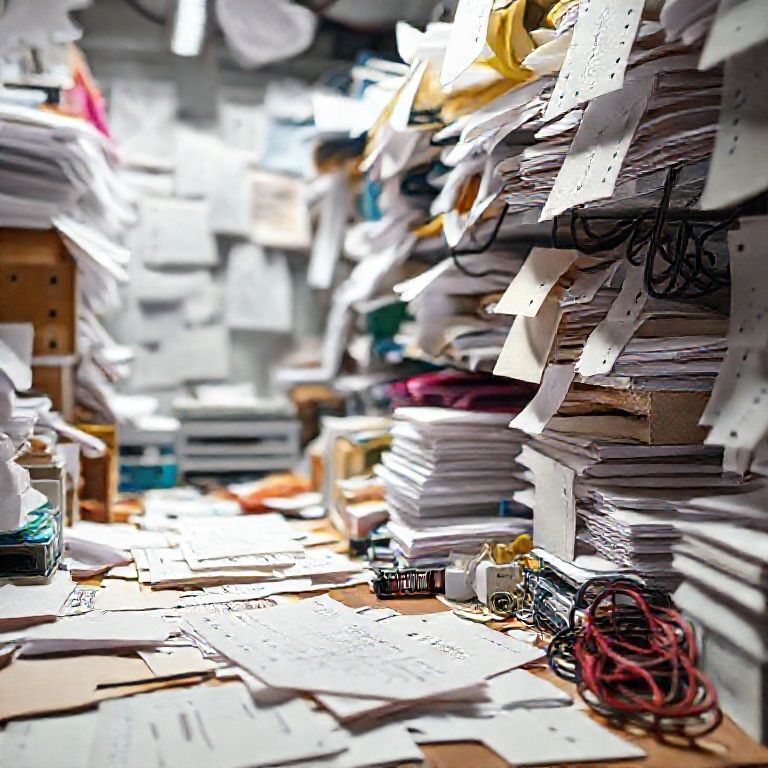
Creating a Paper Clutter Control Routine
In today’s digital age, it’s easy to accumulate paper clutter in our homes and offices. However, with the right routine, you can keep your workspace organized and clutter-free.
Understanding Paper Clutter
Paper clutter refers to the accumulation of paper documents, receipts, bills, and other printed materials that take up space and create a disorganized environment. This type of clutter can lead to wasted time searching for specific documents, increased stress levels, and even negatively impact your productivity.
Setting Up Your Routine
Step 1: Sort and Purge
Start by gathering all the papers on your desk or in a specific area. Sort them into three categories:
*Keep: ** documents that you need to keep for a certain period of time (e.g., receipts, bills)
*Shred: ** sensitive documents such as financial records, personal documents
*Recycle: ** unnecessary papers like junk mail
Go through each category and remove any unnecessary papers. Consider digitizing your important documents using a scanner or online storage services.
Step 2: Organize and File
Once you’ve purged your papers, organize the remaining documents into categories (e.g., bills to pay, receipts to keep). Use a file system that works for you, such as labeled folders or a digital filing cabinet. Make sure to label each folder clearly so you can easily find what you need.
For Example, Create Separate Files for:
Bills to be paid
Receipts to keep
Tax documents
Personal documents (e.g., insurance policies, identification)
Step 3: Schedule Regular Maintenance
To maintain your paper clutter control routine, schedule regular sessions to:
Go through your files and sort out any new papers (every week or month)
Shred sensitive documents that are no longer needed (quarterly)
Recycle unnecessary papers (monthly)
Set aside a specific time each week or month to perform these tasks.
Step 4: Implement Digital Tools
Consider implementing digital tools to help you stay organized. This can include:
Digital note-taking apps like Evernote or OneNote
Online storage services like Google Drive or Dropbox
Password managers like LastPass or 1Password
These tools can help reduce paper clutter and make it easier to find what you need.
For example, use a digital note-taking app to organize your receipts and bills. Take photos of receipts with your phone and save them in the app for easy access.
Step 5: Review and Adjust
Regularly review your paper clutter control routine to ensure it’s working for you. Make adjustments as needed, such as changing the frequency of your maintenance sessions or implementing new digital tools.
Ask yourself questions like:
Are my files organized and easily accessible?
Am I using digital tools effectively to reduce paper clutter?
Do I need to adjust my routine in any way to better suit my needs?
By following these steps and establishing a consistent paper clutter control routine, you can reduce paper clutter in your home or office and create a more organized and productive workspace.


Conclusion
In establishing a paper clutter control routine, individuals can significantly reduce stress and increase productivity in their personal and professional lives. By implementing simple habits such as regularly sorting through paperwork, shredding unnecessary documents, and digitizing important papers, people can create a more organized and efficient workspace.
To start your own paper clutter control routine, begin by setting aside a dedicated time each week to tackle paperwork. This could be as simple as dedicating 30 minutes on Friday afternoons to sorting through bills, receipts, and other documents. By making this a consistent habit, you can avoid the accumulation of paper clutter and enjoy a more streamlined and organized workspace.
Here are five concise FAQ pairs for “Paper Clutter Control Routine”:
Q: What is a paper clutter control routine?
A: A paper clutter control routine involves regularly sorting, filing, and disposing of papers to maintain a organized workspace.
Q: How often should I implement my paper clutter control routine?
A: It’s recommended to perform your paper clutter control routine at the same time each week or month, such as weekly or bi-weekly, to keep up with new paperwork.
Q: What types of papers should be included in my routine?
A: Include all types of papers, such as bills, receipts, documents, and correspondence, in your routine to maintain a comprehensive and organized system.
Q: How can I ensure that I’m not creating more clutter than I’m getting rid of?
A: Set aside time each week or month to review and shred unnecessary papers, and consider implementing a “one touch rule” where you deal with each paper immediately to avoid piling up new paperwork.
Q: What are some common mistakes people make when implementing a paper clutter control routine?
Here’s a short quiz for “Paper Clutter Control Routine”:
Question 1: What is the first step in creating a paper clutter control routine?
A) Sorting through old files
B) Setting up a filing system
C) Getting rid of unnecessary papers
Show answer
Answer: B
Question 2: Which of the following is NOT a good reason to keep a physical copy of an important document?
A) For easy reference
B) In case of power outage
C) To share with others via email
Show answer
Answer: C
Question 3: What should you do with papers that are no longer needed or useful?
A) Keep them in a designated folder for future reference
B) Recycle or shred them immediately
C) Store them in a secure location for safekeeping
Show answer
Answer: B
Question 4: How often should you go through your files and paperwork to maintain your paper clutter control routine?
A) Only when necessary (e.g., when renewing licenses)
B) Monthly to keep up with new documents
C) Quarterly or bi-annually to review and purge unnecessary papers
Show answer
Answer: C




Great article! Thanks for sharing this valuable information. This was really helpful.
This post is a goldmine of useful information. Thanks for sharing!
Thank you for this detailed explanation. much appreciated!
Great article! Amazing content as always. Looking forward to more posts like this.
Great article! Thanks for sharing your expertise on this topic.
This post answered all my questions. Thank you! Looking forward to more content like this.