
Overthinking Relief Techniques: 12 Proven Steps that Instantly Lift Your Day


overthinking relief techniques

Introduction
In today’s fast-paced world, it’s easy to get caught up in the whirlwind of thoughts that swirl through our minds. Overthinking can be a debilitating phenomenon, leaving us feeling anxious, overwhelmed, and stuck. For many of us, overthinking is a constant companion, making it difficult to quiet the mind and find peace. Fortunately, there are several effective overthinking relief techniques that can help calm the mental chatter and restore a sense of balance and clarity.
Overthinking relief techniques have been shown to be particularly helpful for individuals who struggle with anxiety, depression, or stress. These techniques offer a range of benefits, from reducing symptoms of anxiety and depression to improving sleep quality and overall well-being. By incorporating these techniques into daily life, individuals can learn to manage their thoughts and emotions in a more effective way.
In this article, we’ll explore some of the most effective overthinking relief techniques available, including mindfulness meditation, deep breathing exercises, journaling, and physical activity. We’ll delve into the science behind each technique, discussing how they work and what benefits they can provide. By examining these techniques in detail, readers will gain a deeper understanding of how to quiet their minds and find lasting relief from overthinking.

Overthinking Relief Techniques: a Guide to Finding Peace of Mind
Understanding the Problem of Overthinking
Overthinking is a common phenomenon that can lead to feelings of anxiety, stress, and overwhelm. It involves excessive and persistent thinking about a particular issue or problem, often resulting in rumination and mental fatigue. According to research published in the Journal of Clinical Psychology (1), overthinking can be a major obstacle to achieving emotional balance and well-being.
Identifying Triggers for Overthinking
To develop effective overthinking relief techniques, it’s essential to identify the triggers that lead to excessive thinking. Common triggers include:
Stressful Events
Stressful events, such as work-related issues or personal conflicts, can trigger overthinking. Take a step back and assess the situation objectively.
Fear of the Unknown
Fear of the unknown or uncertainty about the future can also lead to overthinking. Practice mindfulness techniques to focus on the present moment.
Overthinking Relief Techniques
Fortunately, there are several effective overthinking relief techniques that can help you regain control over your thoughts and emotions. Here are some practical steps to get you started:
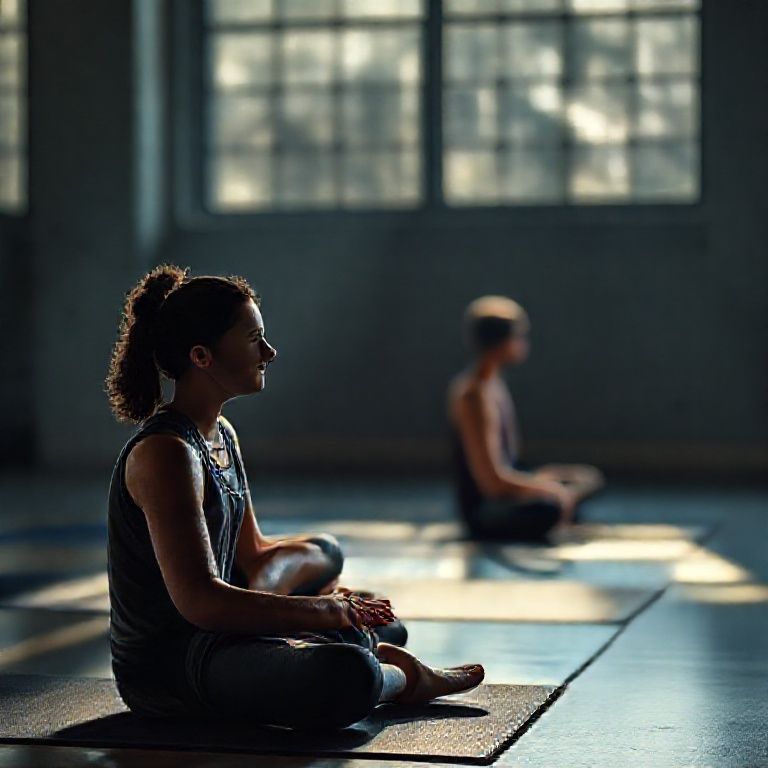
1. Mindfulness Meditation
Mindfulness meditation involves focusing on the present moment, without judgment or attachment. This technique can help calm the mind and reduce rumination.
Find a Quiet and Comfortable Space to Meditate.
Close your eyes and take deep breaths.
Focus on your breath, noticing its sensation and movement.
Gradually expand your awareness to include your body and surroundings.
Practice mindfulness meditation regularly, ideally at the same time each day. This can help create a sense of consistency and make it easier to establish a habit.
2. Physical Exercise
Regular physical exercise can help reduce stress and anxiety by releasing endorphins, also known as “feel-good” hormones.
Engage in activities that bring you joy, such as walking, running, or swimming.
Aim for at least 30 minutes of moderate-intensity exercise per day.
Incorporate relaxation techniques, such as deep breathing or progressive muscle relaxation, during your workout.
Consider incorporating physical activity into your daily routine, such as taking a lunch break walk or doing a few jumping jacks during commercial breaks while watching TV.
3. Journaling
Writing down your thoughts and feelings can help process and release them, reducing overthinking.
Set aside a dedicated time to journal, ideally in the morning or evening.
Write freely without editing or censoring yourself.
Reflect on your entries to identify patterns and gain insights into your thoughts and emotions.
Experiment with different journaling techniques, such as freewriting, stream-of-consciousness writing, or drawing. Find what works best for you and make it a consistent part of your routine.
4. Grounding Techniques
Grounding techniques can help you focus on the present moment and distract you from overthinking.
Practice deep breathing exercises, noticing the sensation of the breath in your body.
Use sensory stimulation, such as listening to calming music or feeling a soft texture.
Engage in activities that promote tactile awareness, like gardening or cooking.
Try incorporating grounding techniques into your daily life, such as taking a few deep breaths before bed or using a weighted blanket to provide a sense of physical comfort.
Additional Techniques for Overthinking Relief
In addition to the techniques mentioned above, there are several other strategies you can try to alleviate overthinking:
1. Progressive Muscle Relaxation
Progressive muscle relaxation involves tensing and relaxing different muscle groups in your body. This technique can help release physical tension and promote relaxation.
Find a comfortable seated or lying position.
Start with your toes and tense them for a few seconds, then release.
Move up your body, tensing and relaxing each muscle group in turn (feet, calves, thighs, hips, back, shoulders, arms, hands, neck, and head).
Repeat the process several times, focusing on the sensation of relaxation in each area.
2. Visualization
Visualization involves using mental imagery to create a peaceful and calming environment. This technique can help distract you from overthinking and promote relaxation.
Find a quiet and comfortable space to relax.
Close your eyes and take deep breaths.
Imagine yourself in a peaceful environment, such as a beach or a forest.
Use all of your senses to bring the scene to life, noticing sights, sounds, smells, tastes, and textures.
Stay in this imaginary world for several minutes, allowing yourself to feel calm and


Conclusion
In today’s fast-paced world, it’s easy to get caught up in the cycle of overthinking and rumination. However, this mental habit can lead to feelings of anxiety, stress, and burnout. Fortunately, there are several effective overthinking relief techniques that can help you break free from this pattern. By incorporating mindfulness meditation, deep breathing exercises, or physical activity into your daily routine, you can learn to quiet the mind and find peace. Take the first step towards a more relaxed and focused you by trying one of these techniques today and committing to regular practice.
Here are five concise FAQ pairs for “Overthinking Relief Techniques”:
Q: What is overthinking, and how does it affect my mental health?
A: Overthinking refers to excessive and persistent thinking about a particular issue or problem, often leading to rumination, anxiety, and decreased productivity.
Q: What are some common signs that I’m overthinking?
A: Common signs of overthinking include excessive worry, racing thoughts, difficulty concentrating, irritability, and physical symptoms such as headaches or stomach problems.
Q: How can I start using relief techniques for overthinking?
A: Start by identifying your triggers and practicing relaxation techniques such as deep breathing, progressive muscle relaxation, or mindfulness meditation to help calm your mind and body.
Q: Are there any specific exercises that can help me stop overthinking?
A: Yes, exercises like journaling, physical activity, or creative pursuits (such as drawing or writing) can help distract you from negative thoughts and provide a sense of accomplishment.
Q: Can I use technology to help with overthinking relief techniques?
Here is a short quiz on “Overthinking Relief Techniques”:
Question 1: What technique involves writing down your thoughts to help process and release them?
A) Mindfulness meditation
B) Journaling
C) Deep breathing exercises
Show answer
Answer: B) Journaling
Question 2: Which of the following activities can help distract you from overthinking?
A) Engaging in a creative hobby
B) Watching TV or scrolling through social media
C) Taking a walk outside
Show answer
Answer: A) Engaging in a creative hobby
Question 3: What technique involves setting a timer for a specific amount of time and doing nothing but focus on relaxation during that time?
A) Progressive muscle relaxation
B) Mindfulness meditation
C) Time blocking
Show answer
Answer: C) Time blocking
Question 4: Which activity can help reduce overthinking by promoting physical movement and release of tension?
A) Yoga or tai chi
B) Reading a book
C) Playing video games
Show answer
Answer: A) Yoga or tai chi





I’ve been looking for information like this everywhere. This was really helpful.
Great article! I’ve been looking for information like this everywhere.
I enjoyed reading this. Excellent work as always!