
Open Shelf Styling Basics: 8 Genius Tips for Clarity and Confidence


open shelf styling basics

Introduction
When it comes to decorating your home, one of the most effective ways to create a cohesive and inviting space is by mastering the art of open shelf styling basics. By carefully curating the items on your shelves, you can add visual interest, personality, and style to any room in your home. Whether you’re looking to update your living room, kitchen, or bathroom decor, open shelf styling basics provide a versatile framework for creating beautiful and functional spaces.
At its core, open shelf styling is all about balance and restraint. It’s about selecting a few statement pieces and letting them take center stage, rather than cluttering the shelves with too many items. By striking this balance, you can create a sense of calm and serenity in your home, even as you add personality and visual interest to each room.
In this article, we’ll explore the basics of open shelf styling, from selecting the right items to arranging them in a way that creates visual harmony. We’ll also provide tips and tricks for overcoming common challenges, such as how to display fragile or delicate items on your shelves. By the end of this guide, you’ll be equipped with the knowledge and confidence to create beautiful and functional open shelf spaces that reflect your personal style.
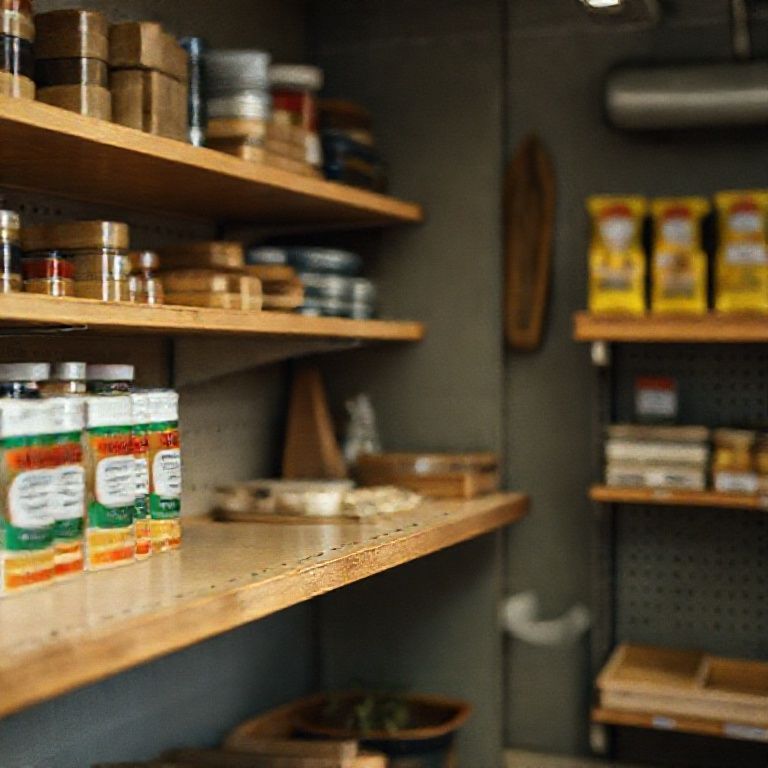
Open Shelf Styling Basics
Key Points
Understanding the Principles of Open Shelf Styling
Open shelf styling is a versatile and easy-to-implement approach to decorating your home. The key to successful open shelf styling lies in creating a visually appealing display that reflects your personal style and complements your room’s aesthetic.
Assessing Your Space: a Crucial Step
Before you begin styling your shelves, take some time to assess your space. Consider the following factors:
The size and shape of your shelves: This will help you determine how to maximize space and create a balanced display.
The type of items you want to display (e.g., decorative objects, books, vases): Think about what you want to showcase and how it will look on your shelf.
The lighting in the room and how it will affect your displays: Consider how natural light or artificial light sources may impact the appearance of your items.
Your personal style and preferences: This is essential for creating a cohesive look that reflects your unique taste.
By taking these factors into account, you can create a cohesive look that reflects your unique taste.
Purging and Curating: the First Step
The first step in open shelf styling is to purge your shelves of any unnecessary or cluttered items. Take everything off the shelves and sort items into three categories: keep, donate/sell, and discard. Be ruthless – if you haven’t used something in a year, it’s probably safe to get rid of it.
Once you’ve purged your shelves, take some time to curate your remaining items. Group similar items together (e.g., all decorative objects, all books) and consider how they can be displayed in an attractive way.
Choosing a Color Scheme: the Unifying Element
A color scheme is essential for creating a cohesive look on your open shelves. Consider the colors of your walls, furniture, and other decor in the room, and choose items that complement these hues. You can also use a unifying theme (e.g., all items are white or monochromatic) to create a sense of continuity.
For example, if you have a predominantly blue-colored wall, consider choosing decorative objects and vases with similar shades of blue to create a harmonious display.
Adding Texture and Depth: Visual Interest
Texture and depth are crucial elements of open shelf styling. Mix different textures (e.g., smooth, rough, matte) and add visual interest with varying levels of depth (e.g., tall objects, short objects). This will create a dynamic display that draws the eye and adds visual appeal.
For instance, placing a tall vase on one side of the shelf and a small decorative box on the other can create a visually appealing contrast.
Displaying Items in a Logical Way: Balance and Harmony
Once you have your items curated and arranged, it’s time to think about how they should be displayed. Consider the following tips:
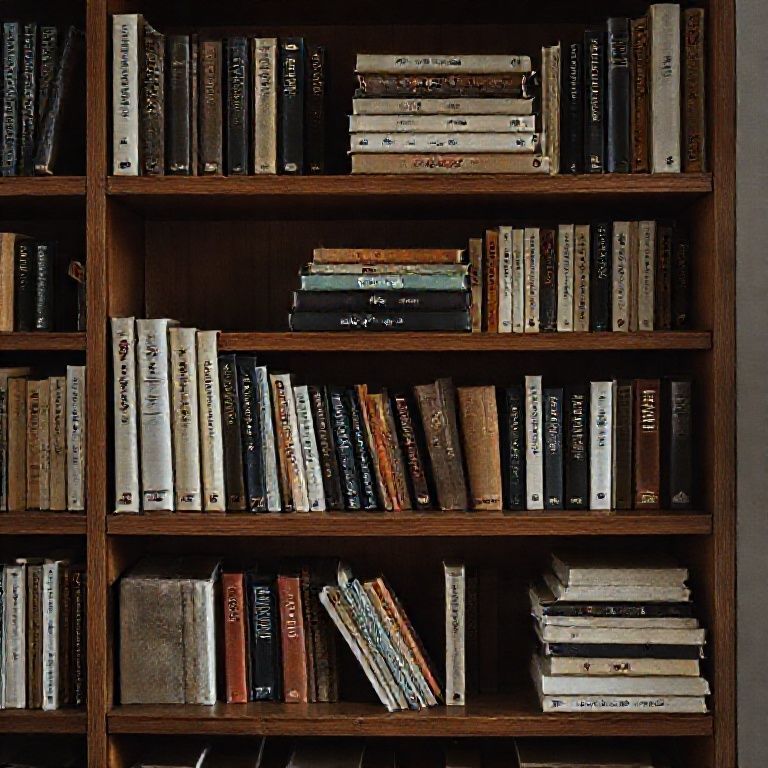
Place larger or heavier items at the bottom of the shelf: This will prevent them from toppling over and create a stable display.
Group similar items together (e.g., all decorative objects): This creates a cohesive look and makes it easier to maintain your shelves.
Leave some space between items to create visual breathing room: Don’t overcrowd your shelves – leave enough space for the eye to move comfortably.
By following these steps, you can create a beautiful and functional open shelf display that reflects your personal style.
For More Inspiration and Ideas, Check Out:
Key Points
Conclusion
In conclusion, mastering open shelf styling basics is an easy and effective way to add visual interest and personality to your home decor. By understanding the principles of balance, texture, and color, you can create a cohesive look that reflects your personal style. Start by experimenting with different arrangements and styles until you find one that feels like you. Don’t be afraid to try new things and make mistakes – it’s all part of the process! Begin your open shelf styling journey today and see how it can transform your space into a beautiful reflection of your unique taste.
Here are five concise FAQ pairs for “Open Shelf Styling Basics”:
Q: What is open shelf styling?
A: Open shelf styling is a decorating technique that involves displaying decorative items, books, and other personal treasures on an open shelving unit to create a visually appealing display.
Q: How do I choose what to put on my open shelves?
A: Choose items that reflect your personal style and interests, such as decorative objects, books, vases, and framed photos. Consider the color palette and overall aesthetic of your room when selecting items.
Q: What are some common mistakes to avoid when styling open shelves?
A: Common mistakes include overcrowding the shelf with too many items, not balancing heavy and light pieces, and neglecting to leave space between items for visual flow.
Q: How can I create a cohesive look on my open shelves?
A: Create a cohesive look by choosing a unifying theme or color palette, grouping similar items together, and using risers or decorative boxes to add depth and texture.
Q: Can I use open shelf styling in small spaces?
Here’s your open shelf styling basics quiz:
Question 1: What is the primary purpose of grouping similar items together on an open shelf?
A) To create visual clutter
B) To make the most of available space
C) To distract from the lack of furniture
Show answer
Answer: B) To make the most of available space
Question 2: Which of the following is a key principle of creating balance in an open shelf display?
A) Placing heavy objects on one side
B) Arranging items symmetrically
C) Alternating large and small objects
Show answer
Answer: C) Alternating large and small objects
Question 3: What type of item should be placed at eye level to create visual interest on an open shelf?
A) Large decorative pieces
B) Small, low-profile vases
C) Tall, slender candles
Show answer
Answer: B) Small, low-profile vases
Question 4: Which of the following is a common mistake to avoid when creating an open shelf display?
A) Overcrowding the shelf with too many items
B) Failing to leave space between objects for visual breathability
C) Using only one color scheme throughout the display
Show answer
Answer: B) Failing to leave space between objects for visual breathability


This really helped me understand the concept better. Keep up the good work!
Interesting perspective. Fantastic insights! Really appreciate your expertise.
Really enjoyed reading this. Keep up the great work! 😊