
Natural Skincare Routine: 7 Power Moves that Actually Work

natural skincare routine
Introduction
In today’s fast-paced world, taking care of our skin can often feel like an afterthought. We’re constantly bombarded with advertisements promising miracle solutions and quick fixes, leading us to neglect our skin’s basic needs. However, a simple yet effective way to achieve healthy, glowing skin is by adopting a natural skincare routine.
A natural skincare routine focuses on using ingredients that are derived from nature, rather than harsh chemicals found in commercial products. By making this switch, you can say goodbye to dryness, irritation, and other common skin problems, and hello to a radiant complexion that glows from within. But what exactly does a natural skincare routine entail?
At its core, a natural skincare routine is all about embracing the power of Mother Nature. It’s about understanding your skin type, identifying your unique needs, and selecting products that work in harmony with your skin, rather than against it. Whether you’re struggling with acne, hyperpigmentation, or simply looking to upgrade your existing routine, a well-crafted natural skincare routine can be a game-changer.
Benefits of a Natural Skincare Routine
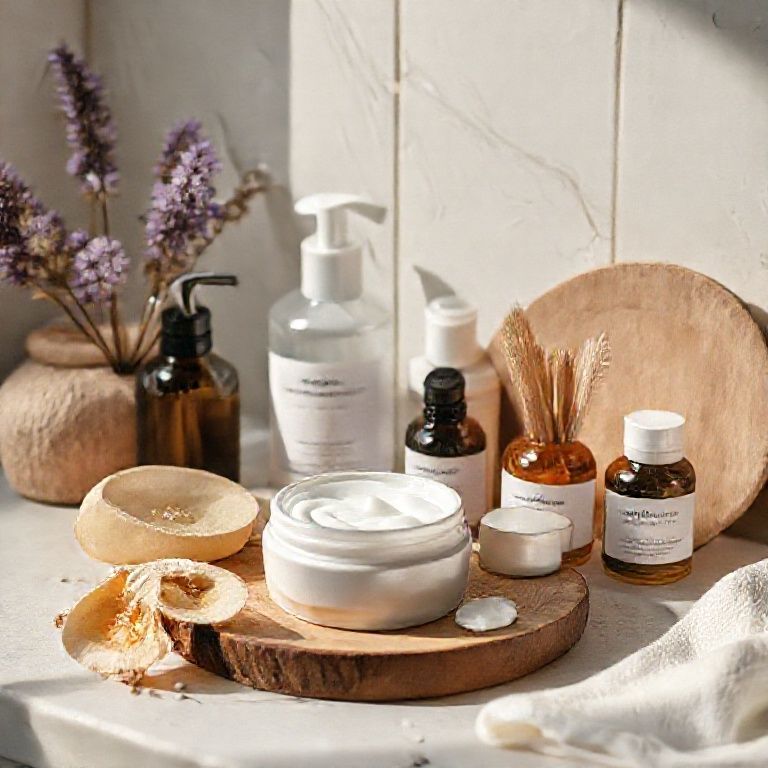
A natural skincare routine offers numerous benefits for the skin and overall health. By avoiding harsh chemicals and synthetic ingredients, individuals can reduce their risk of developing skin conditions such as acne, eczema, and premature aging (1). A natural skincare routine also promotes a healthy balance of the skin’s natural barrier function, leading to improved hydration, elasticity, and firmness.
Understanding Your Skin Type
Identifying Your Skin Type
Before starting a natural skincare routine, it is essential to understand your skin type. There are five main skin types: normal, dry, oily, combination, and sensitive (2). Knowing your skin type will help you choose the right products and ingredients for your specific needs.
Normal Skin
Normal skin is balanced and neither too oily nor too dry. It is ideal for using a variety of natural skincare products, including those containing oils, serums, and moisturizers.
Dry Skin
Dry skin lacks moisture and can become flaky and irritated. Natural skincare products containing humectants, emollients, and occlusives can help to lock in moisture and soothe dryness.
Oily Skin
Oily skin is characterized by excessive sebum production, leading to acne and blackheads. Natural skincare products containing salicylic acid, tea tree oil, and clay can help to control oil production and reduce acne.
Combination Skin
Combination skin combines elements of both oily and dry skin types. Natural skincare products containing balancing ingredients such as rosewater, aloe vera, and green tea can help to regulate oil production and soothe dry areas.
Sensitive Skin
Sensitive skin is easily irritated and may react to even the mildest natural skincare products. Gentle, fragrance-free products containing soothing ingredients like chamomile and calendula can help to calm and comfort sensitive skin.
Creating a Natural Skincare Routine
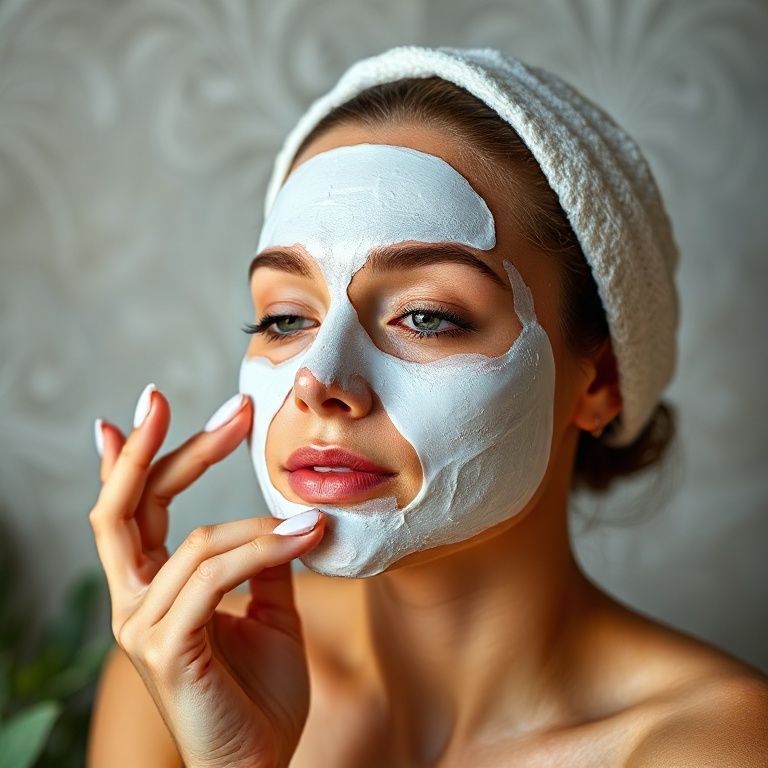
Step 1: Cleanse Your Skin
Start your natural skincare routine by cleansing your skin with a gentle cleanser that suits your skin type. Use lukewarm water and massage the cleanser onto your skin for about 30 seconds before rinsing thoroughly.
Recommended Cleansers
Neutrogena Hydrating Facial Cleanser
Step 2: Exfoliate Your Skin
Exfoliating helps to remove dead skin cells and unclog pores. Use a natural exfoliant containing alpha-hydroxy acids (AHAs) or beta-hydroxy acids (BHAs), such as sugar, salt, or jojoba beads.
Recommended Exfoliants
Dermalogica Daily Microfoliant
St. Ives Fresh Skin Apricot Scrub
Step 3: Toner and Essence
Apply a toner to balance your skin’s pH, followed by an essence containing active ingredients like vitamin C or niacinamide.
Recommended Toners
Thayers Rose Petal Witch Hazel
Step 4: Serum and Moisturizer
Apply a serum containing active ingredients like retinol, hyaluronic acid, or glycerin to address specific skin concerns. Follow with a moisturizer that suits your skin type.
Recommended Serums
Olay Regenerist Micro-Sculpting Serum
Neutrogena Hydro Boost Water Gel
Step 5: Sunscreen
Finish your natural skincare routine by applying a broad-spectrum sunscreen with an SPF of at least 30.
Recommended Sunscreens
EltaMD UV Clear Broad-Spectrum SPF 46
La Roche-Posay Anthelios Melt-In Sunscreen Milk
References:
1. The American Academy of Dermatology recommends using natural ingredients in skincare products to reduce the risk of skin conditions.
2. The Skin Cancer Foundation explains the importance of understanding your skin type when choosing skincare products.
Conclusion
In embracing a natural skincare routine, individuals can take control of their skin health and well-being. By incorporating simple, effective techniques and ingredients into daily routines, people can experience improved skin clarity, reduced inflammation, and enhanced overall quality of life. We encourage everyone to consider making the switch to a natural skincare approach, starting with small changes such as using gentle cleansers, exfoliating with sugar or salt, and applying nourishing oils like coconut or olive oil. By taking this first step towards a more natural skincare routine, you can begin to unlock your skin’s full potential and cultivate a healthier, happier you.
Here are five concise FAQ pairs for a natural skincare routine:
Q: What is the benefit of using natural ingredients in my skincare routine?
A: Using natural ingredients can help reduce the risk of skin irritation, allergic reactions, and environmental pollution, while also promoting healthier, more balanced skin.
Q: How do I choose the right natural ingredients for my skin type?
A: Consider your skin type (dry, oily, combination) and concerns (acne, aging, sensitivity) when selecting natural ingredients. For example, soothing ingredients like aloe vera may be best for sensitive skin, while exfoliating ingredients like sugar or salt may be better suited for oily skin.
Q: Can I really make my own natural skincare products at home?
A: Yes, many natural skincare products can be made at home using common household ingredients. However, it’s essential to do thorough research and ensure the recipes are safe and effective before applying them to your skin.
Q: How often should I use natural skincare products versus chemical-based products?
A: Natural skincare products may require more frequent application due to their gentler nature, but this can vary depending on individual skin types and concerns. It’s essential to find a balance between using enough product and not over-exfoliating or stripping your skin.
Q: Are natural skincare products effective for addressing specific skin issues like acne or hyperpigmentation?
Here’s your short quiz:
1. What is the primary benefit of using coconut oil in a natural skincare routine?
A) It provides antioxidant properties
B) It helps to moisturize and hydrate the skin
C) It reduces acne breakouts
Show answer
Answer: B
2. Which of the following essential oils is known for its anti-inflammatory properties?
A) Tea tree oil
B) Lavender oil
C) Chamomile oil
Show answer
Answer: A
3. What should you look for when choosing a natural exfoliant, such as sugar or salt?
A) High pH level to strip away dead skin cells
B) Low pH level to minimize irritation
C) Coarse texture to help remove dead skin cells
Show answer
Answer: C
4. Which of the following ingredients is commonly used in natural skincare products to protect against sun damage?
A) Vitamin E oil
B) Green tea extract
C) Aloe vera gel
Show answer
Answer: B

Thanks for this post. I can’t thank you enough for this information.
Thanks for sharing your expertise on this topic!
Really enjoyed reading this. keep up the great work!
Thank you for taking the time to write this. 💯
Excellent work as always! 👍
Your expertise really shows in this post. 💯